Five Underrated European Destinations

Europe has a way of stirring the senses in a manner the U.S. simply can’t replicate—where centuries-old cathedrals cast shadows over cobblestone streets, and mornings begin with the aroma of fresh pastries drifting from a nearby café. While iconic European destinations like Paris, Rome, and Barcelona draw travelers with their timeless glamour, world-renowned art, and flawless cuisine, the continent’s true magic often lies just off the beaten path. Venture into its lesser-known corners and you’ll discover preserved medieval towns, pristine coastlines virtually free from crowds, and local traditions that feel wonderfully authentic. These hidden gems in Europe offer the cultural richness of star cities—yet surprise with intimacy, charm, and discovery that even seasoned travelers rarely expect. For over 5 years, I have used my decades of international travel experience to curate once-in-a-lifetime trips for my clients, scouting locations, accommodations, and activities in person to guarantee the best possible experience. The list below is just a few of what I consider to be the best hidden gems on (or near) the European continent.
Five Most Underrated European Destinations:
It’s important to recognize what truly makes Europe so special, because understanding its unique character helps set the right expectations before you dive into planning a trip. Europe’s charm isn’t defined by a single city or landmark; rather it is a tapestry of cultures, traditions, and landscapes that shift every few hours by train. Highlighting these qualities gives you as a traveler a clearer sense of what to look for, what to savor, and what not to overlook. With that perspective, it becomes easier to appreciate the quieter, lesser-known cities and regions, from cobbled streets and clock towers to coastal villages and UNESCO World Heritage Sites, that showcase Europe’s beauty in its purest form.
Why Is Europe a Popular Travel Destination?
Effortless Blend of History and Modern Life
Europe’s greatest appeal comes from the way centuries-old architecture lives seamlessly alongside vibrant, modern cities. One moment you’re standing inside a preserved medieval cathedral, and the next you’re exploring chic boutiques or sipping coffee in a sleek café. This contrast gives every European destination depth and character—travel feels less like checking off sights and more like stepping into a living story.
Unmatched Cultural Variety Within Close Reach
Europe offers incredible diversity packed into a compact geographic area. A short flight—or even a scenic train ride—can transport you from French vineyards to Norwegian fjords or Greek beaches. With each border crossing, you encounter new languages, flavors, customs, and landscapes. This makes Europe ideal for travelers who crave variety without the stress of long-haul travel between destinations.
Elevated Hospitality and Culinary Excellence
Europe’s approach to food, lodging, and lifestyle is rooted in a deep appreciation for quality. Whether dining in a Michelin-starred restaurant, relaxing in a boutique hotel, or enjoying a pastry in a local café, there’s an emphasis on craftsmanship and care. This thoughtful attention to detail elevates even simple moments, making everyday experiences feel luxurious and memorable.
What Are The Most Underrated Destinations In Europe?
While Europe’s iconic cities are famous for good reason, sticking only to the biggest names can overshadow the continent’s true variety. Slower mornings, locally loved eateries, and landscapes untouched by mass tourism often hide in places that don’t make every “Top 10” list. Travelers who focus solely on hotspots may miss quieter coastal towns, storybook villages, and emerging cultural hubs. It’s in these lesser-known corners, these hidden gems in Europe, that history, beauty, and everyday life come together, reminding you why Europe feels endlessly captivating.
Croatia’s Dalmatian Coast and Islands
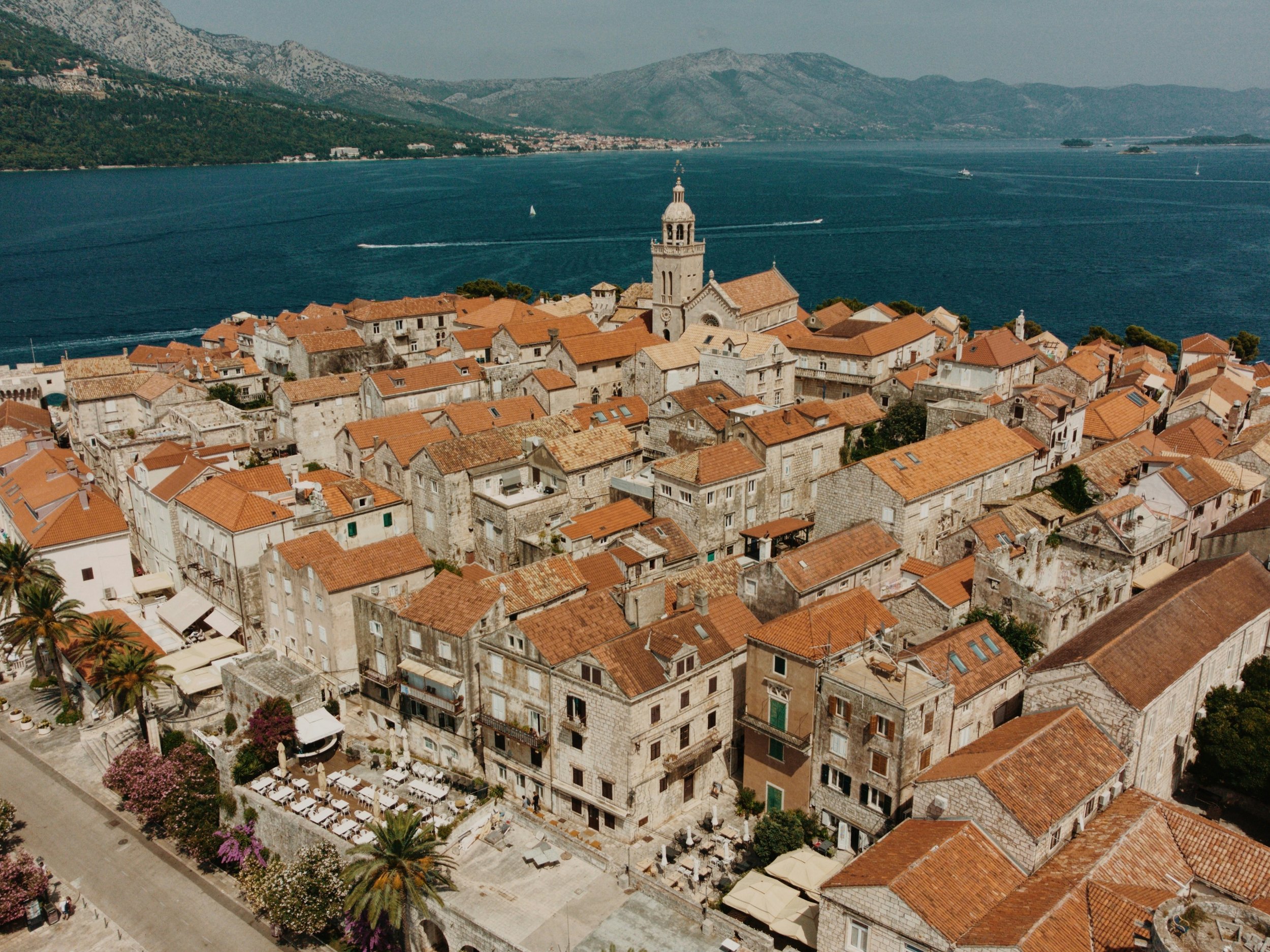
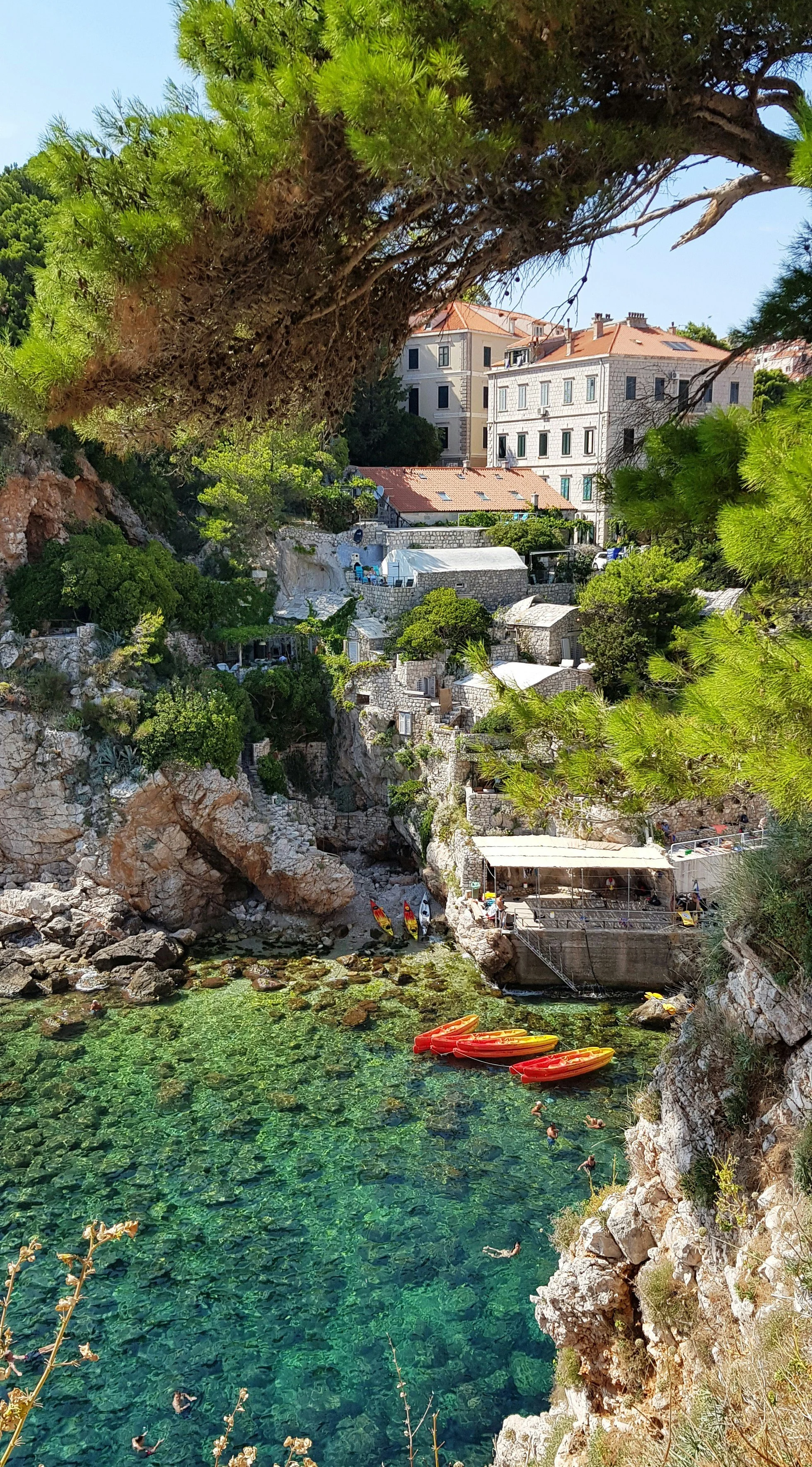
Stretching along the Adriatic, the Dalmatian Coast and Croatia’s islands are some of Europe’s most underrated destinations. Direct flights into Split and Dubrovnik make the region accessible, yet once you arrive, the pace slows and the scenery unfolds into a blend of medieval charm and sun-soaked coastal beauty. Ancient towns like Trogir and Dubrovnik’s Old Town—both UNESCO World Heritage Sites—feature narrow streets, fortress walls, and terracotta rooftops. Each island has a distinct personality: Hvar’s lavender fields and lively harbor, Korčula’s Venetian heritage, and Vis’s secluded tranquility. Fresh Adriatic seafood, locally pressed olive oils, and celebrated wines such as Pošip and Plavac Mali elevate the culinary experience.
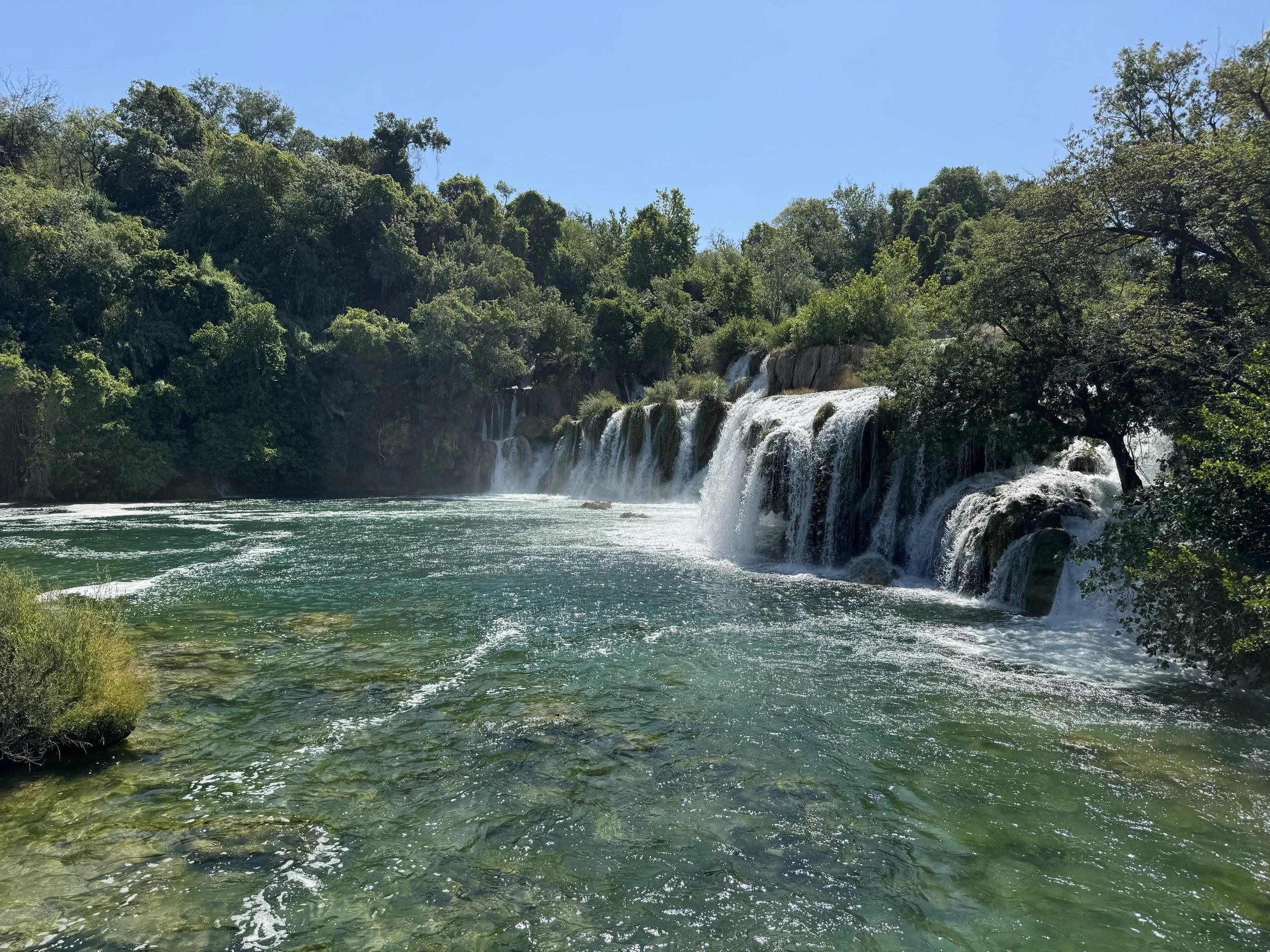
Croatia’s Krka National Park and Plitvice Lakes National Park offer two very different takes on the country’s natural beauty. Krka is known for its dramatic waterfalls, river landscapes, and easygoing trails, while Plitvice feels more secluded, with a series of turquoise lakes linked by cascades and wooden walkways through dense forest. For a more leisurely luxury escape, both are ideal day trips, especially when paired with a private guide, a relaxed lunch, and plenty of time to enjoy the scenery without rushing.
The best times to visit are late spring and early fall, when warm weather, calm waters, and quiet cobbled streets create ideal conditions for sailing, beach hopping, and day trips. I have visited both in the spring and in the heat of the summer and was not disappointed either time. Summer can bring more crowds to the coast, but a thoughtfully planned itinerary can help you escape to smaller islands where it’s easy to feel at peace. The Dalmatian Coast combines culture, cuisine, and coastline while maintaining authenticity that more popular destinations often lose. Click HERE to start planning today!
The Azores
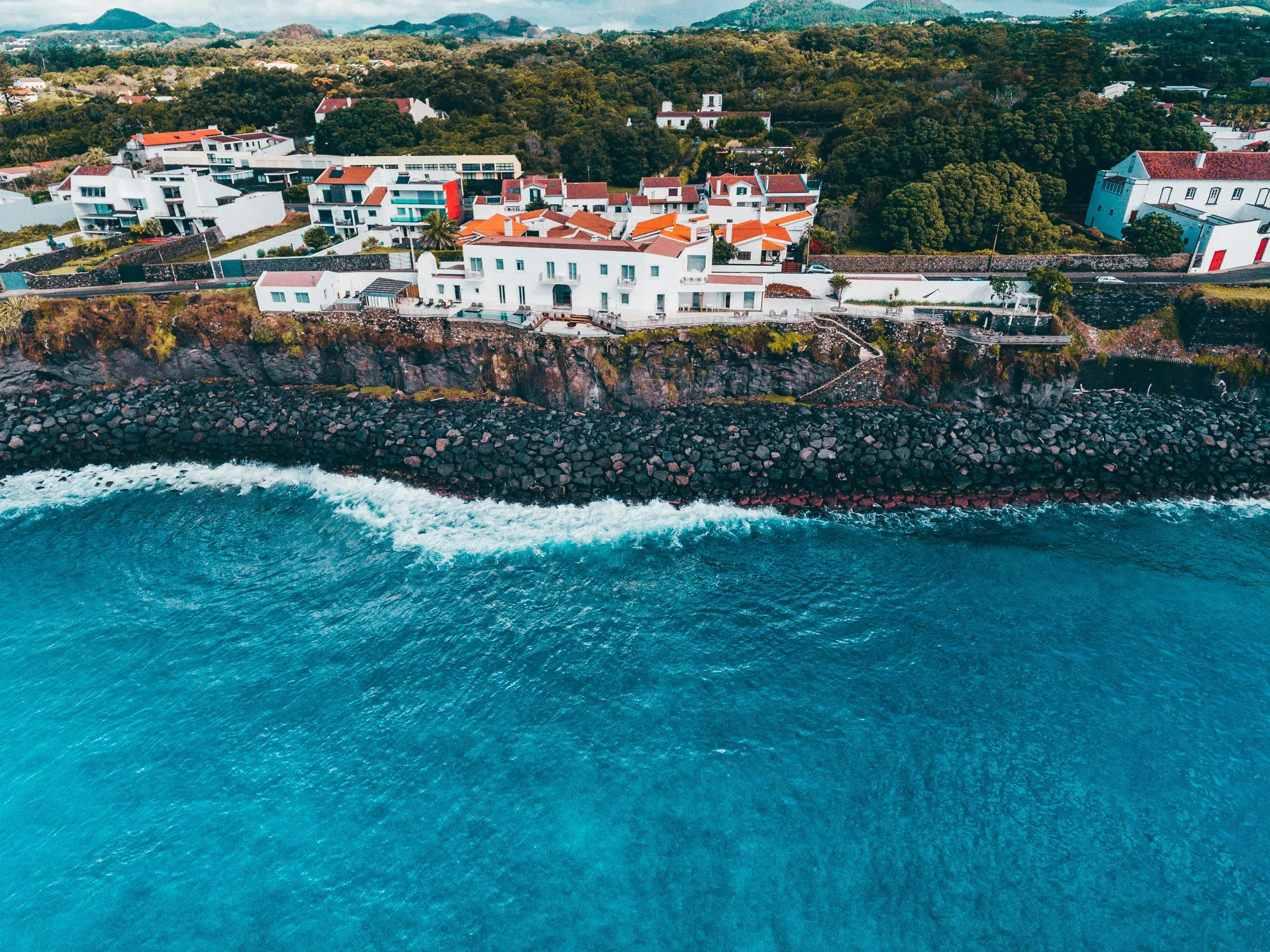
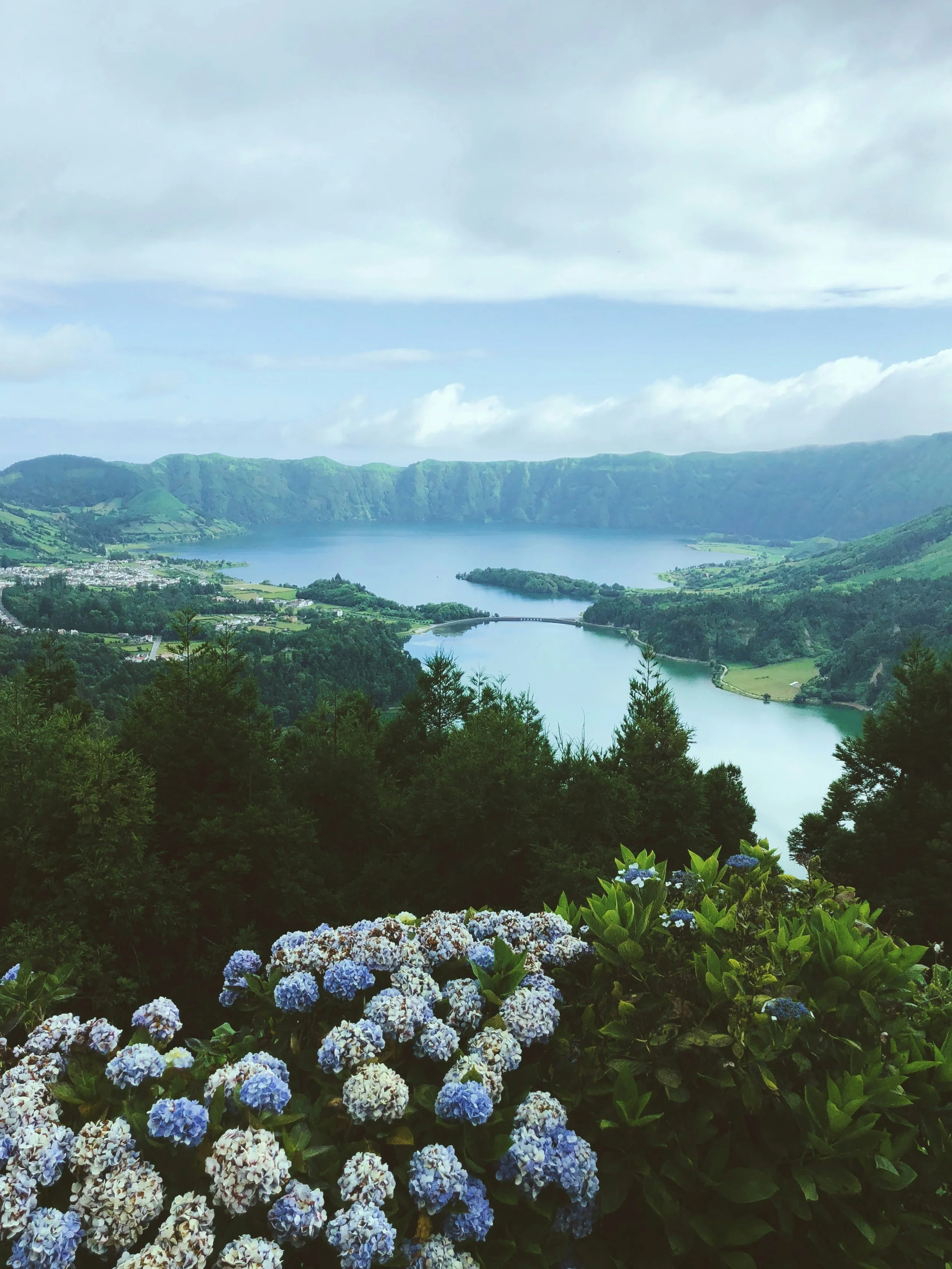
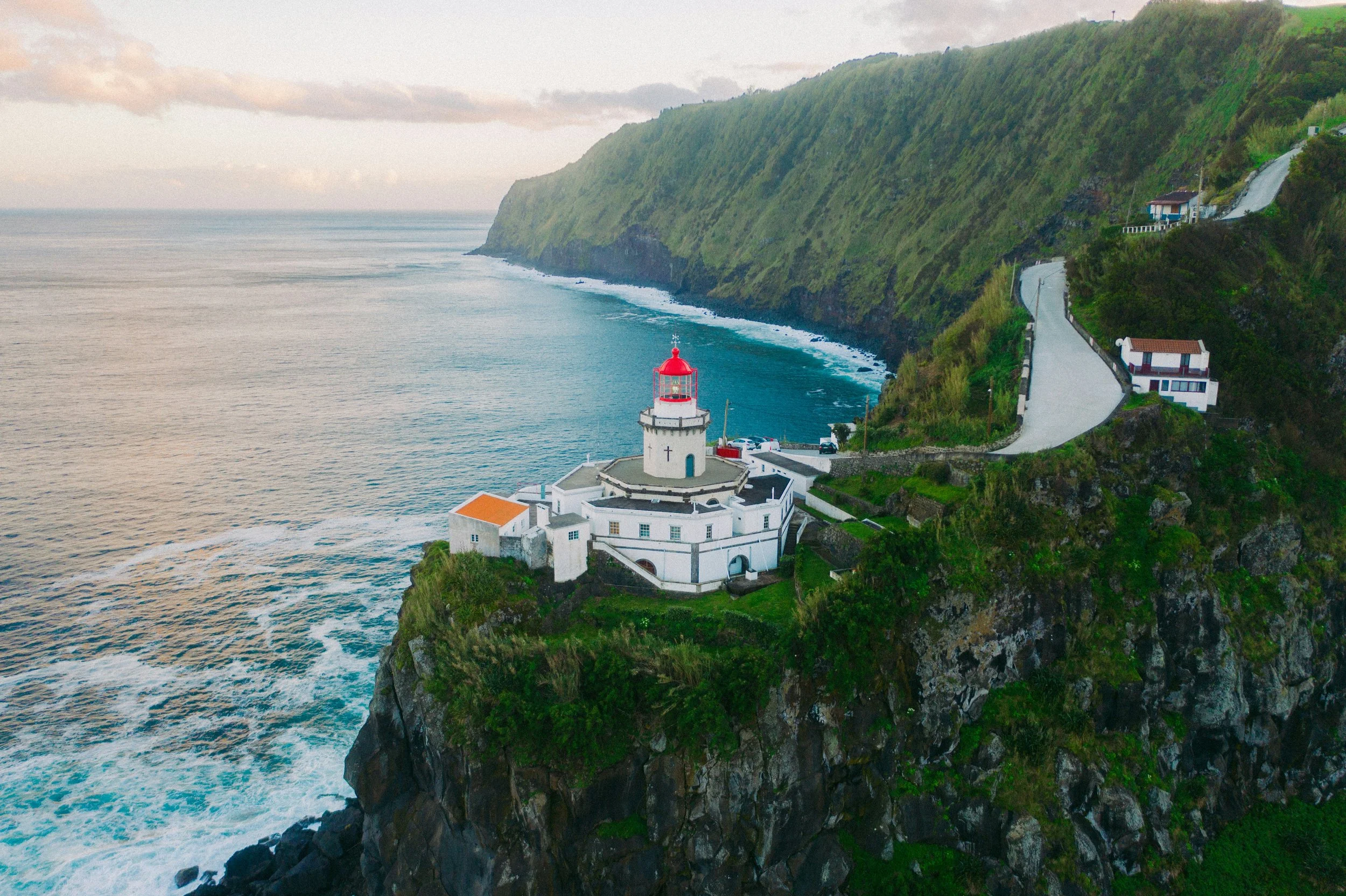
Tucked in the Atlantic, the Azores are Portugal’s best-kept secret, where time slows and nature takes center stage. Each island offers a distinct personality: São Miguel with crater lakes and lush botanical gardens, Pico with dramatic volcanoes and vineyards thriving in volcanic soil, and Faial with iconic harbors and flower-filled landscapes. Hike volcanic calderas, whale-watch, soak in geothermal springs, or simply take in views that feel untouched by human hands. Island hopping is simple, making day trips across multiple islands rewarding.
Luxury here comes from the immersion of rarity yet deeply enriching experiences and locations—hotel rooms with terraces overlooking caldera lakes, and personalized experiences make this European destination unforgettable. Late spring through early fall offers mild weather and vibrant landscapes. Pairing the islands with mainland Portugal allows travelers to combine coastal cities and wine regions with the Azores’ natural splendor.
For additional information, here’s how to plan a Portugal honeymoon.
Apulia (Puglia), Italy
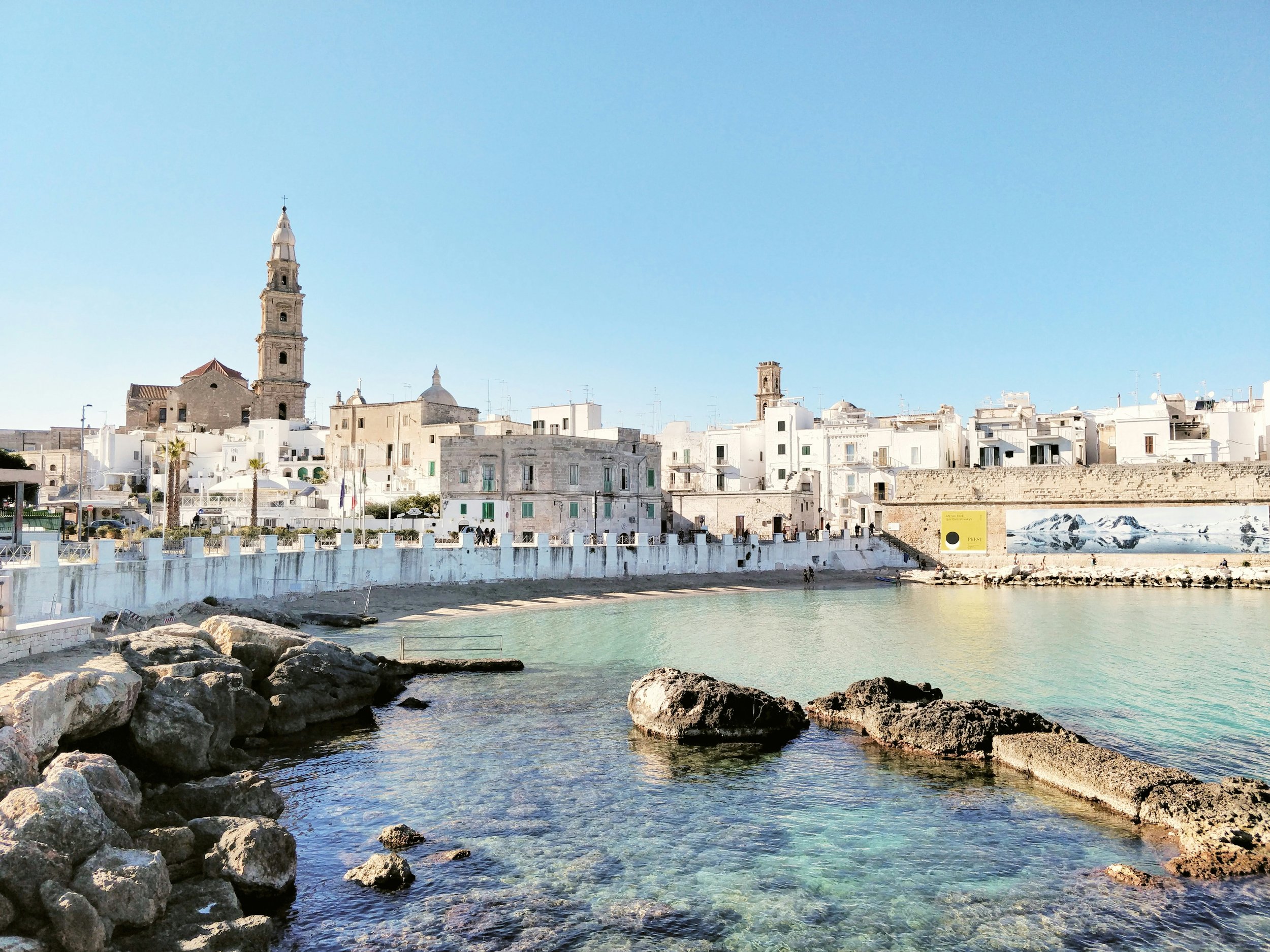
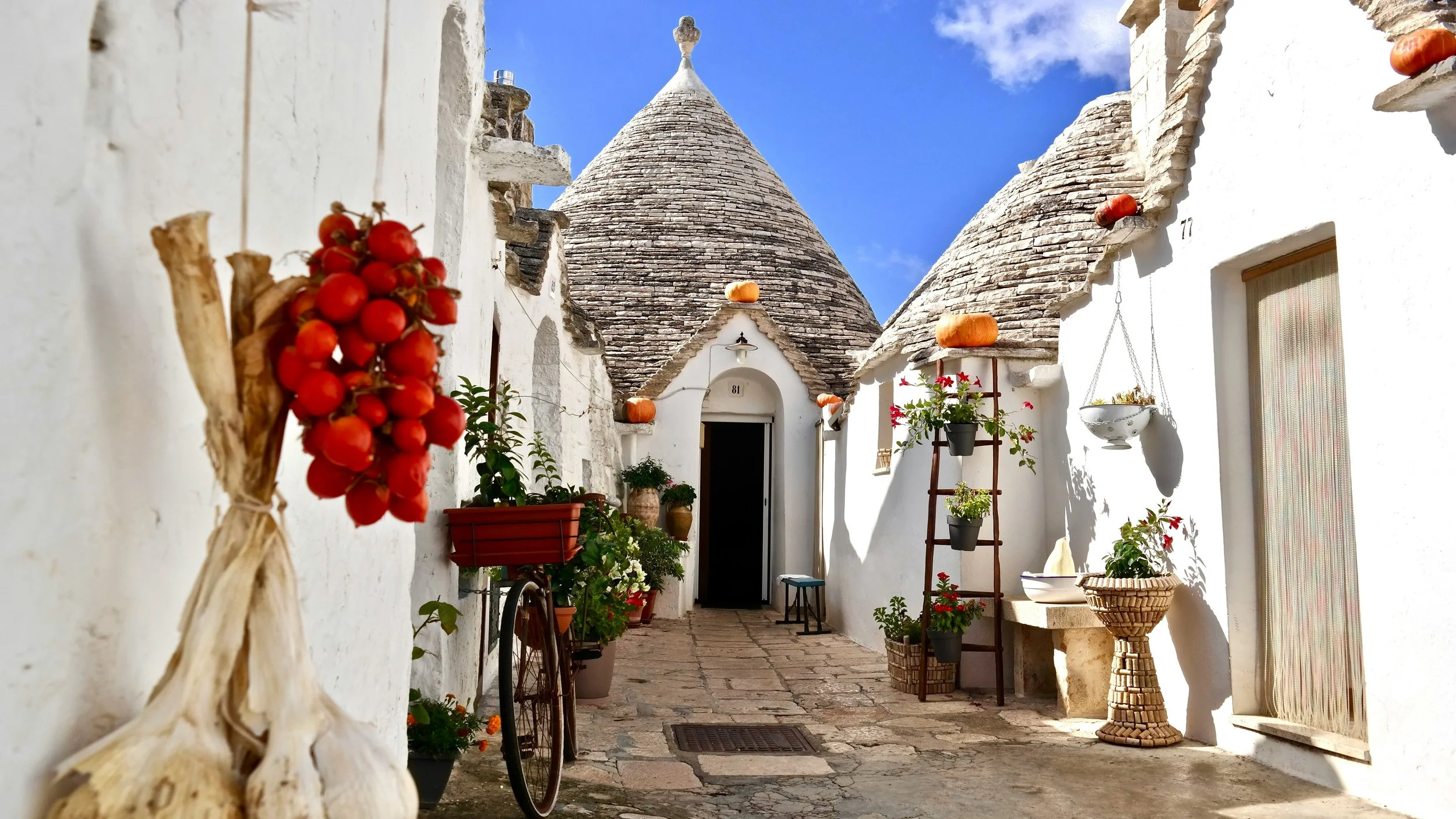
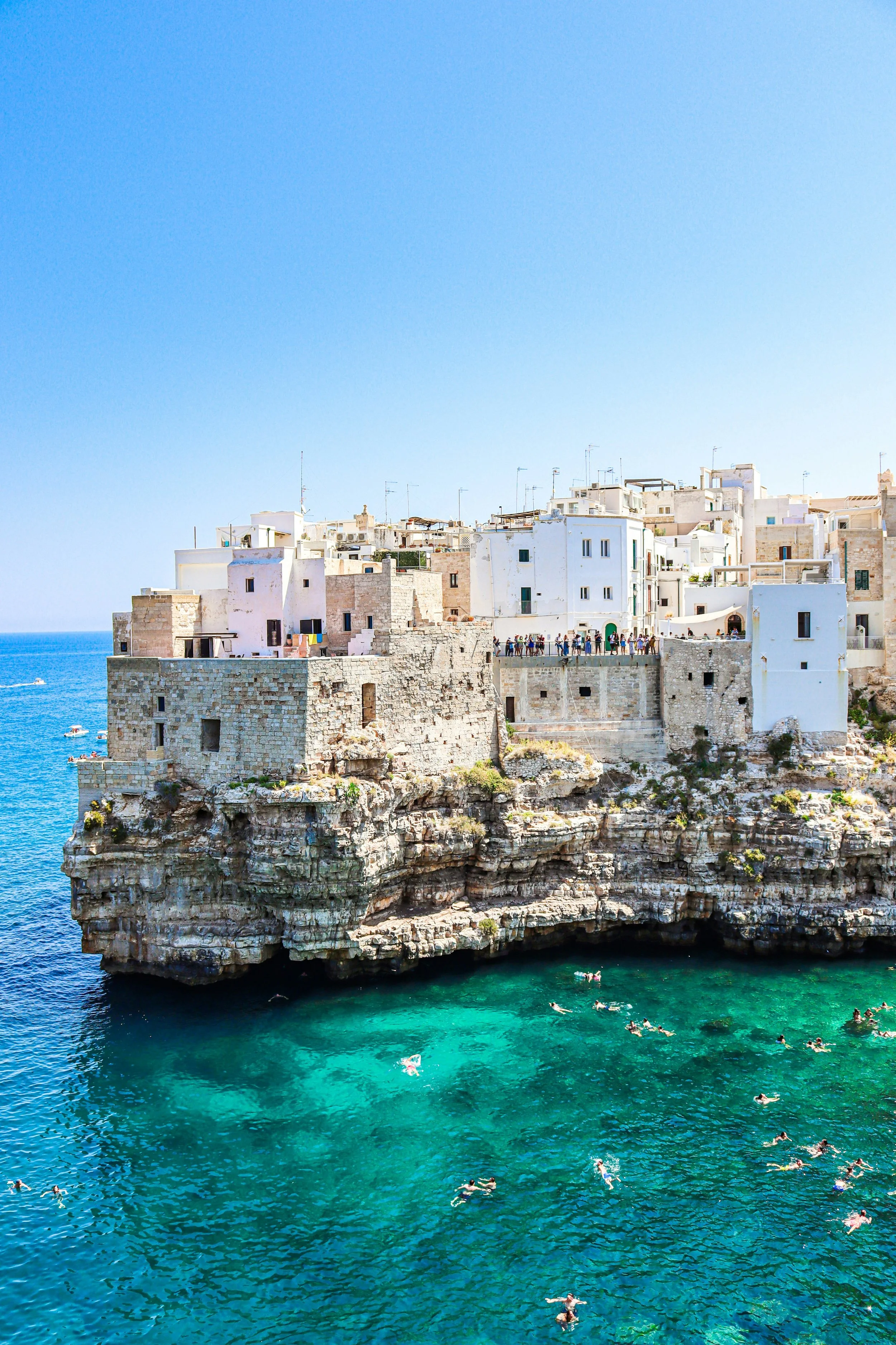
Nestled in the heel of Italy’s boot, Apulia is a sun-drenched, underrated European destination. Its coastline alternates between golden beaches, dramatic cliffs, and hidden coves along the Adriatic and Ionian seas. Inland, whitewashed hill towns, ancient olive groves, and the iconic trulli of Alberobello showcase centuries of Mediterranean culture. The region’s cuisine—fresh seafood, handmade orecchiette, creamy burrata, and locally produced olive oils and wines—offers authentic Italian flavors.
Late spring and early fall are ideal for travel, when warm weather and minimal crowds make exploration leisurely. For those traveling in the summer, be prepared to soak up the sun and make sure you pack that sunscreen! Must-dos include wandering Lecce’s labyrinthine streets, tasting wines in Salento, cruising the Adriatic coast, and savoring sunsets along Torre dell’Orso. Apulia balances sun, culture, and culinary excellence in a way that feels distinctively Italian yet quietly undiscovered. Read my guide for planning a trip to Italy.
Scotland: Highlands and Isles
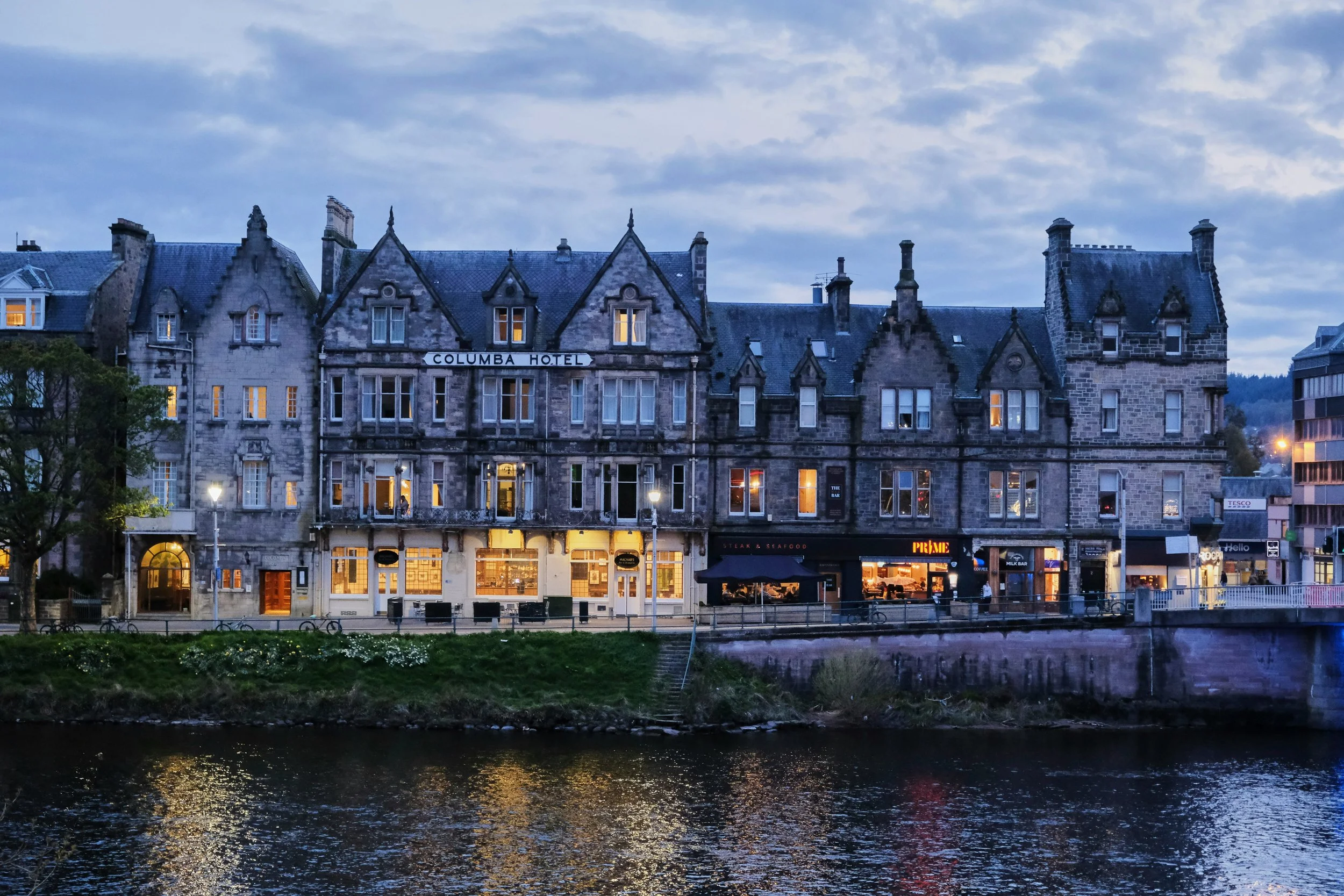
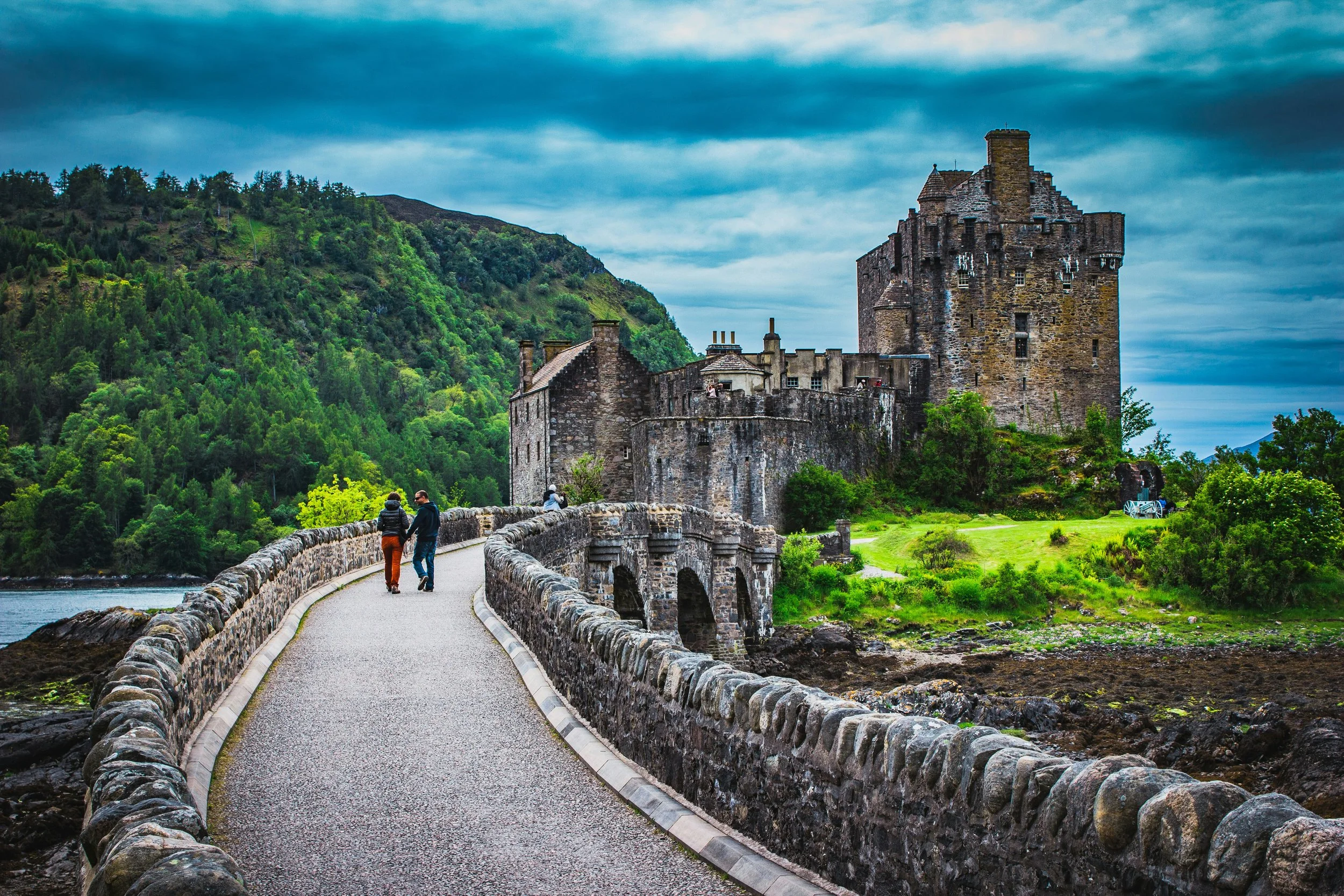
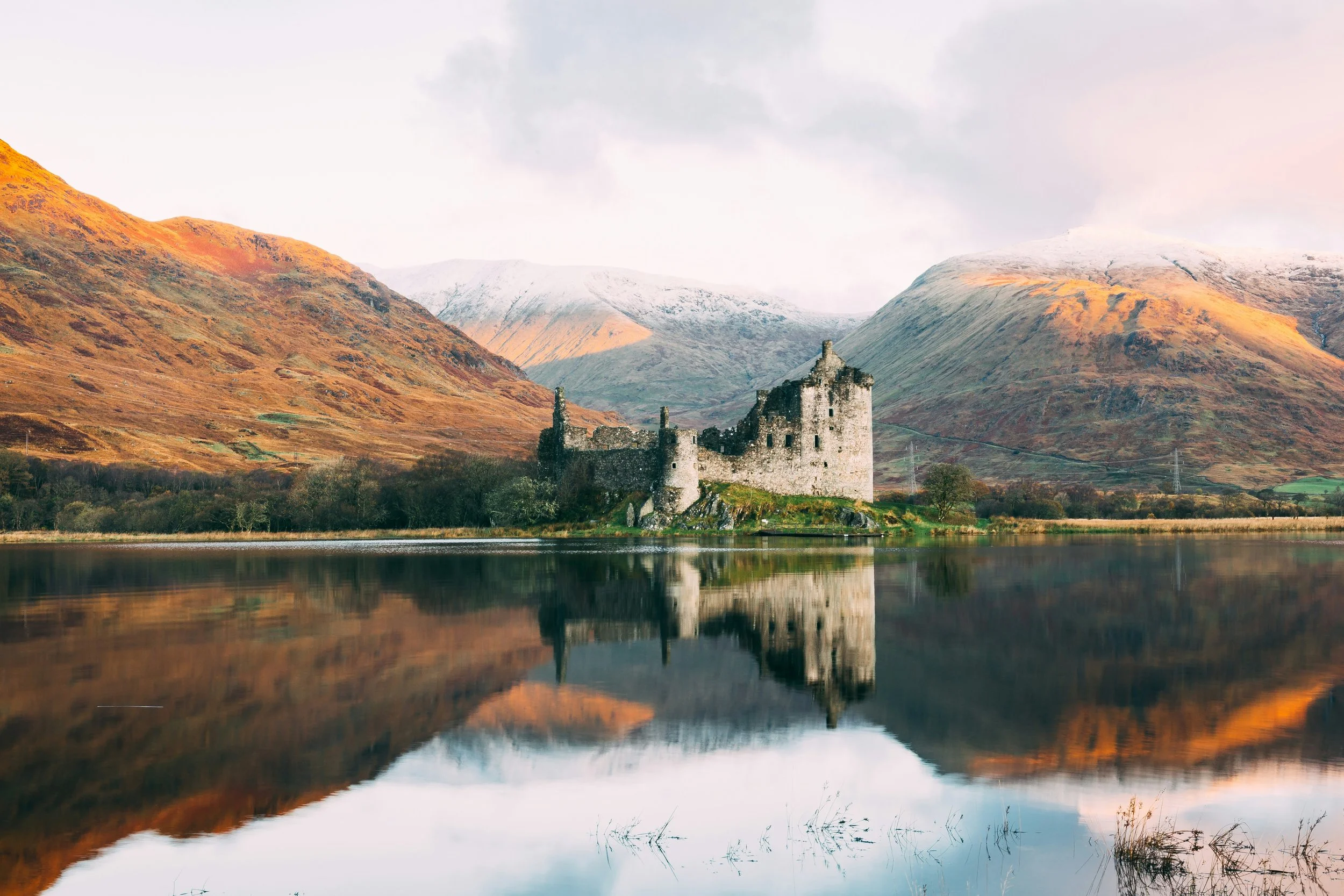
Scotland remains one of Europe’s most underrated destinations, offering preserved medieval towns, rugged landscapes, and raw natural beauty. In Edinburgh and Stirling, cobbled streets wind past centuries-old buildings, castles, and clock towers, transporting visitors to a world where history feels alive. Beyond the cities, the Highlands and Scottish Isles reveal towering mountains, serene lochs, and windswept moors. Scotland’s accessibility adds to its appeal. Well-planned day trips from Edinburgh, Glasgow, or Inverness allow travelers to experience dramatic landscapes, historic sites, and coastal villages without committing to long stays in remote areas. Seasons dictate travel activities here, with winter bringing cozy, snowy landscapes and holiday charm. Late spring through early fall offers long days, mild weather, and lush scenery—perfect for hiking, scenic drives, and outdoor adventures. Scotland blends history, culture, and untamed beauty, making it a European destination that belongs on every bucket list.
I’m also a big fan of the Cairngorms for travelers who want to ski but also want to experience Scotland beyond the slopes. CairnGorm Mountain, Glenshee, and The Lecht all offer good skiing, and the Highland setting is hard to beat. Conditions can be variable, so I wouldn’t plan a trip here solely around skiing, but that’s also what makes the area so appealing. A day on the mountain can easily be paired with a distillery visit, a walk through one of the surrounding villages, or a quiet evening back at a ski resort.
Slovenia and Lake Bled
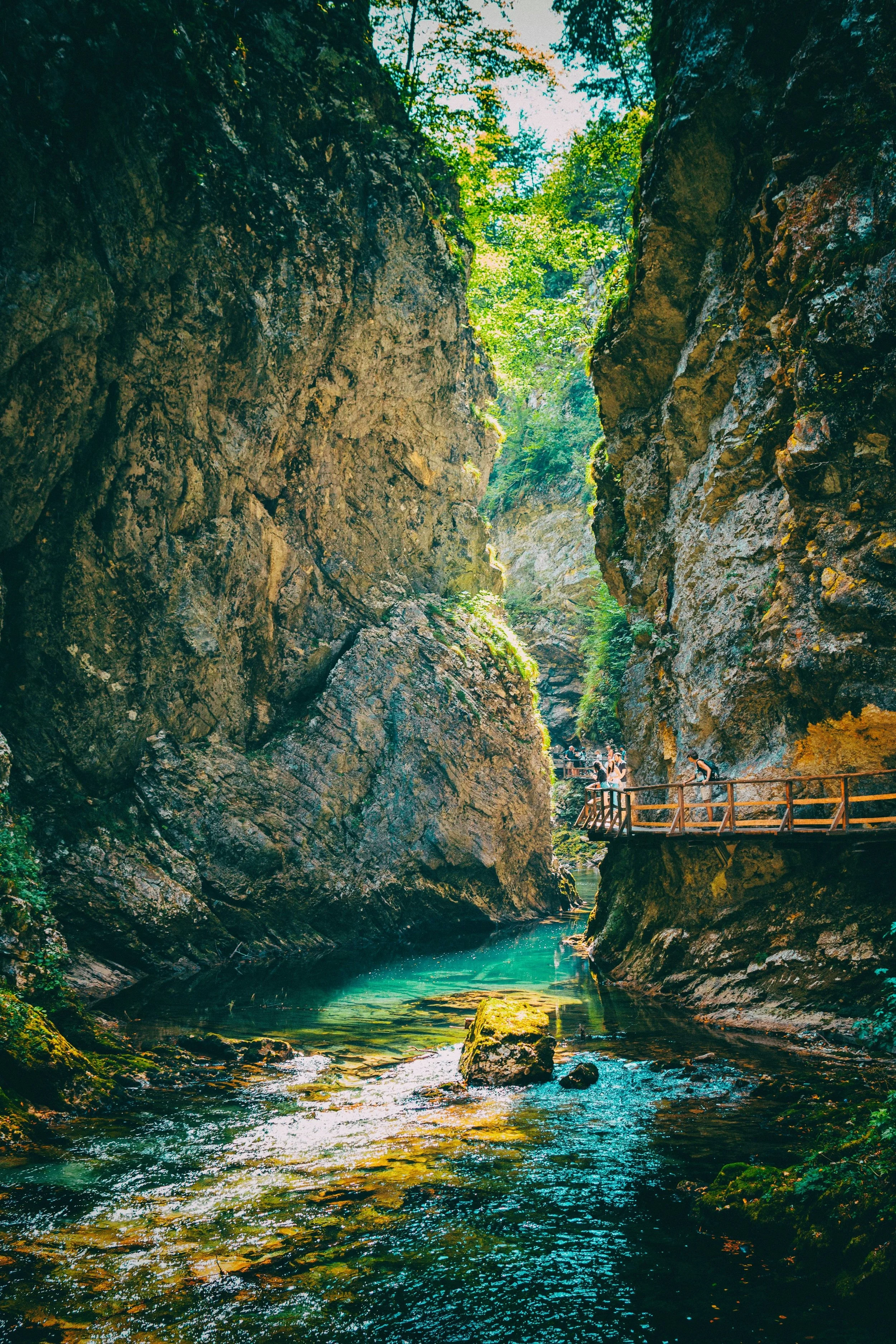
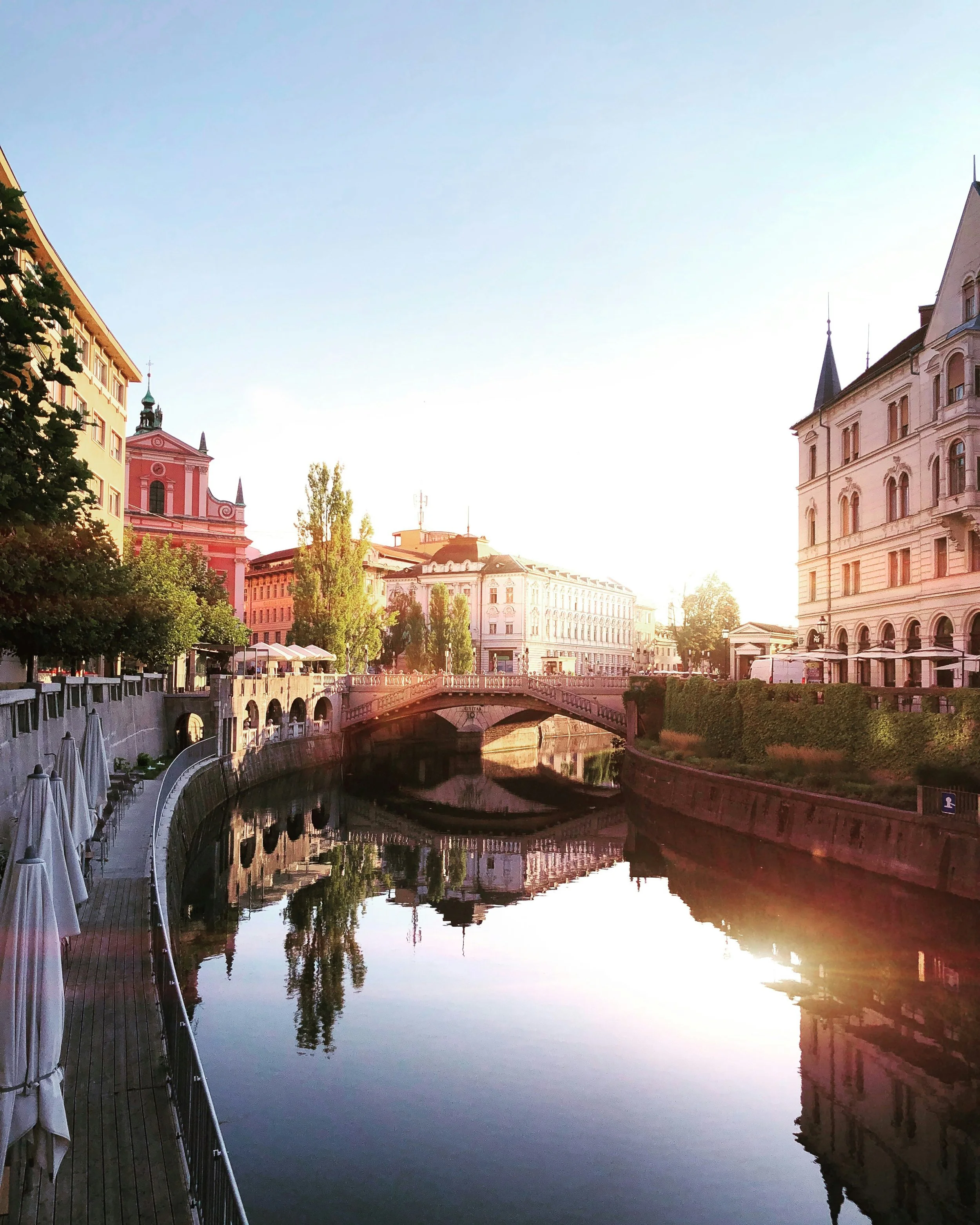
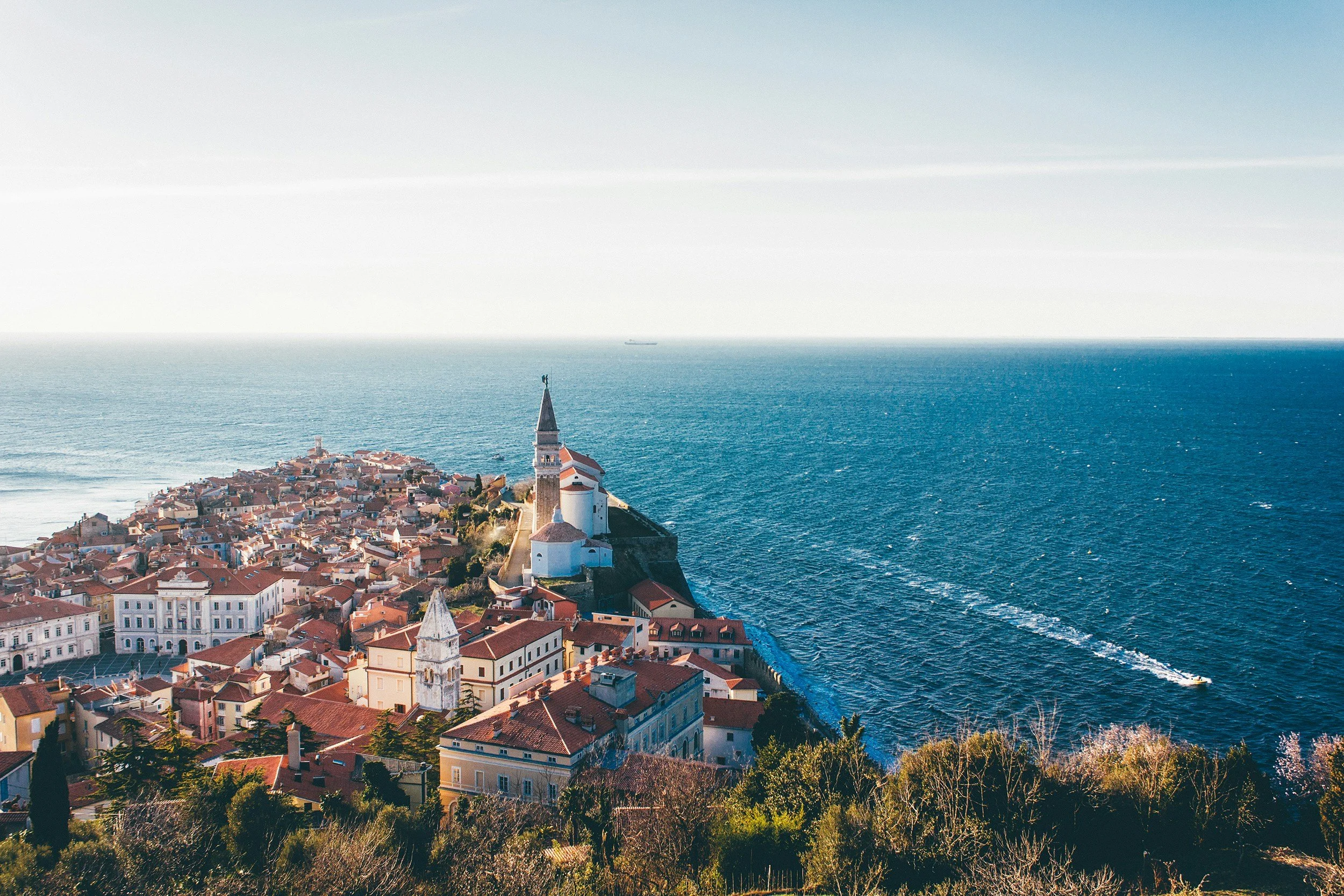
Slovenia is small in size but big in charm, offering natural beauty, history, and culture in a compact package. Just a short drive from the capital city, Lake Bled enchants with emerald waters, a fairytale island church, and a medieval castle perched on a cliff. Walking or rowing around the lake reveals postcard-perfect views, while the Julian Alps offer hiking and cycling opportunities. Beyond Bled, the Škocjan Caves showcase dramatic karst formations, and Piran’s Venetian-inspired architecture along the Adriatic adds coastal allure. Wine lovers can explore Goriška Brda vineyards and sample unique local varietals.
I often recommend the Julian Alps to travelers who want a ski trip with a little more variety to it. Triglav National Park is at the heart of the region, with resorts such as Kranjska Gora, Vogel, and Soriška Planina offering skiing against a backdrop that feels distinctly different from the better-known Alpine destinations. As with skiing anywhere in this part of Europe, snow conditions can vary, so I think the real appeal is being able to mix time on the mountain with the rest of Slovenia. A morning of skiing can lead to an afternoon in a lakeside town, a long Slovenian lunch, or an evening exploring the local food and wine scene. It’s a particularly good fit for travelers who want the mountains to be part of the trip without having the entire trip revolve around skiing.
Most highlights are accessible for day trips, allowing travelers to combine lakes, mountains, caves, and coastlines in a single trip. Late spring through early fall is ideal, with mild weather, lush landscapes, and excellent outdoor conditions. However, winter can also be an excellent time to visit for travelers looking to ski or enjoy Europe’s lively Christmas atmosphere and activities. Slovenia’s natural beauty and cultural depth make it an underrated European destination well worth visiting.
How to Plan a Trip to These Underrated European Destinations
Planning a trip to one of these lesser-known European destinations takes a little more thought than simply picking a hotel and booking a flight. That’s where I come in. I work with clients to build the itinerary around what they actually want from the trip—whether that means skiing, hiking, food and wine, time in the countryside, or simply seeing a part of Europe that feels a little different. From choosing the right base and connecting the dots between destinations to finding the hotels, guides, and experiences that are worth making time for, I handle the details so the trip comes together naturally.
For most of these itineraries, I recommend starting the planning process six to nine months in advance, particularly for travel during the summer or around the holidays. Ski trips are worth planning even earlier, generally nine to twelve months ahead, since the best lodging and preferred room categories can go quickly even when the destination itself isn’t especially crowded. That extra lead time also gives us more flexibility with flights, guides, private experiences, and the smaller properties that often make these trips special. One of the advantages of choosing an underrated destination is having more room to travel at your own pace—you just want to make sure you give yourself enough time to find the right pieces. There’s no better time than now to START PLANNING!