7 Days In Alaska: How To Plan The Perfect One-Week Trip
Alaska has a way of making even well-traveled clients feel a little out of their depth when it's time to actually plan the trip. The state is enormous, bigger than Texas, California, and Montana put together, and a huge chunk of that land is remote, roadless, or only reachable by boat or small plane. When someone comes to me wanting to build a 7 Days In Alaska Itinerary, the first thing I explain is that the hard part isn't finding things to do. It's figuring out what to leave out.
Between the glaciers, the wildlife, the national parks, and the sheer distances between towns, a week can fill up fast if you're not intentional about how you structure it. Long drives eat into your days, weather can shift plans on short notice, and trying to cram in too many stops usually means you end up seeing everything from a car window instead of actually experiencing it. The trick to a good one-week Alaska trip is choosing a handful of destinations that give you a real cross-section of what the state offers, then building in enough breathing room that your vacation doesn't turn into a road trip with photo stops.
I've been planning Alaska trips for clients for years now, everyone from honeymooners chasing glaciers to families wanting their kids to see a moose in the wild for the first time. This itinerary comes straight out of that experience. It's meant to give you a real, workable framework for structuring your week, not just a highlight reel of places you'll never have time to actually get to.
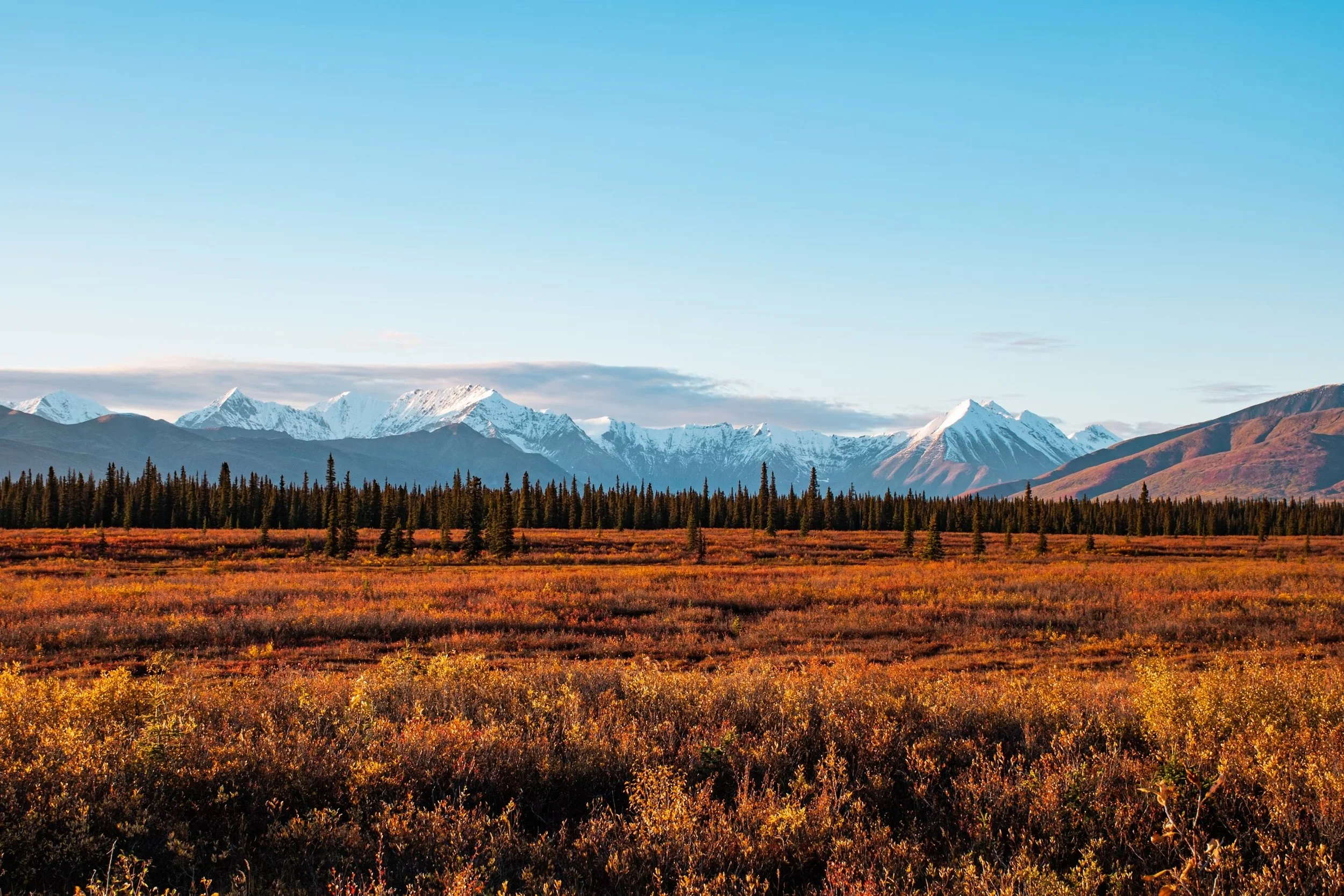
7 Days In Alaska Itinerary
Planning A Seven Day Alaskan Itinerary
A good 7 Days In Alaska Itinerary comes down to balance. You want enough sightseeing and outdoor activity to make the trip feel full, enough wildlife viewing to make it feel distinctly Alaskan, and enough downtime that you're not exhausted by day four. The itinerary below is built as a loop out of Anchorage, since it's the state's main travel hub and the starting point for the majority of trips I book. From there, it heads south to the coast for a few days before turning north toward the interior.
This structure works well for most travelers, but it's not the only way to do it, and I'd encourage you to adjust the pace based on your own interests and travel style. Photographers might want an extra day around the coast for better light. Anglers might want to swap a hiking afternoon for time on the water. And if you're traveling with kids, the pacing looks different too. It's worth browsing our vacation ideas for families for more inspiration on trips that balance adventure with a slower, more forgiving pace, since Alaska can absolutely be done as a family trip, it just benefits from a little more flexibility built into the schedule.
The biggest mistake I see people make when planning their own Alaska itinerary is underestimating how long it takes to get anywhere. Distances on a map can be deceiving because the roads wind through mountain passes and along the coast, and speed limits are lower than you'd expect. Build your days around a home base or two rather than trying to move every single night, and you'll actually get to enjoy the places you're visiting instead of just passing through them.
Is A Week Long Enough For An Alaskan Trip?
This is probably the question I get asked more than any other, and the honest answer is that it depends on what you're hoping to get out of the trip. If your goal is to experience every corner of Alaska, from the Arctic Circle to the Inside Passage to the Aleutian Islands, then no, a week isn't close to enough. Alaska is genuinely too big for that kind of trip in any amount of time short of a month or more.
But if your goal is to get a real, immersive taste of what makes Alaska worth visiting, a week is absolutely enough time to do it well. Alaska is home to eight national parks, and this itinerary focuses on the two that are most accessible from the road system, Kenai Fjords National Park and Denali National Park, along with a few days built around Anchorage and the Kenai Peninsula in between. That combination gives you coastal scenery, tidewater glaciers, marine wildlife like whales and sea lions, and a shot at seeing grizzly bears, caribou, and Dall sheep in Denali's open tundra, all without spending half your trip on bush planes or ferries.
One thing worth mentioning on timing: this itinerary is built around the summer travel season, roughly late May through early September, when park roads are open, wildlife is active, and daylight stretches well past ten at night. If you're drawn to snow, the northern lights, or a quieter off-season pace instead, Alaska also shows up on our list of best places to vacation in the winter, though that's a very different kind of trip with its own logistics and its own version of this itinerary.
What To Do During A Seven Day Trip To Alaska:
Here's how I'd structure a full week in Alaska for a first-time visitor who wants to see a real cross-section of the state without spending the whole trip in transit. This route starts and ends in Anchorage, dips south through the Kenai Peninsula and Kenai Fjords, then heads north into the interior for a couple of days around Denali. Adjust the order or swap activities based on your own pace, but this gives you a solid template to start from.
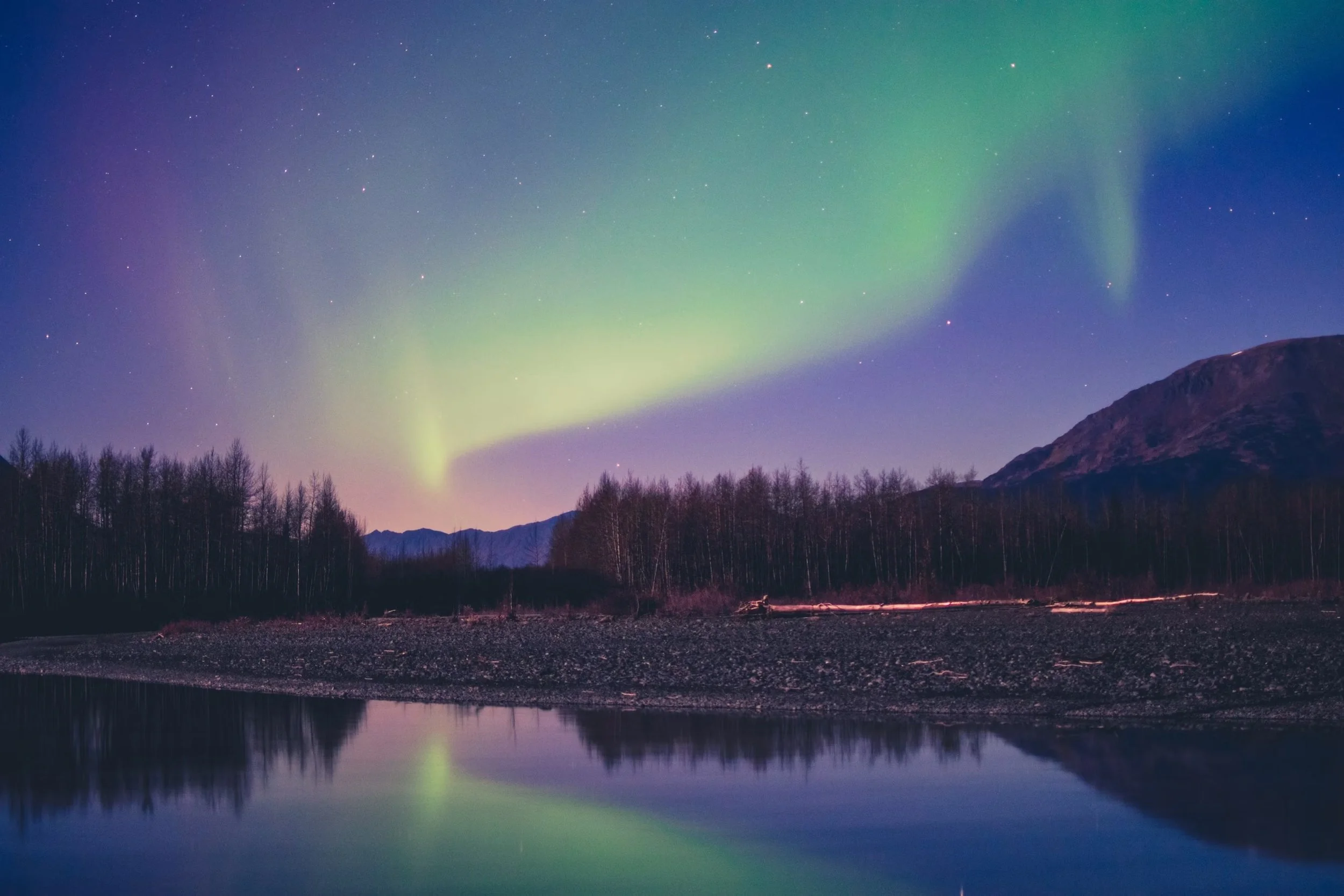
Day 1: Arrive in Anchorage
Morning and Afternoon
Most international and domestic flights land in Anchorage, so your first day is really about arriving, settling in, and shaking off the travel. Anchorage isn't a huge city, but it has a genuinely walkable downtown, a solid food scene, and easy access to trails right from the edge of town. If your flight gets you in early enough, the Tony Knowles Coastal Trail is a great way to stretch your legs and get your first look at the mountains ringing the city.
Evening
Spend the evening exploring downtown Anchorage at a relaxed pace. This is also a good time to pick up any last-minute gear you might need for the week, whether that's rain layers, hiking boots, or bug spray, since outfitters here are well stocked and used to helping travelers gear up for exactly this kind of trip. Get to bed early if you can. Day two involves a fair amount of driving.
Day 2: Drive The Kenai Peninsula To Seward
Morning
This is one of the most scenic drives in the entire state, and it's worth leaving Anchorage with a full tank of gas and no fixed schedule. The Seward Highway hugs the edge of Turnagain Arm for the first stretch, with mountains rising straight out of the water on one side and enormous tidal flats on the other. Keep an eye out for beluga whales in the inlet and Dall sheep on the cliffs above the road, both of which show up here with more regularity than most first-time visitors expect.
Afternoon
As you continue onto the Kenai Peninsula, there are a handful of worthwhile stops that don't require much of a detour, including wildlife viewing areas and short trails with waterfalls or overlooks. The Kenai Peninsula is where a lot of this itinerary's best moments happen, and the drive down alone gives you a strong sense of why. Plan on a few hours of driving with stops mixed in rather than trying to make it in one straight shot.
Evening
Arrive in Seward by early evening and take some time to walk the harbor. Seward sits at the edge of Resurrection Bay, surrounded by mountains that seem to drop straight into the water, and it's a genuinely pretty place to spend a quiet evening after a day of driving.
Day 3: Kenai Fjords Wildlife Cruise
Morning
Day three is built around a boat tour into Kenai Fjords National Park, and it's one of the days I tell clients not to skip. Kenai Fjords is largely inaccessible by road, so a cruise is really the only practical way to see the heart of the park in a single day. Most tours depart from Seward's harbor in the morning and spend several hours winding through the fjords.
Afternoon
This is where the wildlife viewing really shines. It's common to see sea lions hauled out on rocky outcroppings, sea otters floating on their backs near the shoreline, and puffins darting along the cliffs. Depending on the season and the route, you've also got a real chance at spotting humpback whales or orcas. Many tours also cruise up to a tidewater glacier, where you can watch and hear chunks of ice calving off into the water, which is an experience that photos genuinely don't do justice.
Evening
Back in Seward by late afternoon or early evening, this is a good night to keep things low-key. You'll likely be tired from a full day on the water, and tomorrow starts with more time on your feet.
Day 4: Exit Glacier And Kenai Peninsula Exploration
Morning
Exit Glacier is one of the few glaciers in Alaska you can walk right up to without a boat or a plane, which makes it a must for a 7 Days In Alaska Itinerary that's working with limited time. The trail out to the glacier is well maintained and manageable for most fitness levels, and interpretive signs along the way mark how far the glacier has retreated over past decades, which is a striking visual on its own. For a longer, more strenuous option, the Harding Icefield Trail climbs well above Exit Glacier for sweeping views of the icefield that feeds it, though that hike is a full-day commitment on its own.
Afternoon
With the rest of the day open, this is a good opportunity to explore more of what the Kenai Peninsula has to offer based on your own interests. Some travelers spend the afternoon kayaking on the bay, others head out fishing, and some simply take a slower pace and explore Seward's small museums and galleries. This flexibility is part of why I like building an open afternoon into the itinerary rather than overscheduling every hour.
Evening
Use this evening to say goodbye to the coast, since tomorrow the itinerary turns north toward the interior and a very different landscape.
Day 5: Travel North Toward Denali
Morning
Day five is a travel day, retracing the route back through the Kenai Peninsula and Anchorage before continuing north. It's a long drive, so an early start makes a real difference in how much daylight you have left for stops along the way.
Afternoon
The drive north from Anchorage toward Denali passes through increasingly dramatic scenery, with the Alaska Range coming into view on clear days. Talkeetna makes a natural stopping point roughly halfway, a small town with a walkable center that's worth an hour or two if you need to stretch your legs and grab a bite before continuing on.
Evening
Arrive near the entrance to Denali National Park in the evening. Since summer daylight in this part of Alaska stretches well into the night, you'll likely still have plenty of light left to settle in and get oriented before the next day's activities.
Day 6: Denali National Park
Morning
Denali is one of only two national parks on this itinerary, and it's structured very differently from the coastal parks you've experienced so far. Private vehicles are restricted past a certain point on the park road, so the best way to see the interior is through a guided bus tour, which gives you a far better shot at spotting wildlife than driving yourself would anyway. Morning tours tend to have calmer weather and better odds of catching Denali itself out from behind the clouds, since the mountain famously makes its own weather and is only fully visible about a third of the time.
Afternoon
Depending on how far your tour travels into the park, afternoons often bring sightings of grizzly bears, caribou, moose, and Dall sheep against a backdrop of open tundra that feels completely different from anything on the coast. This is also a good afternoon to build in a shorter trail near the park entrance if you want to stretch your legs after time on a bus.
Evening
With daylight lasting so late in this part of Alaska during summer, evenings here can feel almost endless. It's worth stepping outside after dinner just to take in how different the light looks this far north, especially if the sky has cleared and Denali is visible in the distance.
Day 7: Return To Anchorage And Depart
Morning
Your final day is built around the drive back to Anchorage, which typically takes several hours depending on how many stops you make along the way. If your flight schedule allows for it, this drive offers one more chance to catch wildlife or scenery you might have missed on the way north. Otherwise, I usually advise to stay the night in Anchorage prior to departure to ensure a quick and easy morning.
Afternoon And Departure
Depending on your flight time, you may have a few hours left in Anchorage to pick up last-minute gifts, grab a final meal, or simply decompress before heading to the airport. It's a fitting bookend to a week that's covered an enormous amount of ground, from coastal fjords and tidewater glaciers to interior tundra and some of the best wildlife viewing in the country.
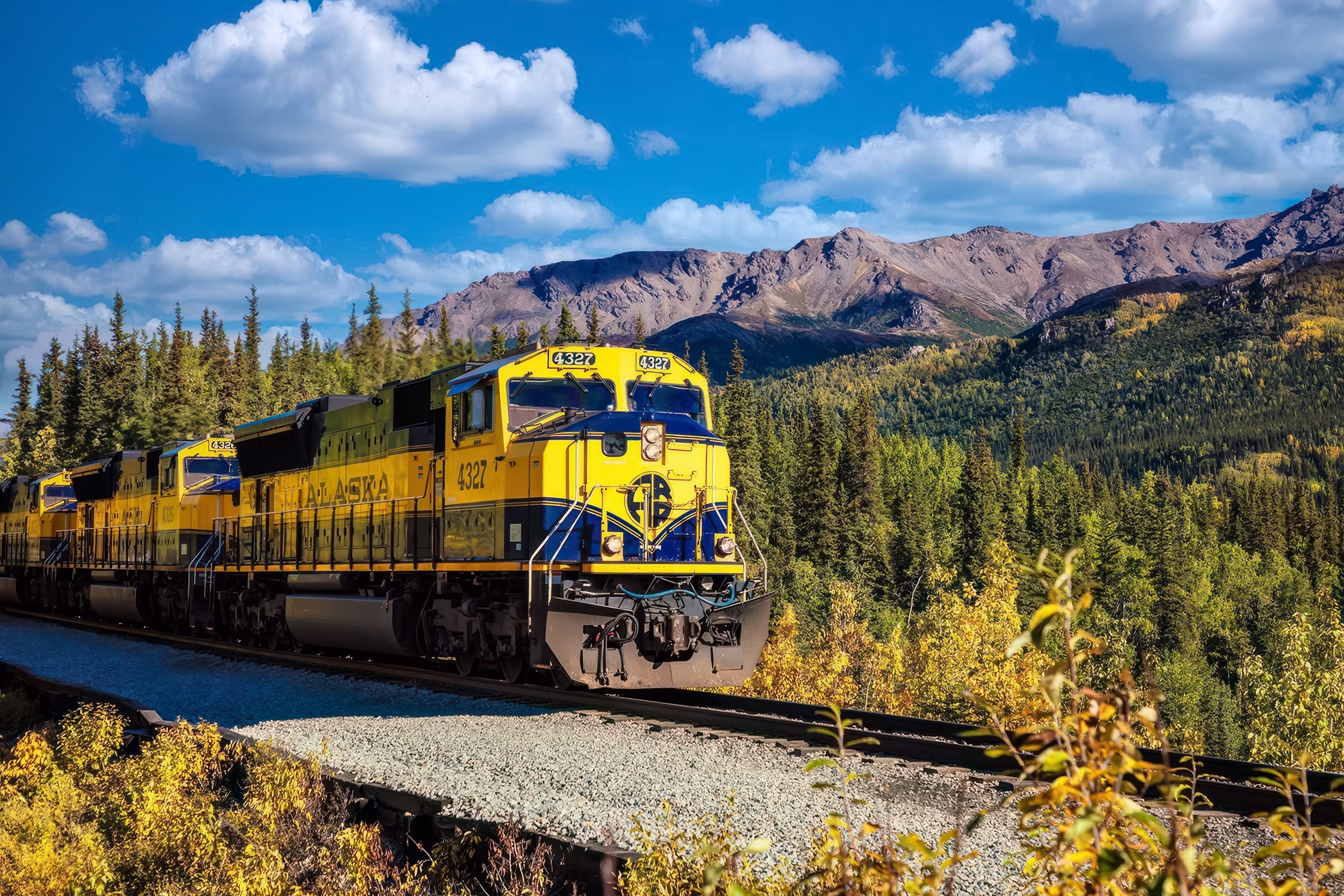
A week in Alaska moves fast, but with the right structure, it doesn't have to feel rushed. This itinerary is designed to hit the destinations that make Alaska genuinely unforgettable, the Kenai Peninsula's coastline, the wildlife and glaciers of Kenai Fjords, the accessibility of Exit Glacier, and the wide open scale of Denali, while still leaving room to slow down and actually take it in. If you'd rather have someone else handle the logistics, timing, and all the small details that make a trip like this run smoothly, that's exactly the kind of planning I do for clients every season.