Prague, Vienna, Budapest Itinerary for 10 Days
Prague, Vienna, and Budapest have been paired together on itineraries for so long that it is easy to forget how well matched they actually are. Three capital cities, three distinct countries, three completely different personalities, and yet the whole route flows together almost effortlessly once you are on the ground. Prague brings Gothic spires and cobblestone lanes that feel pulled from a fairy tale, Vienna brings imperial grandeur and coffeehouse culture, and Budapest brings thermal baths, river views, and a grittier, more bohemian energy. Put them together over ten days and you get one of the most rewarding trips in Europe.
The tricky part is figuring out how to actually divide your time. Ten days sounds generous until you start mapping out three cities worth of castles, museums, and neighborhoods, and clients ask me constantly how to strike that balance without feeling rushed in any one place. I have spent years building custom luxury itineraries for travelers heading through this exact route, and the trip works best when you resist the urge to cram in too much and instead let each city breathe.
This guide walks through a sample ten day itinerary for Prague, Vienna, and Budapest, along with how to get between each city and how to think about splitting your time. Keep in mind this is only a sample. Every trip we plan is custom and curated around the client, so think of this as a framework to build from rather than a fixed plan.
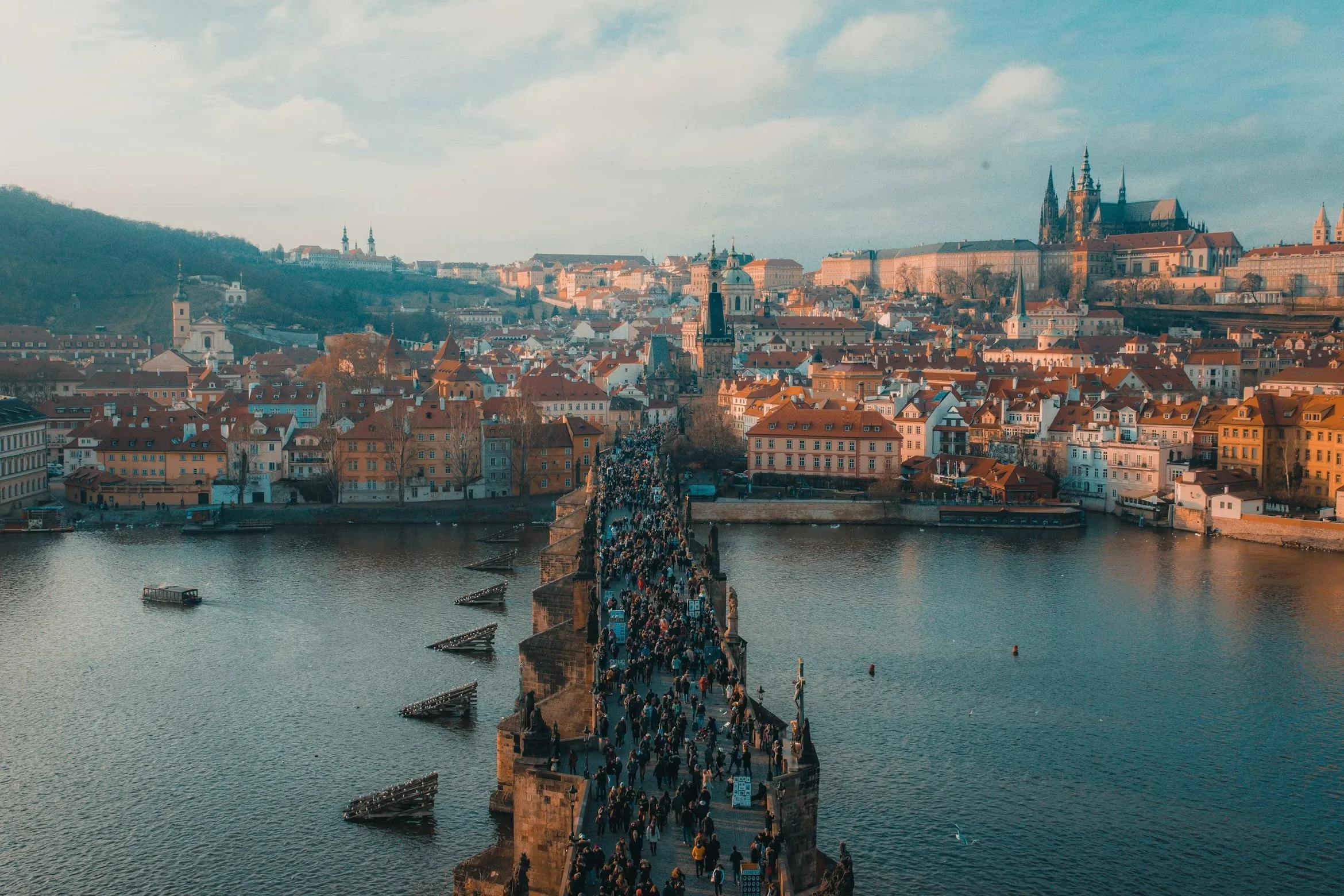
Prague,Vienna, Budapest Itinerary for 10 Days: How To Structure Your Trip
The most logical way to run this trip is west to east: start in Prague, take the train down to Vienna, then continue on to Budapest before flying home. Running it in reverse works too, but starting in Prague tends to make more sense logistically, since it has strong direct flight connections and pairs naturally with the onward train journey through the rest of Central Europe.
These three cities work well together partly because of geography and partly because of contrast. Prague, Vienna, and Budapest are each the capital city of their own country, sitting close enough that train travel between them is easy and genuinely scenic. At the same time, Prague's medieval core, Vienna's Habsburg era boulevards, and Budapest's split personality across the Danube each feel like a different chapter of European history, so nothing about the trip feels repetitive or redundant.
This itinerary tends to suit travelers who want a real, deep introduction to Central Europe: couples celebrating a honeymoon or anniversary, first time visitors who want to see major cities without juggling too many logistics, and history or architecture lovers who would rather go deep in three places than skim the surface of five. It is also a favorite for honeymooners specifically. When we build trips for clients around a wedding celebration, Prague, Vienna, and Budapest consistently come up as some of the best honeymoon destinations in Europe, and it is easy to see why once you have walked Charles Bridge at sunset or watched the Hungarian Parliament Building light up over the Danube at night.
For a ten day trip, the traditional split leans slightly toward Prague and Vienna before finishing in Budapest, though there is plenty of room to adjust depending on what you care about most. Below is a sample structure of how we might lay out those ten days, though we would always build the final version around your travel dates, energy levels, and interests.
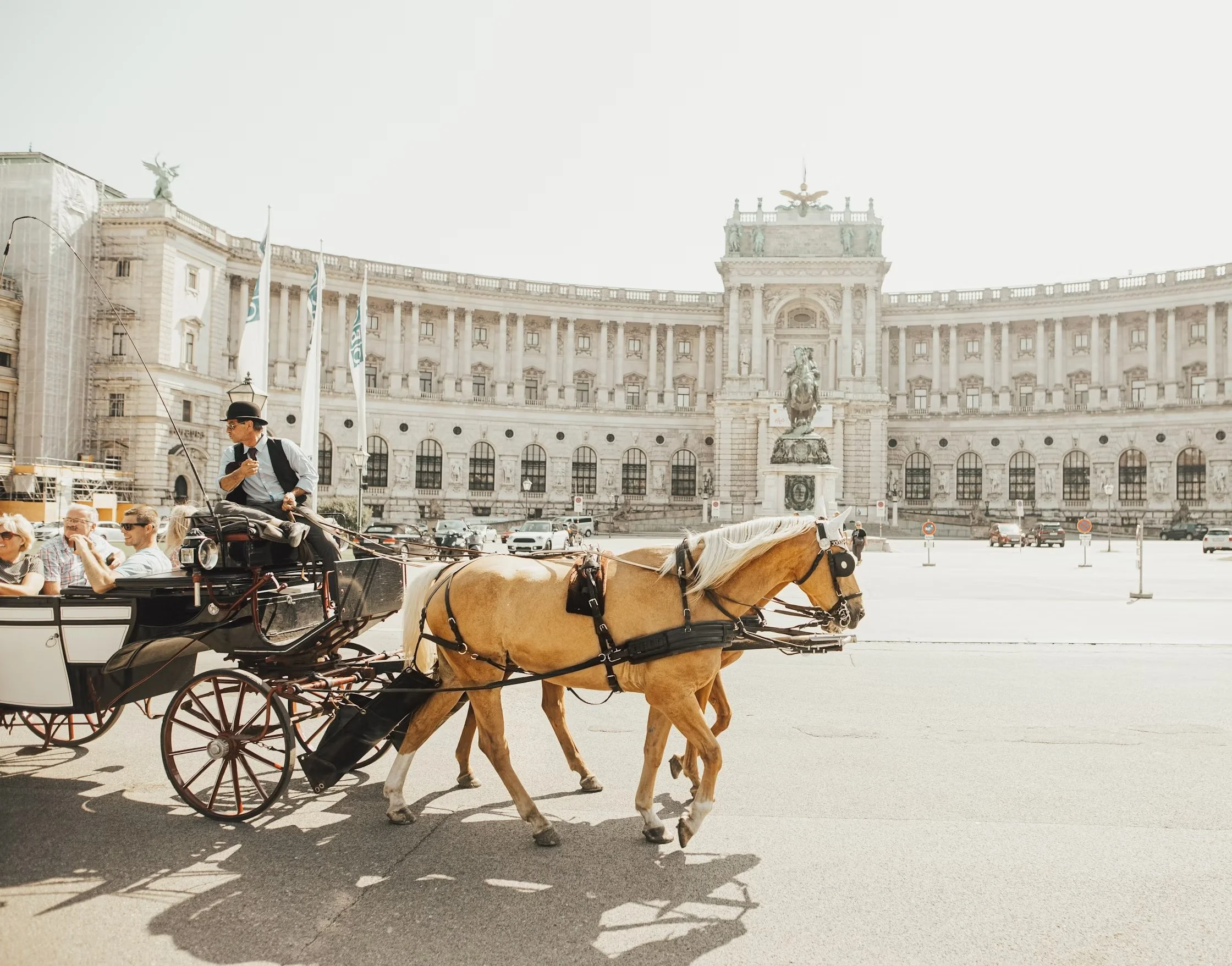
Day 1: Arrival in Prague
Settling Into The City Of Prague
Most trips start with a flight into Prague, so we typically build the first day around rest rather than a packed schedule. After landing and getting settled, we like to leave the afternoon open so jet lag does not eat into the days you actually want to be sharp for.
A First Evening Walk
Once you have had a chance to rest, an easy evening walk is the best way to get oriented. Prague's old center is compact and walkable, and even a short loop past lit up spires and quiet side streets gives you a feel for the city before the busier sightseeing days begin.
Day 2: Prague Castle And Charles Bridge
Morning At Prague Castle
Day two is where Prague really opens up. We usually start the morning at Prague Castle, which is less a single building and more a sprawling complex of courtyards, cathedrals, and gardens that has anchored the city for over a thousand years. Arriving early avoids the biggest crowds and gives you the best light for photos over the rooftops below.
Crossing Charles Bridge Into Old Town
From the castle, it is a scenic walk down toward the river and across Charles Bridge, lined with statues and usually filled with musicians and street artists. This is one of those experiences that lives up to the hype, and we always build in enough time here that you are not rushing across just to check it off a list.
Old Town Square In The Evening
On the other side of the bridge, Old Town Square is the heart of Prague, anchored by the astronomical clock and ringed by pastel colored buildings. A walking tour through this part of the city is worth doing on this day, since a good guide can point out details in the architecture and history you would otherwise walk right past. We usually leave the evening open for a relaxed dinner somewhere in this part of town square life.
Day 3: A Day Trip From Prague
Exploring Beyond The City
Prague makes a great home base for a day trip into the surrounding Czech Republic countryside. Smaller towns within reach make for a peaceful change of pace from the city, and several of them count among the underrated european destinations that most first time visitors never make it to. Depending on your interests, this could mean a fairy tale river town, a historic mining town with an ossuary, or a quieter stretch of countryside dotted with vineyards and castles.
Back In Prague For The Evening
We usually plan the return trip so you are back in Prague by early evening, which leaves time to revisit a neighborhood you liked or simply relax before the next leg of the trip. This is also a good night to keep things low key, since day four involves travel.
Day 4: Traveling From Prague To Vienna
A Final Morning In Prague
With most of the major sights already covered, the morning of day four is a good time for anything you did not get to earlier, whether that is a specific museum, a particular church, or simply more time wandering the lanes around the castle district.
The Train Ride From Prague To Vienna
From Prague, the train to Vienna takes roughly four hours and is a genuinely pleasant ride through the countryside. We always recommend booking a midday departure rather than an early morning one, since it protects your last Prague morning and still gets you into Vienna with enough travel time left in the day to settle in and explore a little before dinner.
Arriving In Vienna
Once you arrive, we like to keep the first evening simple: check in, get oriented, and take an easy walk near the city center to start getting a feel for how different Vienna's atmosphere is from Prague's. The shift from medieval alleys to wide imperial boulevards is immediate and honestly a little startling in the best way.
Day 5: Exploring Imperial Vienna
Hofburg Palace And The City Center
Day five is built around Vienna's imperial core. The Hofburg Palace complex, once the seat of the Habsburg monarchy, anchors this part of the city and gives a strong first impression of just how grand Vienna's architecture is.
A Walking Tour Through Central Vienna
A walking tour is one of the best ways to understand Vienna's layout, since the city center is organized around the Ringstrasse, the grand boulevard that circles the historic core. A good guide will help connect the dots between the palaces, opera house, and museums that line this route, most of which are easy to miss the significance of on your own.
Evening At A Viennese Coffeehouse
Vienna's coffeehouse culture is worth building an evening around. These are not quick coffee stops but proper institutions, some of them centuries old, where you are meant to linger over a slice of cake and a newspaper. It is a slower, more deliberate pace than most cities offer, and it fits Vienna perfectly.
Day 6: Vienna's Landmarks And Gardens
The Parliament Building And Ringstrasse Architecture
Continuing along the Ringstrasse, the Austrian Parliament Building is one of the most striking stops on this stretch, with its Greek Revival columns and dramatic facade. Even without going inside, it is worth slowing down here to take in the scale of the architecture along this entire boulevard.
Schönbrunn Palace And Gardens
In the afternoon, Schönbrunn Palace and its gardens make for a slower, more expansive contrast to the density of the city center. The grounds alone are worth a few hours, and on a clear day the gardens are one of the most pleasant places in Vienna to slow down.
Optional Day Trip Into The Countryside
For travelers who want a change of scenery, a day trip into the Wachau Valley or another nearby wine region is a nice option to swap in here, especially for anyone who enjoyed the countryside excursion earlier in the trip from Prague.
Day 7: Traveling From Vienna To Budapest
A Final Morning In Vienna
Like the earlier transition day, we keep this morning light, whether that means one last coffeehouse visit or a final walk through a neighborhood you want to see again before moving on.
The Train Ride From Vienna To Budapest
This is the easiest connection of the whole trip. The train from Vienna to Budapest takes about 2.5 hours, with frequent departures throughout the day, which gives you a lot of flexibility in planning transfers around sightseeing rather than the other way around.
Your First Evening After You Arrive In Budapest
Once you arrive in Budapest, the shift in energy is noticeable almost immediately. The city has a rougher, more layered feel than Vienna, with grand architecture sitting right alongside crumbling facades and ruin bars. We usually leave this first evening open for an easy dinner and a walk along the river to take in the change of scenery.
Day 8: Castle Hill And The Buda Side
Exploring Buda Castle
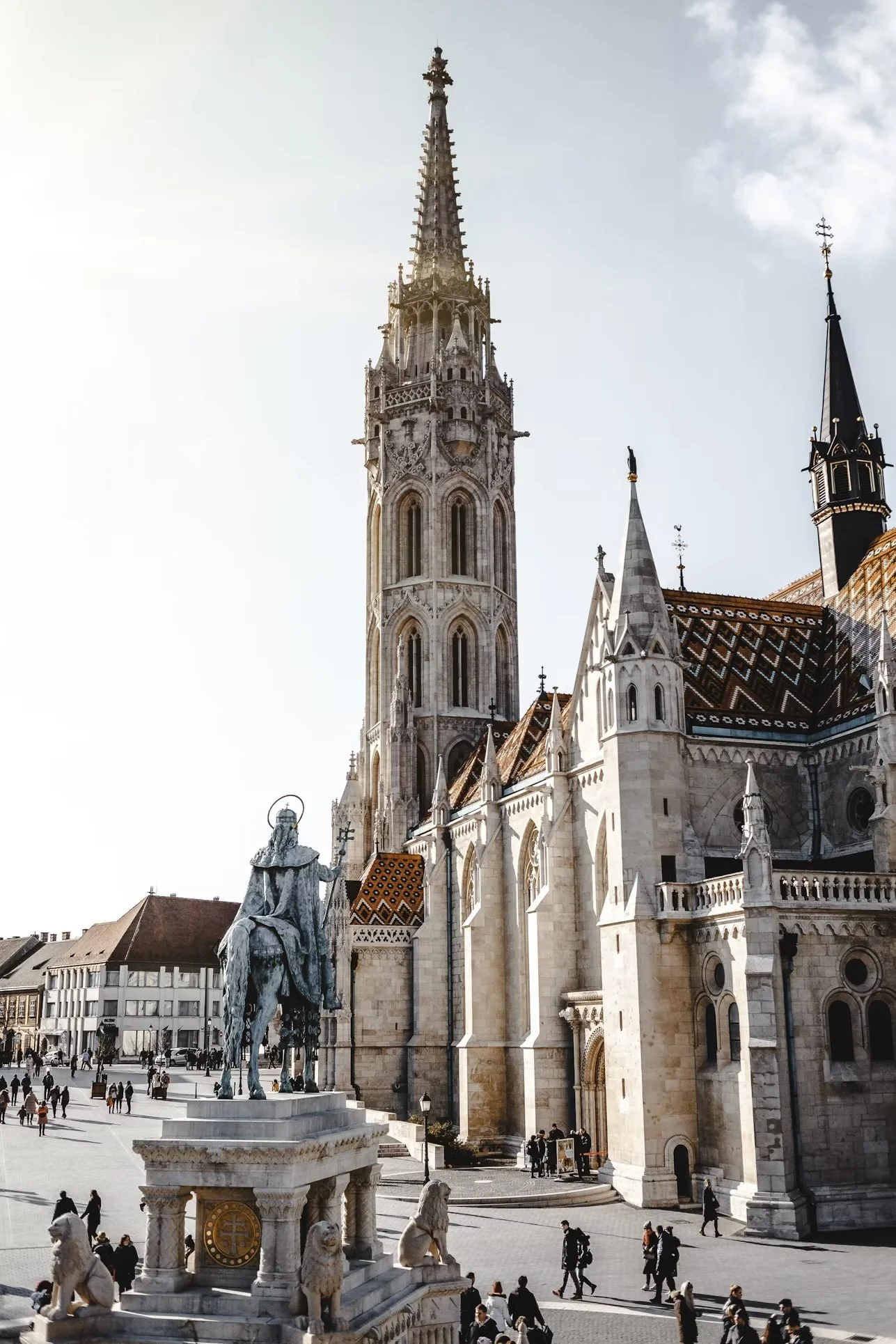
Budapest is really two cities split by the Danube, and day eight is dedicated to Buda, the quieter, hillier side. Buda Castle sits at the top of Castle Hill and anchors the whole district, with sweeping views back across the river toward Pest.
A Walking Tour Of Castle Hill
The streets around Castle Hill are worth exploring slowly, and a walking tour here is particularly useful, since much of the district's history connects back to centuries of shifting Ottoman and Habsburg rule that is not always obvious just by looking at the buildings.
Fisherman's Bastion At Sunset
We almost always time the end of this day around sunset, since the views from this part of Castle Hill over the Parliament Building and the river are some of the best in the city.
Day 9: A Full Day In Budapest
The Hungarian Parliament Building
Your one full day in Budapest on the Pest side of the river usually starts with the Hungarian Parliament Building, one of the largest and most photographed government buildings in Europe. Seeing it up close after admiring it from across the river the evening before tends to be a highlight for most travelers.
Andrássy Avenue And The Town Square
From there, Andrássy Avenue leads through some of Budapest's grandest architecture toward Heroes' Square, with smaller squares and a lively town square feel along the way that make for good wandering between stops.
Evening At The Thermal Baths
No trip to Budapest is complete without an evening at the thermal baths, a tradition that goes back to Roman and Ottoman times. It is a relaxing, slightly surreal way to close out your main sightseeing in the city, and a nice contrast after a day spent mostly on foot.
Day 10: Departure From Budapest
A Final Morning
We keep the last morning flexible, whether that means revisiting a favorite spot, picking up a few last souvenirs, or simply enjoying a slow breakfast before heading to the airport.
Heading Home
Ten days after landing in Prague, most travelers leave Budapest already thinking about when they can come back. Three capital cities, three very different atmospheres, and enough contrast between them that the trip never feels repetitive from start to finish.
How To Get From Prague To Vienna To Budapest
Getting between these three cities is one of the easiest parts of planning this trip, and it is a big part of why the route works so well. Here is how we typically recommend approaching each leg:
Prague to Vienna by train: This leg takes roughly four hours and runs through pleasant countryside. It is a comfortable, scenic ride, and far less of a hassle than flying once you factor in airport time on both ends.
Vienna to Budapest by train: This is the shortest and easiest connection at about 2.5 hours, with frequent departures throughout the day, which makes it easy to build your transfer around your sightseeing plans rather than the other way around.
Private car or driver: For travelers who want more flexibility, or who want to add a stop along the way, a private transfer is a comfortable option, though it takes longer than the train and costs more.
Flying between cities: Generally not necessary. With train travel time this short between capital cities, flying rarely saves time once you account for getting to and from the airport.
Planning your transfer timing: We almost always recommend a midday departure over an early morning one. It protects your last morning in the city you are leaving and still leaves enough travel time in the day to settle into the next city before evening.
How To Split Time In Prague Vienna And Budapest
There is no single right way to divide ten days between these three cities, and the ideal split really depends on what you are most excited about. That said, here is the structure we recommend most often as a starting point.
Give Prague A Slight Edge If You Love History
Prague tends to reward extra time more than the other two cities, simply because so much of what makes it special is wandering rather than checking off a specific list of sights. If history and architecture are your main draw, four nights here instead of three is worth considering.
Balance Vienna And Budapest Evenly For A First Trip
For a first time visit, we usually recommend keeping Vienna and Budapest close to even, around three nights each. This gives you enough time to see the major landmarks in both without feeling like either city was an afterthought.
Extend Budapest If Thermal Baths And Nightlife Matter To You
If you are especially drawn to the thermal bath culture or Budapest's nightlife scene, it is easy to shift an extra night here from elsewhere in the trip. Budapest tends to be the city clients most often wish they had built in more time for.
Consider Running The Route In Reverse
If your flights work out better starting in Budapest, the same logic applies in reverse. A Budapest Vienna start still gives you the same easy train connections, and the Vienna Prague leg at the end works exactly the same way, just in the opposite direction. The split between cities matters more than which direction you travel.
As with everything above, this is only a sample framework. Every itinerary we build for Prague, Vienna, and Budapest gets customized around the traveler, whether that means shifting nights between cities, adding a countryside stop, or building in more downtime along the way. If this route sounds like the trip you have been picturing, it is worth having a real conversation about how to shape it around your own travel style.