Adventure Travel In Costa Rica
Costa Rica has earned its reputation as one of the world’s most exciting adventure travel destinations, and as a luxury travel consultant who has planned countless journeys here, I can confidently say the hype is well deserved. Few countries pack so much diversity into such a compact footprint. In a single trip, you can soar above cloud forests, hike lava-strewn volcanic slopes, raft roaring rivers, surf world-class breaks, and unwind on pristine beaches all while surrounded by extraordinary biodiversity. Costa Rica’s geography shifts dramatically from region to region: misty mountains, dense rainforests, fertile valleys, wild Pacific coastlines, and tranquil Caribbean shores. Each destination offers its own distinct character, activities, and wildlife encounters. Add to that a strong conservation ethic; nearly 30% of the country is protected land and Costa Rica becomes a playground for adventure travelers who value both excitement and sustainability.
Adventure Travel in Costa Rica
If you are dreaming of an action-packed escape that balances adrenaline with comfort, Costa Rica adventure travel delivers on every level. In the sections that follow, I will walk you through what makes this destination so special for adventure seekers and how to begin planning a trip that aligns with your interests, energy level, and expectations. Think of this as the foundation for a thoughtfully curated journey, one that blends thrilling experiences with seamless logistics and well-placed luxury.
From a planning perspective, timing matters. The dry season, typically December through April, offers the most predictable weather and is ideal for hiking, volcano exploration, and beach time, making it a worthy addition to my list of best places to travel in winter. Just note, it is also peak travel season so prices and crowds may be higher. The green season (May through November) brings lush landscapes, fewer crowds, and excellent river conditions for rafting, with rain usually falling in short afternoon bursts rather than all day. Adventure travelers should also consider internal travel times; while Costa Rica looks small on a map, winding roads and varied terrain mean that smart routing and well-chosen bases are essential. With the right guidance, Costa Rica becomes not just a destination, but a deeply immersive adventure tailored precisely to you.
Is Costa Rica Worth Visiting?
Absolutely! Without question, Costa Rica is worth visiting, and not just once. It stands as one of the premier travel destinations in Central America, offering a rare combination of natural beauty, political stability, safety, and sophisticated tourism infrastructure. Beyond adventure, Costa Rica excels in areas that appeal to a wide range of travelers. Romantic getaways flourish here, with secluded rainforest lodges, adults-only beach resorts, and unforgettable sunset views over the Pacific. The cuisine has evolved far beyond simple staples, with farm-to-table dining, inventive chefs, and an emphasis on fresh, local ingredients like tropical fruits, seafood, and world-class coffee.
What truly sets Costa Rica apart is its authenticity. Despite its popularity, it has retained a strong cultural identity and a genuine warmth that visitors feel immediately. “Pura Vida” is not just a phrase it’s a way of life that reflects optimism, balance, and appreciation for nature. From a practical standpoint, Costa Rica’s proximity to the United States makes it exceptionally appealing. Many major U.S. cities offer nonstop flights to San Jose and Liberia, often under five hours, allowing travelers to maximize vacation time without the fatigue of long-haul journeys. For those seeking adventure without sacrificing comfort, culture, or ease of access, Costa Rica is an exceptional choice.
Adventure Tourism in Costa Rica
Adventure tourism is not an afterthought in Costa Rica it is a cornerstone of the country’s identity and economy. The Costa Rican government has long recognized tourism as a vital industry and has invested heavily in infrastructure, conservation, and sustainable development. This commitment is evident in well-maintained national parks, clearly marked trails, certified guides, and strict safety standards for adventure activities. Adventure tours and operators are regulated, and many experiences require professional licensing, ensuring a high level of reliability and security for travelers. Working with a certified travel advisor reinforces these standards and guarantees travelers the highest quality of service and attention to detail.
Equally important is how welcoming Costa Rica is. Locals, known as Ticos, take great pride in sharing their country and are deeply knowledgeable about its ecosystems. Safety is another key factor; Costa Rica consistently ranks as one of the safest countries in the region, making it ideal for families, solo travelers, and couples alike. For adventure travelers, this means you can focus on the experience—whether it’s rappelling down a waterfall or navigating Class III rapids without unnecessary concern. Costa Rica has mastered the balance between thrill and trust, allowing visitors to push their boundaries in a supportive, well-organized environment.
Adventurous Things to Do in Costa Rica
Zip-lining and Walking Hanging Bridges Through the Cloud Forests
Zip-lining in Costa Rica is not a novelty, it’s an art form. Nowhere is this more evident than in the cloud forests of Monteverde and the Arenal region, where misty canopies and dramatic elevation changes create ideal conditions for soaring through the treetops. Modern zip-line courses here are designed for both thrill and immersion, often featuring long cables, Superman-style lines, and panoramic views of the forest below. As an insider tip, choose early morning tours when clouds are low and wildlife is most active; it’s not uncommon to spot toucans or monkeys mid-flight.
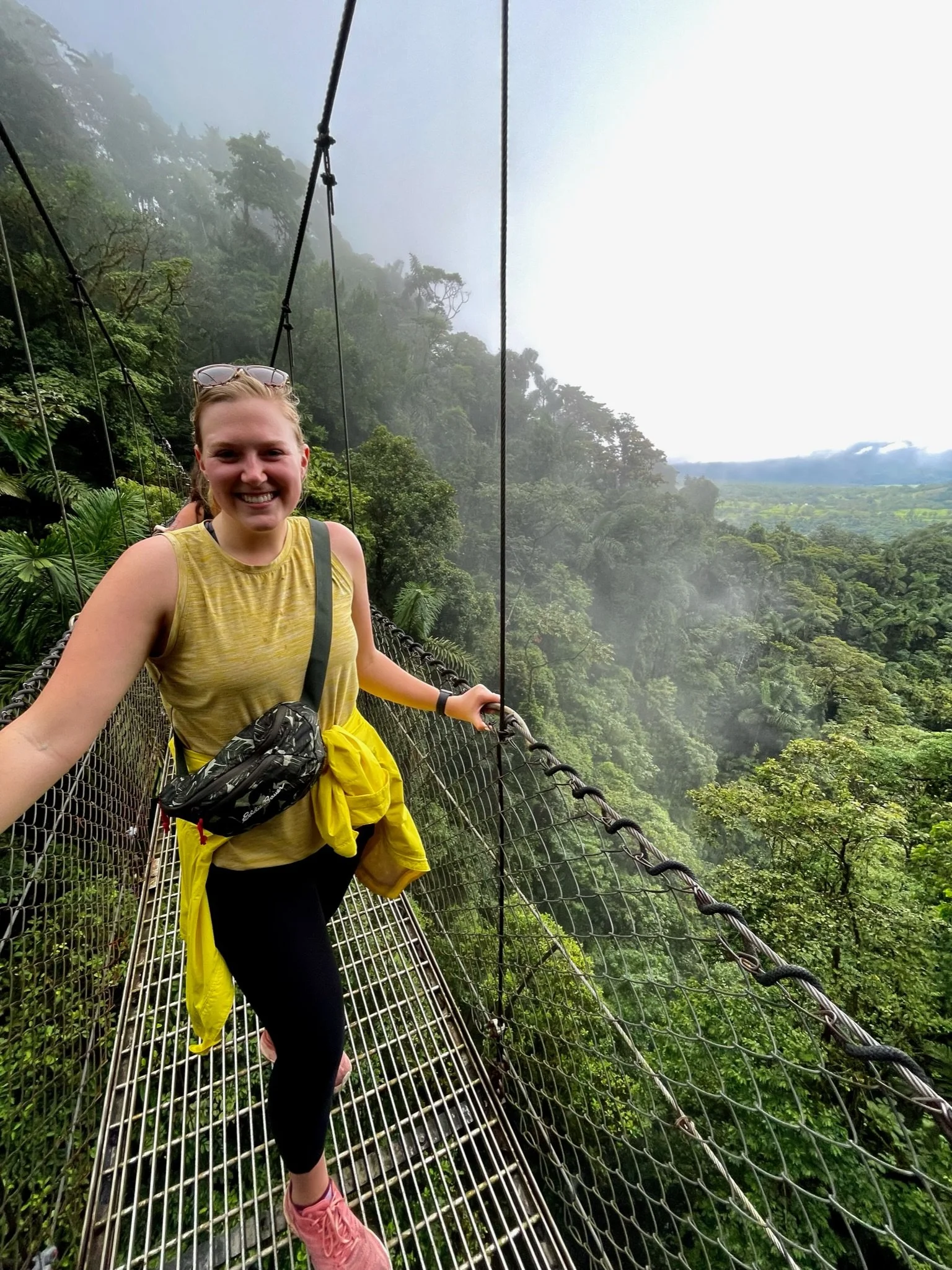
Hanging bridges offer a complementary, slower-paced adventure. These suspended walkways allow you to explore the canopy at eye level, guided by naturalists who point out orchids, birds, and hidden wildlife. The combination of zip-lining and bridges provides a complete understanding of the cloud forest ecosystem; one from adrenaline-filled heights and another from a contemplative, educational perspective. Together, they create an unforgettable introduction to Costa Rica’s rich biodiversity.
Hiking Volcanoes and National Parks
Hiking in Costa Rica is as varied as its landscapes. Volcanoes like Arenal, Poás, and Rincón de la Vieja offer trails that wind through lava fields, secondary forests, and thermal areas. Arenal Volcano National Park is particularly rewarding, with paths that showcase both geological history and abundant wildlife. Expect well-maintained trails, interpretive signage, and options ranging from leisurely walks to more strenuous hikes.
Beyond volcanoes, Costa Rica’s national parks are a hiker’s paradise. Corcovado National Park, often described as the most biologically intense place on Earth, offers guided treks where encounters with tapirs, scarlet macaws, and even jaguars are possible. For a smoother experience, permits and guides should be arranged well in advance. This is where expert planning makes all the difference. Hiking here is not about conquering peaks; it’s about deep connection with nature and understanding the delicate balance of these protected ecosystems.
White Water Rafting and Kayaking
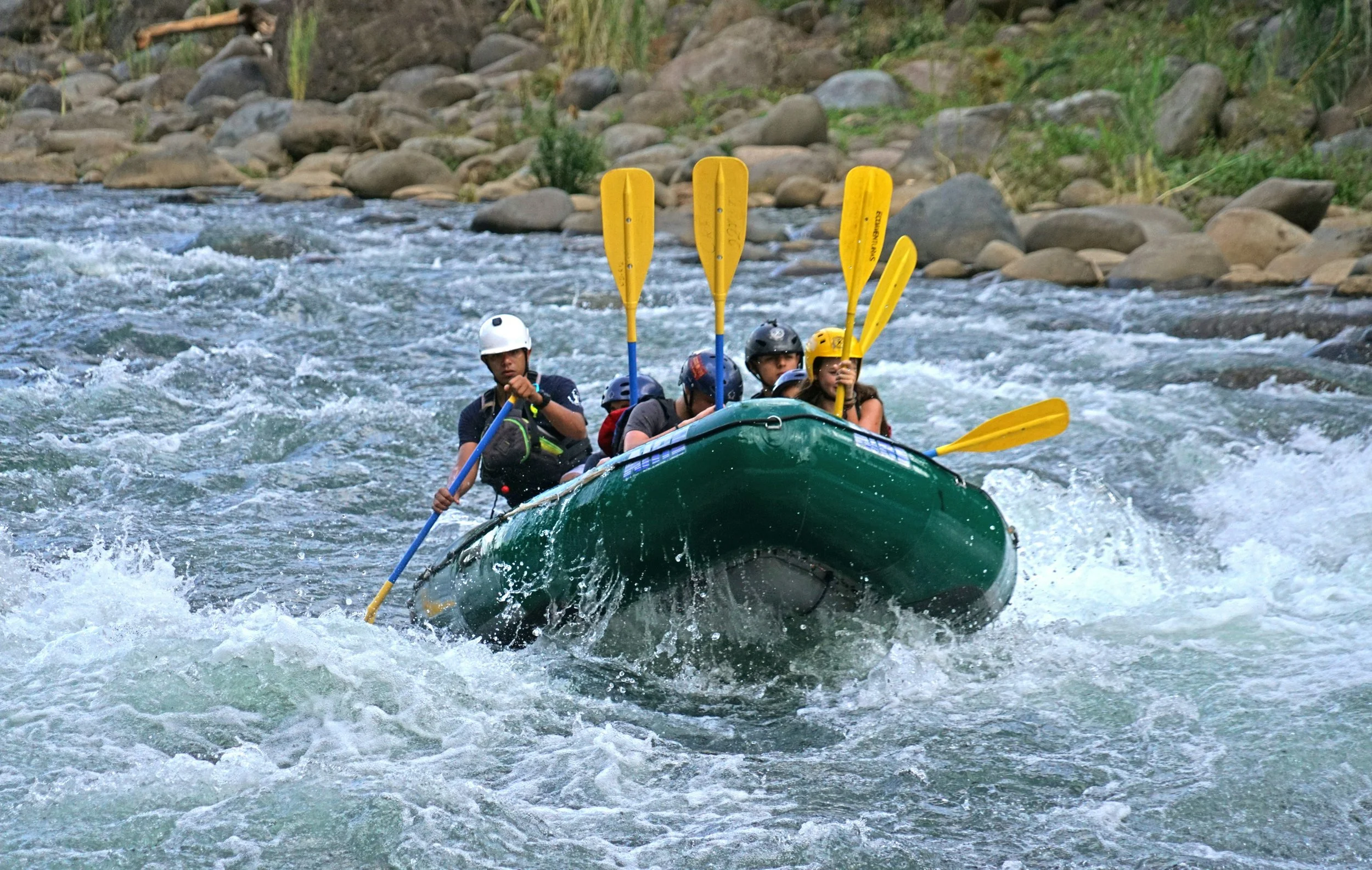
Costa Rica is one of the top white water rafting destinations in the world, thanks to its mountainous terrain and abundant rainfall. Rivers like the Pacuare, Sarapiquí, and Savegre offer experiences ranging from gentle Class II floats to exhilarating Class IV rapids. The Pacuare River is a standout, frequently ranked among the world’s most scenic rafting routes. Rafting here feels like traveling through a living postcard of lush jungle walls, cascading waterfalls, and remote canyons accessible only by river.
Kayaking is also growing in popularity, particularly for experienced paddlers seeking technical runs or multi-day expeditions. Safety briefings are thorough, guides are highly trained, and equipment is top-tier. Even first-time rafters can participate confidently, knowing that Costa Rica’s standards prioritize both fun and security. For adventure travelers, river experiences offer a thrilling yet surprisingly accessible way to see the country from a unique perspective.
Canyoning Waterfalls in Tamarindo
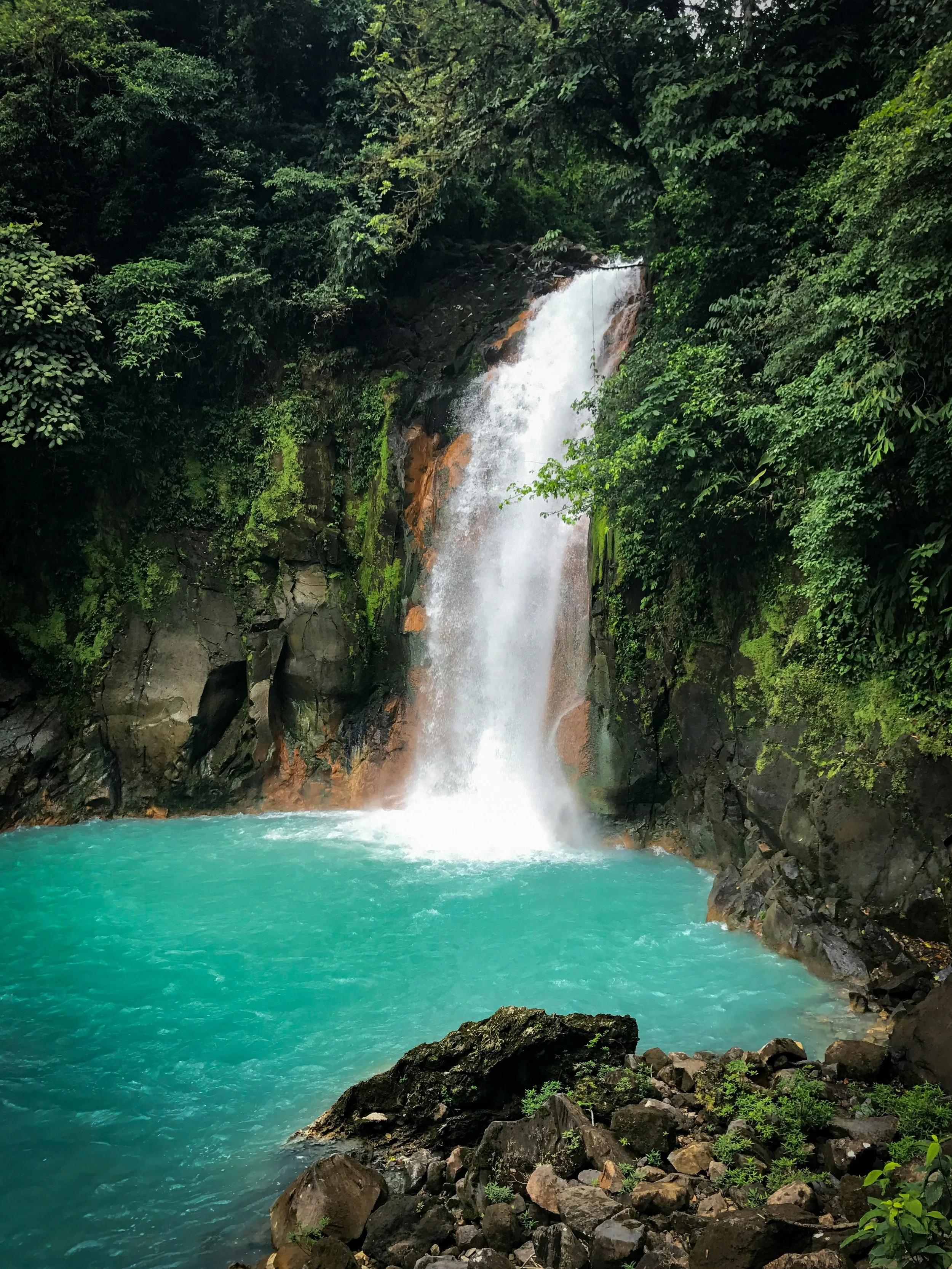
Canyoning, also known as waterfall rappelling, is one of Costa Rica’s most exhilarating and underrated adventures. Near Tamarindo and other parts of Guanacaste, you’ll find canyons carved by centuries of flowing water, creating dramatic drops surrounded by tropical vegetation. These experiences typically involve descending multiple waterfalls using ropes, interspersed with natural rock slides and refreshing plunge pools.
What makes canyoning here special is its accessibility combined with high adventure. Tours are designed for beginners but still deliver heart-pounding moments, especially as you lean back over a 100-foot waterfall for the first time. Dry-season conditions offer clearer skies, while the green season brings more powerful water flow for a heightened experience. As a consultant, I always recommend pairing canyoning with a beach stay; it’s the perfect contrast of adrenaline and relaxation.
Surfing the Pacific Coast
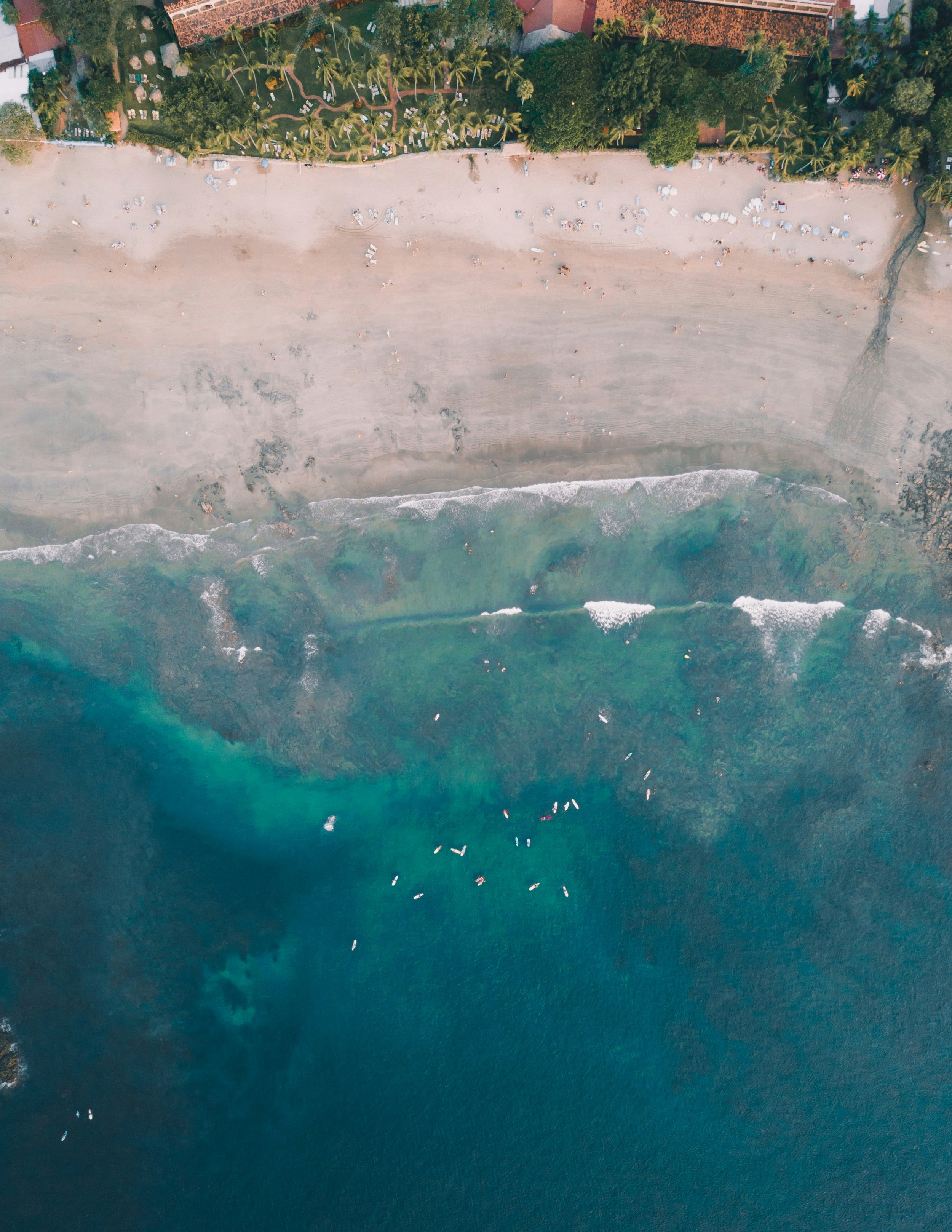
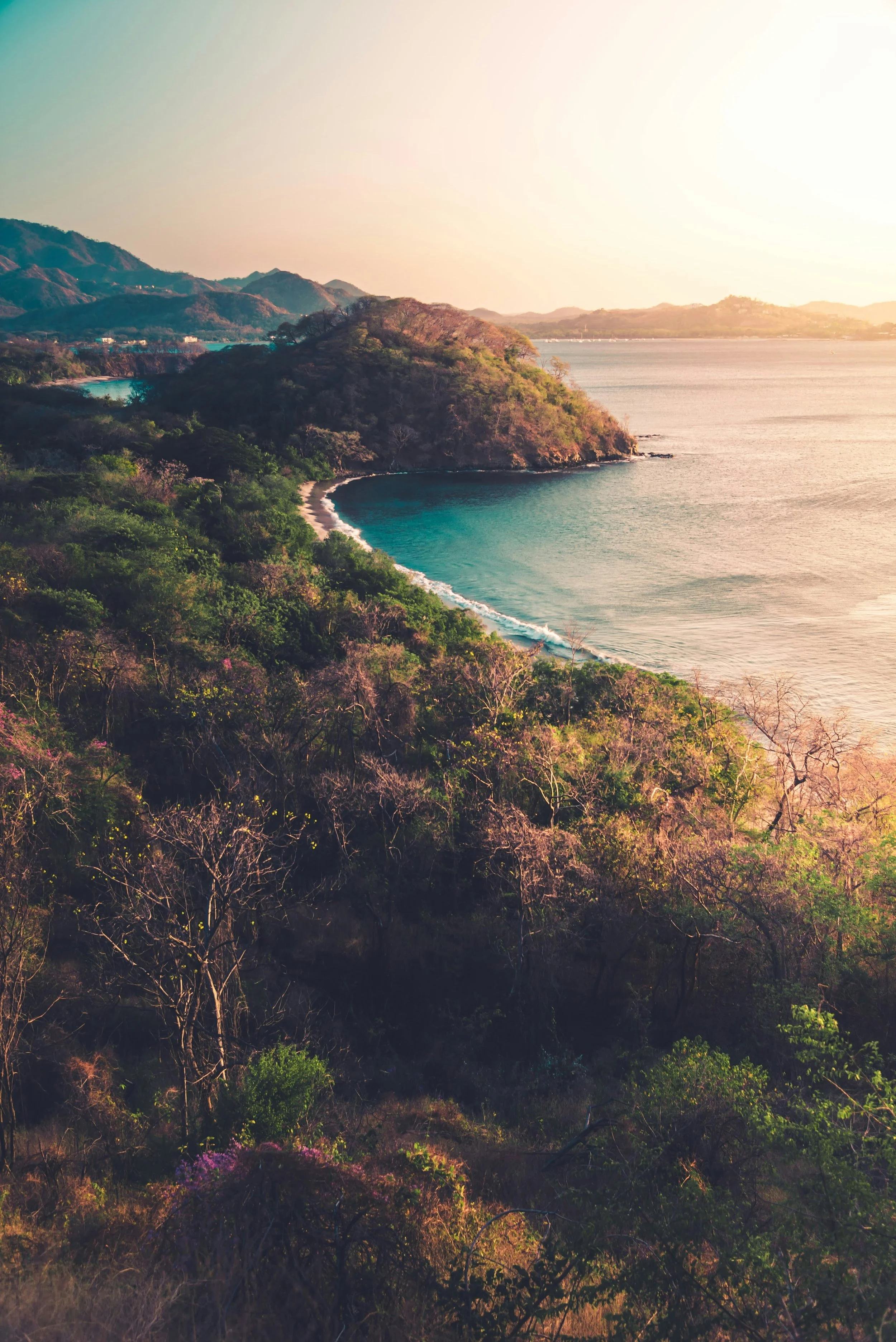
Costa Rica’s Pacific Coast is legendary among surfers, offering consistent swells, warm water, and breaks suitable for every skill level. Tamarindo, Santa Teresa, Nosara, and Dominical are just a few of the hotspots where surf culture thrives. Beginners will appreciate sandy-bottom beach breaks and reputable surf schools, while advanced surfers can chase powerful reef and point breaks.
What elevates surfing in Costa Rica is the setting. Sessions often begin at sunrise, with howler monkeys calling from the trees and pelicans diving offshore. Many luxury resorts now offer in-house surf instructors, board rentals, and even video analysis, allowing travelers to refine their skills without sacrificing comfort. Whether you’re catching your first wave or searching for hollow barrels, Costa Rica’s Pacific Coast delivers a surf experience that feels both authentic and indulgent.
Where to Stay in Costa Rica for Adventure

Arenal
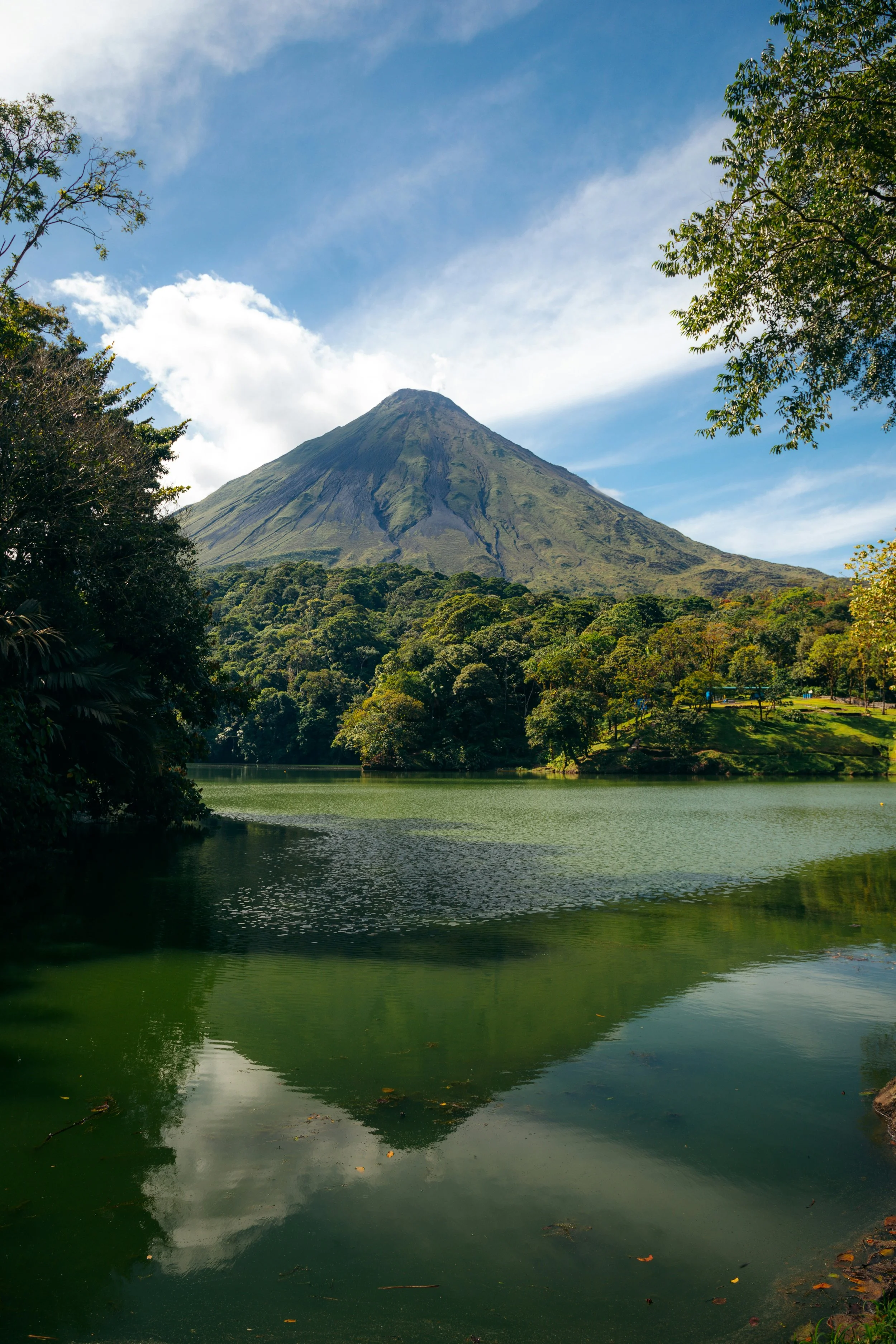
Arenal is one of Costa Rica’s most iconic adventure hubs, located in the northern lowlands near the town of La Fortuna. Dominated by the perfectly conical Arenal Volcano, this region is a dream base for travelers who want a concentration of activities without constant relocation. Hiking, zip-lining, canyoning, white water rafting, and wildlife tours are all within easy reach.
Luxury accommodations here are deeply connected to nature, often featuring private casitas, panoramic volcano views, and naturally heated hot springs fed by geothermal activity. After a day of adventure, soaking in mineral-rich pools surrounded by rainforest is a uniquely Arenal experience. When planning, consider travel time from the airport and build in rest days. Arenal offers so much that pacing is key to enjoying it fully.
Guanacaste
Guanacaste, on Costa Rica’s northwest Pacific coast, is synonymous with sun, surf, and wide-open landscapes. Tamarindo serves as a lively anchor, offering easy access to beaches, surf breaks, and adventure excursions like zip-lining, ATV tours, and canyoning. The region’s drier climate makes it especially appealing during the winter months.
Accommodations range from boutique beachfront hotels to high-end resorts with private villas, spas, and fine dining. Guanacaste is also home to Liberia International Airport, making it one of the most convenient regions to access. Travelers should plan activities early in the day to avoid midday heat and balance high-energy excursions with oceanfront downtime.
Uvita
Located along the southern Pacific coast, Uvita is part of the Costa Ballena region and offers a more off-the-beaten-path adventure experience. This area is known for its dramatic coastline, lush rainforest, and proximity to Marino Ballena National Park, famous for its whale tail-shaped sandbar. Adventure here leans toward nature immersion: waterfall hikes, kayaking, snorkeling, and seasonal whale watching.
Luxury in Uvita is understated but exceptional, often found in hillside lodges and eco-retreats with sweeping ocean views and a strong focus on sustainability. Roads can be rough, and distances feel longer, so careful logistics are essential. For travelers seeking adventure with tranquility and fewer crowds, Uvita is a standout choice.
Nicoya Peninsula
The Nicoya Peninsula offers a rugged, soulful side of Costa Rica that appeals to adventurous spirits. Accessible by road, boat, or small plane, this region includes destinations like Santa Teresa, Nosara, and Montezuma. Surfing, yoga, hiking, and wildlife encounters define the experience, with a strong emphasis on wellness and outdoor living.
Accommodations range from barefoot-luxury eco-lodges to stylish villas perched above the sea. Infrastructure is improving but still rustic in places, which adds to Nicoya’s charm. Planning ahead for transportation and selecting the right base is crucial. For travelers who value authenticity, physical activity, and a slower rhythm between adventures, Nicoya delivers something truly special.
Costa Rica’s diversity is its greatest strength, offering adventure travel opportunities that cater to every interest and energy level. From volcano hikes and roaring rivers to cloud forests and surf-lined beaches, the country invites exploration in countless forms. One of the most rewarding ways to experience Costa Rica is through a thoughtfully planned split stay combining inland adventures like hiking, zip-lining, and rafting with coastal relaxation, surfing, and beachside luxury. With expert planning, Costa Rica becomes more than a vacation; it becomes a journey that energizes, inspires, and connects you deeply to nature. For adventure travelers seeking both excitement and refinement, few destinations in the world compare.
Don't forget to check out our guide for planning a honeymoon in Costa Rica and more solo adventure travel ideas.