Solo Adventure Travel
Let’s take a break from the honeymoon content this week! I've always thought solo travel gets either way too much hype or way too much fear, depending on who's talking about it. The truth sits somewhere in the middle. Going it alone is genuinely one of the best ways to see the world. You answer to nobody. Your itinerary is yours. If you want to spend three hours at a viewpoint because the light is doing something wild, you do it. If the group tour looks boring, you skip it. That kind of freedom is hard to put a price on, and it's pretty much impossible to get when you're traveling with other people.
At the same time, your first solo trip can feel like a lot. Logistics are all on you. Safety decisions are all on you. And if you've ever tried to book a tour or a room as a single traveler, you already know the single supplement is everywhere, quietly making things more expensive at every turn. None of that is a reason to stay home, but it's worth going in with your eyes open.
I've spent years helping clients plan solo travel experiences, and I've seen firsthand how much of a difference good planning makes. So that's what this post is: real tips, honest takes on some of the best destinations for solo travel, and a breakdown of the kinds of adventures that work especially well when you're on your own. Whether you're planning your first solo trip or looking to go further off the beaten path than you have before, there's something here for you.
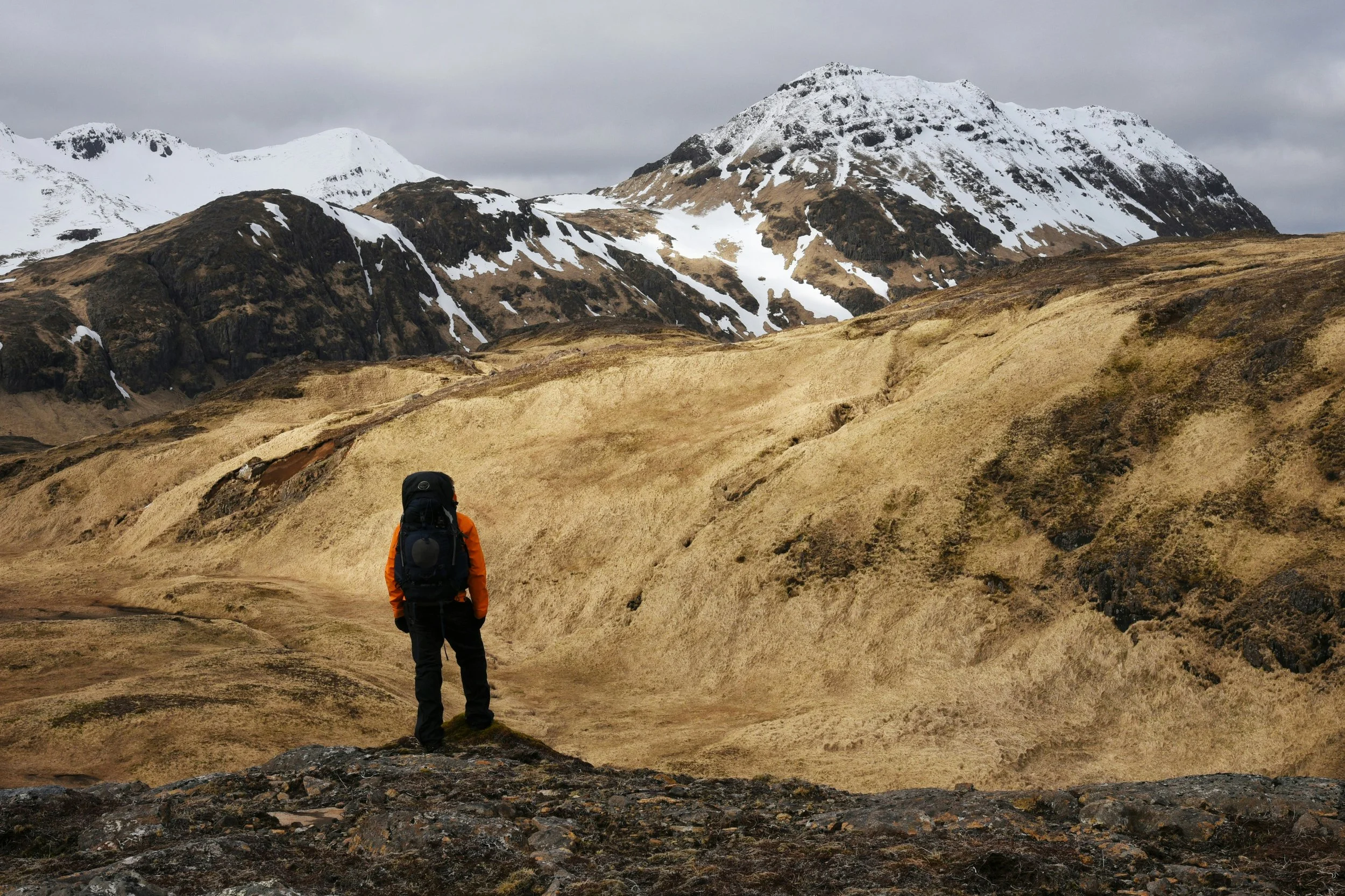
Solo Adventure Travel
Here's something people don't talk about enough: solo adventure travel isn't just a vacation. It's genuinely good for you in ways that are hard to replicate otherwise.
Problem-solving gets sharper. You get better at reading people and situations. You stop second-guessing yourself so much, because there's nobody else to defer to. Solo travellers consistently come back talking about strengths they didn't know they had before they left. That's not a coincidence.
None of that means you have to throw yourself into the deep end on day one. Starting small, picking the right destinations, and planning smart with the backing of travel experts is how solo travelers build real confidence over time, stay safe, and actually have a good time rather than just white-knuckling their way through an adventure vacation.
Why Is Solo Travel Good for You?
Emotional Growth
Solo travel has a way of holding up a mirror. When you strip away the usual social routines and the people who normally surround you, you end up spending a lot of time with yourself, which sounds obvious, but most people don't actually do it very often. Early in a solo trip, that can feel uncomfortable. By the end of it, most people have gotten pretty comfortable with their own company.
Clients tell me this one more than almost anything else. They come back more settled, less reactive, clearer about what they actually want. A well-planned solo travel experience has a way of doing that. You learn to make decisions without needing consensus. You get better at sitting with uncertainty. You stop waiting for everything to feel perfectly safe before you move forward. That's emotional growth in a real, practical sense, not just a travel brochure talking point.
Freedom
This is the one everyone talks about, and for good reason. The freedom single travelers have is genuinely hard to overstate. Your entire day belongs to you. You built in as much or as little free time as you want. You change plans on a whim. You find a trail that wasn't on the itinerary and take it anyway. Nobody is annoyed. Nobody is waiting.
What surprises a lot of people is that this freedom changes how they experience destinations. When you're not filtering everything through group consensus, you start noticing things differently. A place you might have dismissed as a quick photo stop on a group trip becomes somewhere you actually spend time and get to know. Adventure vacations feel more like actual adventures and less like a series of scheduled events.
Cultural Immersion
Traveling alone makes you more approachable. It's that simple. Locals are far more likely to strike up a conversation with a solo traveller than with a large group of people moving through together. Some of the best moments in any solo trip come from conversations that weren't planned, meals that turned into hours-long events, invitations to places you never would have found on your own.
This is also where good local guides make a huge difference. A great guide isn't just a navigator. They're a connector. They know which family runs the best market stall, which neighborhood actually reflects how people live, which stories about a place the guidebooks got completely wrong. Working with local guides as a solo traveler tends to produce unique experiences that you genuinely couldn't have engineered on your own, and the access feels real rather than curated.
Skill-Building
Every solo trip is a crash course in being capable. Navigation, budgeting, communicating across language barriers, figuring out transit systems on the fly, reading people quickly in unfamiliar situations. All of it gets tested in real time, and all of it gets better with practice. People consistently tell me that solo travel made them sharper at their jobs, better at handling conflict, and generally more comfortable dealing with whatever shows up unexpectedly. That's not a small thing.
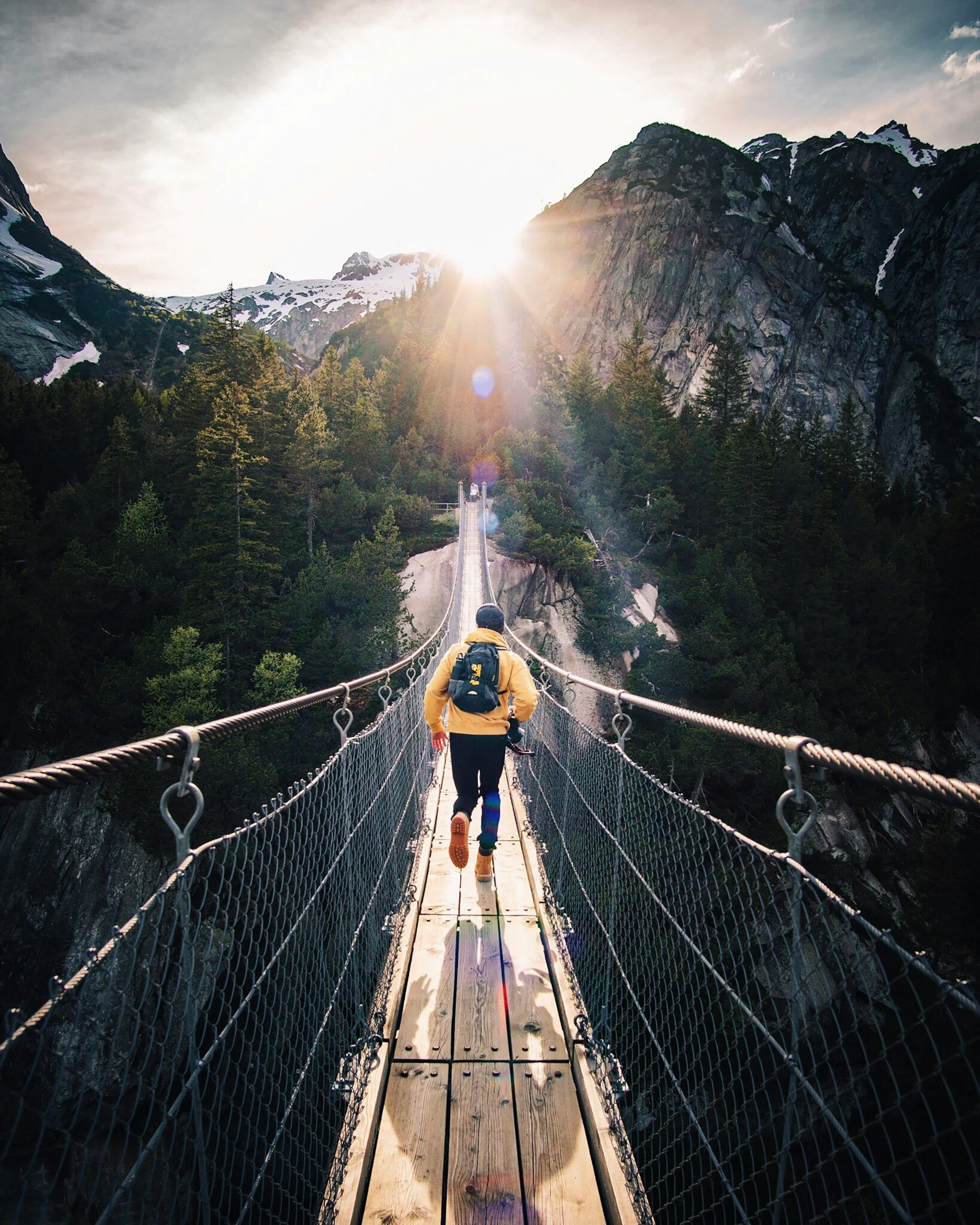
How to Plan a Solo Travel Adventure
Choose Destinations That Match Your Comfort Level and Interests
Your first solo trip is not the moment to test your limits somewhere with serious infrastructure challenges or a significant language barrier. Pick somewhere genuinely solo-friendly, a place with decent public transportation, some English spoken in tourist areas, a history of welcoming single travelers, and a safety track record that doesn't require a lot of workarounds.
Also: actually match the destination to what you like. This sounds obvious, but people ignore it constantly. If you hate heat and beaches, don't book Costa Rica just because it keeps showing up on lists. If you're happiest in big mountain terrain with long trail days, somewhere like the Colorado Rockies or Patagonia is going to suit you far better than a city-heavy itinerary. The best destinations for solo travel are the ones that fit who you actually are, not the ones that photograph well.
Research Safe, Solo-Friendly Accommodations
Where you stay matters more as a solo traveler than it does in a group. Large resort properties can feel pretty isolating when you're on your own. Boutique hotels with a real common area or well-reviewed guesthouses with an active social scene tend to be better fits. Look for places with 24-hour front desks, secure room access, and reviews from other solo travelers specifically.
Pay attention to the single supplement while you're researching. A lot of hotels and tour operators charge solo travelers to cover the cost of a double room, and it adds up fast. Some operators that specialize in small group adventures and adventures for solo travelers have dropped the single supplement entirely, which is worth tracking down. It takes a little more research upfront but saves you real money.
Plan Transportation, Activities, and a Flexible Itinerary
The best solo itineraries have structure without being rigid. Lock in your main transportation and first night's accommodation before you go so you're never arriving somewhere new, jet-lagged, with no plan. After that, leave some breathing room. Some of the best parts of any solo trip happen because someone you met over breakfast mentioned a place worth seeing.
For activities, look for things that naturally work well for people traveling alone: guided day hikes, cooking classes, cultural tours, small group adventures that put you alongside other like-minded travelers without locking you into a big group dynamic you can't escape. Expert guides running small groups are a particularly good fit for solo travelers since you get built-in safety, real local knowledge, and some social connection without giving up your flexibility.
Pack Smart: Essentials for Safety, Comfort, and Convenience
You're carrying your own bags. Every ounce is yours. Pack light enough to actually move comfortably through airports, train stations, and uneven terrain, which rules out checked luggage for most trips. A well-organized 40-liter pack handles the majority of solo adventure travel without any of the checked bag chaos.
On the safety side: a portable battery pack, a photocopy of your passport kept somewhere separate from the original, a basic first aid kit, and a local SIM or solid international data plan. Share your itinerary with someone back home and check in regularly. These aren't paranoid precautions. They're just smart habits that let you travel confidently instead of anxiously.
Set a Budget and Consider Travel Insurance
Solo travel often costs more per person than group travel, mostly because there's nobody to split costs with and the single supplement is everywhere. Build a realistic budget from the start that accounts for accommodation, transportation, activities, food, national park entry fees, and an emergency buffer of at least 15 to 20 percent. Surprises happen. Plan for them.
Travel insurance is non-negotiable for solo adventure travelers. Medical evacuation from a remote location is extraordinarily expensive without it. Read your policy carefully and confirm that adventure activities are actually covered. A lot of standard policies exclude hiking above certain elevations or activities like whitewater rafting, which matters a lot if that's exactly what you're planning to do.
Learn Key Phrases of the Local Language
You don't need to be fluent, you need to be respectful and functional. Learning basic phrases, greetings, thank you, how much does this cost, I need help, signals to locals that you actually put in some effort. That matters more than people think. It opens conversations, softens tense moments, and consistently gets you better treatment than showing up with zero preparation and an assumption that everyone speaks English.
Download an offline language pack before you leave home so you have translation available without cell service. In places where English is less common, a handful of well-chosen phrases can meaningfully change your whole solo travel experience for the better.
Where To Go For Solo Travel Adventures
Costa Rica
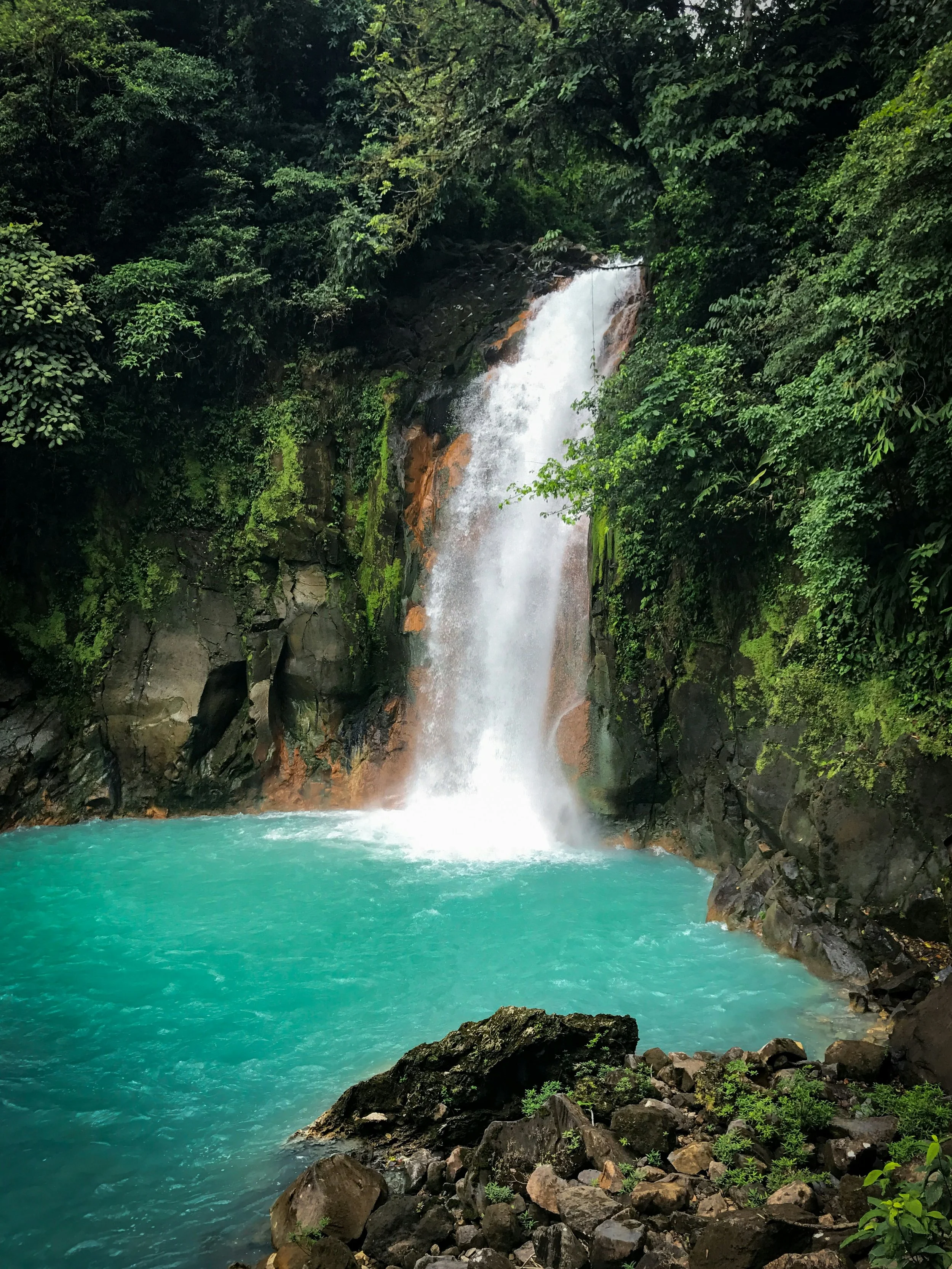
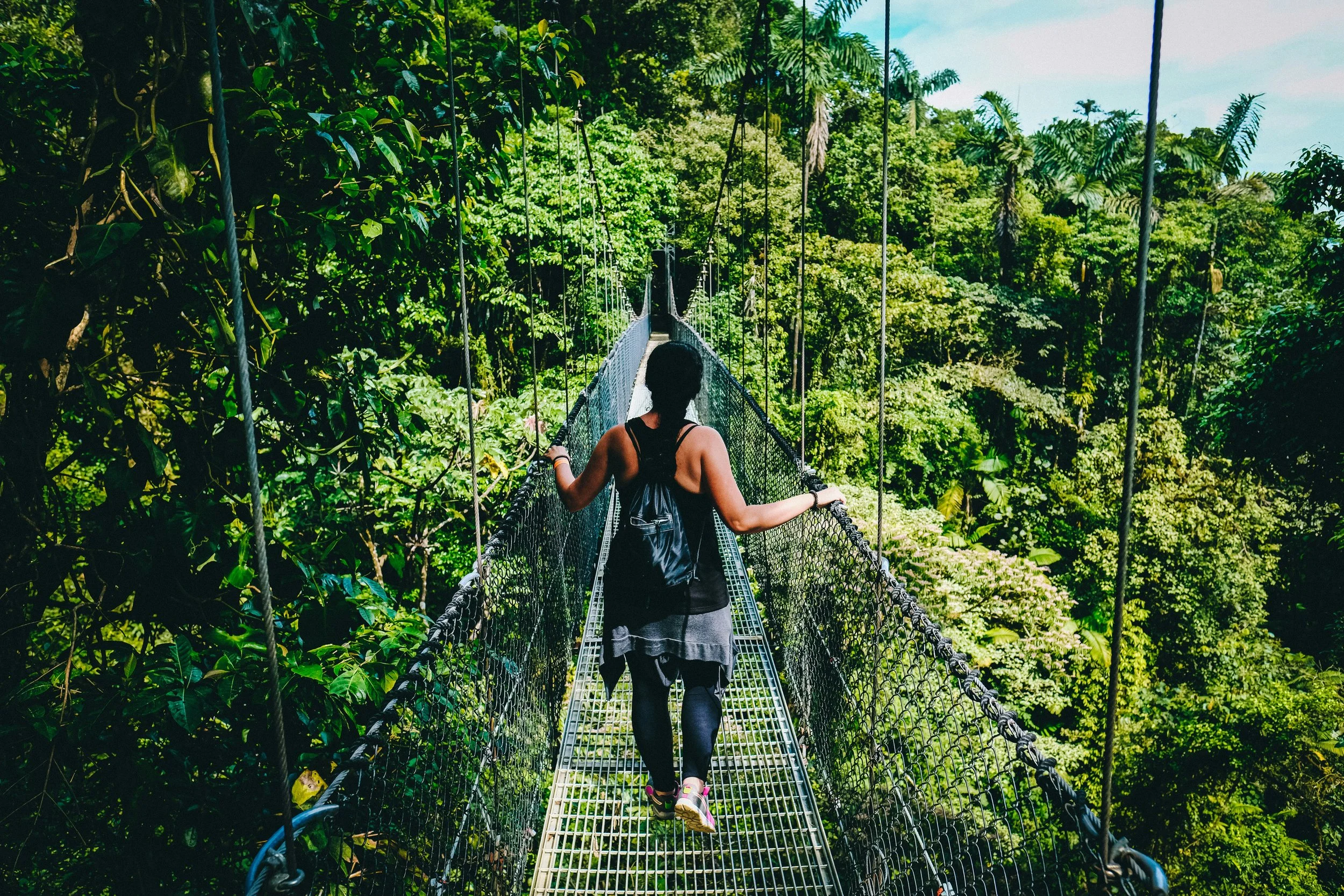
Costa Rica keeps showing up on every solo travel list for a reason: it actually delivers. The country is compact enough to be manageable, the tourism infrastructure is solid, and the variety of landscapes you can get through in a single trip is pretty remarkable. Cloud forests, Pacific beaches, Caribbean coastline, active volcanoes, and some of the most biodiverse national parks in the world are all within reach of each other. You're never stuck in one kind of scenery.
For solo travelers, Costa Rica works particularly well because of the established network of operators and expert guides running small-group day trips and multi-day adventures. Safety is strong relative to the broader region. English is widely spoken in tourist areas. And the local guides here tend to be genuinely passionate about the country's natural environment, which makes the solo travel experience richer than you might expect from somewhere this popular. Click the link for a deeper dive on adventure travel in Costa Rica!
Alaska
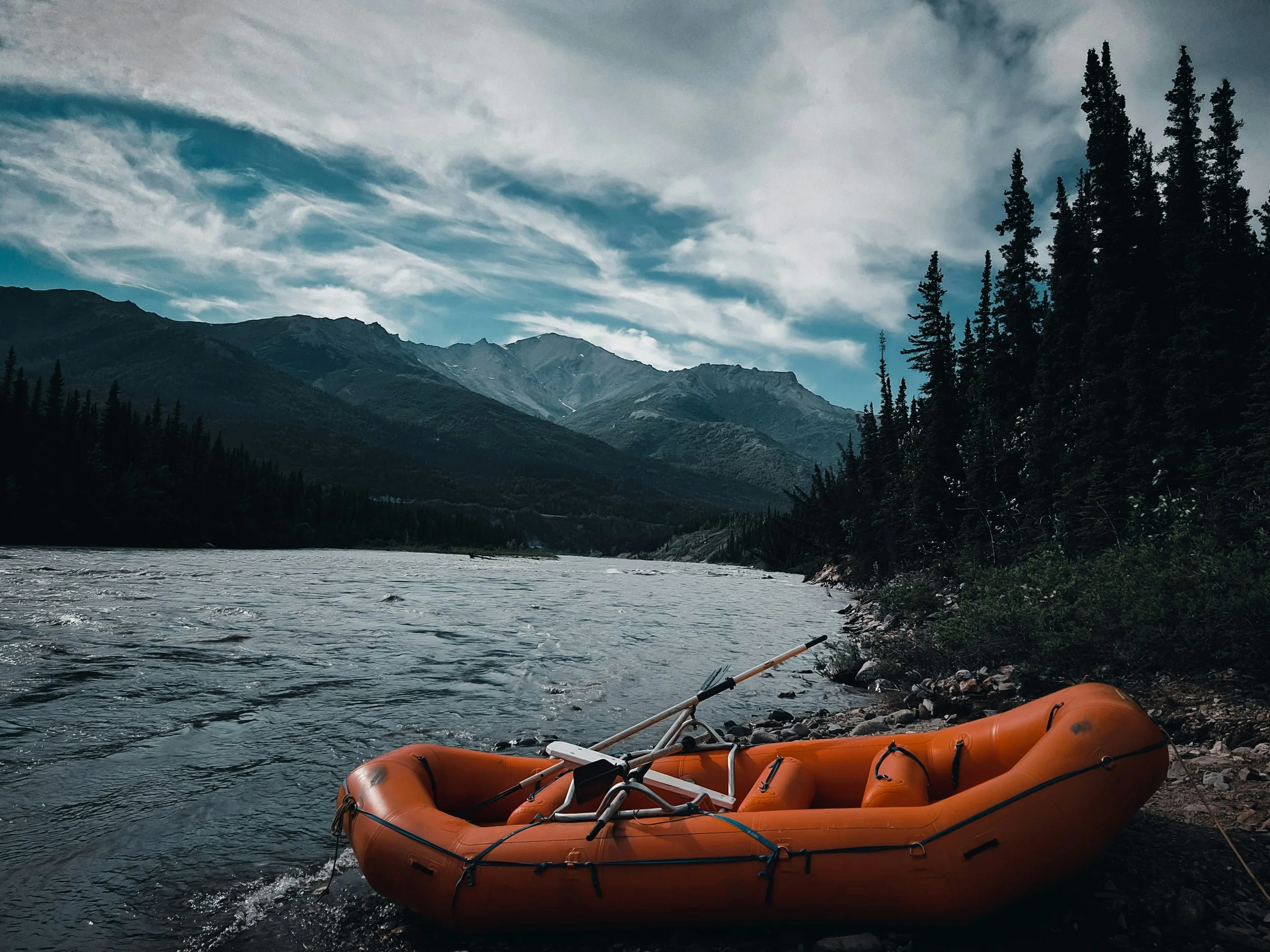
Alaska rewards solo travelers who put in the planning work. The scale of the landscape is something you really can't prepare for until you're standing in it. Massive glaciers, wild coastline, remote national parks, and wildlife viewing that has no real equivalent anywhere else in North America. Denali, Kenai Fjords, Wrangell-St. Elias, all extraordinary, and the free time that comes with solo travel means you can actually sit in those landscapes and absorb them rather than moving through on a schedule.
That said, Alaska logistics require more preparation than most places. Distances are enormous. Transportation options outside of Anchorage and Fairbanks are limited. Backcountry travel means real gear and real bear safety knowledge. If you're going beyond established trails or into remote areas, booking with expert guides who know the terrain isn't optional, it's just what you do.
Patagonia, Chile and Argentina
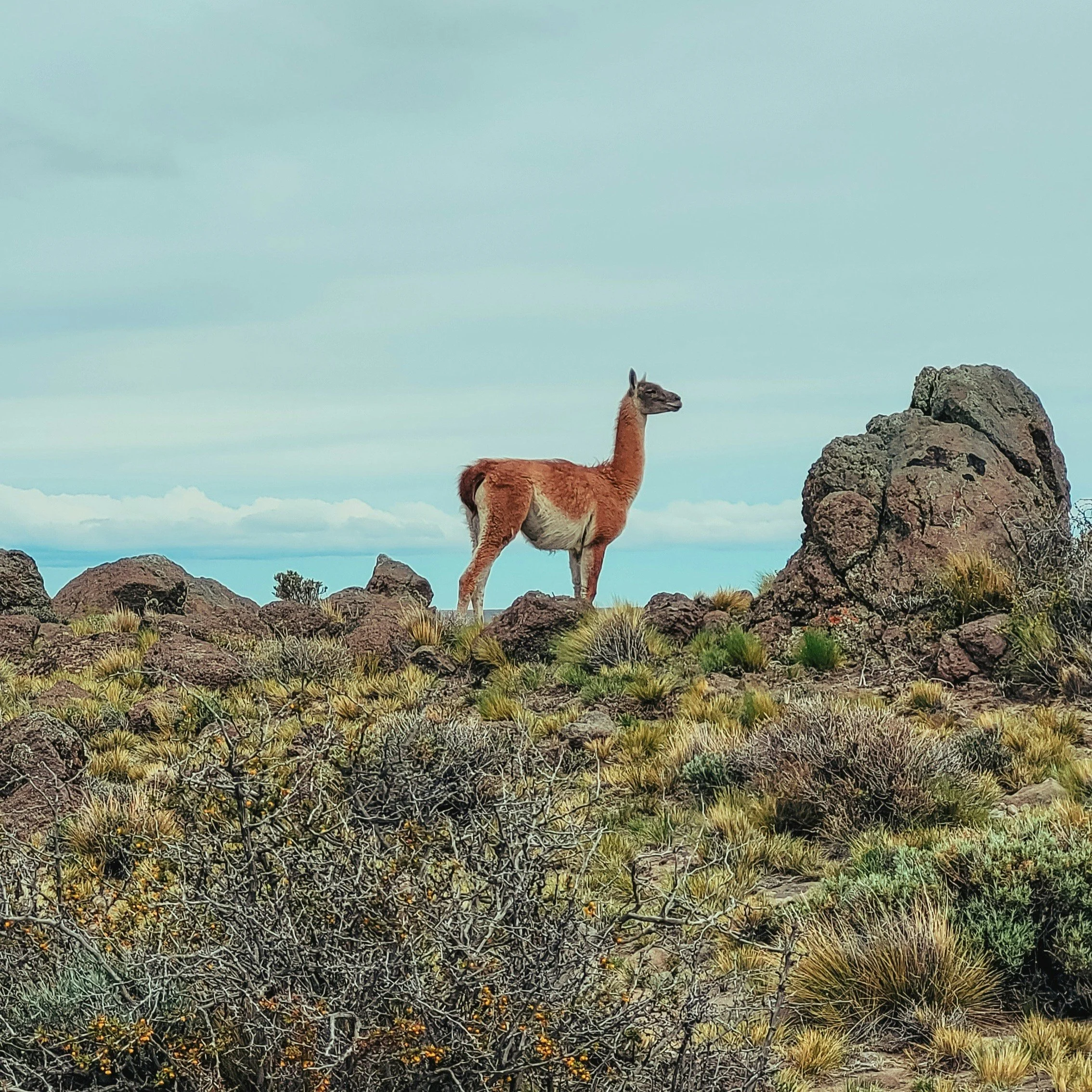
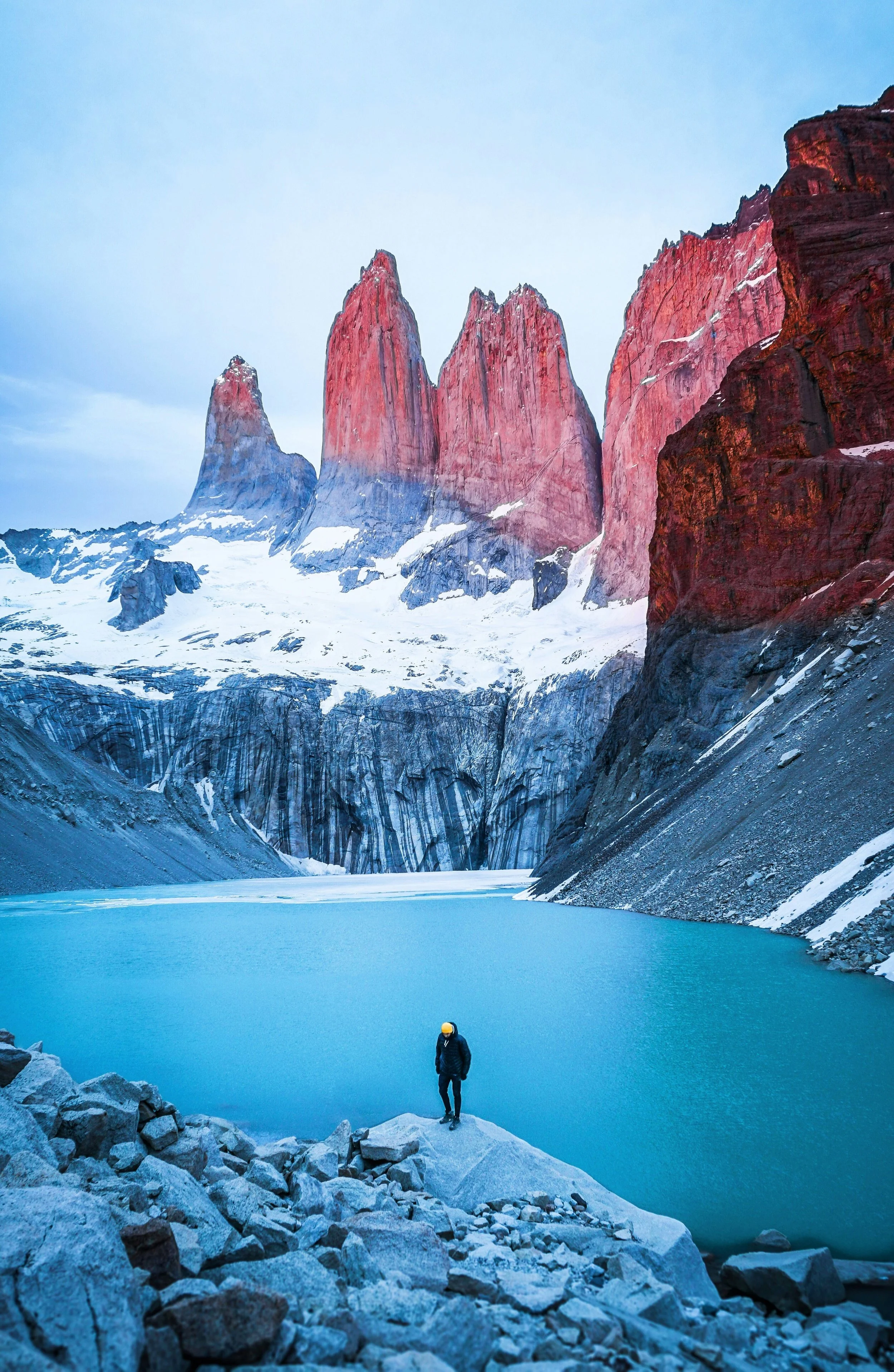
Patagonia is the gold standard for solo adventure travelers who want to push themselves somewhere genuinely dramatic. Split between Chile and Argentina at the southern tip of South America, the region offers granite towers, massive ice fields, and long stretches of terrain that are about as far off the beaten path as you can realistically get. It's wild in a way that few places still are.
The W Trek and the full Circuit in Torres del Paine are among the most popular multi-day hikes in the world, and with good reason. They're well-marked and supported by a system of refugios and campsites that make them genuinely accessible to solo trekkers who are properly prepared. Ushuaia on the Argentine side is a natural base for the Chilean parks. Weather is famously unpredictable down here, so flexibility and good gear are non-negotiable.
Colorado Rockies
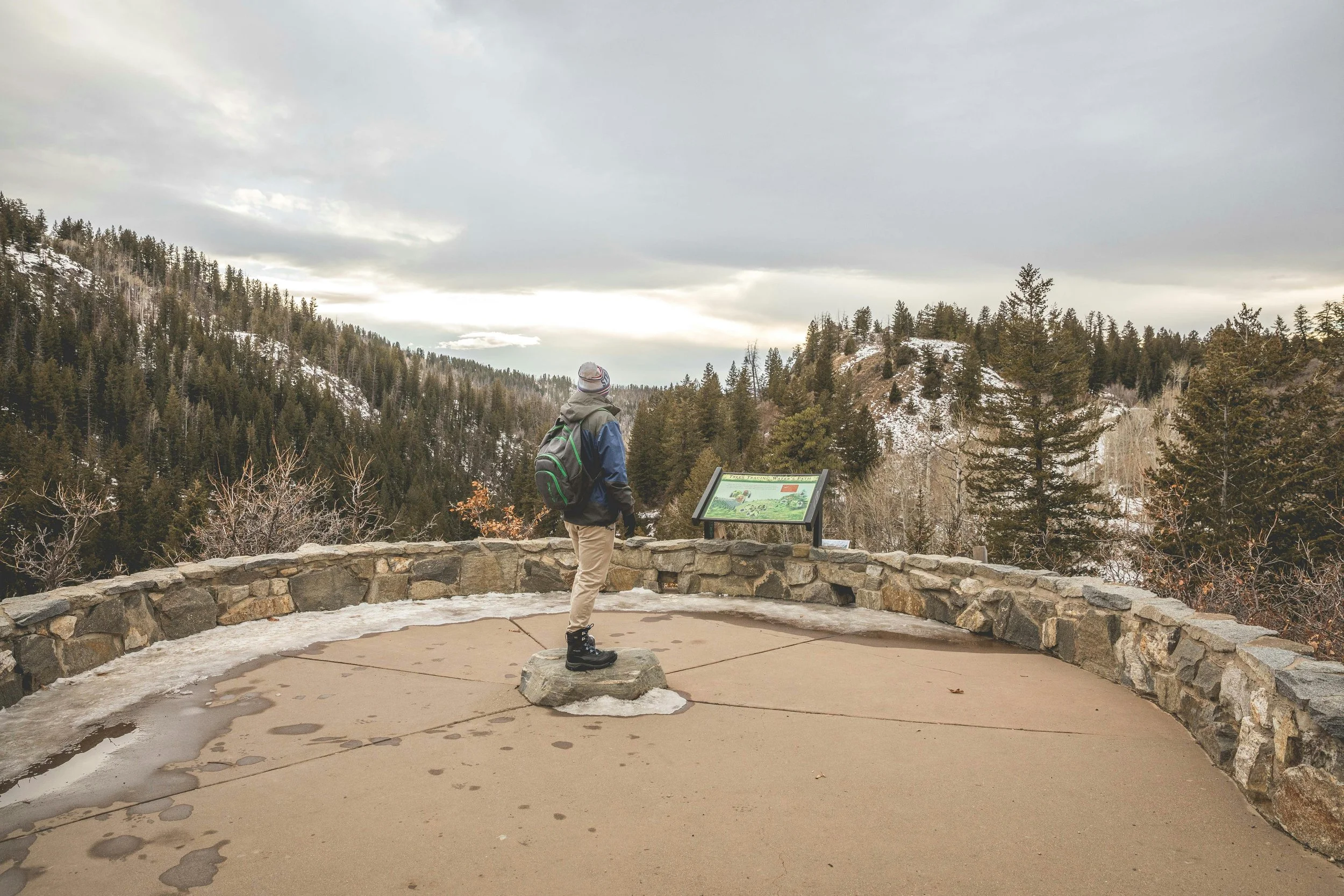
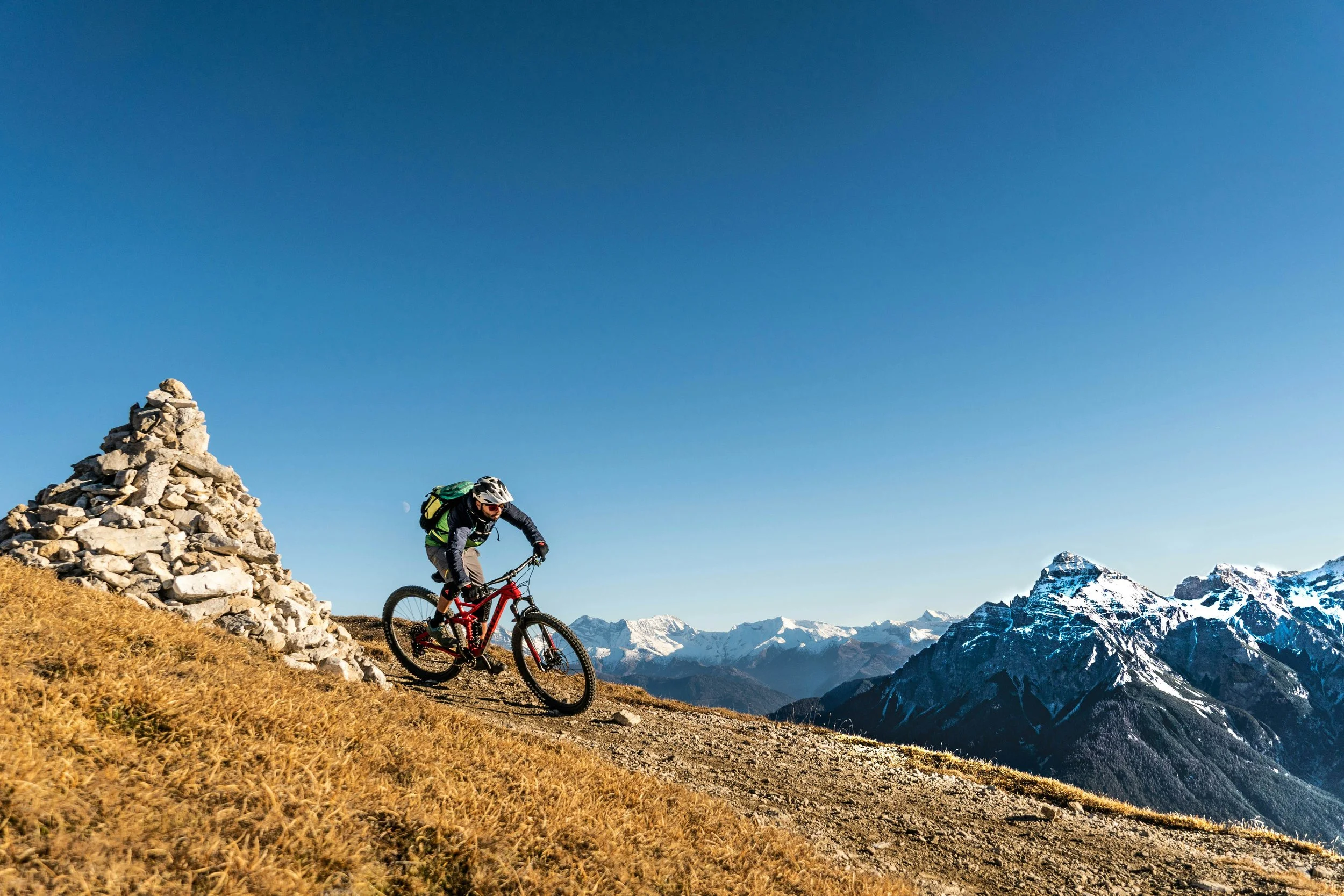
The Colorado Rockies are an underrated pick for solo adventure travel, especially for North American travelers who want serious mountain terrain without the complexity of international logistics. Colorado has an impressive spread of national parks, including Rocky Mountain National Park, Black Canyon of the Gunnison, and Mesa Verde, plus hundreds of miles of trails and solid options for mountain biking, whitewater rafting, climbing, and skiing depending on the season.
Towns like Telluride, Ouray, and Crested Butte are safe, walkable, and genuinely welcoming to people traveling alone. Colorado has a strong outdoor culture, so striking up a conversation on a trail or at a trailhead is completely normal and often turns into an impromptu hiking partnership for the day. It's one of the easier places to feel connected without having to work at it.
New Zealand
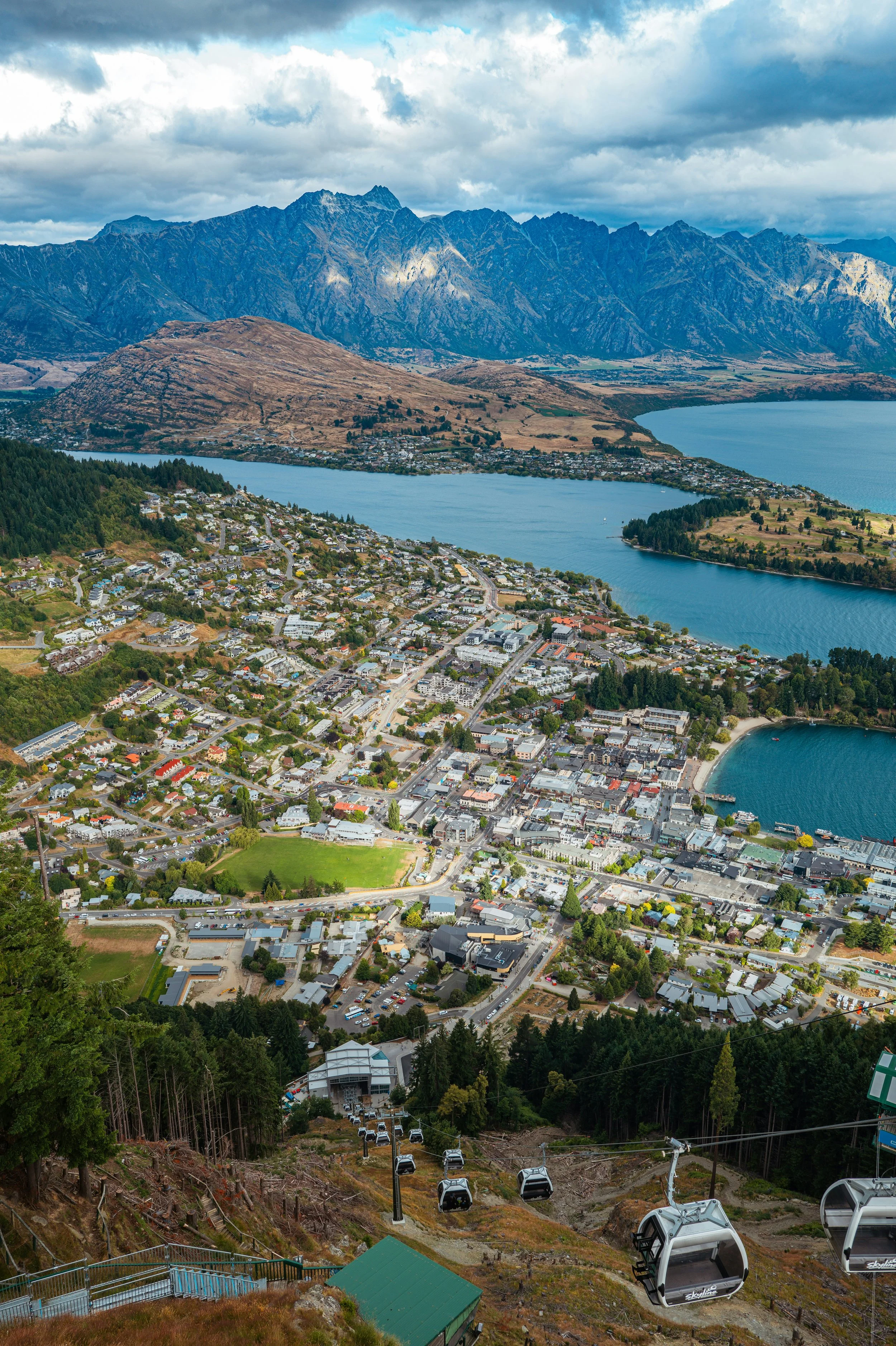
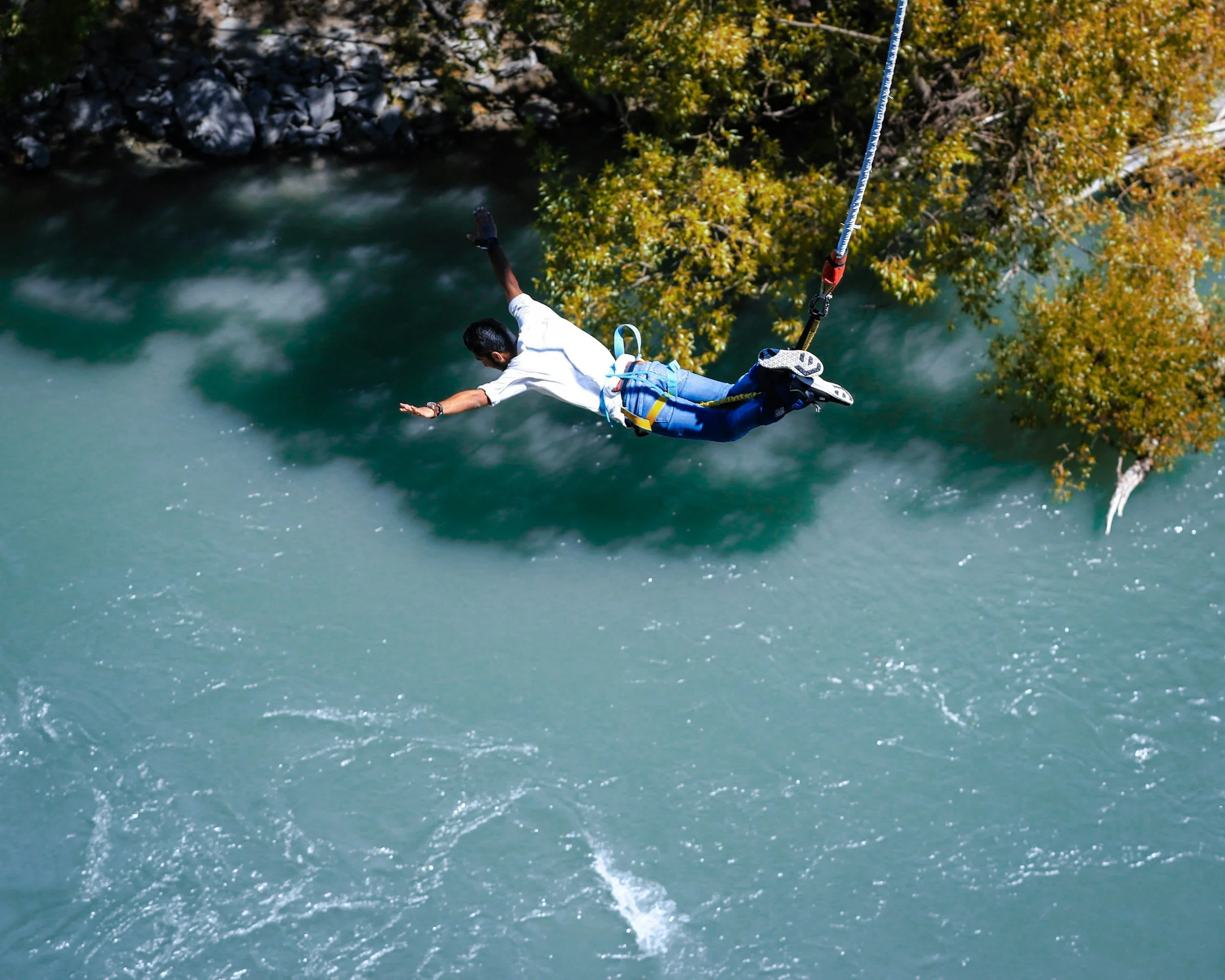
New Zealand is one of the most solo traveller-friendly countries in the world, and it's not particularly close. Safe, easy to navigate, stunning, and built around outdoor adventure. The Great Walks system covers nine maintained multi-day trails across both islands, and they're an ideal framework for solo trekkers. The Milford Track, the Routeburn, and the Abel Tasman Coastal Track all offer world-class scenery with enough infrastructure that solo logistics stay manageable.
Beyond hiking, New Zealand does basically everything: bungee jumping, skydiving, sea kayaking, skiing, white-water rafting. Queenstown has built an entire industry around adventure vacations and is extremely well set up for solo travelers. The local culture is genuinely warm and easy to connect with. You rarely feel out of place here, even when you're on your own.
Jackson Hole, Wyoming
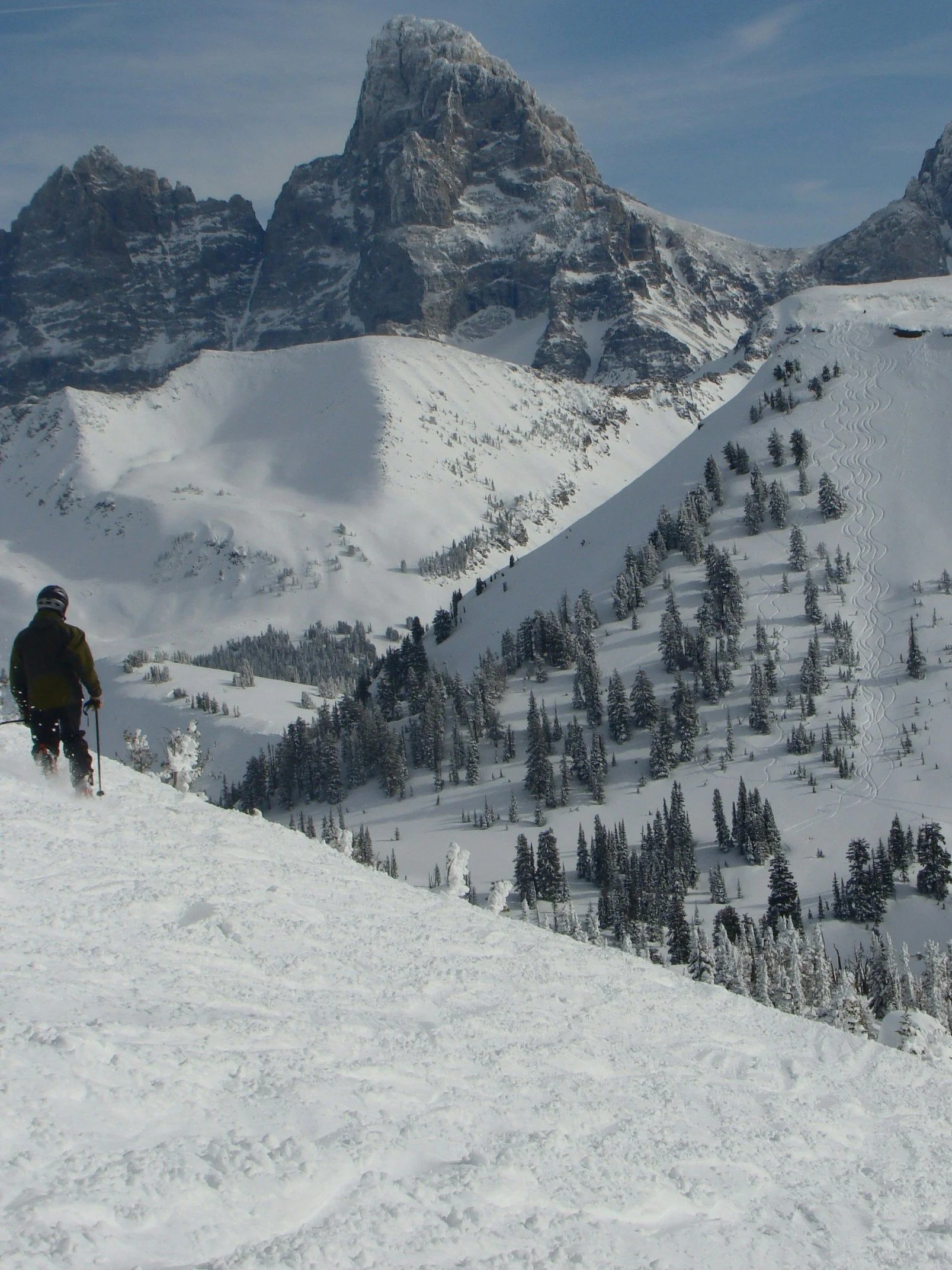
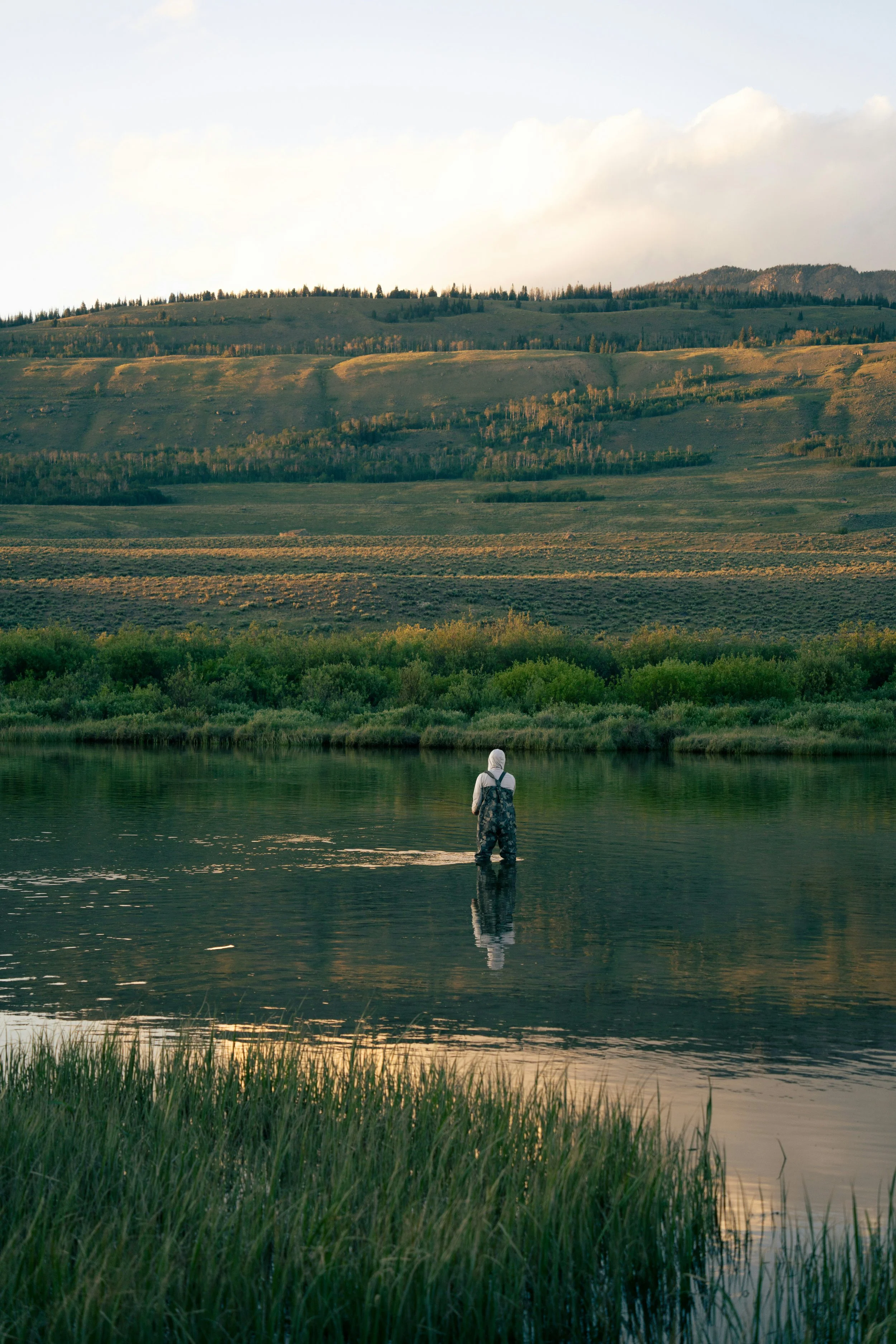
Jackson Hole sits right at the doorstep of Grand Teton and Yellowstone national parks, which makes it a natural base for solo adventure travelers who want serious wilderness access with a comfortable place to land at the end of the day. The town has good accommodation options, great food, and a genuine western character that doesn't feel put on for tourists.
Summer brings hiking, wildlife watching, fly fishing, and whitewater rafting. Winter turns it into one of the best ski destinations in North America. Year-round, expert guides and local outfitters run small-group and private day trips into the surrounding wilderness that work really well for solo travelers who want experienced leadership without giving up the intimacy of being on their own. The quality of local guides here is genuinely high, and it shows in the experience.
Best Adventures For Solo Travelers
Not every type of adventure travel works equally well when you're on your own. Some activities are just a better fit for the solo format. These are the ones I recommend most often when clients are building their first solo trip or trying to make a solo travel experience more memorable.
Hiking and Trekking
Hiking is probably the best natural fit for solo travel. You move at your pace. You stop when something grabs you. You pick the route that matches your energy on a given day rather than the energy of whoever you're traveling with. Multi-day treks through national parks or on established trail systems like New Zealand's Great Walks or Patagonia's W Trek tend to put you alongside other like-minded travelers naturally, so you get connection without it being forced.
Day hikes with local guides are especially good for solo travelers who are new to a region. You get real local knowledge and solid navigation support while still moving at your own pace. A lot of outfitters now run small group adventures specifically designed as adventures for solo travelers, which keeps the cost reasonable while keeping the group size small enough that it doesn't feel like a tour bus situation.
Wildlife Watching
Wildlife watching is all about patience and stillness, and those things come a lot more naturally when you're traveling alone. You can wait as long as you want for a jaguar sighting in Costa Rica, or for bears to come down to the river in Alaska, without feeling guilty about holding anyone else up. That freedom changes the quality of wildlife encounters in a real way.
National parks across North and South America run ranger-led wildlife programs that are excellent for solo travellers. You get expert guidance and you're in the right spots at the right times, which matters a lot for actually seeing wildlife rather than just hoping. Smaller group sizes also mean less noise and movement, which generally means better sightings.
Small Group Adventure Tours
Small group adventures hit a real sweet spot for solo travelers who want some company and structure without giving up their autonomy. Groups of eight to twelve people give you the social energy and logistical support of a tour while keeping enough flexibility that you still get real free time each day to do your own thing. A lot of these operators have also gotten smarter about the single supplement, with many now offering solo-friendly pricing that actually makes financial sense.
There's also a self-selection thing that happens with these groups. People who book small group adventure tours as solo travellers tend to be curious, independent, and genuinely interesting to spend time with. The connections that form in those groups are often one of the best parts of the trip. It's a format that works really well for like-minded travelers who don't want to feel alone but also don't want to be managed.
Kayaking and Water-Based Adventures
Sea kayaking, whitewater rafting, and paddleboarding all adapt naturally to the solo travel format, especially through guided operators. Kayaking through Kenai Fjords in Alaska, paddling the bioluminescent bays of Costa Rica after dark, navigating fjords along New Zealand's South Island coast, these are the kinds of unique experiences that tend to be the ones people remember longest after a solo trip.
Water-based adventure operators almost always run in small groups by necessity, which works in the solo traveler's favor. You get an experienced guide, a built-in safety structure, and a handful of people to share the experience with, and then the day ends and you're back on your own schedule. It's one of the better ways to get adventure, scenery, and a little social connection all in the same afternoon.
Start Planning Today!
Solo adventure travel isn't for everyone. But for the people who are drawn to it, the payoff is real. The freedom, the personal growth, the unique experiences you collect when you're moving through the world entirely on your own terms. It adds up to something genuinely hard to get any other way. Whether your idea of a perfect solo trip is a week hiking national parks in Colorado, a month working through Patagonia, or a longer stretch exploring Alaska and New Zealand back to back, it all starts with a solid plan. If you want help putting one together, that's what I'm here for.