How to Plan a Honeymoon:
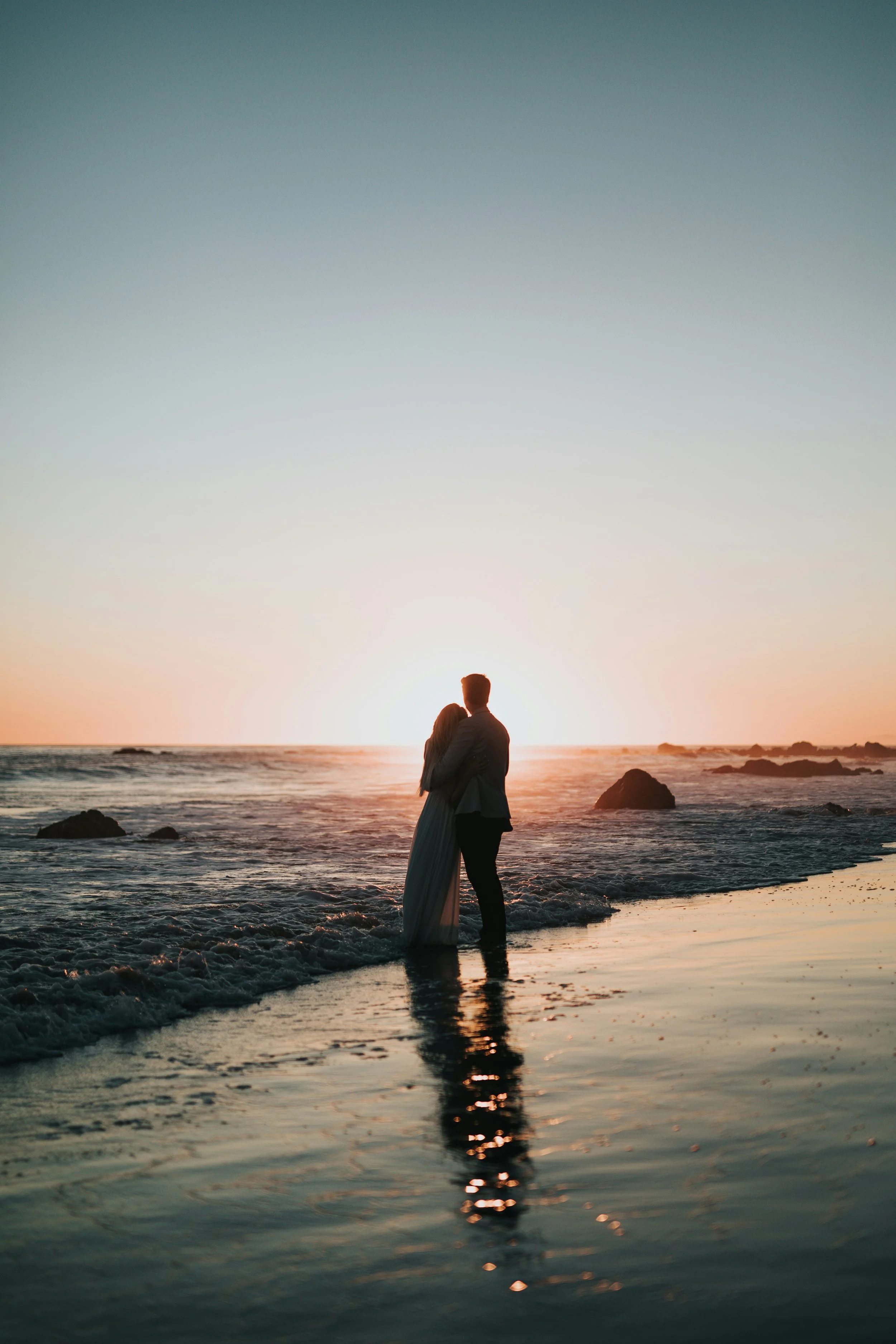
A honeymoon is one of the most meaningful trips you will ever take not because it has to be the most extravagant, but because of what it represents. It marks the transition from wedding celebrations into married life, from planning for others to finally focusing on each other. Unlike most trips, a honeymoon carries emotional weight. It is a pause, a reward, and a shared experience that sets the tone for the years ahead.
Planning a honeymoon can feel exciting and overwhelming at the same time, especially after months of wedding decisions. But thoughtful planning does not detract from the romance; it enhances it. When done well, the process becomes part of the experience rather than a source of stress. Knowing where you’re going, why you chose it, and how it fits your relationship allows you to fully enjoy the journey once you arrive.
As a luxury travel consultant who has planned honeymoons across the globe, I’ve seen firsthand how intentional preparation transforms trips from “nice vacations” into unforgettable milestones. This guide is designed to walk you through how to plan a honeymoon efficiently, confidently, and enjoyably so you can spend less time worrying about logistics and more time celebrating the start of your marriage
How to Plan a Honeymoon Trip
A successful honeymoon is not just about choosing a destination you’ve seen on Instagram. It’s about creating a personalized experience that reflects who you are as a couple and how you want to feel during this time. The best honeymoons balance romance, adventure, and relaxation in a way that feels natural not forced or overplanned.
Careful honeymoon planning helps prevent common frustrations: blown budgets, poor timing, exhausting itineraries, or accommodations that don’t live up to expectations. It also allows couples to make thoughtful decisions instead of rushed ones, often resulting in better value and a smoother experience overall.
This is where strategy matters. Travel distances, seasonality, flight routes, hotel availability, and pacing all play a role in shaping the trip. With the right plan in place, couples can relax knowing the details are handled, transitions are seamless, and their time together is protected. Whether you plan independently or enlist expert guidance, the goal is the same to create a honeymoon that feels effortless once it begins.
What Is a Honeymoon?
A honeymoon is not a typical vacation. While regular trips are often focused on sightseeing or maximizing time, honeymoons are about intention and connection. They are designed to celebrate your relationship, slow the pace, and allow space to be present with one another.
Rather than rushing from attraction to attraction, honeymoons prioritize comfort, privacy, and meaningful shared moments. This might look like lingering breakfasts, long walks without an agenda, or simply enjoying being somewhere new together. Romance plays a role, but so does rest. After the emotional high and intensity of a wedding, many couples crave simplicity and ease.
Because of its significance, a honeymoon deserves a different level of thought than a standard trip. It’s not about doing everything, it’s about doing the right things, at the right pace, in the right setting for you.
What Are Honeymoons For?
To Decompress After Your Wedding
Weddings are joyful, but they are also mentally and physically demanding. Between months of planning, social obligations, and the emotional energy of the celebration itself, most couples arrive at their honeymoon in need of genuine downtime. A honeymoon offers the chance to rest, reset, and reconnect without distractions. That decompression is not indulgent, it's necessary.
To Deepen Your Connection Through Shared Experiences
Travel has a unique way of strengthening relationships. Navigating new environments, trying unfamiliar foods, and experiencing moments of wonder together builds connection and trust. Honeymoons allow couples to create shared memories that belong only to them, away from the expectations of family, friends, and daily routines. These experiences often become reference points throughout a marriage.To Create Lasting Memories as You Begin a New Chapter
The honeymoon marks the beginning of married life, and the memories created during this time tend to stay vivid for years. Whether it’s a world class hotel, a meaningful meal, or a quiet moment watching the sunset, these details become part of your shared story. A thoughtfully planned honeymoon focuses on creating moments that feel authentic and lasting, rather than simply impressive.
How Long Are Honeymoons?
Most honeymoons last between seven and ten days, though there is no universal rule. The ideal length depends on factors such as travel distance, budget, available time off, and how much recovery time you want after your wedding. Long-haul destinations often benefit from longer stays, allowing time to adjust to jet lag and settle into the experience.
Over the years, I’ve planned honeymoons as short as a few days and as long as three weeks. What matters far more than duration is pacing. A well-designed seven-day honeymoon can feel far more luxurious than a rushed two-week itinerary packed with constant movement.
Many couples now choose to split their honeymoon into two parts: a short mini-moon immediately after the wedding and a longer main honeymoon later. This approach can ease budget constraints, allow for better seasonal timing, or accommodate work schedules. Logistics such as flight length, time zone changes, and planned activities should always influence how long you travel. The goal is to feel refreshed and connected, not exhausted.
What Makes a Good Honeymoon?
Set Your Honeymoon Vision and Priorities:
Before researching destinations or comparing hotels, start with clarity. I recommend couples list their top three honeymoon priorities and discuss how they envision spending their time. Are you hoping for relaxation at an all-inclusive resort or adventure? Do you want cultural immersion, outdoor activities, or uninterrupted beach time? Are you drawn to cities, remote landscapes, or a mix of both?
This exercise helps narrow options quickly and avoids decision fatigue. Many couples struggle because they jump straight into destinations without aligning on expectations. When priorities are clear, choosing where to go becomes much easier and far more collaborative.
Agree on a Realistic Budget:
Setting a honeymoon budget early is one of the most important steps in the planning process. Beyond flights and accommodations, couples should account for meals, excursions, transfers, travel insurance, gratuities, and an emergency buffer. Being realistic upfront prevents stress later and allows for better decision-making.
Destination choice has a major impact on budget. For example, a week in Southeast Asia or parts of Central America can offer incredible luxury at a lower cost than a similar stay in the Maldives, Bora Bora, or the Amalfi Coast. Europe during peak summer will generally cost more than traveling in shoulder season, while remote island destinations often come with higher flight and resort costs due to limited access.
That said, it’s important to think of your honeymoon not just as an expense, or a time to cut corners to save money, but as an investment in the experience. This is a once-in-a-lifetime trip, and allocating resources toward comfort, convenience, and meaningful moments often yields a far greater return than trying to cut costs at every turn. Many couples also choose to use honeymoon registries to help offset expenses or fund special experiences like private tours or room upgrades.
Choose the Right Time and Seasons:
Timing can dramatically shape both your experience and your budget. Weather patterns, peak tourist seasons, and local events all influence crowd levels and pricing. Traveling during high season often means ideal weather, but also higher costs and fuller hotels.
Shoulder season travel, just before or after peak periods, can offer excellent value, fewer crowds, and still-favorable conditions. Off-season travel may reduce costs further, but it’s important to understand trade-offs such as weather or limited availability (sometimes even fewer dining options depending on destination). A well-timed honeymoon balances comfort, experience, and value rather than chasing the lowest price alone.
Pick Your Destination and Style:
Once timing and budget are established, destination selection becomes far more strategic. Creating a short list and weighing pros and cons based on interests, seasonality, travel time, and cost helps couples make confident decisions.
If partners have different preferences, balance is key. Combining a city stay with a relaxing resort, or pairing adventure with downtime, often creates a more satisfying experience for both. Honeymoons don’t need to be single-location or single-style; they should reflect the dynamic of the couple taking them.
Book Flights, Hotels, and Tours Early:
Popular honeymoon destinations and top-tier accommodations often book far in advance, especially for peak travel periods. Booking early secures better flight options, preferred room categories, and competitive pricing. It also allows time to coordinate transfers, tours, and special requests.
Many hotels offer honeymoon packages, which can come with extra amenities or special experiences when notified in advance. Working with a travel agent can unlock additional benefits like resort credits, personalized touches, and on-the-ground support. These are just a touch of the details that elevate the experience without adding stress.
Build a Balanced Itinerary:
One of the most common honeymoon mistakes is overplanning. While it’s helpful to identify a few must-do experiences, it’s equally important to leave space for rest and spontaneity. A balanced itinerary allows couples to enjoy activities without feeling rushed or exhausted.
I often recommend alternating active days with lighter ones and scheduling downtime intentionally. The goal is not to fill every hour, but to create a rhythm that feels indulgent and relaxed. Some of the most memorable honeymoon moments happen in unscheduled time.
Remember Practical Logistics:
Behind every seamless honeymoon is solid logistical planning. Passports should be valid well beyond your return date, and visa requirements should be checked early. Travel insurance is essential, protecting both your financial investment and your peace of mind.
Depending on the destination, vaccinations or health precautions may be recommended. Couples may want to investigate international drivers licenses if self-driving or booking a rental car. Take note of your credit card, as not all cards are accepted in some locations. Packing should reflect climate, activities, and special occasions. Comfortable essentials matter just as much as outfits for romantic dinners. When these details are handled in advance, couples are free to focus on enjoying their time together.


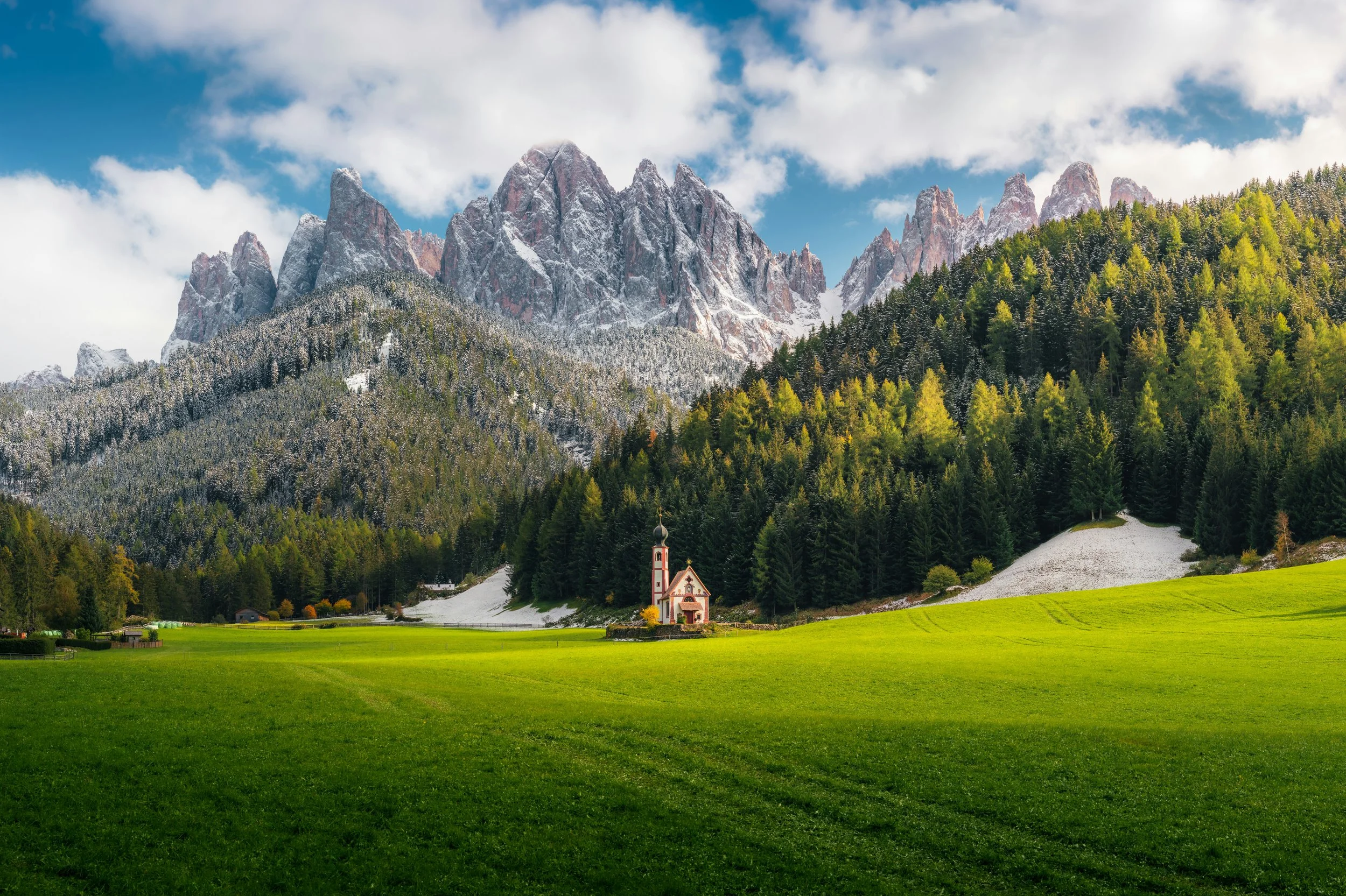
Planning a honeymoon is both practical and emotional. It requires organization, yes, but it also deserves thoughtfulness and care. When approached intentionally, the process becomes part of the celebration rather than another task on the wedding checklist.
A well-planned honeymoon allows couples to travel with confidence, knowing their time together has been protected and designed around what matters most to them. Whether your dream honeymoon is a remote island, a vibrant city, or a multi-stop journey, the right planning transforms the trip into something far more meaningful than a vacation.
Your honeymoon is the first experience you plan as a married couple. Making it intentional, balanced, and true to you sets the tone not just for the trip but for the life you are building together. If you’re looking for some inspiration, be sure to check out my list of the best honeymoon destinations in Europe, and how to plan a honeymoon trip to the Maldives. Reach out HERE to start planning today!