What to See and Do In Croatia:
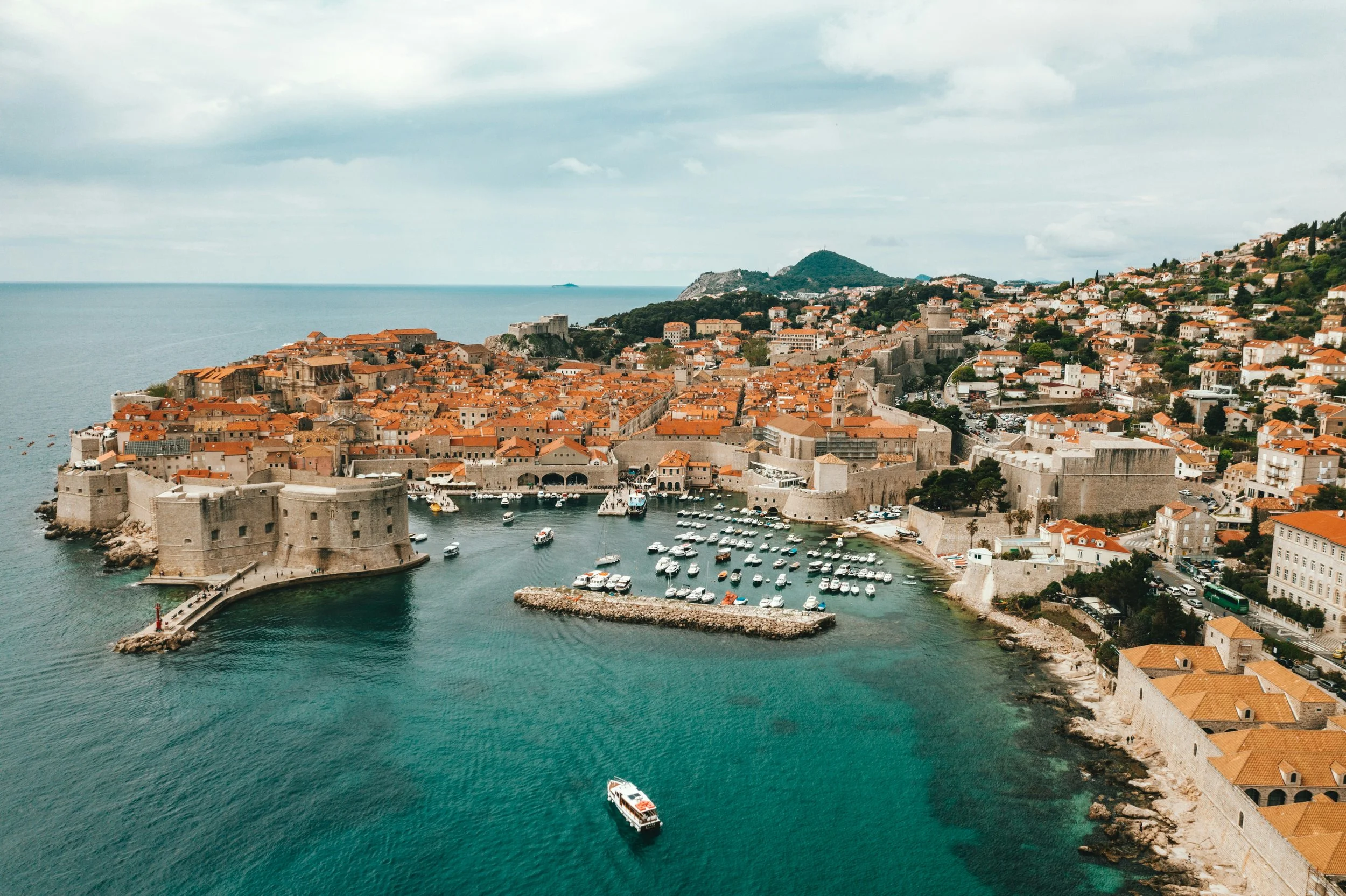
Croatia is one of those rare destinations that lives up to the hype. It has quietly, and then very loudly, become one of the most visited countries in Europe, and for good reason. Few places offer such an effortless blend of UNESCO World Heritage Sites, crystalline coastal beauty, unique cultural traditions, outdoor adventure, and historic cities that feel almost impossibly preserved. While it is often recognized for its popular Game of Thrones filming locations, Croatia’s appeal runs far deeper than the screen, revealing layers of history, culture, and natural beauty that long predate modern pop culture. From fortified seaside towns to lavender-covered islands and waterfall-laced national parks, Croatia manages to be both cinematic and deeply authentic.
What I love most about Croatia is that it truly offers something for every kind of traveler. Couples seeking romance, families craving active exploration, history lovers eager to wander through ancient Roman palaces, food enthusiasts chasing truffles and olive oil, and yacht aficionados island-hopping the Adriatic all find their version of magic here. In this guide, I am sharing a comprehensive round-up of what to see and do in Croatia, along with insight into how to experience it thoughtfully, beautifully, and well.
What to See and Do in Croatia:
Croatia has more than a thousand islands in total, with 78 classified as larger, inhabited islands. At first glance, that statistic alone can make planning a trip feel overwhelming. Which island? Which city? How many stops? Should you combine coastal regions with inland national parks?
This is where clarity of travel style becomes essential. Are you drawn to vibrant nightlife and yacht culture? Quiet wine regions and truffle hunting? Historic fortified cities? Hiking and waterfall swimming? Croatia rewards those who identify their preferences early. When you understand whether you want slow-paced luxury, active adventure, culinary immersion, or cultural depth, choosing where to go becomes not overwhelming, but inspiring.
Where Is Croatia Located?
Croatia is located in southeastern Europe along the Adriatic Sea, bordering Slovenia and Hungary to the north, Serbia and Bosnia and Herzegovina to the east, and Montenegro to the south. Its coastline stretches for more than 1,000 miles when you account for the islands, creating one of the most geographically fascinating shorelines in Europe.
Croatia is highly accessible. Major international airports in Split, Dubrovnik, and the capital city of Zagreb connect easily with the rest of Europe, particularly during peak travel season (May through October). Direct flights from major European hubs such as London, Paris, Frankfurt, and Rome make arrival seamless, and seasonal nonstop routes from the United States have expanded in recent years.
One of Croatia’s greatest strengths is how beautifully it pairs with other European destinations. You can combine Istria with northern Italy in just under a day's drive by car. Slovenia’s Lake Bled and Switzerland’s alpine regions connect naturally to Zagreb, and the coastline. The Dalmatian Coast pairs wonderfully with Montenegro or even a southern Italy extension. For travelers looking to create a multi-country European itinerary without sacrificing cohesion, Croatia is exceptionally well positioned.
What Is Croatia Known for?
Historic Coastal Cities with Fortified Walls
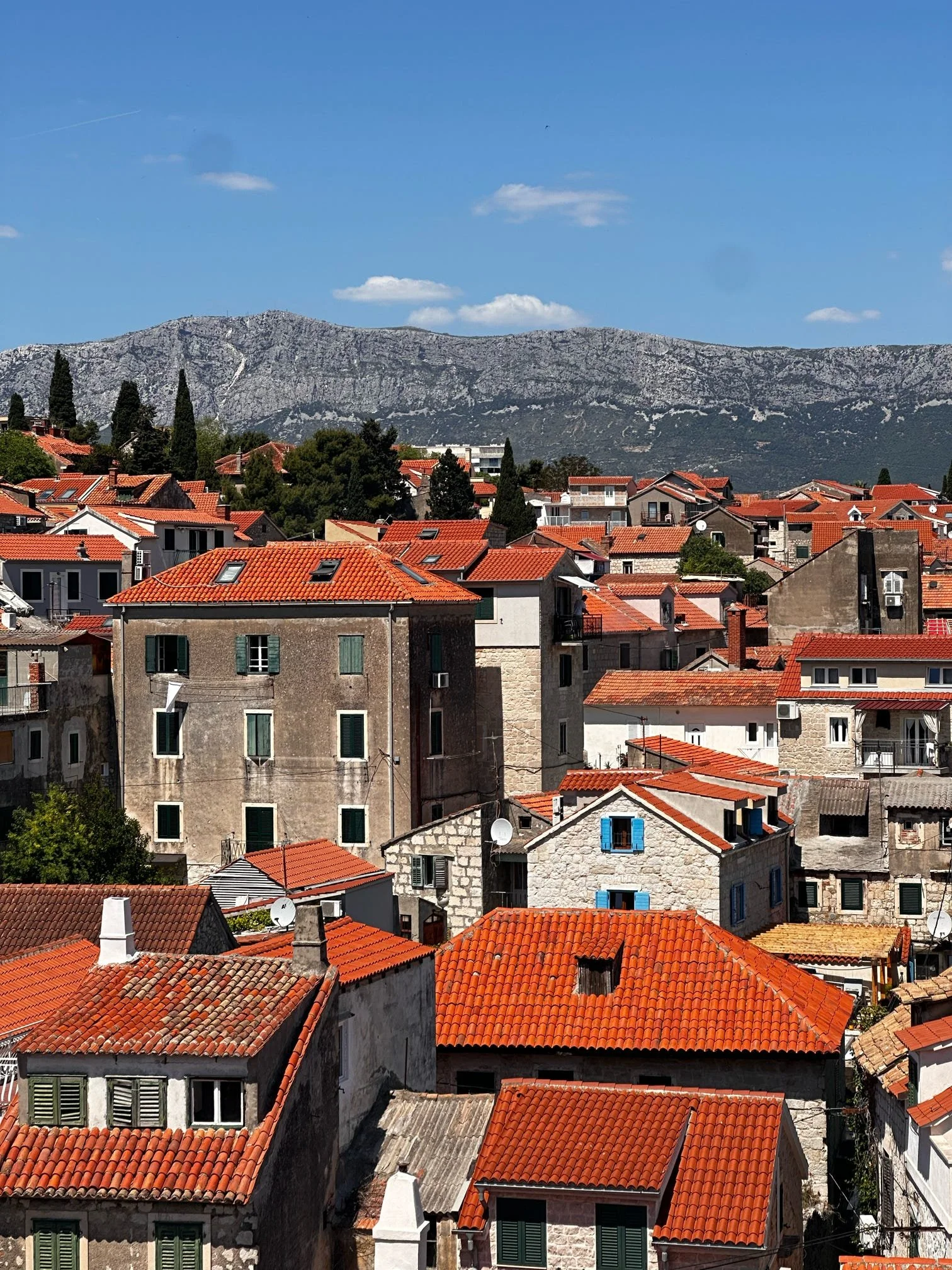
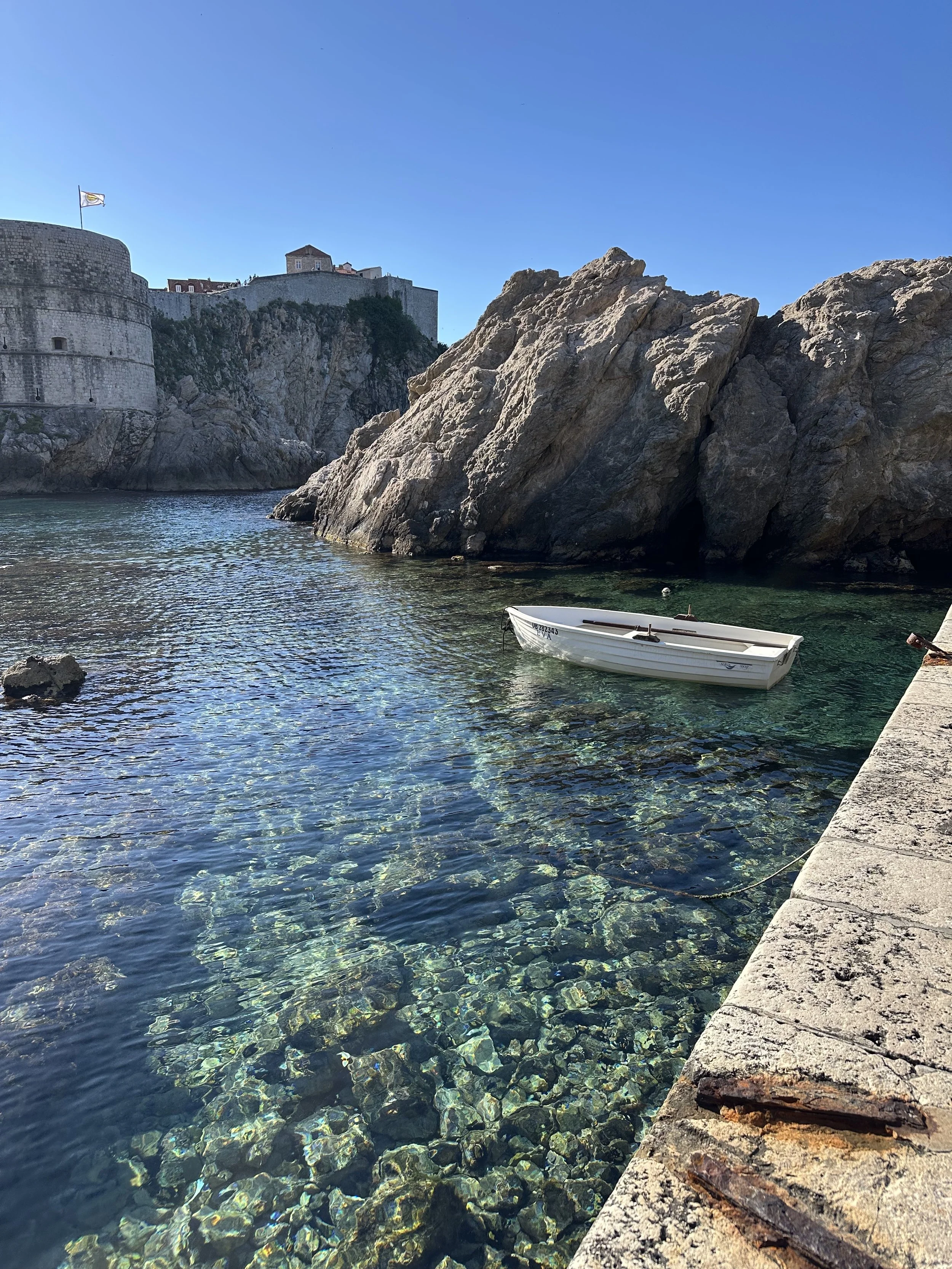
Croatia’s coastal cities are defined by their medieval walls, stone alleyways, and terracotta rooftops. Dubrovnik and Korčula in particular feel like open-air museums, where the architecture tells centuries-old stories of maritime power and cultural resilience. These cities were built for defense and trade, and their preservation allows modern visitors to walk through history. The dramatic backdrop of the Adriatic only enhances their visual impact.UNESCO World Heritage Sites
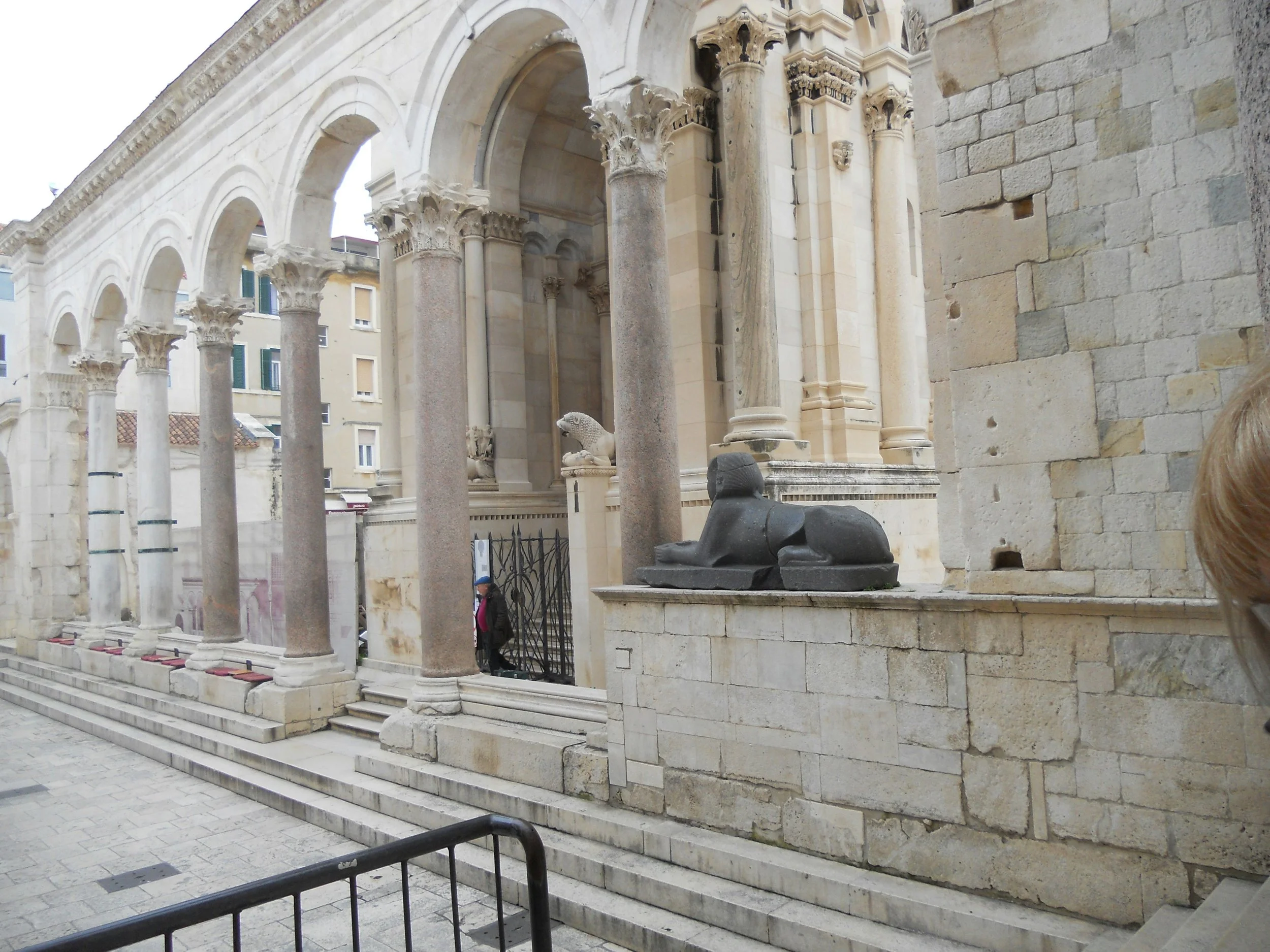
Croatia boasts an impressive number of UNESCO-listed sites, including Dubrovnik’s Old Town, Diocletian’s Palace in Split, Plitvice Lakes National Park, and the Episcopal Complex of the Euphrasian Basilica in Poreč. These recognitions are not superficial they highlight extraordinary cultural and natural preservation. Whether Roman ruins or cascading lakes, Croatia safeguards its heritage exceptionally well.Island Hopping and Crystal-Clear Waters
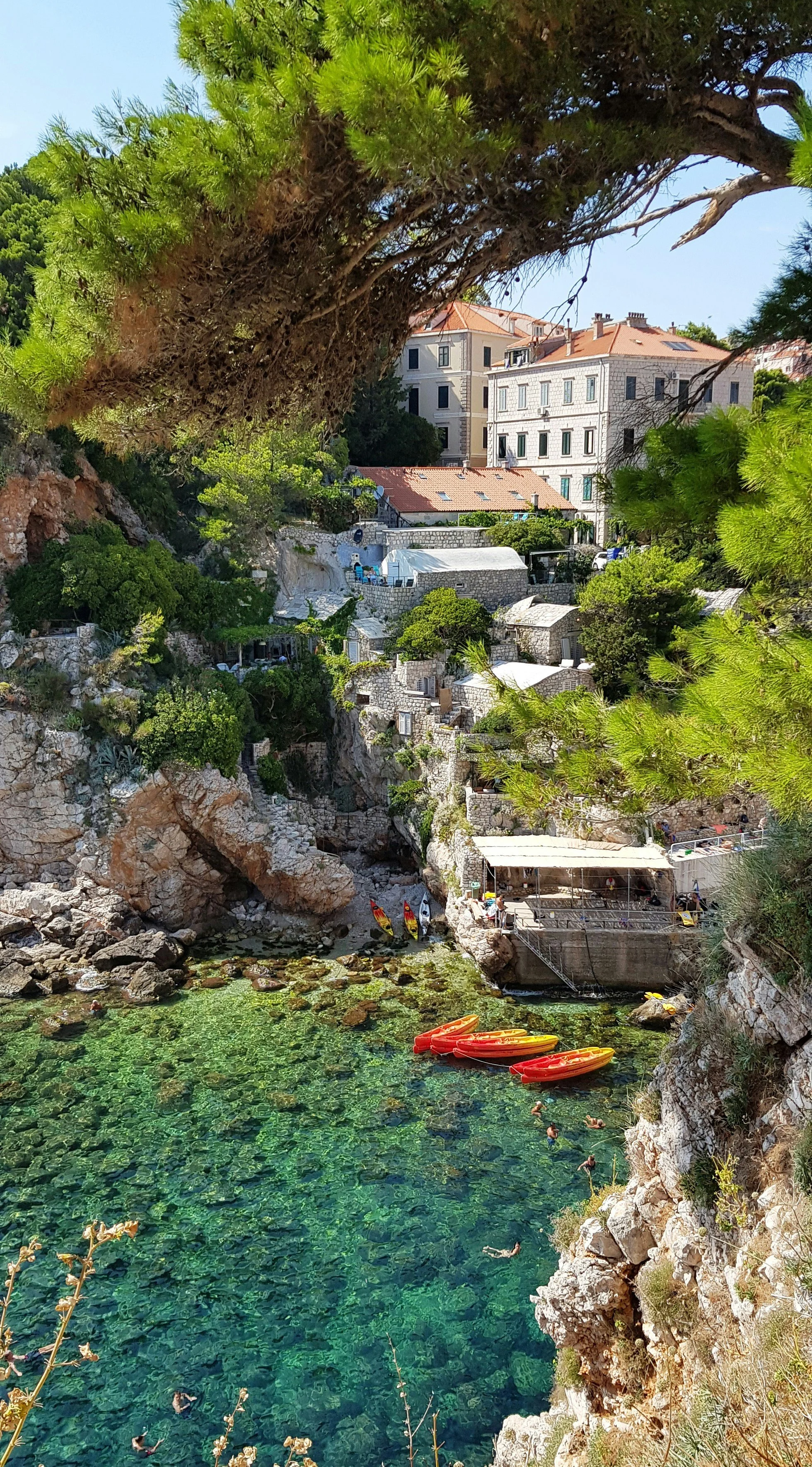
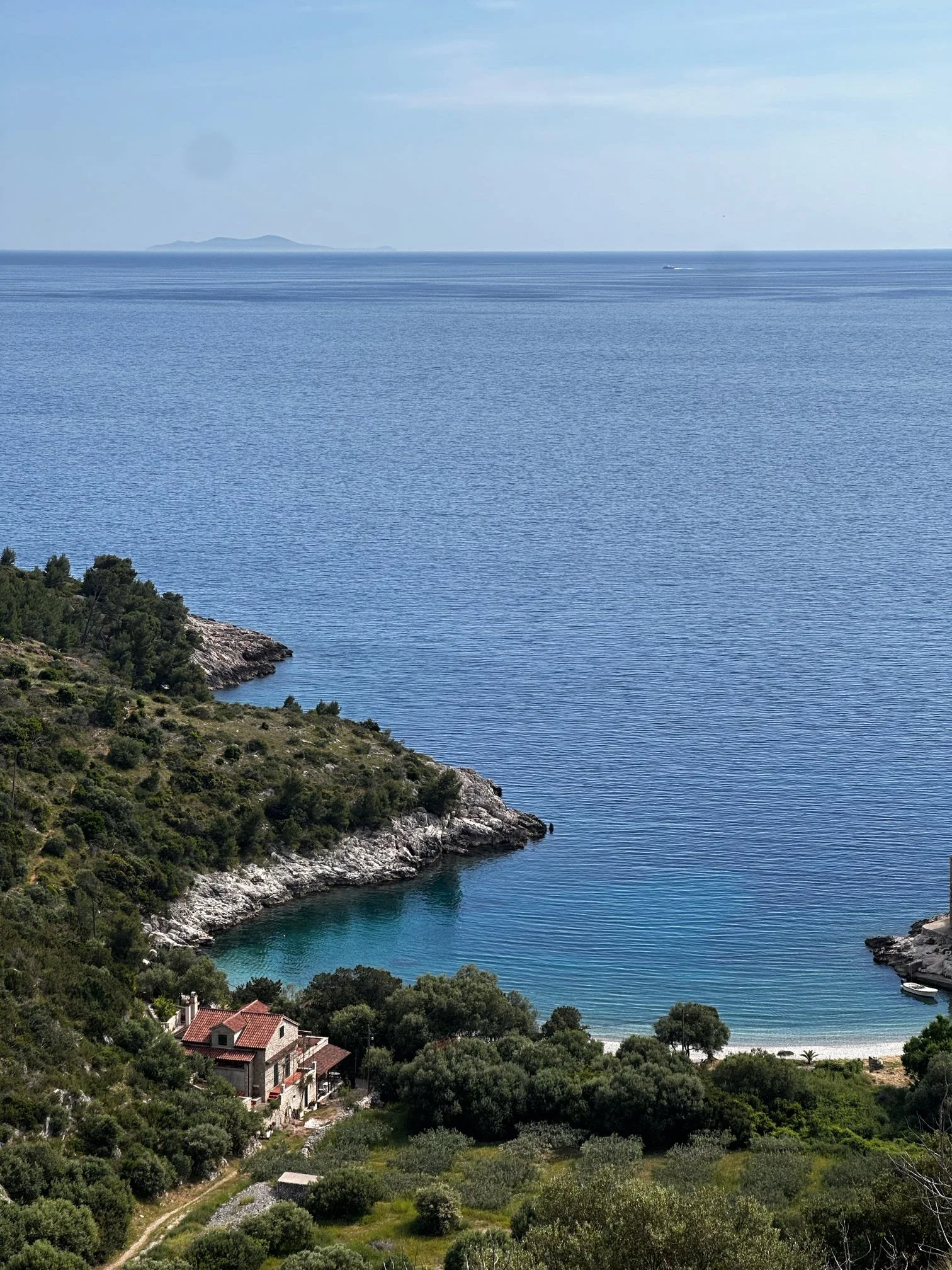
The Adriatic Sea is famously clear, often described as some of the most transparent water in Europe. Island hopping by private yacht or small cruise allows travelers to explore hidden coves, fishing villages, and dramatic cliffs. Each island has a distinct personality from Hvar’s energy to Vis’s seclusion making boating not just transportation, but the experience itself.Local Gastronomy
Croatian cuisine reflects Mediterranean freshness with strong Central European and Balkan influences. Olive oil, seafood, truffles, handmade pasta, slow-roasted meats, and regional wines all define the culinary landscape. Coastal menus lean heavily toward fish and shellfish, while inland regions feature heartier meat dishes and stews. The food culture is deeply local and proudly seasonal.Outdoor Adventures
From hiking Marjan Hill in Split to kayaking along Dubrovnik’s walls or exploring national parks filled with waterfalls, Croatia is incredibly active. The terrain shifts from rugged coastline to forested mountains to karst landscapes. Whether you prefer gentle walks or adrenaline-driven activities, the country offers exceptional access to nature.
Is It Safe In Croatia?
Yes, Croatia is considered one of the safest countries in Europe for travelers. Violent crime rates are very low, and most visitors find the environment welcoming and relaxed.
As with any popular European destination, the primary concern is petty theft, particularly in high-traffic areas during peak summer season. Pickpocketing can occur in crowded old towns or ferry ports. Simple awareness, secure bags, no valuables in back pockets, caution in dense crowds is usually sufficient.
One of the defining characteristics of Croatia is the honesty and helpfulness of its people. Many travelers remark on how locals will go out of their way to assist visitors, whether with directions or restaurant recommendations.
For swimming, always use designated safe zones and be mindful of rocky entries into the sea. Water shoes can be helpful in certain areas.
Croatia is also widely regarded as very safe for solo female travelers. Well-lit city centers, strong tourism infrastructure, and a culture accustomed to international visitors contribute to comfort. The same basic precautions that apply anywhere; avoiding poorly lit isolated areas late at night and arranging trusted transport are helpful and give peace of mind.
Working with a knowledgeable travel professional adds another layer of comfort. Knowing the best neighborhoods, vetted accommodations, and trusted drivers ensures a seamless and secure experience.
What to See in Croatia:
Dubrovnik
Located in southern Dalmatia near the Montenegro border, Dubrovnik is perhaps Croatia’s most iconic city. Its fortified walls encircle the Old Town and offer one of the most breathtaking walks in Europe. From atop the walls, you see terracotta rooftops, church spires, and the shimmering Adriatic stretching endlessly outward.
This city predates the bubonic plague and was a powerful maritime republic long before many European capitals rose to prominence. Inside the Old Town, you’ll find beautiful churches, monasteries, and one of the oldest operating pharmacies in Europe the ancient Franciscan apothecary.
Nearby hiking trails above the city offer panoramic views that stretch toward Bosnia and Herzegovina. The best time to visit is May, early June, September, or early October when cruise traffic is lighter and temperatures are comfortable.
Krka National Park
Located inland from Šibenik, Krka National Park is known for its layered waterfalls and wooden platforms that wind through lush greenery. The layout feels immersive elevated walkways make you feel as though you are floating above the water.
The waterfalls cascade into crystal-clear pools surrounded by forest, creating a tranquil yet dramatic landscape. Late spring and early fall offer the best balance of water flow and manageable crowds.
Split
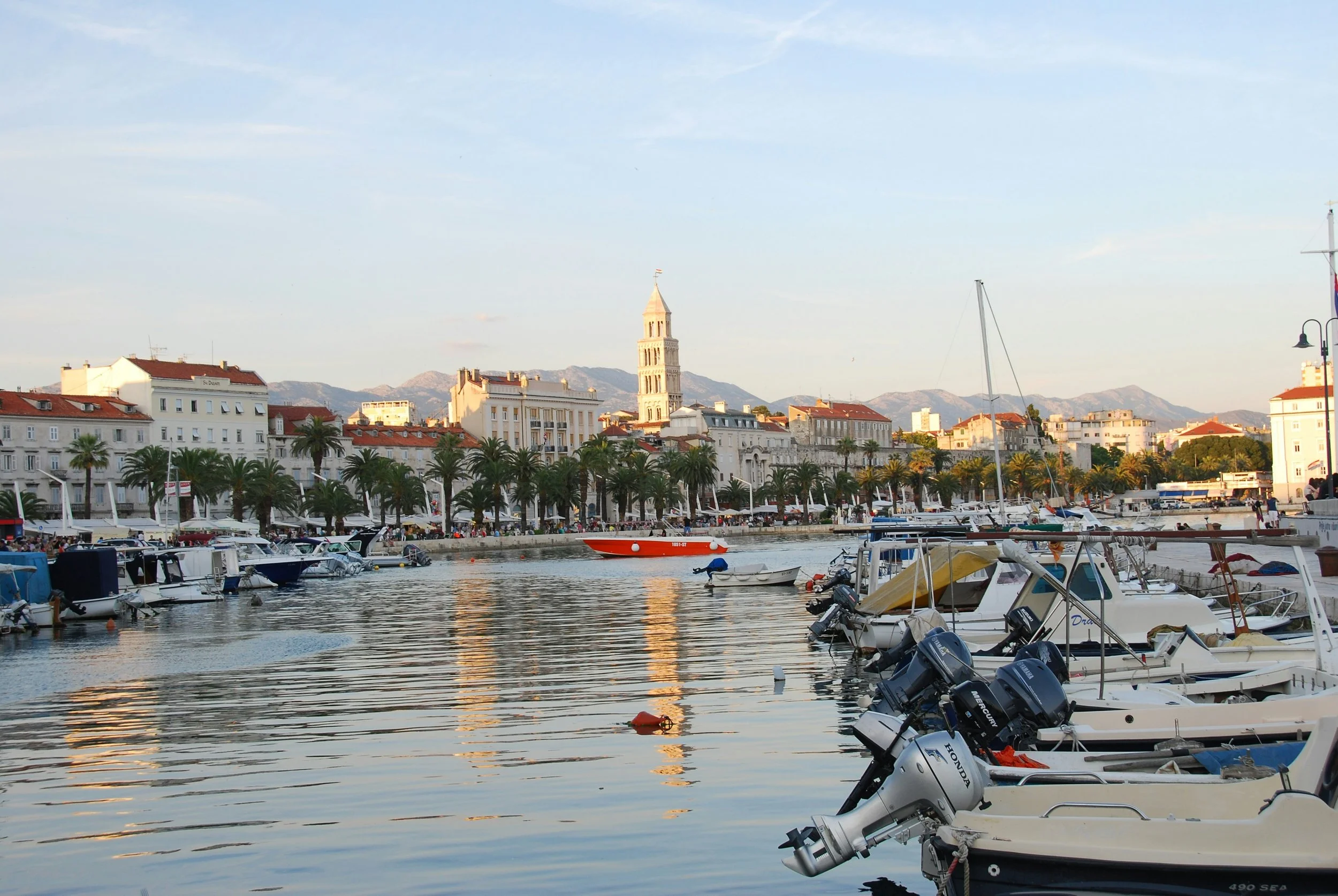
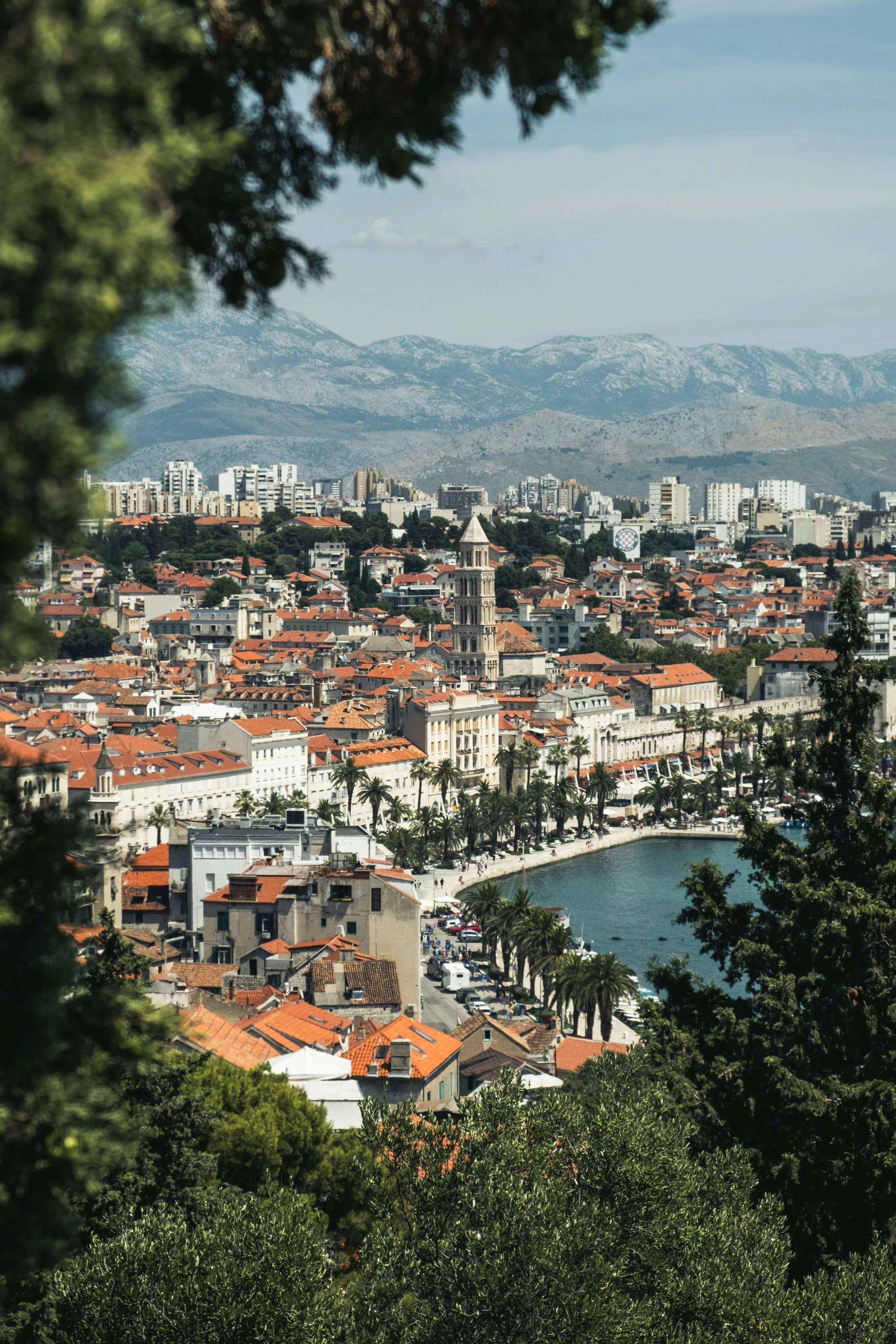
Split sits along central Dalmatia and centers around Diocletian’s Palace, a UNESCO site built for the Roman emperor in the 4th century. What makes Split extraordinary is that the palace is not a preserved ruin, rather it is a living, breathing part of the city. Homes, shops, and restaurants are built into its ancient walls.
Climb Marjan Hill for sweeping views of the harbor and nearby islands. Split’s culinary scene is vibrant, with excellent seafood, Dalmatian wines, and buzzing piazzas. Visit May–June or September for ideal weather and energy without peak congestion.
Korčula
Often referred to as “Little Dubrovnik,” Korčula lies south of Split and north of Dubrovnik. Its compact walled town, rumored birthplace of Marco Polo, is charming and less crowded. While many Italians claim him as their own, Korčula stakes its own claim. A rivalry that has caused more than a few broken relationships at family dinner tables over who gets to claim the famous explorer. Regardless of where he was truly born, the island embraces its connection to Marco Polo with pride, adding another layer of intrigue to its medieval streets, stone buildings, and maritime history.
I mentioned earlier that cities in Croatia can feel like living architectural museums, and Korčula is a wonderful example. The Old Town streets resemble a fish skeleton from above, originally built to block the harsh winter winds, while allowing the cool breeze to flow through the city in the warmer months. Late spring and early autumn are ideal.
Brač
Just off the coast of Split, Brač is best known for its centuries-old stonemason school, where the island’s brilliant white limestone is still carved by hand using traditional techniques. This same stone has been used in landmarks from Diocletian’s Palace to the White House. Beyond its craftsmanship heritage, Brač offers beautiful beaches and lovely day trips to locations like the iconic Zlatni Rat, along with scenic hiking and sweeping Adriatic views. It’s an excellent stop for travelers who appreciate cultural depth paired with relaxed island beauty, especially from June through September.
Hvar
Hvar is known for sunshine, lavender fields, and yacht culture. While the town can be lively in high summer, the island also offers quiet coves, hiking trails, and agricultural traditions including beekeeping and olive cultivation. June and September provide beauty without peak nightlife crowds.
Zadar
Located along the northern Dalmatian coast between Split and Istria, Zadar offers a compelling blend of Roman ruins, medieval churches, and contemporary art installations. While its Old Town is rich with history, including a Roman forum and the 9th-century Church of St. Donatus, it is perhaps best known for the Sea Organ, an architectural sound installation built into the waterfront promenade. As Adriatic waves move through a series of underwater pipes, they create haunting, melodic tones that shift with the rhythm of the sea, turning nature itself into music.
Just steps away, the “Greeting to the Sun” light installation captures solar energy by day and transforms the harbor into a glowing display at night. Zadar is ideal for travelers who appreciate a destination that feels both historic and innovative, and it is especially lovely in May, June, and September when you can linger along the waterfront at sunset without peak-season crowds.
Istria
In northern Croatia near Italy and Slovenia, Istria is Croatia’s wine and truffle region. Rolling hills dotted with medieval villages produce exceptional Malvasia and Teran wines. Traditional winemaking methods, truffle hunting, and olive oil tastings define the region. Visit in September during harvest season for the richest experience.
Plitvice Lakes National Park
Located between Zagreb and the coast, Plitvice is Croatia’s most famous inland natural wonder. Sixteen terraced lakes connected by waterfalls create a surreal turquoise landscape. Boardwalks wind through the park, allowing close-up access without disturbing the environment. Spring and autumn offer vivid color and fewer crowds.
Rovinj
In Istria, Rovinj is a romantic fishing town with Venetian architecture and pastel buildings. Its harbor sunsets are some of the most beautiful in Croatia. It is ideal for couples seeking a slower pace paired with gourmet dining.
Vis
Farther offshore and once closed to foreigners during Yugoslav times, Vis feels remote and authentic. Dramatic cliffs, hidden beaches, and a laid-back atmosphere define the island. It is perfect for travelers seeking privacy and natural beauty. Late June and September are particularly lovely.


What to Do in Croatia:
Wine Tasting
Croatia’s wine regions are diverse and underappreciated. Istria produces crisp whites and earthy reds, while Dalmatia is known for robust Plavac Mali. The best time for wine tasting is late summer through early autumn during harvest. Private vineyard visits allow you to meet winemakers and taste limited-production bottles. Ideal for couples and culinary travelers!
Food and Drink Tastings
Olive oil tastings, honey farm visits, and farm-to-table experiences highlight Croatia’s agricultural pride. Pasta culture in Istria reflects Italian influence, while eastern regions lean toward grilled meats and freshwater fish. A must-try dish is peka — meat or seafood slow-cooked under a bell-shaped lid with vegetables. Cooking classes in countryside estates or seaside villas offer unforgettable immersion. These are best enjoyed in spring and fall when ingredients are at their peak.
Swimming and Boating
The Adriatic’s clarity is unmatched. Private yacht charters or small-ship cruises allow access to secluded coves and islands unreachable by land. Combining a short luxury cruise with a land-based itinerary offers balance, active exploration with restorative coastal relaxation. While you will see locals swimming in late spring, and later fall, the best time for U.S. visitors to go swim is from June through September.
History and Cultural Experiences
Guided tours of Roman ruins, medieval fortresses, and UNESCO cities bring Croatia’s complex history to life. Private historians elevate the experience beyond surface-level sightseeing. Ideal year-round, though shoulder seasons offer a quieter pace.
Visiting National Parks and Hiking
From Plitvice to Krka to Paklenica National Park (ideal for serious hikers and climbers), Croatia’s landscapes invite exploration. Spring and autumn are best for hiking due to moderate temperatures. These activities suit active travelers and families with older children.
Croatia is not just a destination, it is a layered experience. It can be romantic, adventurous, culinary, historic, or restorative. The key is thoughtful planning and an understanding of how each region complements the next. When curated well, Croatia unfolds not as a checklist of stops, but as a seamless journey through sea, stone, and story. And when you work with a seasoned travel professional, you gain access to those “un-Googleable” private estates, generational winemakers, hidden coves, and deeply rooted local connections bringing you the most authentic and elevated version of the country rather than just its most photographed highlights. If you’re still wondering if Croatia is a good place to visit, read this post. Croatia truly is one of the most underrated destinations. Reach out HERE to start planning today!