Is Croatia a Good Place to Visit?
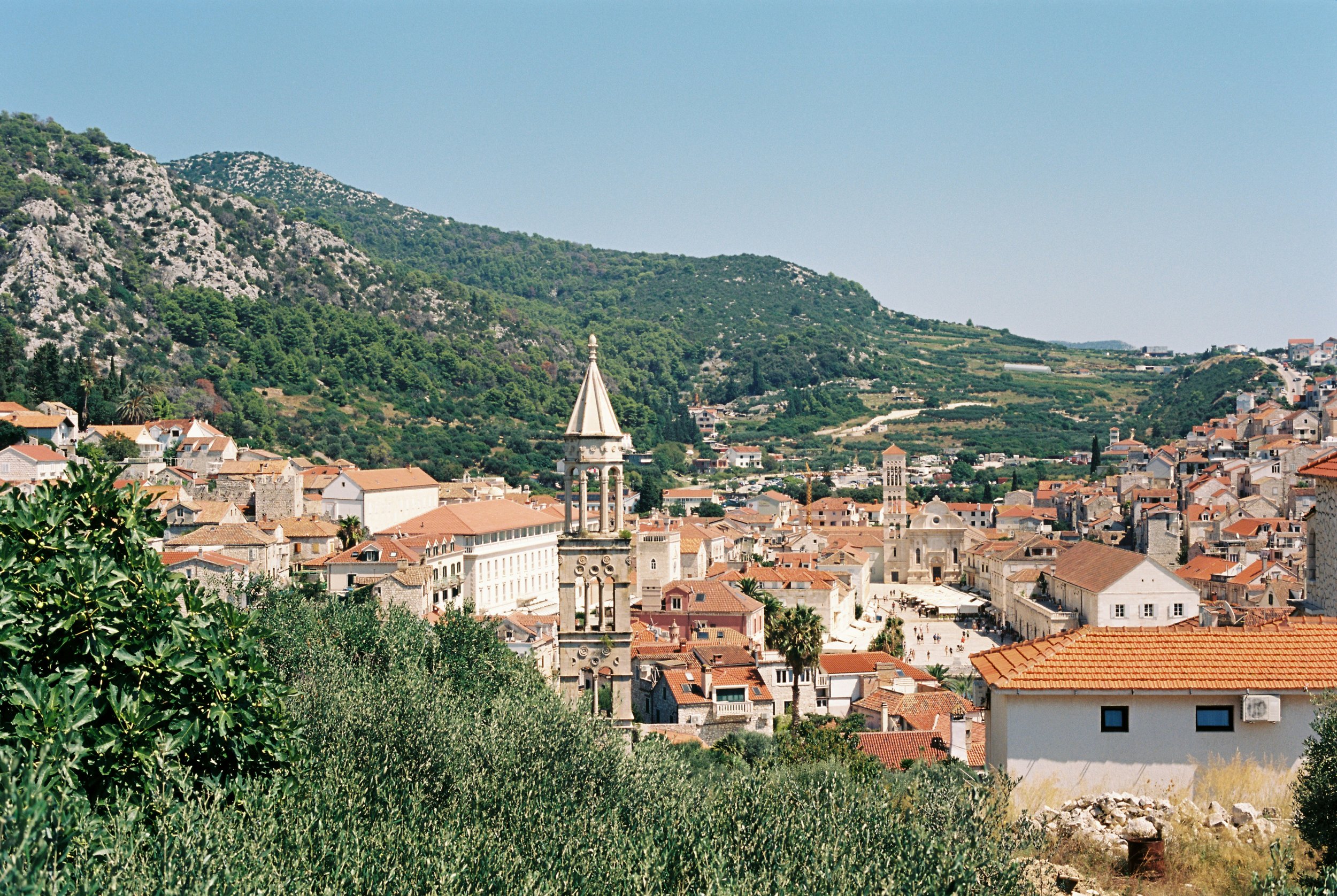
Croatia is one of those destinations that seemed to quietly build momentum and then, almost overnight, found itself named one of Europe’s top travel hotspots. It offers dramatic coastal beauty along the Adriatic, centuries of layered history, diverse outdoor pursuits, cinematic old towns, and landscapes that shift from vineyard-covered hills to limestone cliffs plunging into turquoise water. It’s also quietly becoming one of the best honeymoon locations in Europe for couples who want romance without sacrificing adventure or cultural depth. And yet, despite attracting millions of visitors each year, Croatia remains surprisingly under-explored among many American travelers. It is often talked about, saved on Instagram, and added to “someday” lists—but not nearly as many people have actually visited.
As a luxury travel consultant who has designed custom itineraries throughout Europe for years, I’ve watched Croatia evolve from a niche Adriatic escape to a mainstream bucket-list contender. With that rise has come curiosity, and hesitation. So let’s address the question directly: Is Croatia a good place to visit? In this guide, I’ll walk you through exactly what to expect, who it’s best for, when to go, and how to experience it well.
Is Croatia a Good Place to Visit?
Croatia is experiencing a significant surge in tourism. Since joining the European Union and, more recently, adopting the euro and entering the Schengen Area, travel has become easier than ever. Cruise ships dock daily in Dubrovnik. Island marinas fill with yachts in summer. Direct flights continue to expand. The world has discovered Croatia.
But with popularity comes the inevitable question: Does it actually live up to the hype?
The answer depends on expectations. Croatia absolutely delivers in natural beauty, architecture, and atmosphere. However, travelers who assume it will feel like a hidden gem in peak July may be surprised by crowds. Those expecting bargain-basement prices may find that the country’s popularity has elevated costs in high-demand areas.
Understanding what to expect in terms of crowd levels, pricing, and travel logistics is what allows you to decide if Croatia is right for you. When approached thoughtfully, with the right timing, pacing, and locations Croatia can feel extraordinary. When approached casually during peak season without strategy, it can feel busy and overpriced.
As with many sought-after European destinations, the key is intention.
Where Is Croatia Located in Europe?
Croatia sits along the eastern coast of the Adriatic Sea, directly across from Italy. It shares borders with Slovenia to the northwest, Hungary to the northeast, Serbia to the east, and Bosnia & Herzegovina and Montenegro to the southeast. Its coastline stretches for more than 1,000 miles when you include the islands creating one of Europe’s most visually dynamic shorelines.
Most international travelers enter Croatia through:
Dubrovnik Airport (DBV) – Ideal for southern Dalmatia itineraries.
Split Airport (SPU) – The most common entry point for island-hopping and central coast trips.
Zagreb Airport (ZAG) – Best for travelers combining Croatia with Slovenia, Austria, or Northern Italy.
Venice (Italy) – Many travelers pair Venice and Croatia via ferry or private transfer.
Since Croatia is now part of the Schengen Zone, there are no internal passport checks when arriving from other Schengen countries. This has made multi-country itineraries significantly smoother.
Accessibility has improved dramatically over the past decade. Seasonal direct flights from major U.S. cities operate in summer, and connections through European hubs are efficient year-round. Highways are modern, ferry systems are reliable, and private transfers between coastal cities are seamless.
In short: Croatia is no longer difficult to reach. It’s well connected which is both a benefit and a contributor to its popularity.
Is Croatia Worth Visiting?
Yes! Croatia is absolutely worth visiting. But it’s worth visiting for the right reasons.
Croatia offers:
A spectacular Adriatic coastline with dramatic limestone cliffs and turquoise water
Over 1,000 islands, with more than 100 accessible to visitors
Historic architecture spanning Roman, Venetian, and Austro-Hungarian influence
A blend of Mediterranean ease and Central European elegance
Opportunities for adventure, from cycling to sailing to coastal exploration
Few destinations pack so much geographic diversity into such a manageable footprint. Within a week, you can move from medieval city walls to a chic island harbor to a rolling inland countryside dotted with olive groves.
It’s particularly ideal for travelers who love scenery, active days balanced with relaxation, and an itinerary that feels varied but not rushed. It’s less ideal for travelers seeking ultra-glam nightlife (outside select pockets like Hvar) or white-sand beaches in Croatia.
If you appreciate Europe’s cultural depth but prefer warmer water and a slightly more relaxed pace than France or Italy in summer, Croatia strikes a compelling balance.
What Is Croatia Known For?
Croatia is known for:
Stunning Adriatic coastline and over 1,000 islands
Croatia’s coastline is one of the most geographically dramatic in Europe. Limestone cliffs, hidden coves, pine-covered hillsides, and calm turquoise water create a setting that feels both rugged and refined. With more than 1,000 islands scattered along the Adriatic and over 100 accessible to visitors, travelers can choose between lively harbor towns, quiet fishing villages, or nearly uninhabited islets. This island density allows for immense variety within a relatively small sailing radius, which is one reason Croatia has become a global yachting hub.Historic cities like Dubrovnik and Split with medieval and Roman architecture
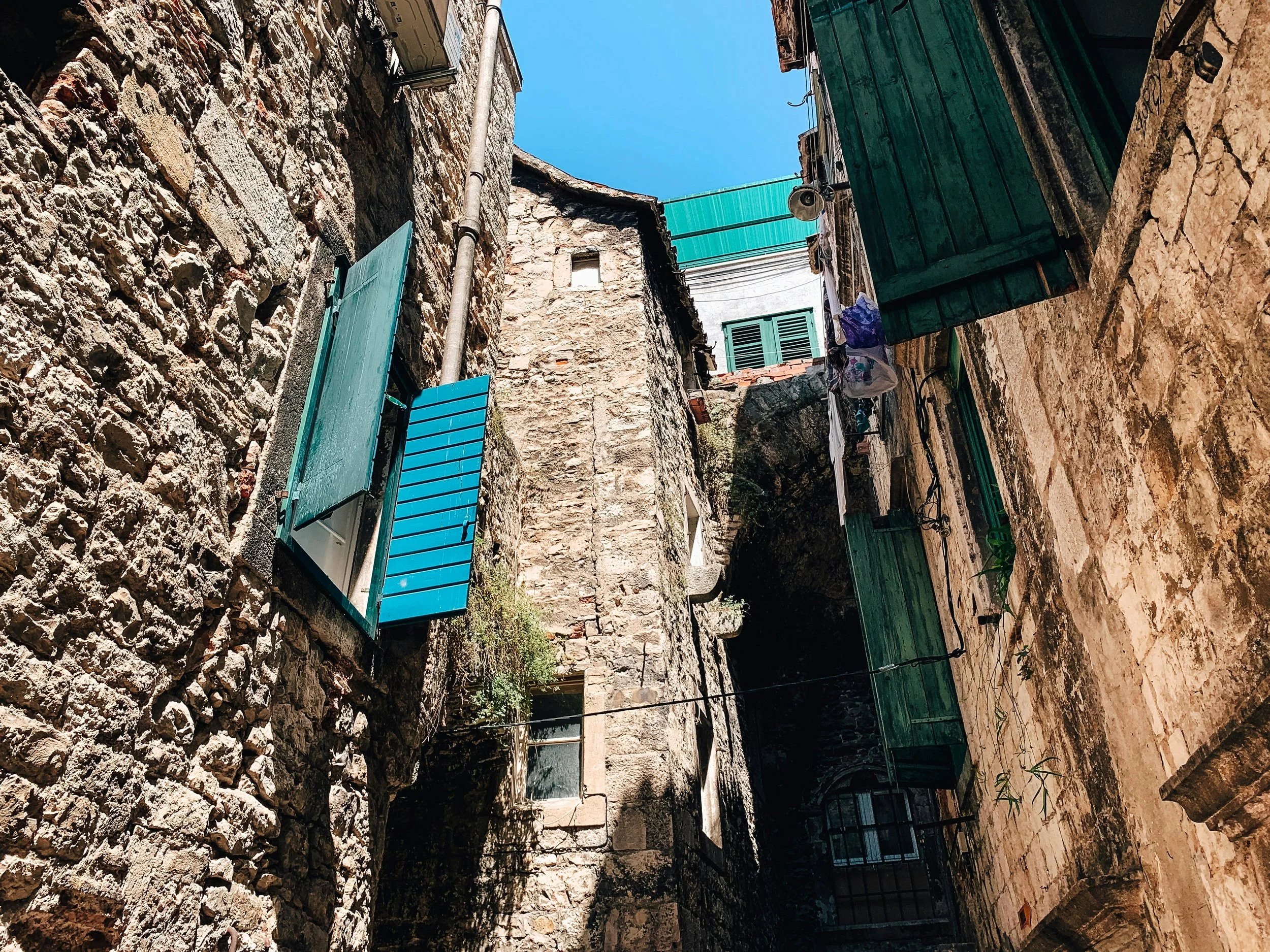
Croatia’s cities are living museums layered with history. Dubrovnik’s fortified Old Town, encircled by towering stone walls, feels cinematic at every turn. Split, by contrast, grew organically within the walls of Diocletian’s Palace, a Roman emperor’s retirement residence that now houses shops, apartments, and cafés within 1,700-year-old stone corridors. Unlike destinations where history is preserved behind glass, Croatia’s architectural heritage is woven directly into daily life.Natural attractions such as Plitvice Lakes and Krka National Park
Beyond the coastline, Croatia offers striking inland scenery. Plitvice Lakes National Park is a UNESCO-listed wonder of cascading waterfalls and terraced turquoise lakes connected by wooden boardwalks. Krka National Park offers a similarly beautiful waterfall system with easier access from the coast. These parks showcase Croatia’s lesser-known green landscapes, lush, forested, and refreshingly different from the sun-soaked Adriatic shoreline.Crystal-clear waters and unique pebble beaches like Zlatni Rat
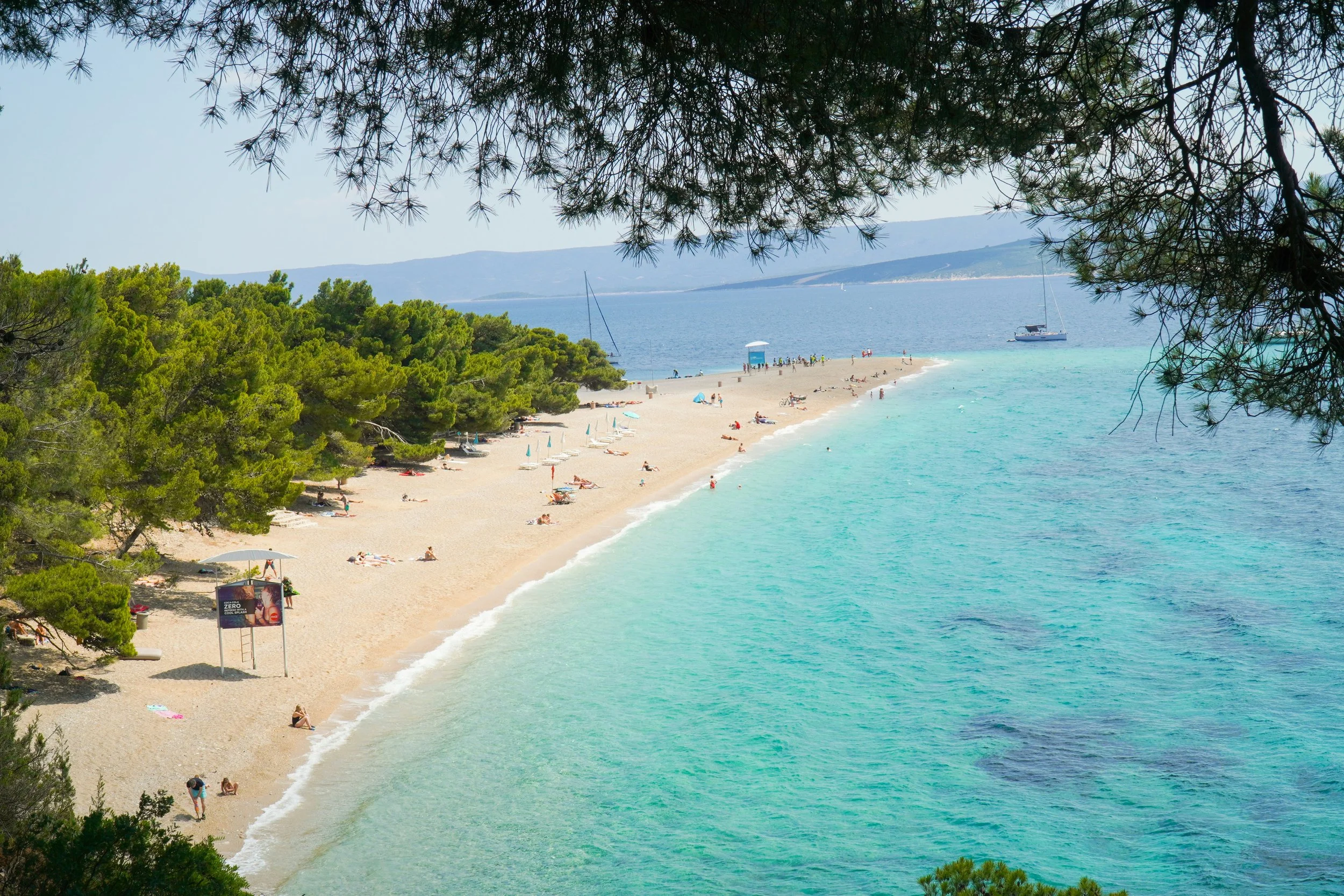
Croatia’s beaches are distinctive. Rather than soft white sand, much of the coastline features smooth pebbles and rocky platforms, which contribute to the remarkable clarity of the water. Zlatni Rat on the island of Brač is one of the most photographed beaches in Europe, known for its shifting, horn-shaped sandbar that extends into the sea. The lack of sand often surprises travelers, but the trade-off is extraordinarily transparent water that feels almost Caribbean in visibility.Sailing and island-hopping experiences
Few destinations in Europe are as well suited to maritime exploration as Croatia. Short distances between islands, protected channels, predictable summer weather, and abundant marinas make it ideal for both seasoned sailors and first-time charters. Island hopping here feels efficient and varied; you can have lunch in one harbor, swim off a secluded cove in the afternoon, and dock in a completely different cultural atmosphere by evening.Mediterranean cuisine, fresh seafood, and emerging wine regions
Croatian cuisine reflects its geography. Along the coast, menus highlight grilled fish, octopus, olive oil, and simple Mediterranean preparations. Inland influences bring heartier Central European flavors. In recent years, Croatia’s wine scene has gained international attention, with indigenous grape varieties and boutique producers elevating the country’s culinary reputation. Dining here feels unfussy yet high quality, less formal than France or Italy, but equally rooted in regional identity.A blend of Central European and Mediterranean cultural influences
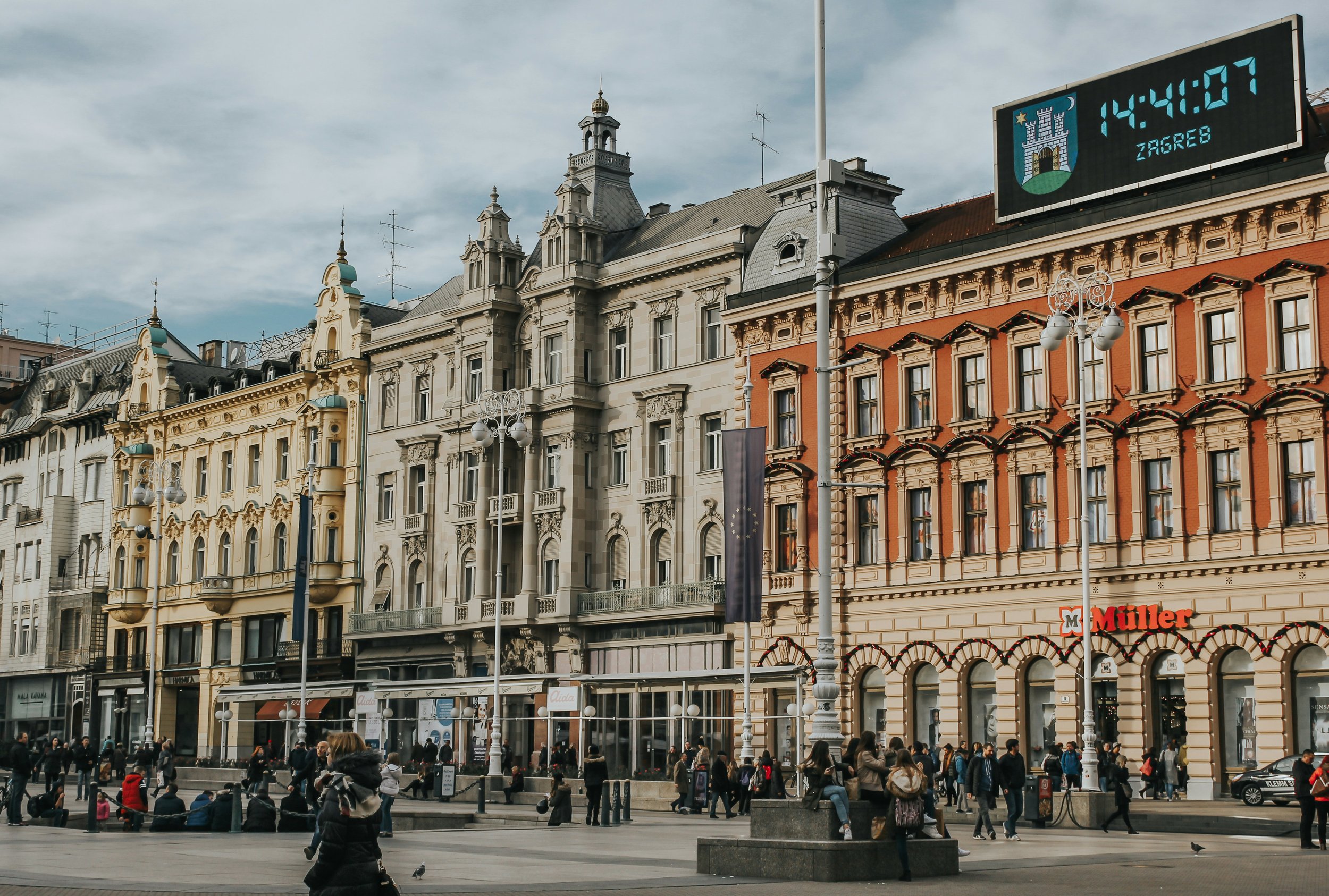
Croatia sits at a cultural crossroads. Venetian, Austro-Hungarian, Ottoman, and Slavic influences all shaped its architecture, cuisine, and traditions. In Istria, you may feel echoes of Northern Italy. In Zagreb, there’s a noticeable Central European elegance. Along the Dalmatian Coast, the Mediterranean lifestyle dominates. This cultural layering gives Croatia a richness that goes beyond beaches it feels nuanced, historically complex, and distinctly its own
It’s also increasingly recognized for luxury boutique hotels, yacht charters, and curated coastal experiences that rival more established Mediterranean destinations.
What Is the Best Time To Visit Croatia?
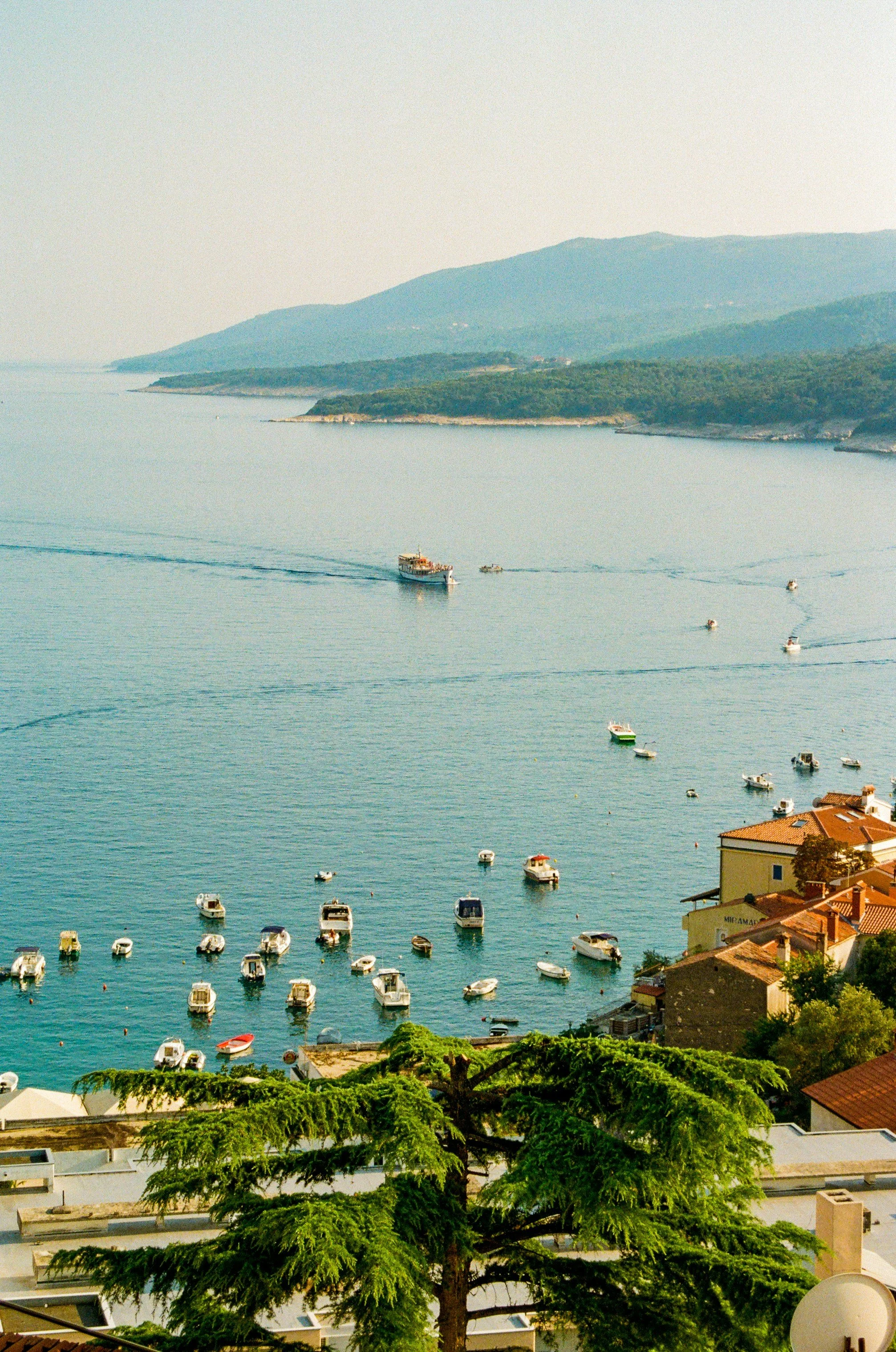
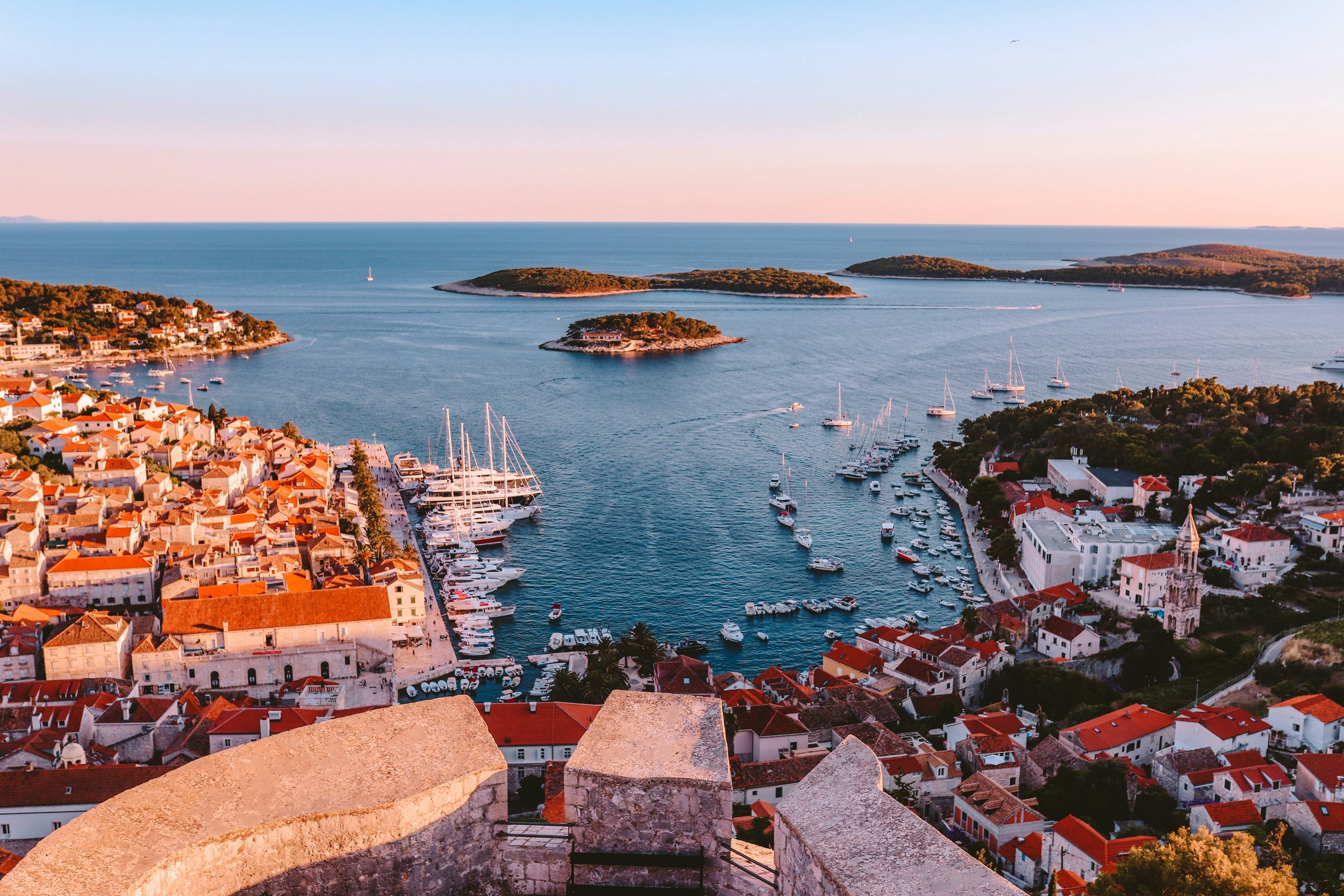
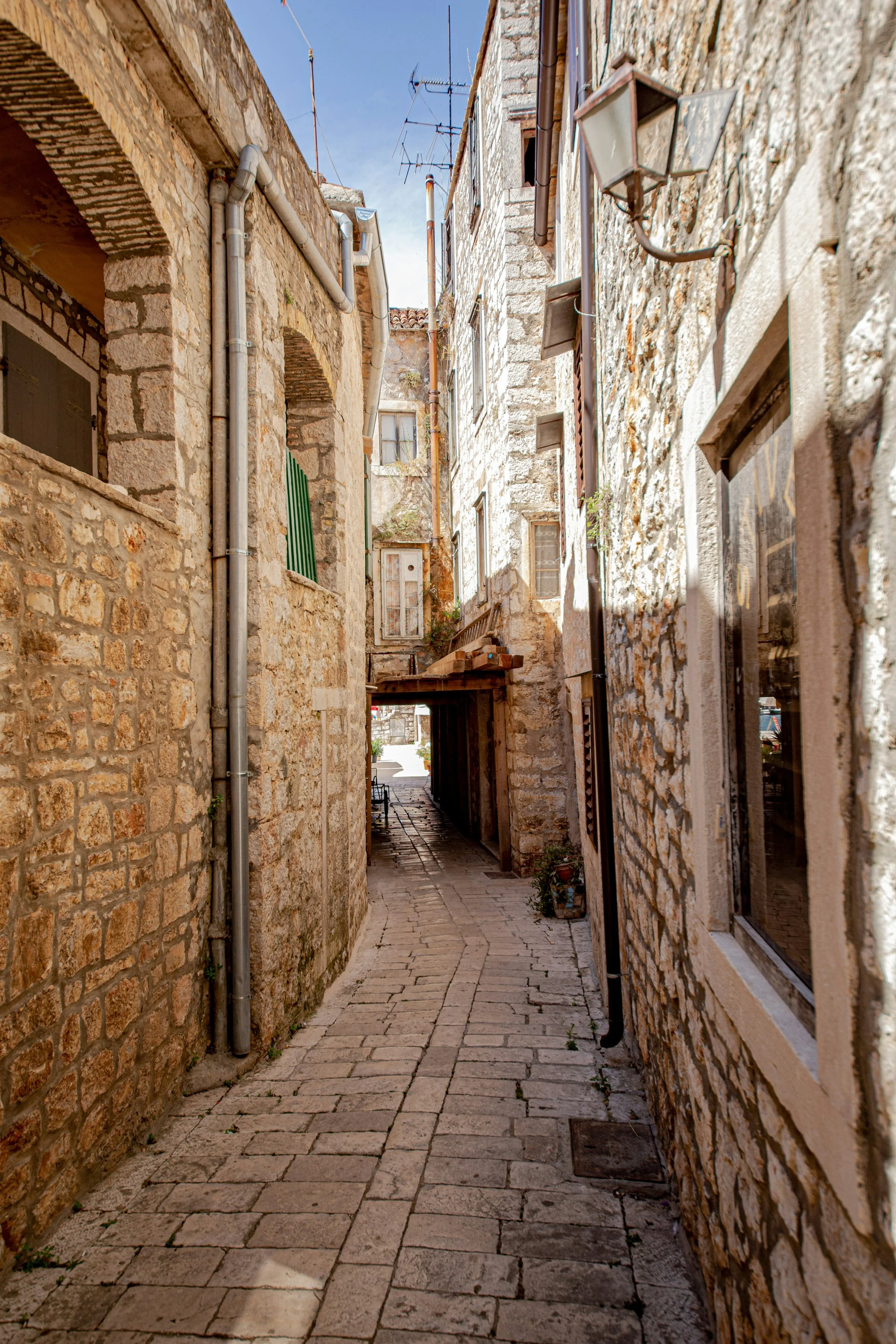
The best months to visit Croatia are May, June, September, and early October.
Here’s what to expect seasonally:
July & August:
Peak season. Long sunny days, vibrant harbors, and warm swimming temperatures. However, this is when cruise ships are most frequent, hotel rates are highest, and popular towns like Dubrovnik and Hvar feel crowded. It can be wonderful but only with careful planning.
May & June:
Arguably ideal. Pleasant temperatures, blooming landscapes, fewer crowds, and fully operational ferry schedules. Water temperatures warm steadily through June.
September & Early October:
Warm seas, golden light, harvest season inland, and significantly fewer tourists than mid-summer. Restaurants and hotels remain open, but the energy feels calmer.
April & Late October:
Headed into shoulder season. Beautiful and quiet, but ferry routes may be reduced and some island hotels closed.
November–March:
Lower season. Coastal towns become sleepy, and while this can be charming for certain travelers, it is not ideal for island-focused itineraries.
Timing matters enormously in Croatia. The difference between early June and late July can completely transform your experience.
What to Do in Croatia:
Below are elevated experiences I recommend to clients looking for more than the standard checklist. If you want to check out some additional information on things I love, check out my previous post about Croatia HERE to get inspiration on other amazing experiences this country has to offer.
Explore Croatia by Private Yacht Charter
While group sailing and public ferries are common, a private yacht charter elevates the experience entirely. Chartering a crewed catamaran or motor yacht allows you to dictate your pace, choose lesser-visited anchorages, and enjoy complete flexibility.
Where to do it:
Split to Hvar, Vis, Korčula, and onward toward Dubrovnik is a classic route. Northern routes through the Kornati Islands offer a more secluded feel.
When to go:
June and September offer optimal weather without peak marina congestion.
How to make the most of it:
Work with a charter specialist to secure a knowledgeable skipper and flexible route. Anchor near quieter coves for sunset evenings away from the main ports.
Cycle Through Istria’s Countryside
Northern Croatia’s Istrian Peninsula feels entirely different from the Dalmatian Coast. Think rolling hills, medieval hilltop towns, truffle forests, and vineyard-dotted landscapes.
Where to do it:
The Parenzana Trail is a scenic former railway route that winds through picturesque villages like Motovun and Grožnjan.
When to go:
Late spring and early fall are ideal for comfortable cycling temperatures.
How to elevate it:
Base yourself at a refined countryside estate or boutique agriturismo. Arrange guided cycling routes with luggage transfers between towns for a seamless experience.
Attend a Summer Cultural Festival
Croatia’s summer calendar is filled with open-air performances set against historic backdrops.
Where to go:
Dubrovnik Summer Festival (July–August)
Split Summer Festival
Pula Film Festival (held in a Roman amphitheater)
Why it’s special:
Watching a classical concert inside ancient stone walls or a film inside a Roman arena adds atmosphere you simply can’t replicate elsewhere.
How to plan it well:
Secure tickets early and combine the performance with a private pre-show walking experience to better understand the setting.
Visit Croatia’s Contemporary Art & Design Scene
Croatia is not just medieval architecture and coastal views. Its modern creative scene is quietly compelling.
Where to explore:
Museum of Contemporary Art in Zagreb
Museum of Broken Relationships (quirky but memorable)
Contemporary galleries in Split’s Veli Varoš district
Why it matters:
This side of Croatia reveals its modern identity — thoughtful, artistic, and evolving beyond its postcard reputation.
Pair this with:
A stay in a design-forward boutique hotel in Zagreb before heading to the coast for a well-rounded itinerary.
Final Thoughts: Is Croatia a Good Place to Visit?
Yes! Croatia is a good place to visit. In fact, for many travelers, it’s an exceptional one.
But it is not a secret. It is not always inexpensive. And it is not automatically relaxing without thoughtful planning.
Croatia rewards travelers who:
Time their trip strategically
Move beyond just Dubrovnik
Balance islands with inland regions
Pace their itinerary thoughtfully
It offers remarkable coastal scenery, layered history, elegant towns, and access to over a thousand islands all within a country that is compact and navigable.
For couples seeking romance, families wanting active exploration, or travelers looking to experience Europe’s Mediterranean side without repeating Italy or Greece, Croatia deserves serious consideration.
Like any destination that rises quickly in popularity, the difference between a “good” trip and an extraordinary one comes down to how you approach it.
And when done well, Croatia doesn’t just meet expectations, it exceeds them.