Planning a Trip to Ireland
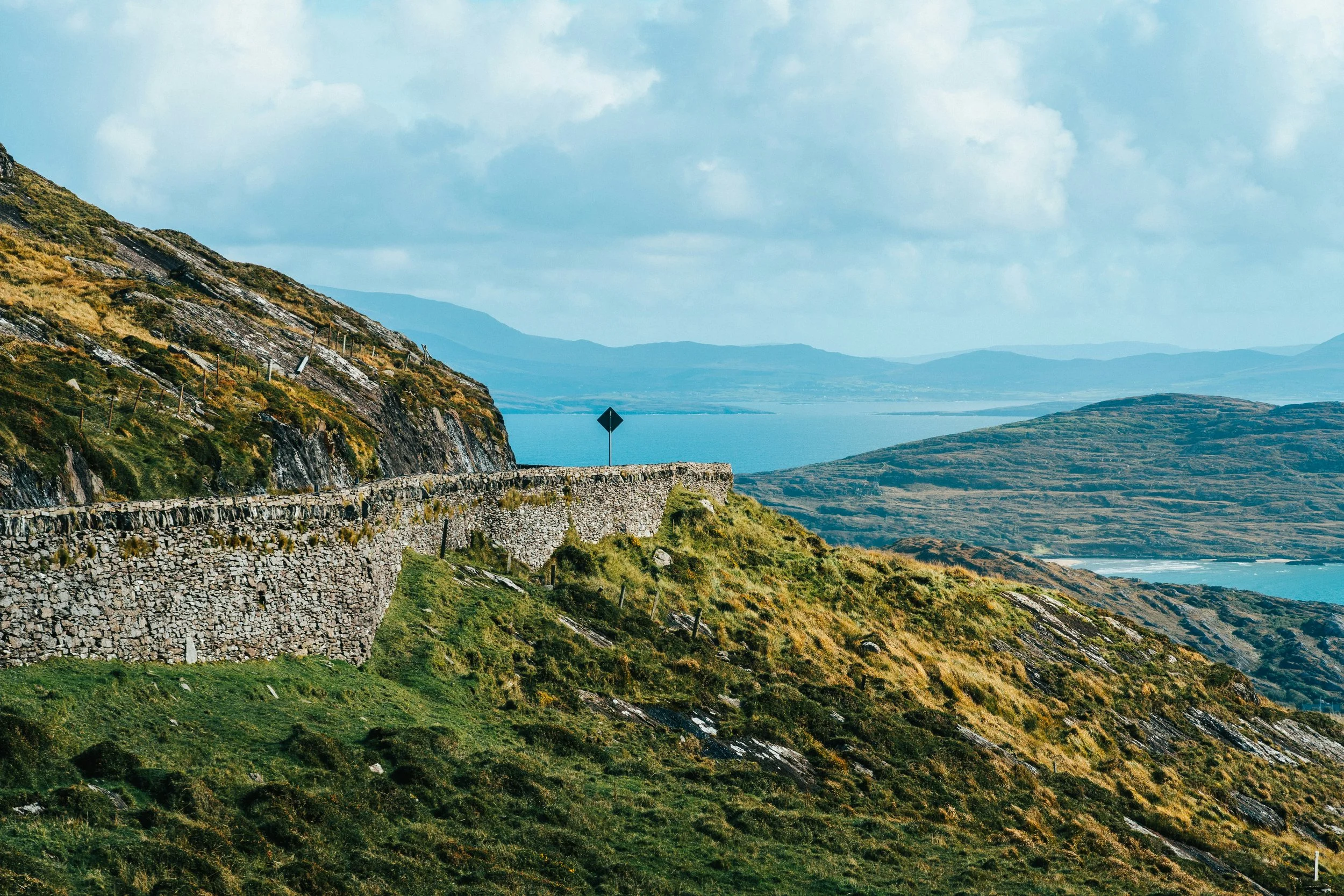
Ireland is one of the most popular destinations in Europe, and for good reason. Travelers are drawn not only by the romantic landscapes and rugged coastlines, but by the depth of culture and history that feels woven into everyday life. Despite its compact size, Ireland offers an extraordinary concentration of experiences, from medieval castles and ancient monastic settlements to dramatic coastal scenery and lively cities, often within just a few hours of one another. It is a place where stone walls trace winding country lanes, sheep graze on emerald hillsides, and centuries-old villages sit beside the Atlantic, preserving traditions that stretch back generations.
Yet Ireland is also a destination where intentional planning makes an enormous difference. While the island appears small on a map, travelers who try to cover too much ground often find themselves rushing past the very places that make Ireland special. A well-designed itinerary allows you to experience the country at the pace it deserves lingering in small towns, exploring the countryside, and connecting with Ireland’s deep cultural roots and heritage.
This guide offers a practical, experience-based approach to planning a fun and memorable trip to Ireland. Whether you are visiting for the first time or returning to explore further, these recommendations will help you make the most of your time while avoiding the common pitfalls that can turn a dream trip into an exhausting one.
Planning a Trip to Ireland:
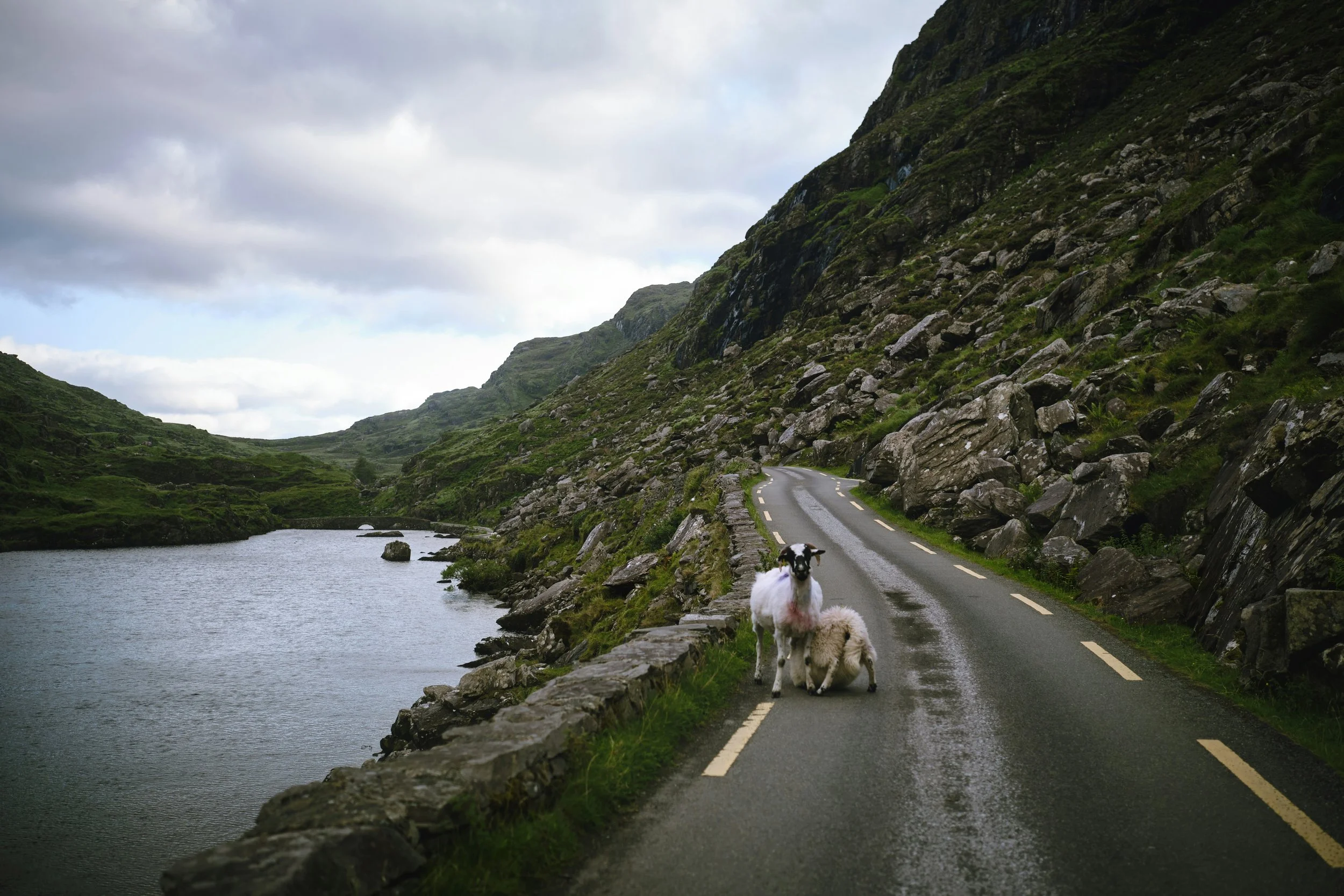
At first glance, Ireland looks deceptively small. On a map, distances between major destinations appear short enough to suggest that the entire island can be covered in just a few days. In reality, Ireland’s travel times are shaped less by mileage and more by road conditions. Outside the main highways, much of the country is connected by narrow rural lanes bordered by stone walls, hedges, and farmland. These roads are undeniably scenic, but they slow travel considerably.
What appears to be a two-hour drive on paper can easily stretch into three or four hours when you factor in winding routes, tractors, sheep crossings, scenic stops, and small villages. Add in Ireland’s famously unpredictable weather, sudden rain showers, fog rolling off the Atlantic, or strong coastal winds and travel times can become even more variable.
For this reason, realistic pacing is one of the most important elements of a successful Ireland itinerary. Rather than trying to see everything in one trip, it is far more rewarding to focus on one or two regions and explore them thoroughly. Region-based itineraries allow for shorter drives, deeper exploration, and a more relaxed experience overall.
When planned well, a trip to Ireland feels immersive rather than rushed. You have time to wander historic towns, enjoy long dinners in cozy pubs, take scenic walks along the coast, and appreciate the quiet beauty of the countryside. Thoughtful planning transforms Ireland from a checklist destination into a genuinely meaningful travel experience.
Where is Ireland?
Ireland is an island nation located in the North Atlantic, west of Great Britain and east of North America. It sits along major transatlantic routes, making it one of the most accessible European destinations for travelers from the United States, perfect for families, solo-travelers, or those looking to find a romantic honeymoon destination. Direct flights connect many American cities with Ireland year-round, and travel times are often shorter than flights to continental Europe.
The island is divided into two separate political regions:
The Republic of Ireland, an independent country that occupies the majority of the island
Northern Ireland, part of the United Kingdom, located in the northeastern corner
Travel between the Republic and Northern Ireland is seamless, with no formal border crossings, making it easy to include both in a single itinerary.
Major Airports in Ireland
Most travelers arrive through one of Ireland’s main international airports:
Dublin Airport (DUB)
Ireland’s largest and busiest airport, Dublin serves as the primary gateway for international visitors. It offers the most direct flights from North America and is the best arrival point for travelers planning to explore Dublin, Wicklow, Kilkenny, or the eastern half of the country.
Shannon Airport (SNN)
Located on Ireland’s west coast near Limerick, Shannon is an excellent entry point for travelers focusing on the Wild Atlantic Way, including County Clare, the Cliffs of Moher, and the Ring of Kerry. Flying into Shannon often saves several hours of driving compared to starting in Dublin.
Cork Airport (ORK)
Cork serves southern Ireland and provides convenient access to West Cork, the Ring of Kerry, and the scenic Beara Peninsula. While it offers fewer international routes, it is an excellent option when available.
Belfast Airports (BHD and BFS)
Northern Ireland is served by George Best Belfast City Airport and Belfast International Airport. These airports are ideal for travelers planning to explore Belfast, the Titanic Quarter, and the Causeway Coast.
Choosing Regions Based on Travel Style
Different regions of Ireland appeal to different types of travelers:
First-Time Visitors
Dublin and the east coast
County Wicklow
Cliffs of Moher
Ring of Kerry or Dingle Peninsula
Nature and Scenic Landscape Lovers
Connemara
The Wild Atlantic Way
The Dingle Peninsula
Donegal
History and Culture Enthusiasts
Dublin
Kilkenny
The Boyne Valley
Northern Ireland
Monastic sites like Glendalough and Clonmacnoise
Slow Travel and Romantic Escapes
Killarney National Park
West Cork
Ashford Castle region
Adare and County Limerick
Many well-planned itineraries include both the Republic of Ireland and Northern Ireland. A common route combines Dublin, the west coast, and Belfast or the Giant’s Causeway into a cohesive journey.
Is Ireland Worth Visiting?
Ireland is absolutely worth visiting, and its enduring popularity among international travelers reflects just how memorable a trip here can be. It consistently ranks among Europe’s most visited destinations, particularly for American travelers, who often feel a cultural and ancestral connection to the country.
What makes Ireland especially compelling is the sheer variety of experiences packed into a relatively small space. Within a single week, visitors can explore vibrant cities, quiet farming communities, windswept coastlines, and ancient ruins that date back thousands of years.
Ireland offers something for nearly every type of traveler.
Outdoor enthusiasts can hike along dramatic coastal cliffs, walk through national parks, or explore mountain valleys carved by glaciers. The west coast in particular provides some of Europe’s most scenic driving routes, where the Atlantic crashes against rocky shorelines and green hills stretch endlessly toward the horizon.
Ireland’s agricultural heritage remains deeply visible throughout the countryside. Sheep graze in open pastures, stone farmhouses dot the landscape, and local markets showcase regional cheeses, seafood, and traditional baked goods. Visiting rural Ireland offers a glimpse into a way of life that has changed slowly over centuries.
Food and drink have also become an increasingly important part of the travel experience. Traditional Irish cuisine now shares the stage with a vibrant modern food scene that emphasizes local ingredients and regional specialties. Walking tours in almost every city can incorporate tastes from craft breweries, to whiskey distilleries, and farm-to-table restaurants which are found throughout the country.
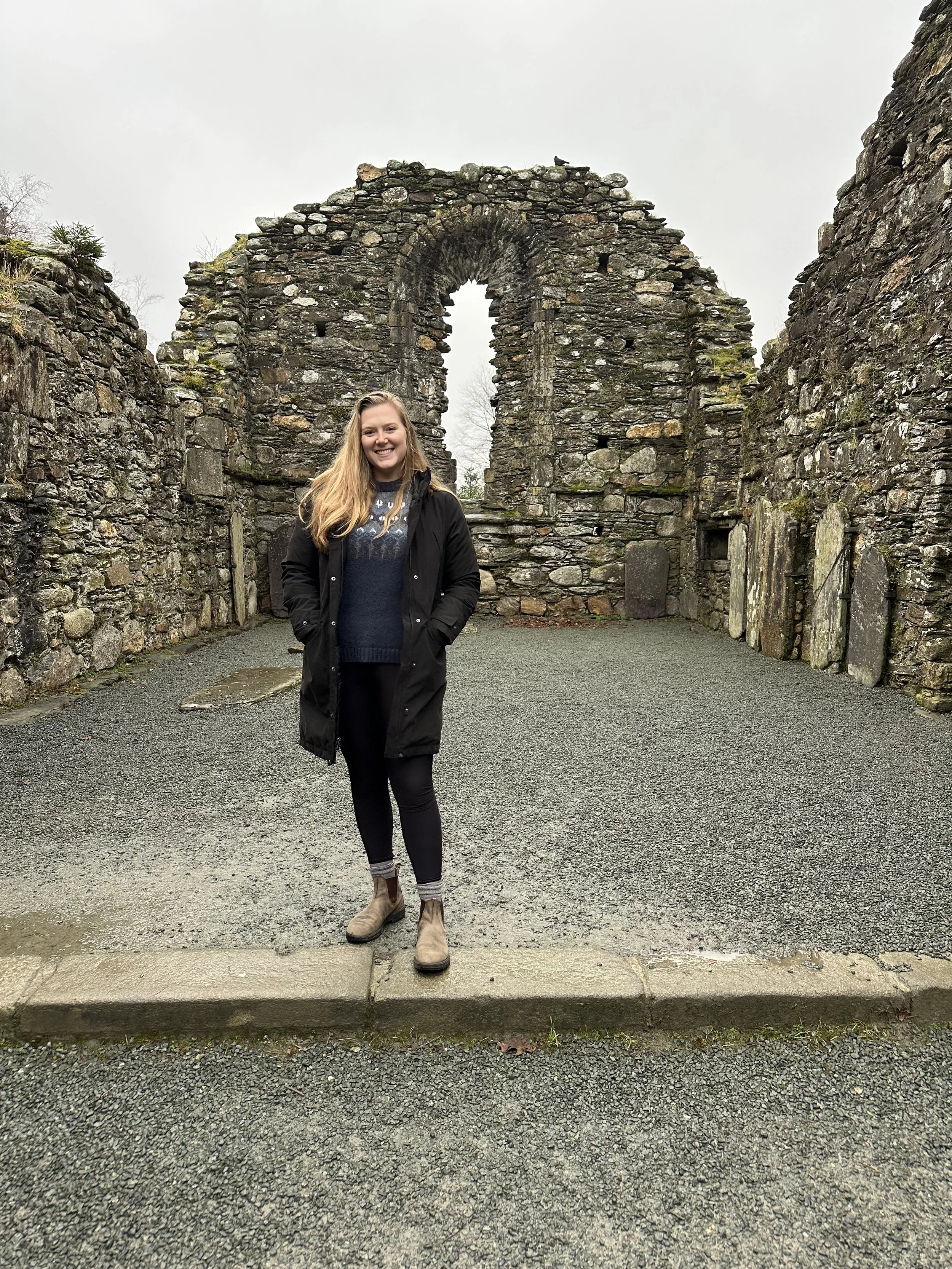
History lovers will find Ireland especially rewarding. Monastic settlements, Viking ruins, Norman castles, and medieval towns appear around nearly every corner. Sites such as Glendalough, Rock of Cashel, and Skellig Michael reveal layers of history stretching back more than a thousand years.
The Aran Islands, located off the coast of County Galway, offer one of Ireland’s most distinctive cultural experiences. These windswept islands preserve strong ties to Gaelic language and traditions, and visiting feels like stepping into an earlier era.
Underlying all of this is Ireland’s deep Celtic heritage. Ancient myths, folklore, and traditions remain part of everyday identity, and travelers often feel a strong sense of cultural continuity that is harder to find in more modernized destinations.
Ireland’s appeal lies not in any single attraction but in the combination of landscapes, culture, and atmosphere. Visitors can expect scenic beauty, historical depth, warm hospitality, and a pace of life that encourages exploration rather than hurry.
What Is Ireland Known For?
Ireland is known for a remarkable range of cultural and natural attractions, many of which can be easily incorporated into a well-planned itinerary.
Castles and Historic Ruins
Ireland is home to thousands of castles and historic sites, ranging from grand fortified estates to atmospheric stone ruins. Visitors can explore places like Blarney Castle, Rock of Cashel, and Cahir Castle, or stay overnight in restored castle hotels such as Ashford Castle or Ballynahinch Castle for a uniquely memorable experience.
Coastal Landscapes
Ireland’s coastline is among the most dramatic in Europe, with towering cliffs, rocky peninsulas, and sweeping ocean views. Highlights include the Cliffs of Moher, the Dingle Peninsula, and the Causeway Coast. Many itineraries incorporate scenic drives along the Wild Atlantic Way, allowing travelers to experience multiple coastal regions.
Traditional Music
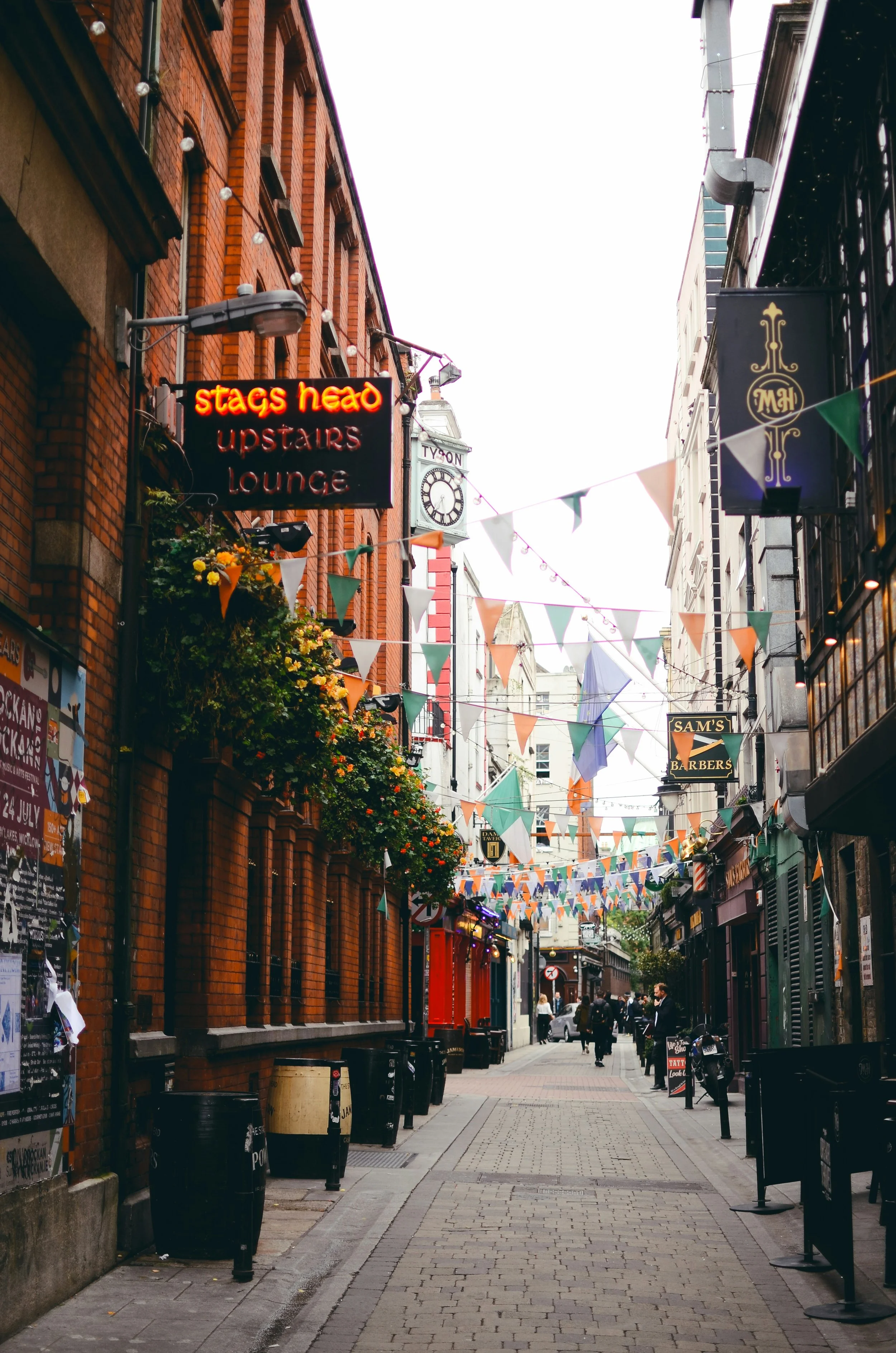
Irish traditional music remains an essential part of local culture, particularly in small towns and villages. Evening pub sessions featuring fiddles, flutes, and bodhráns are common in places like Doolin, Dingle, and Galway. Planning overnight stays in these towns allows travelers to experience authentic performances rather than staged shows.
Literary History
Ireland has produced an extraordinary number of influential writers, including James Joyce, W.B. Yeats, Oscar Wilde, and Seamus Heaney. Dublin is a UNESCO City of Literature, and visitors can explore literary landmarks, museums, and historic pubs connected to Ireland’s literary heritage. Be sure to visit Trinity College and the Book of Kells!
Film Locations
Ireland’s landscapes have appeared in numerous films and television series, including Star Wars, Game of Thrones, and The Banshees of Inisherin. Locations such as Skellig Michael, the Dark Hedges, and the Inishmore coastline can be incorporated into itineraries that combine scenic exploration with cinematic interest.
How Many Days Should You Plan For Ireland?
The ideal length of an Ireland trip depends largely on how deeply you want to explore. While short trips can provide a meaningful introduction, longer stays allow for a much more relaxed and rewarding experience.
5 Days: Highlights Only
A five day trip works best for travelers who want a brief introduction to Ireland.
This itinerary typically includes:
Dublin
A countryside excursion such as Wicklow or Kilkenny
One or two historic sites
This approach offers a taste of Ireland’s culture and landscapes but requires careful planning to avoid feeling rushed and overly full days.
7 to 10 Days: A Balanced Experience
Seven to ten days allows for a more balanced trip that includes both cities and countryside.
Typical routes might include:
Dublin
Galway or Killarney
The Cliffs of Moher
One scenic peninsula
This timeframe allows for meaningful exploration without excessive driving and is ideal for most first-time visitors.
14 Days: A Relaxed and Complete Journey
Two weeks is ideal for travelers who want a deeper and more relaxed experience.
A 14-day itinerary can include:
Dublin and the east
Western coastal regions
Smaller towns and villages
Northern Ireland
This timeframe allows for slower travel, more scenic stops, and time to enjoy Ireland’s atmosphere rather than simply moving between destinations.
How to Plan a Trip to Ireland:

Choose Your Travel Season
Ireland can be visited year-round, but each season offers a different experience.
Late spring and early fall are often ideal, with mild weather, fewer crowds, and good daylight hours. Summer brings the warmest temperatures and longest days, making it the most popular time to visit. However, it is also the busiest season and requires advance planning.
Winter offers fewer crowds and lower prices, but shorter daylight hours and wetter weather limit outdoor exploration.
Decide on a Regional Focus
Rather than trying to see the entire island in one trip, it is best to focus on two or three regions.
Popular combinations include:
Dublin and the west coast
Dublin and Northern Ireland
Shannon region and the southwest
Galway and Connemara
Regional focus reduces driving time and creates a more relaxed experience.
Decide on Themes for Your Trip
Ireland lends itself well to themed travel, especially for shorter trips.
Possible themes include:
Historic and monastic sites
Pub culture and traditional music
Scenic coastal drives
Romantic countryside inns
Golf and spa experiences
Castle stays
Choosing a few themes helps shape your itinerary and ensures your trip feels cohesive rather than scattered.
Book Flights Early
Flights to Ireland tend to be most affordable and most available when booked several months in advance.
Similarly to other underrated European destinations, seasonal direct flights from North America increase significantly between spring and fall, making travel more convenient and often less expensive than winter routes.
One major advantage of flying home from Ireland is U.S. immigration preclearance, which allows travelers to complete customs and passport control before departure. Upon arrival in the United States, you land as a domestic passenger, making the return journey significantly easier.
Cars In Ireland: Reserve a Rental Car or Plan for a Driver
Transportation is one of the most important decisions when planning a trip to Ireland. Are you looking for a driver to assist, or for more of a road trip feel?
Rental cars offer the greatest flexibility, particularly in rural areas where public transportation is limited. However, driving in Ireland requires adjustment.
Country roads can be extremely narrow and winding, and what appears on a map to be a small lane is often intended to function as a two-lane road. Stone walls and hedgerows frequently line both sides, leaving little room for error.
Many travelers find that hiring a private driver provides a far more relaxed experience, especially on longer trips or luxury itineraries.
Book Accommodations 2 to 4 Months in Advance
Ireland has a limited supply of high-quality accommodations in rural areas, and the best properties fill quickly during peak season.
For summer travel, booking accommodations two to four months in advance is strongly recommended. Popular romantic small inns and boutique hotels often sell out even earlier.
Advance booking ensures better location choices and more consistent quality throughout your itinerary.
Plan Daily Driving Distances Under Three Hours
One of the most important planning guidelines for Ireland is limiting daily driving distances.
Keeping drives under three hours allows time for:
Scenic stops
Village exploration
Historic sites
Relaxed meals
Shorter driving days create a far more enjoyable experience and reduce travel fatigue.
Ireland is best experienced slowly, and itineraries that prioritize depth over distance consistently produce the most memorable trips.
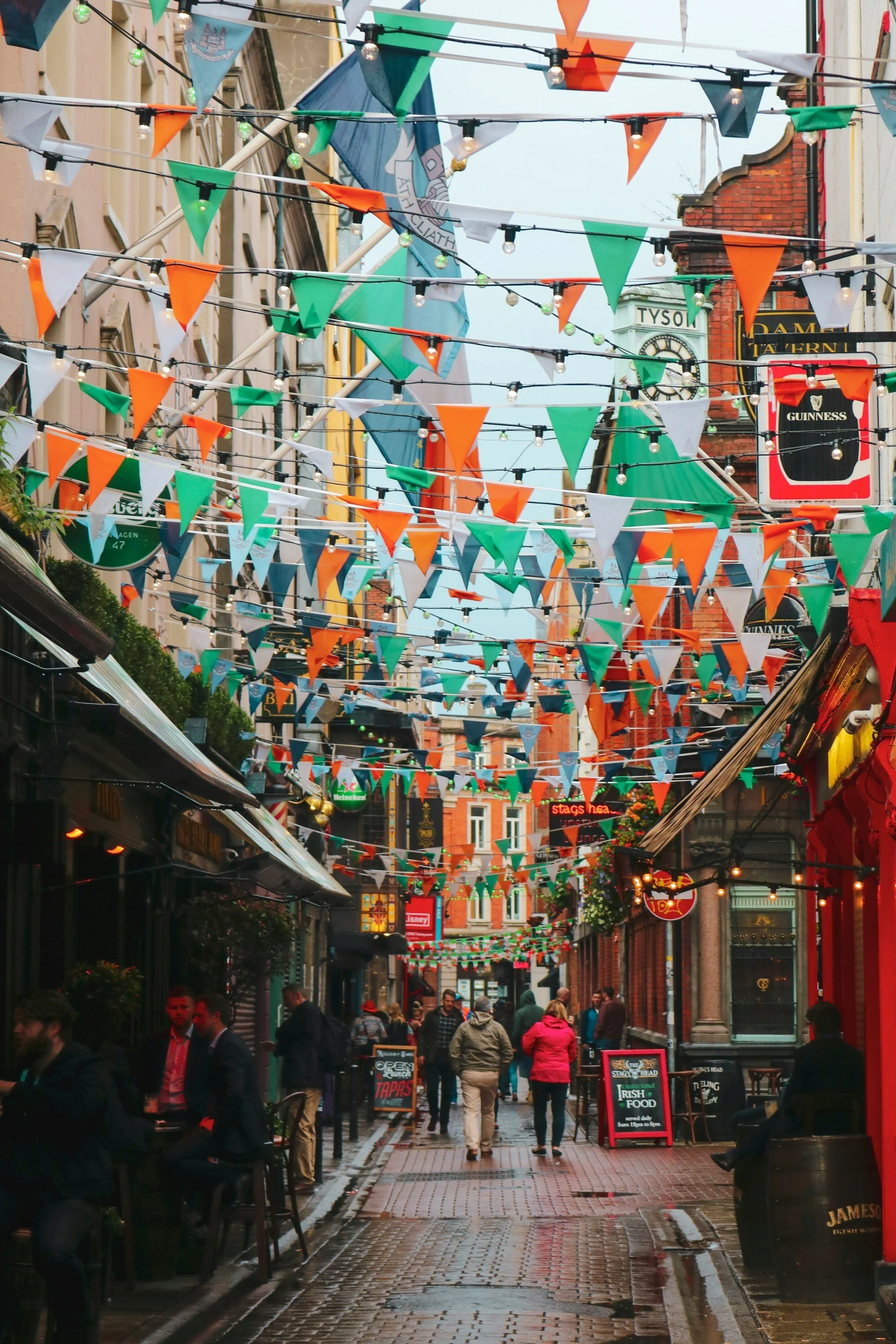
Planning a trip to Ireland can be incredibly rewarding, whether your vision includes a perfectly poured pint at the Guinness Storehouse, a stay-and-play golf experience at Adare Manor, or days spent exploring dramatic sea cliffs and sheep-dotted hillsides along the Wild Atlantic Way. No matter what draws you to Ireland; the perfect family vacation or how to plan that perfect honeymoon, keeping these planning considerations in mind will help ensure your trip feels relaxed, meaningful, and well worth the journey. Ireland is a destination where thoughtful pacing and smart logistics make all the difference, allowing you to truly experience the landscapes, culture, and history rather than simply passing through them. For travelers who want to make the most of their time, working with a knowledgeable travel professional can be invaluable. An expert can help design a well-balanced itinerary, coordinate the right locations and accommodations, and anticipate the details that turn a good trip into a truly memorable one.