Where to Go For A Family Vacation
It may not feel like it, but summer is just around the corner, which means now is the perfect time to start planning your next family trip. I say this as someone who plans family travel professionally and also travels extensively myself: the earlier you begin, the better your experience will be.
Planning a multi-generational vacation destination is rarely as simple as booking flights and choosing a hotel. Between school schedules, budget considerations, attention spans, varying activity levels, and coordinating larger groups, it can quickly become overwhelming. I have worked with families across the States, and I have seen firsthand how thoughtful planning transforms what could feel chaotic into something seamless and extraordinary.
Where to Go For a Family Vacation
When I design a family travel experience, I focus on pairing the right season with the right place. Timing influences everything: pricing, peak seasons, availability of guides, and even how a destination feels emotionally. In this guide, I’m sharing destinations I personally love and regularly recommend, along with seasonal insights and tips for visiting so your next journey is not just a getaway, but a meaningful experience.
The destinations and advice that follow are for those families that are looking for more than just a change in scenery. This list leans toward experiential travel and larger, milestone-style journeys that often include grandparents, older children, and extended family members. Think bucket-list landscapes, private cultural access, small-ship expeditions, and extraordinary stays that become part of the story itself.
Before exploring these destinations, I feel as though it’s important to discuss some of the benefits of taking a break from the norm and traveling to experience something new with family.
Benefits of a Family Vacation
Family Vacations Reduce Burnout
One of the most profound shifts I see in families after travel is a noticeable reduction in burnout. Life in the United States can feel relentless. School calendars are packed, extracurriculars dominate evenings, and parents juggle demanding careers. Stepping away creates breathing room.
When families disconnect from routine, something subtle but powerful happens. Conversations deepen. Laughter comes easier. Shared problem solving, even navigating a train station or choosing where to eat, strengthens bonds. I’ve watched families who arrived stressed leave reconnected and lighter.
Burnout does not disappear overnight, but travel resets perspective. It reminds us that presence matters more than productivity.
Family Vacations Encourage Cultural Awareness Through Shared Experience
Travel introduces perspectives that no classroom can replicate. I’ve guided families through markets in Europe, ancient ruins in South America, and remote landscapes across national parks, and I consistently see curiosity expand in real time.
Visits with kids to museums, historic sites, and cultural landmarks engage their mind differently when they are physically present. They taste unfamiliar foods, hear new languages, and navigate environments that challenge them in healthy ways. Adults often rediscover wonder alongside them.
Whether exploring cities or taking a road trip along the east coast, cultural immersion strengthens empathy and broadens understanding. That kind of growth benefits every generation.
Family Vacations Strengthen Long-Term Connection and Create Shared Memories
Years later, families rarely remember what they received as gifts. They remember the adventure. They recall the unexpected detour that turned into the best day trip of the entire journey. They retell stories about getting lost in Rome or spotting wildlife in Alaska.
I often tell my clients that travel becomes part of their family identity. These shared experiences serve as emotional anchors. The inside jokes, the moments of awe, even the travel ‘bumps’ all become threads woven into the family story.
Best Time to Take a Family Vacation
Choosing when to travel is just as important as choosing where to go. The best season is entirely dependent on the destination and how it aligns with your goals, school calendars, and overall budget.
Spring Travel
Spring is one of my favorite times to plan for family travel. Temperatures are comfortable across much of Europe and many national parks in the United States. Crowds are lighter than in summer, and pricing is often more manageable outside of peak spring break weeks.
The tradeoff can be weather unpredictability. Northern climates may still experience lingering winter conditions. Popular cherry blossom destinations surge in demand. Availability narrows quickly around Easter.
For families able to align travel with school breaks, spring offers exceptional value. I often recommend this season for cultural destinations and city exploration before summer congestion arrives.
Summer Travel
Summer remains the most popular time for a family trip because school schedules allow flexibility. Long daylight hours create extended opportunities for exploration, whether that means hiking in Alaska or enjoying beautiful beaches along the Mediterranean.
However, summer is peak season in many destinations. Pricing rises. Guides and specialty experiences book far in advance. Flights fill quickly. If you are planning a road trip across the east coast or exploring iconic national parks, reservations should be secured months ahead.
Despite the crowds, summer is unmatched for destinations that rely on warm weather access.
Fall Travel
Depending on your destination, fall delivers remarkable value. Fewer tourists, cooler temperatures, and vibrant landscapes make it ideal for scenic travel. I especially love planning fall trips to Europe or New England, where harvest festivals and changing leaves elevate the experience.
School schedules can limit flexibility, and some seasonal businesses begin to close. That said, pricing often softens, creating opportunities for travelers prioritizing budget-conscious planning.
Winter Travel
Winter offers two distinct paths: snow-driven adventure or tropical escape. Ski destinations and festive cities experience holiday peaks, while January and early February can bring exceptional pricing outside major breaks.
Many families use winter break for travel, though availability can be tight. For those seeking sun, winter is prime season for beach destinations and Caribbean islands.
The key is matching the season to the experience. Not every destination shines year-round.
Where to Go For Family Vacation
I’ve divided this list of destinations based on travel style and purpose of the family trip. As a reminder, I have carefully tailored this list to highlight milestone, bucket-list destinations that are suited for a large, multi-generational experience. If you would like some additional inspiration for your upcoming vacation, including some family-friendly classics like Disney World and other theme parks, go check out my other post on 40 Vacation Ideas For Families.
Best Destinations for History and Education
Rome, Italy
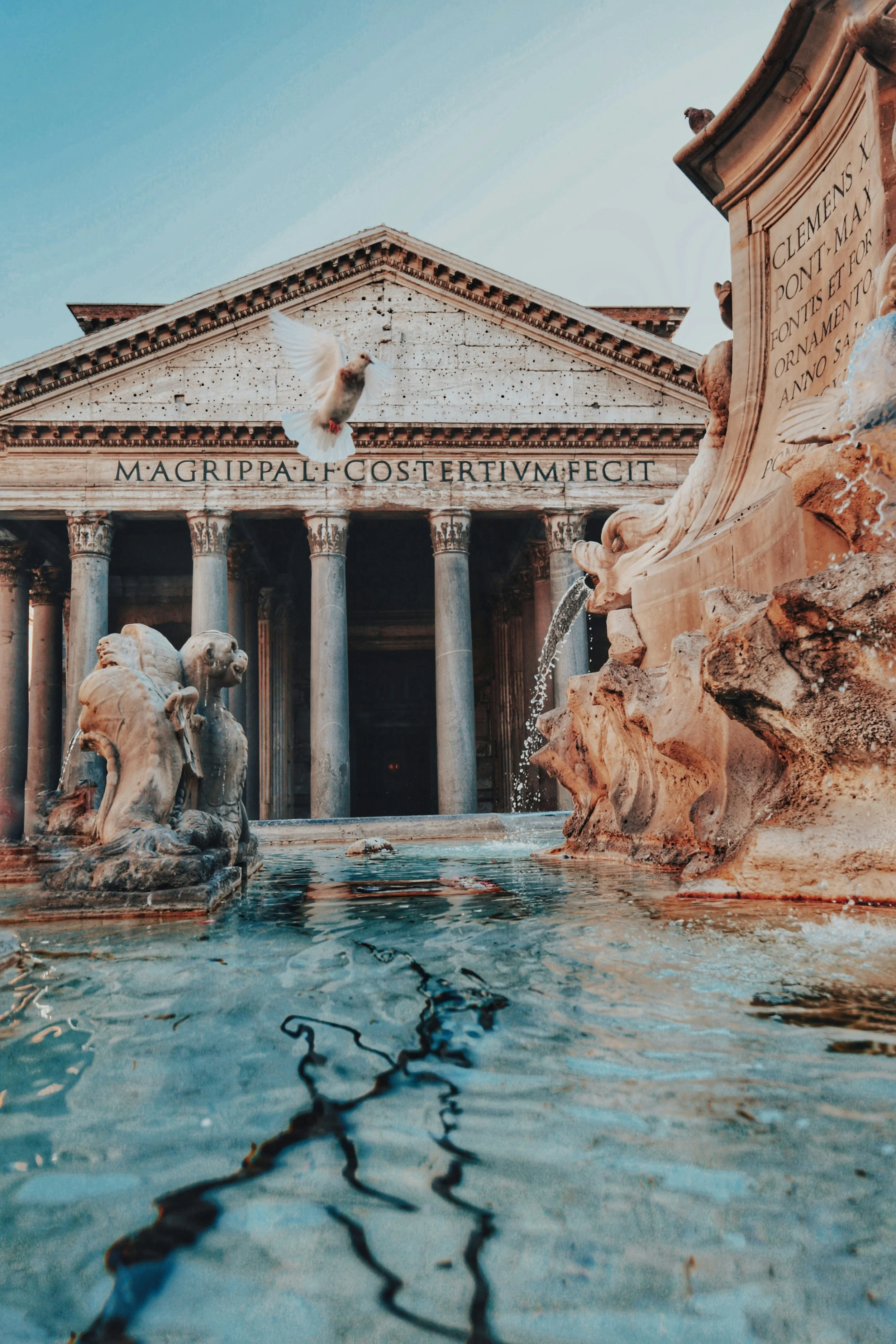
Rome is one of those rare destinations where history is not contained within museum walls but embedded into daily life. Walking through the Colosseum, standing in the Roman Forum, or entering the Pantheon is not simply sightseeing—it is stepping directly into the framework of Western civilization. What makes Rome especially powerful for families is the way layers of history coexist: ancient ruins sit beside Renaissance churches, which stand just steps from lively cafés filled with locals. The Vatican Museums and St. Peter’s Basilica add another dimension, offering artistic and religious context that spans centuries. Beyond the landmarks, wandering through Trastevere or across Campo de’ Fiori reveals how modern Romans live alongside their heritage. Spring and early fall are ideal for visiting, as the weather is pleasant and crowds are more manageable than peak summer. Rome rewards curiosity and unhurried exploration, making it a deeply enriching destination for multi-generational travelers.
Athens, Greece
Athens offers a compelling blend of ancient intellectual legacy and vibrant contemporary culture. The Acropolis rises above the city as a constant reminder of Greece’s influence on democracy, philosophy, and architecture. Visiting the Parthenon in person provides a tangible connection to ideas that still shape global society today. The Acropolis Museum enhances that experience with thoughtful curation and panoramic views back toward the monument itself. Yet Athens is not frozen in time; neighborhoods like Plaka and Kolonaki pulse with modern energy, lively cafés, and street art. The juxtaposition between antiquity and present-day life invites meaningful reflection and conversation among travelers of all ages. Spring and early autumn offer the most comfortable conditions for walking the city’s historic sites while avoiding the intense summer heat. Often times Athens then pairs beautifully with a visit to the islands, or even out to the Peloponnese.
Vienna, Austria
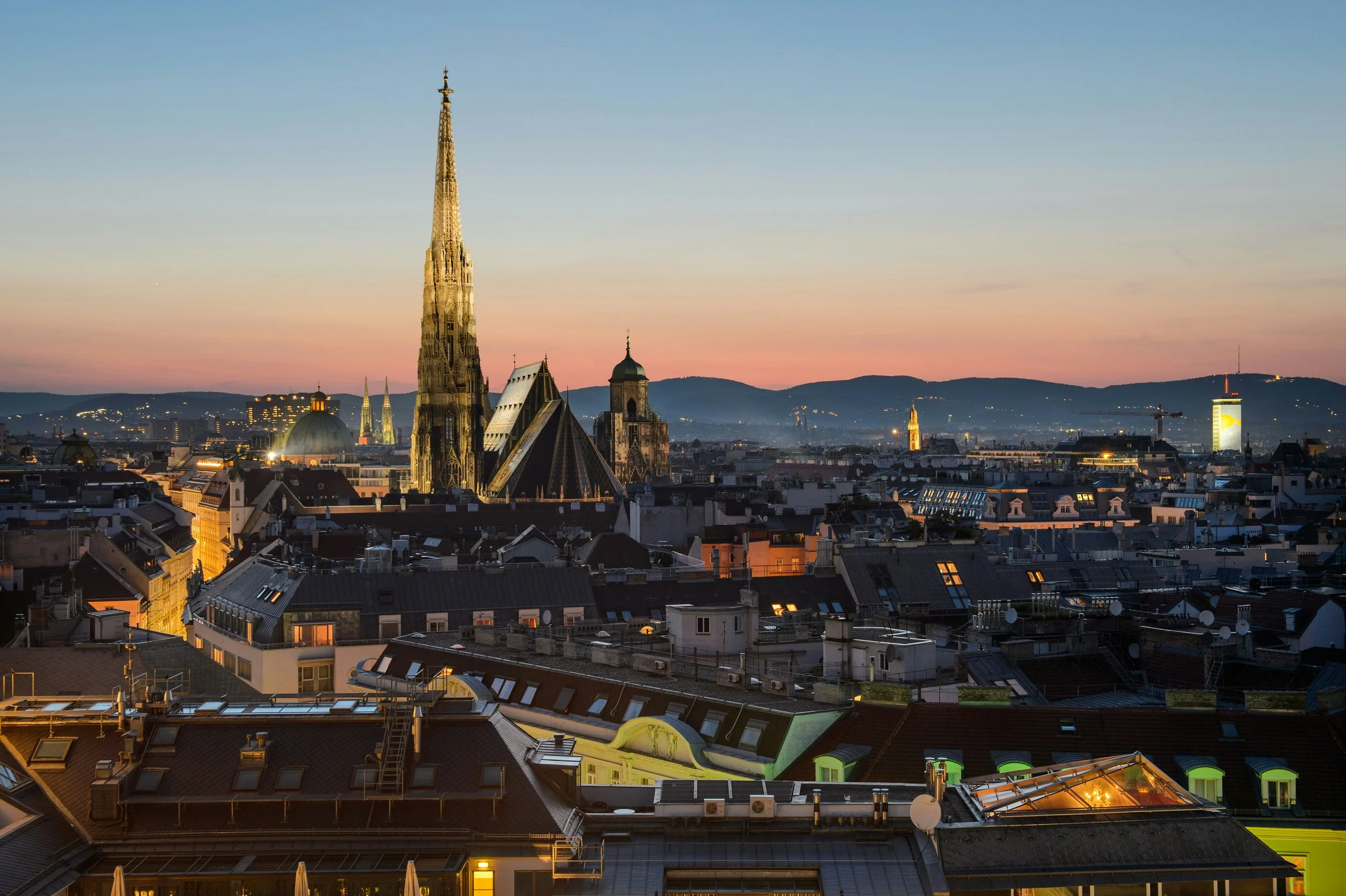
Vienna is a city defined by refinement, intellectual depth, and artistic excellence. Once the heart of the Habsburg Empire, its imperial palaces such as Schönbrunn and the Hofburg reflect centuries of political and cultural influence. Music lovers recognize Vienna as the home of Mozart, Beethoven, and Strauss, and attending a concert here carries a resonance that transcends performance alone. The Kunsthistorisches Museum and Belvedere Palace house masterpieces that contextualize European artistic evolution. Beyond formal institutions, Vienna’s coffeehouse culture offers a slower, contemplative pace that encourages meaningful discussion and connection. The city’s walkability makes it accessible for families who want immersive experiences without logistical complexity. Visiting during shoulder seasons allows travelers to explore its grandeur without peak summer crowds. You may also like to check out this Prague, Vienna, Budapest Itinerary for 10 Days.
Cusco, Peru
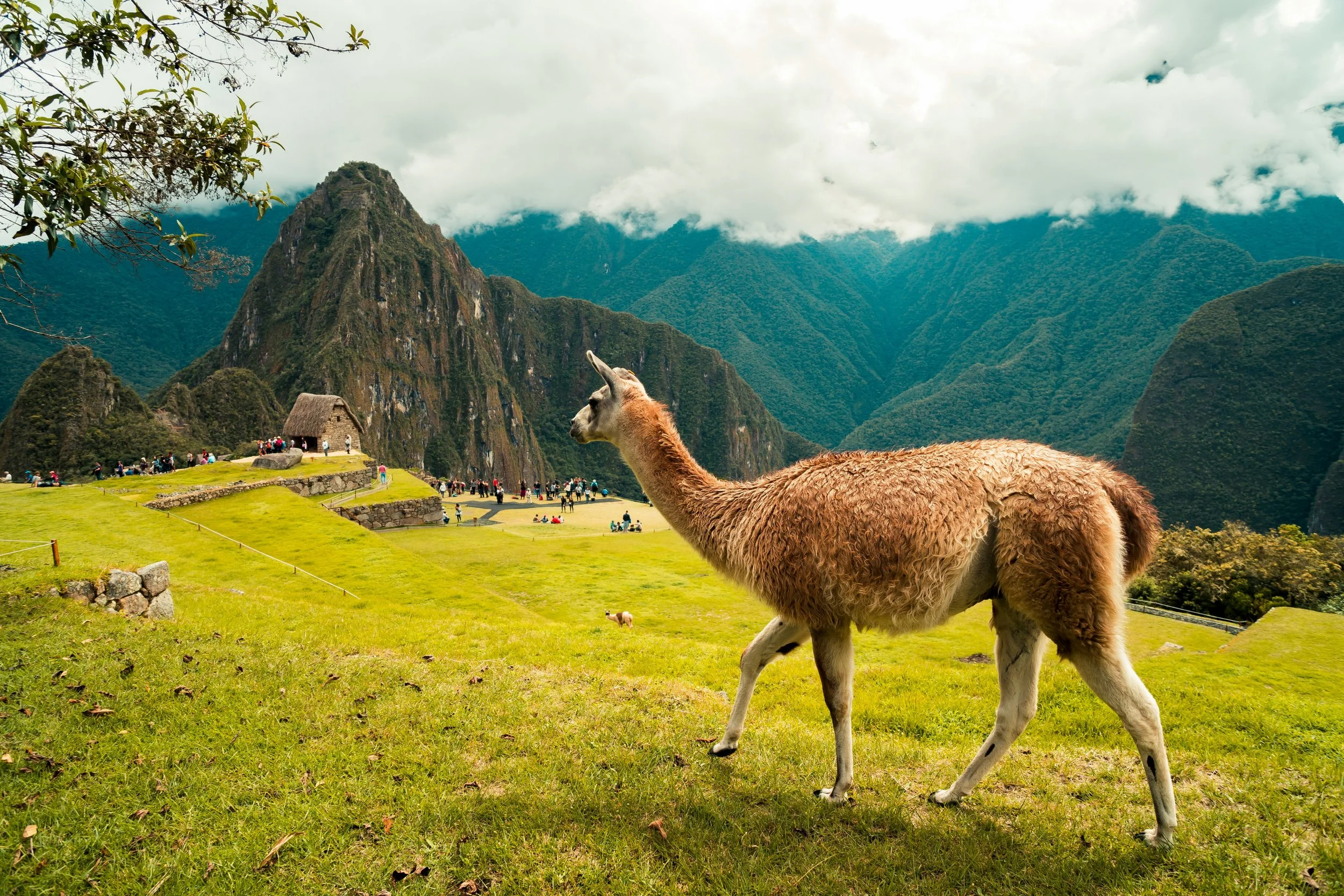
Cusco stands at the crossroads of Incan engineering and Spanish colonial influence, creating a city unlike anywhere else in the world. Massive stone foundations built by the Incas support ornate colonial churches, visually demonstrating centuries of transformation. As the gateway to Machu Picchu and the Sacred Valley, Cusco provides both historical and geographical depth. The surrounding landscapes, from terraced hillsides to high-altitude valleys, enhance the sense of discovery. Markets filled with Andean textiles and local produce offer insight into living traditions that persist today. Traveling during the dry season ensures clearer skies and safer access to archaeological sites. Cusco’s layered identity makes it an extraordinary destination for families seeking both cultural immersion and natural beauty.
Paris, France
Paris blends intellectual history, artistic achievement, and architectural elegance in a way few cities can replicate. The Louvre, Musée d’Orsay, and Notre-Dame Cathedral represent milestones in art, religion, and European identity. Yet beyond iconic institutions, strolling along the Seine or through Le Marais reveals quieter narratives of revolution, resistance, and reinvention. Montmartre’s artistic legacy invites reflection on the creative movements that reshaped modern art. Paris also excels at transforming ordinary moments, like sharing a pastry in a neighborhood café, into meaningful rituals. Spring and fall provide optimal conditions for exploring on foot without overwhelming crowds. Paris encourages curiosity and layered exploration, rewarding travelers who look beyond the obvious highlights.
Best Destinations for Nature and Exploration
Acadia National Park, Costal Maine
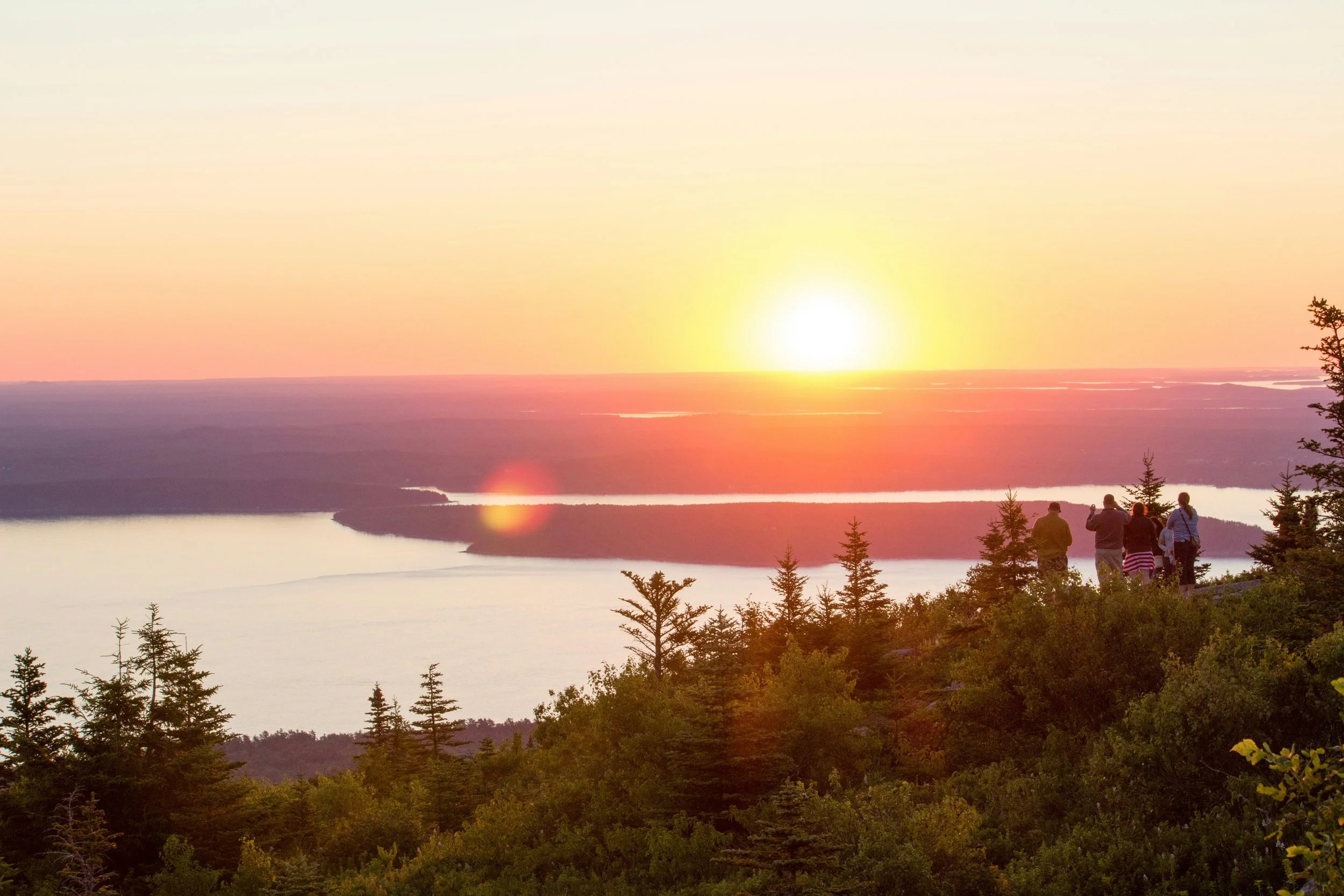
Acadia National Park offers one of the most striking coastal landscapes in North America, where granite cliffs rise sharply above the Atlantic and evergreen forests roll toward the sea. What makes Acadia especially compelling is the way mountain and ocean coexist in close proximity, allowing travelers to summit Cadillac Mountain at sunrise and kayak along the shoreline in the same day. The park’s carriage roads provide miles of scenic biking and walking paths that are accessible yet immersive, weaving through forests, past stone bridges, and along glacial ponds. Thunder Hole delivers dramatic wave crashes when conditions align, adding an element of dynamic natural theater. In autumn, the foliage transforms the landscape into a mosaic of fiery reds and golds, while summer offers long daylight hours ideal for extended exploration. Nearby Bar Harbor complements the park with its maritime charm, historic inns, and fresh lobster pulled straight from local waters. Acadia is best experienced between late spring and early fall, when trails are fully accessible and coastal weather is at its most inviting, making it a balanced destination for both adventure and reflection.
Banff National Park, Canada
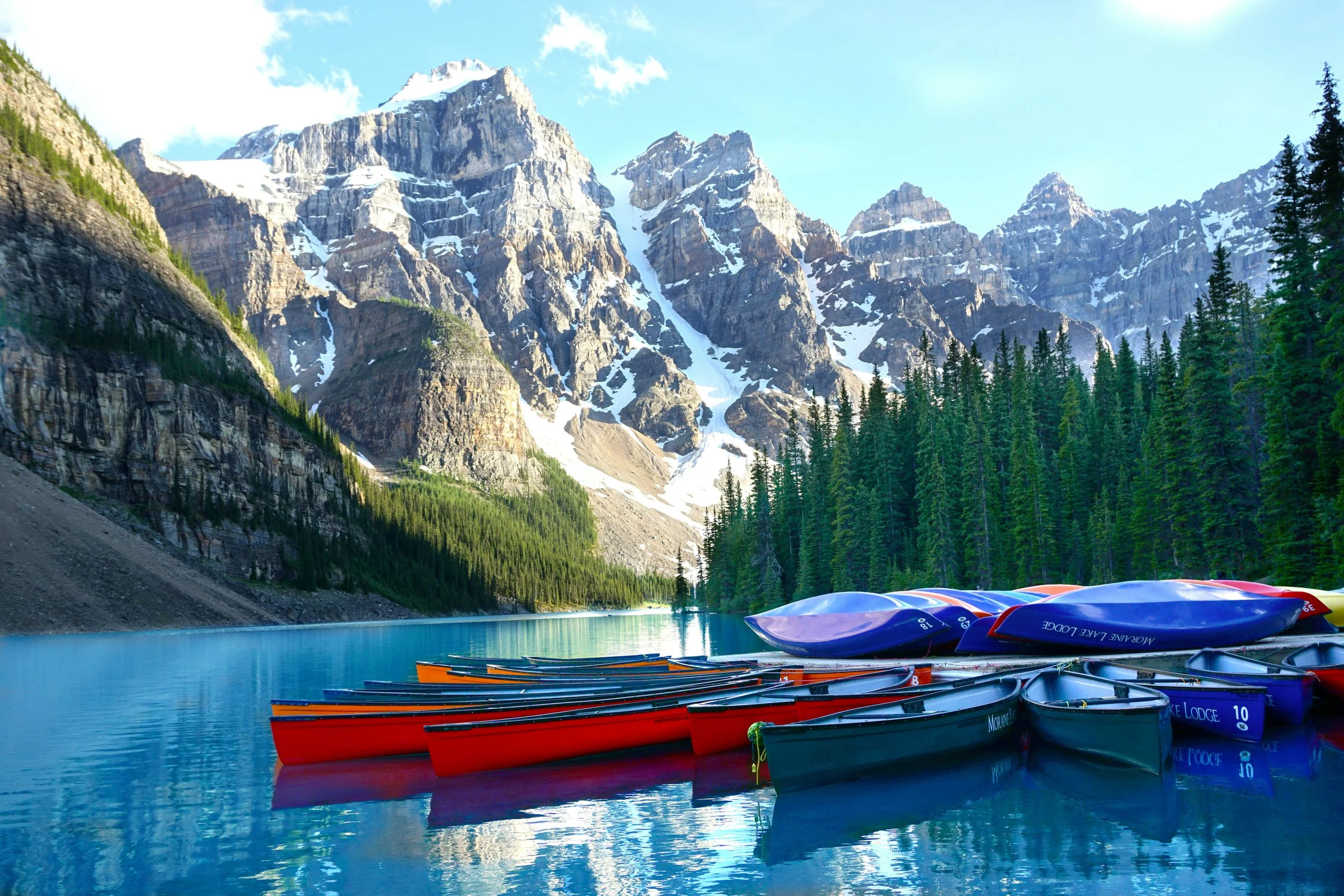
Banff National Park feels almost cinematic in scale and color, defined by glacial lakes so vividly turquoise they appear unreal. Lake Louise and Moraine Lake reflect surrounding alpine peaks with mirror-like clarity, creating some of the most photographed vistas in the world. The park’s extensive trail system accommodates everyone from casual walkers to seasoned hikers seeking challenging summit routes with panoramic rewards. Wildlife sightings, including elk, mountain goats, and occasionally bears, add a thrilling unpredictability to each outing. The Icefields Parkway, often considered one of the most scenic drives globally, connects Banff with Jasper and offers constant visual drama along the way. In summer, wildflowers bloom across alpine meadows, while winter transforms the landscape into a snow-covered wonderland ideal for skiing and snowshoeing. Banff demands advance planning during peak months, but the reward is access to a pristine mountain ecosystem that delivers awe at every turn.
Grand Canyon National Park
The Grand Canyon is less a destination and more a geological revelation, its immense scale reshaping one’s perception of distance and depth. Standing at the rim, the vast network of layered rock formations tells a story that spans nearly two billion years. Sunrise and sunset dramatically alter the canyon’s color palette, washing the cliffs in shifting hues of amber, crimson, and violet. For those willing to venture below the rim, hiking even a short distance downward reveals changing perspectives and a deeper appreciation for the canyon’s magnitude. The Colorado River snakes far below, carving its path with quiet persistence, visible from select viewpoints or experienced more intimately through guided rafting expeditions. Ranger-led programs enhance understanding of the canyon’s formation, ecology, and Indigenous history without overwhelming visitors. Spring and fall provide the most comfortable temperatures for exploration, while summer requires strategic planning due to heat, making seasonal timing essential for a rewarding visit.
Ireland
Ireland’s natural beauty unfolds in soft, rolling landscapes punctuated by dramatic coastal cliffs and rugged peninsulas. The Cliffs of Moher rise vertically above the Atlantic, offering sweeping views that feel expansive and elemental, especially when mist rolls in from the sea. Driving routes such as the Ring of Kerry or the Wild Atlantic Way reveal constantly shifting scenery, lush pastures, stone fences, remote beaches, and colorful seaside villages. Inland, Killarney National Park blends lakes, mountains, and woodland trails into a setting that feels almost pastoral in its tranquility. Ireland’s weather can be changeable, yet that variability enhances the landscape’s rich green hues and atmospheric mood. Sheep-dotted hillsides and centuries-old ruins embedded in the countryside create a sense of continuity between nature and history. Late spring and summer provide the longest daylight hours for exploration, but even cooler seasons retain a quiet charm that makes Ireland’s landscapes feel intimate and alive.
Reykjavik, Iceland
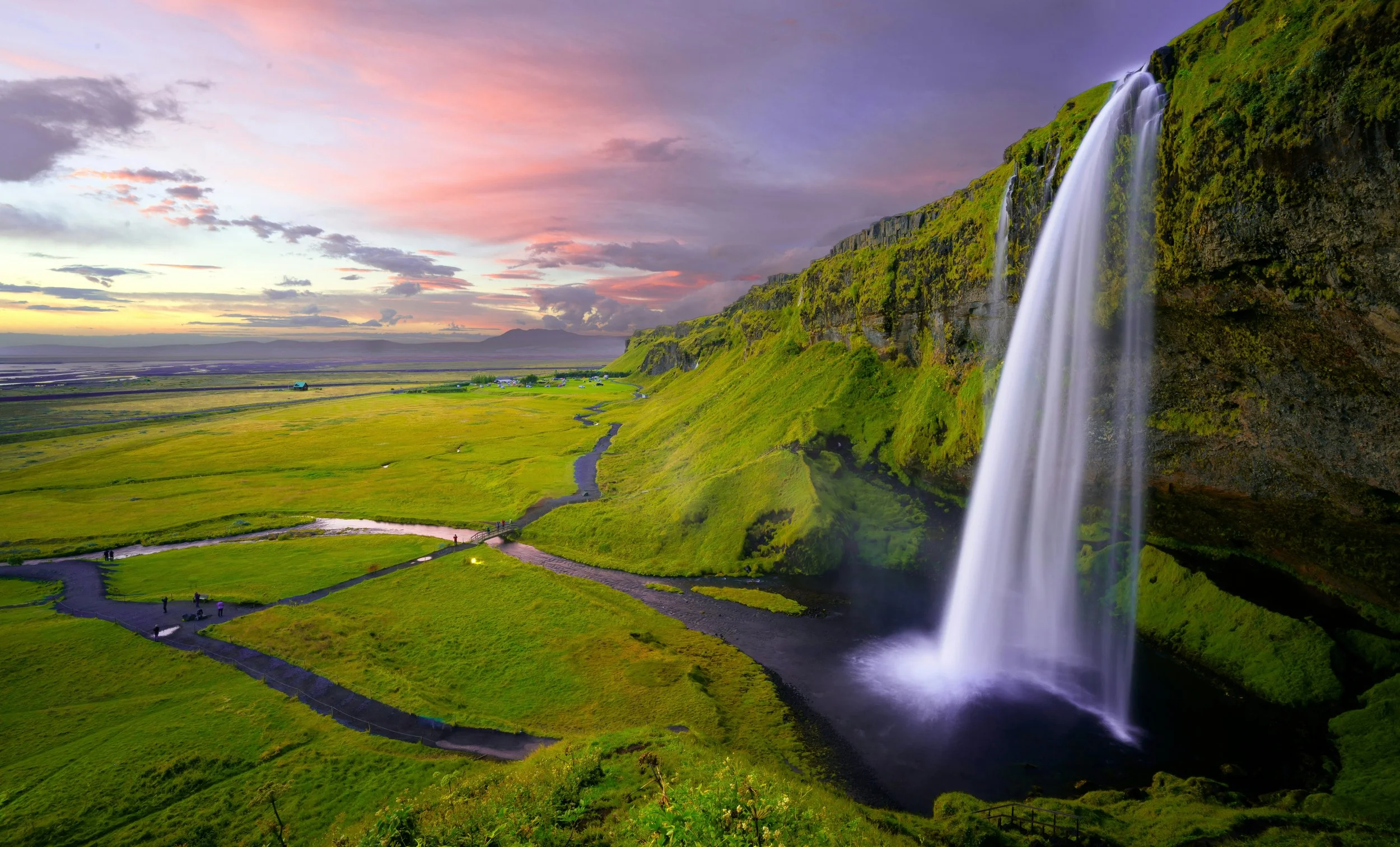
Reykjavik serves as the gateway to Iceland’s extraordinary geological diversity, where fire and ice coexist in dramatic contrast. Within a short drive of the capital, travelers encounter thundering waterfalls like Gullfoss, erupting geysers in geothermal fields, and the tectonic rift at Þingvellir National Park where continents visibly divide. Black sand beaches along the southern coast create stark, otherworldly scenery framed by basalt columns and crashing waves. Glaciers and ice caves offer opportunities for guided exploration, revealing luminous blue interiors sculpted by centuries of movement. Summer’s near-constant daylight allows for extended road trips along the Ring Road, maximizing exploration time across diverse terrain. In winter, the Northern Lights add an ethereal dimension to the landscape, dancing across dark Arctic skies. Iceland’s compact geography concentrates an extraordinary range of natural phenomena into a manageable itinerary, making it one of the most dynamic destinations for immersive exploration.
Best Destinations for Adventurous Families
Denali, Alaska
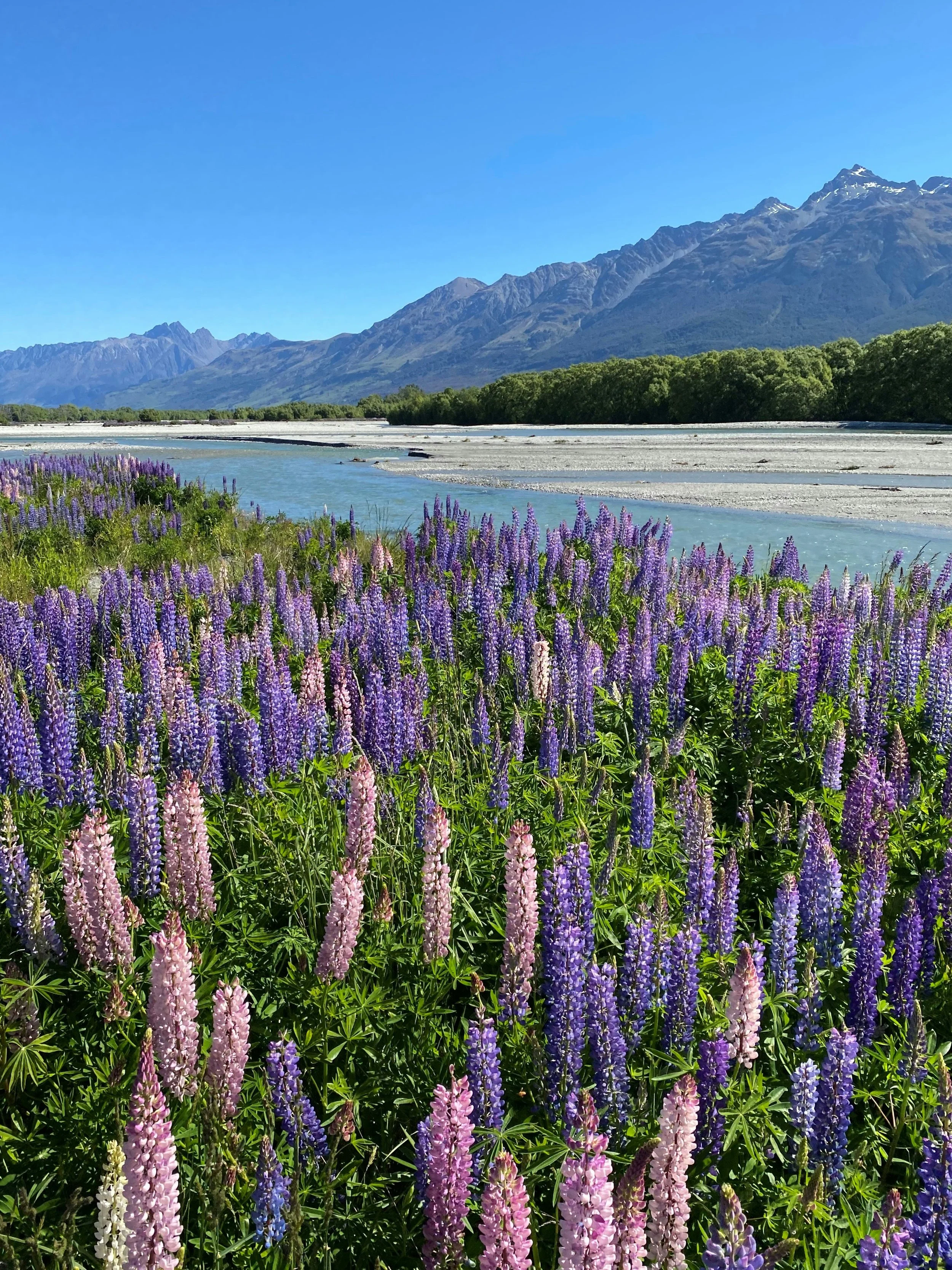
Denali represents wilderness on a scale that feels almost mythic, anchored by North America’s tallest peak rising dramatically above the surrounding tundra. The sheer vastness of the landscape immediately shifts perspective; roads are limited, distances are immense, and nature clearly sets the terms. Wildlife sightings are not staged but earned, whether spotting grizzly bears lumbering across open terrain, caribou moving in quiet herds, or moose grazing near braided river systems. Guided bus expeditions into Denali National Park offer access deep into protected backcountry where private vehicles cannot venture, heightening the sense of remoteness. For families seeking active immersion, rafting glacial rivers or hiking alpine ridgelines delivers both adrenaline and panoramic reward. Summer is essential for accessibility, as snow lingers well into late spring and returns quickly in fall, compressing the true exploration window. Denali is not passive sightseeing; it is a full engagement with untamed wilderness that fosters resilience, adaptability, and awe.
Arenal, Costa Rica
Arenal is the kind of destination where adventure begins the moment the volcano’s near-perfect cone comes into view above the rainforest canopy. The region is dense with biodiversity, and exploration here means moving through layered ecosystems alive with monkeys, toucans, sloths, and vibrant tropical flora. Ziplining through the canopy offers a literal bird’s-eye perspective of the forest, combining adrenaline with immersive ecological awareness. Hiking trails around Arenal Volcano National Park reveal hardened lava flows, hidden waterfalls, and constantly shifting cloud formations overhead. Whitewater rafting on nearby rivers adds another dimension of high-energy engagement, balancing thrill with scenic immersion. After full days outdoors, geothermal hot springs fed by volcanic activity provide restorative contrast without diminishing the adventurous spirit of the destination. The dry season offers the most reliable conditions for outdoor activities, but Arenal’s dynamic landscape ensures that even a passing rainstorm enhances the sensory richness of the experience. For more, read our guide, “Adventure Travel In Costa Rica.”
Antarctica
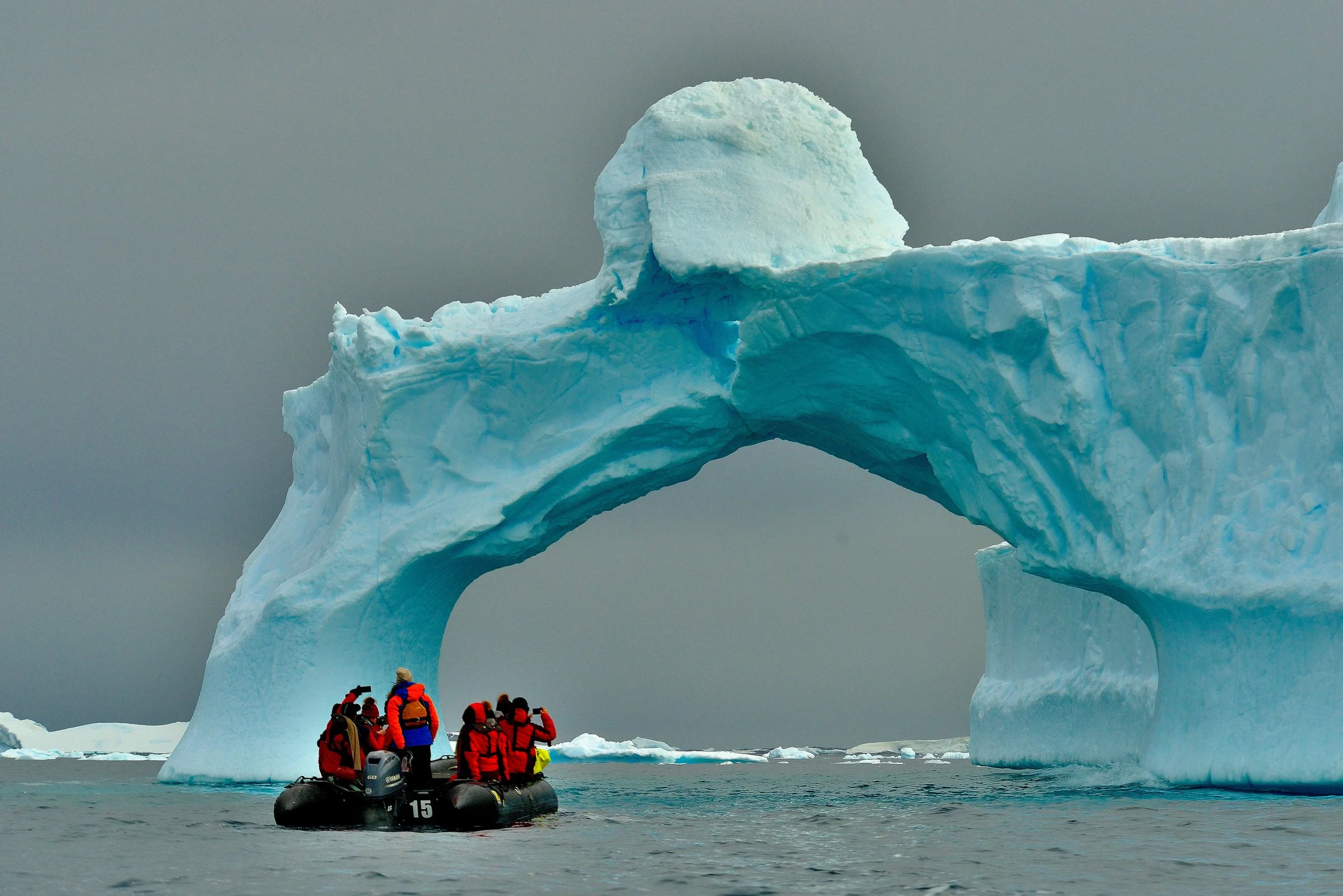
Antarctica stands apart as the ultimate frontier of exploration, where travel feels less like tourism and more like expedition. Reaching the continent itself, often by navigating the Drake Passage, sets the tone for a journey defined by unpredictability and raw natural power. Massive icebergs drift silently through frigid waters, sculpted into surreal forms by wind and sea. Zodiac landings bring travelers face-to-face with colonies of penguins, seals resting along icy shores, and whales surfacing in pristine bays. There are no cities, no permanent settlements; only research stations and vast stretches of untouched wilderness governed by strict environmental protections. Each day’s itinerary depends on weather and ice conditions, reinforcing adaptability and respect for the environment. Antarctica is physically demanding and logistically complex, but for families prepared for its rigors, it delivers a once-in-a-lifetime immersion into one of Earth’s most extreme and awe-inspiring landscapes.
New Zealand
New Zealand offers one of the most concentrated collections of adventure landscapes in the world, compressed into two remarkably diverse islands. On the South Island, Fiordland National Park showcases dramatic fjords like Milford Sound, where sheer cliffs plunge into dark waters beneath cascading waterfalls. The terrain invites active exploration—hiking alpine tracks, kayaking through fjords, or cycling scenic mountain routes. Queenstown has earned its reputation as the adventure capital, offering jet boating, bungee jumping, and high-adrenaline pursuits set against cinematic backdrops. On the North Island, geothermal regions around Rotorua bubble and steam, adding an otherworldly element to hiking and cultural exploration. Coastal drives reveal secluded beaches, while glacier trekking introduces yet another terrain type within a single itinerary. Visiting during the Southern Hemisphere’s summer ensures longer daylight hours and more stable conditions, allowing families to experience the full spectrum of New Zealand’s dramatic, high-energy landscapes.
Moab, Utah
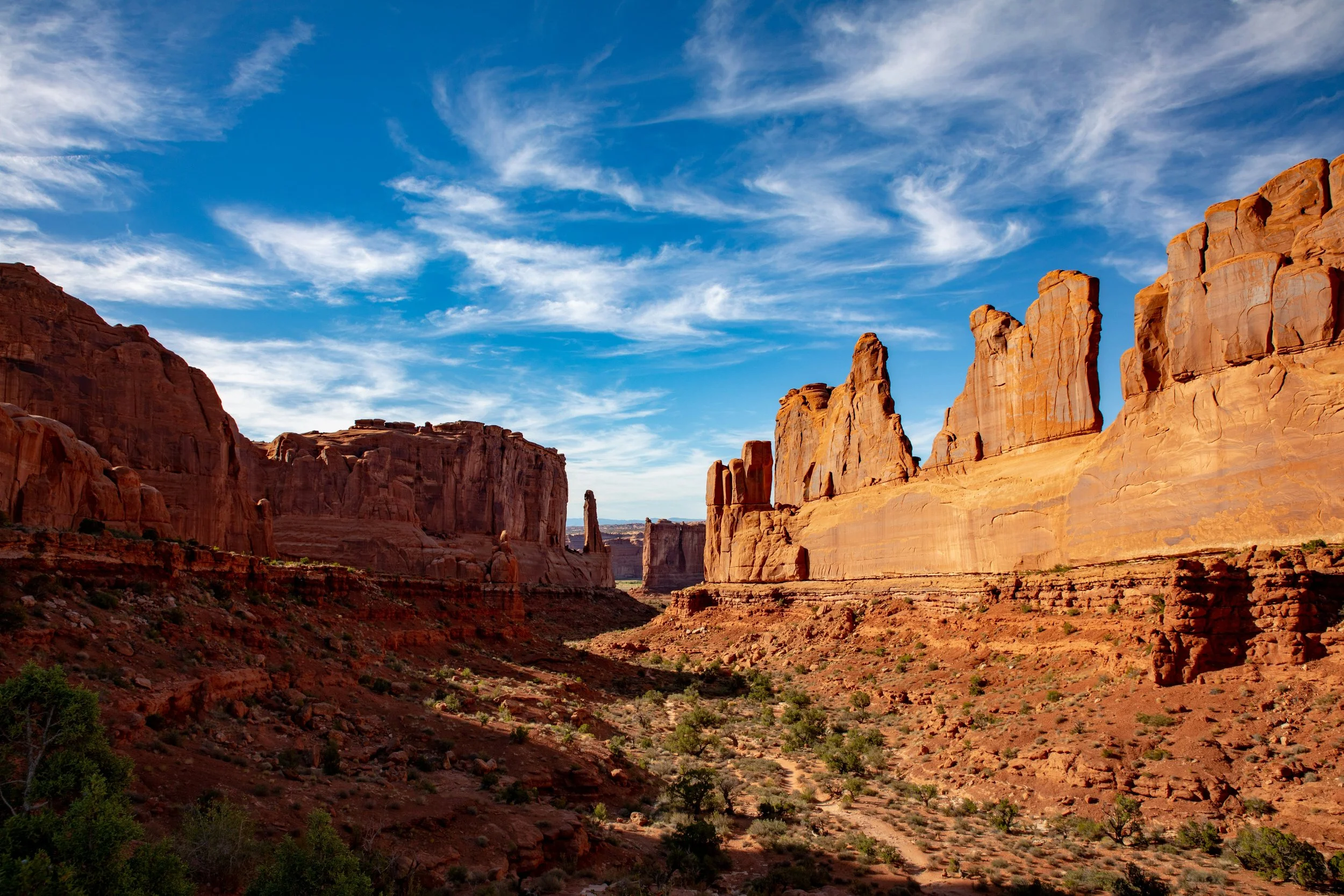
Moab is defined by its surreal red rock formations and desert expanses that feel sculpted by imagination rather than erosion. Arches National Park alone contains more than 2,000 natural sandstone arches, each framed by expansive skies that intensify the landscape’s scale. Canyonlands National Park expands the adventure further, with deep canyons carved by the Colorado and Green Rivers creating rugged terrain ideal for hiking and off-road exploration. Mountain biking trails around Moab are world-renowned, attracting riders eager to test their skill against slickrock surfaces and technical descents. Whitewater rafting through nearby river sections adds kinetic energy to the desert environment, contrasting cool water against sun-warmed sandstone. Spring and fall provide optimal temperatures for extended outdoor activity, as summer heat can be intense and demanding. Moab’s terrain encourages physical engagement at every turn, making it a destination where adventure feels both accessible and authentically wild.
Best Destinations for Relaxation and Recharging
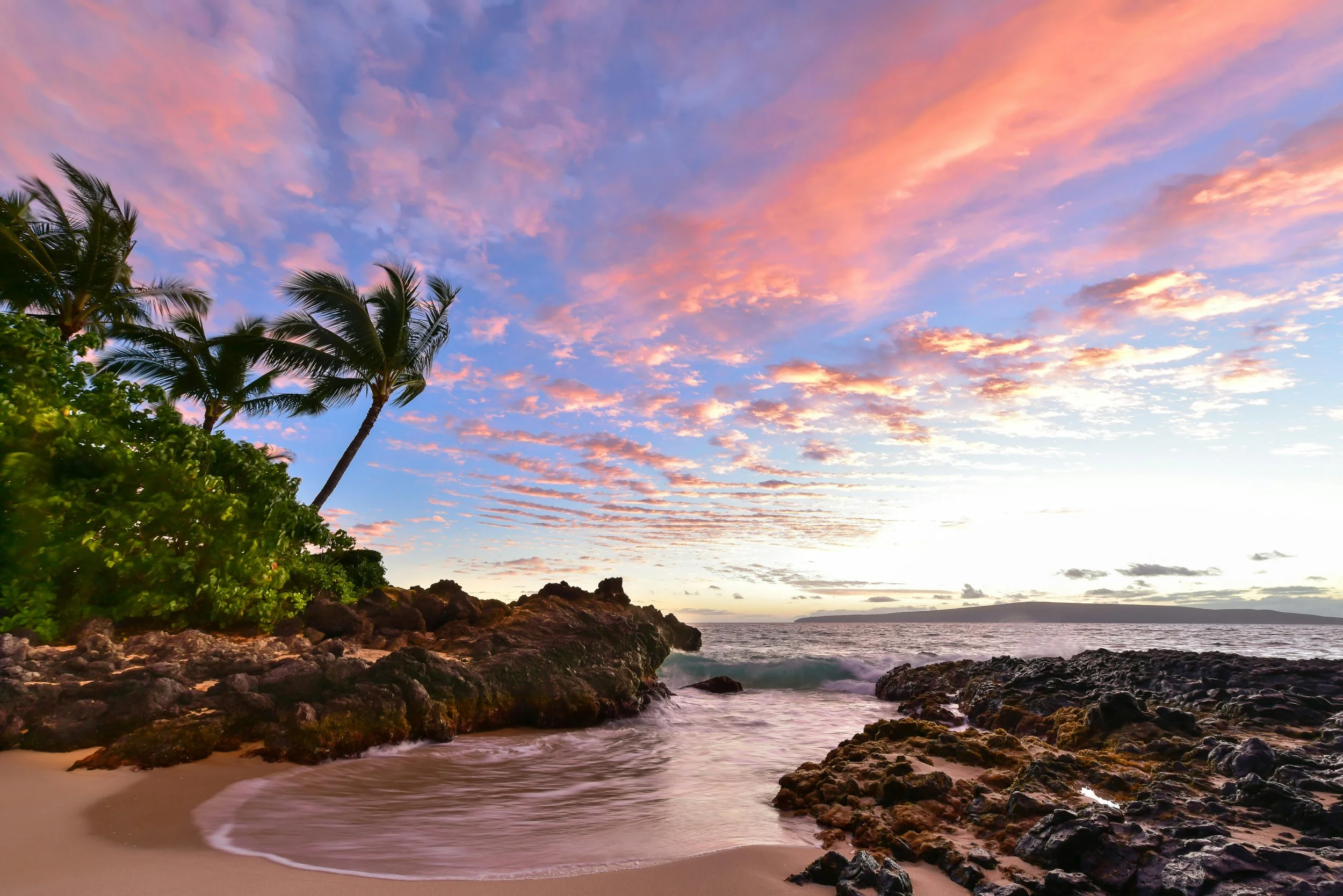
Maui, Hawaii
Maui offers a rare balance of restorative calm and natural dynamism, making it one of the most versatile destinations for families seeking meaningful downtime. The island’s beaches vary dramatically, from golden stretches ideal for swimming to more secluded coves framed by lava rock and swaying palms. The Road to Hana provides a slower-paced adventure, winding through rainforest, waterfalls, and coastal overlooks that invite spontaneous stops and unhurried exploration. Snorkeling at Molokini Crater reveals vibrant marine ecosystems in remarkably clear water, offering connection to nature without high physical demands. During winter months, migrating humpback whales add a powerful yet peaceful spectacle just offshore. Resorts and private villas are often designed to blur the line between indoor and outdoor living, allowing the trade winds and ocean views to become part of daily life. Visiting in spring or fall ensures a quieter atmosphere than peak summer, enhancing Maui’s ability to function as both sanctuary and sensory reset.
Guanacaste Provence, Costa Rica
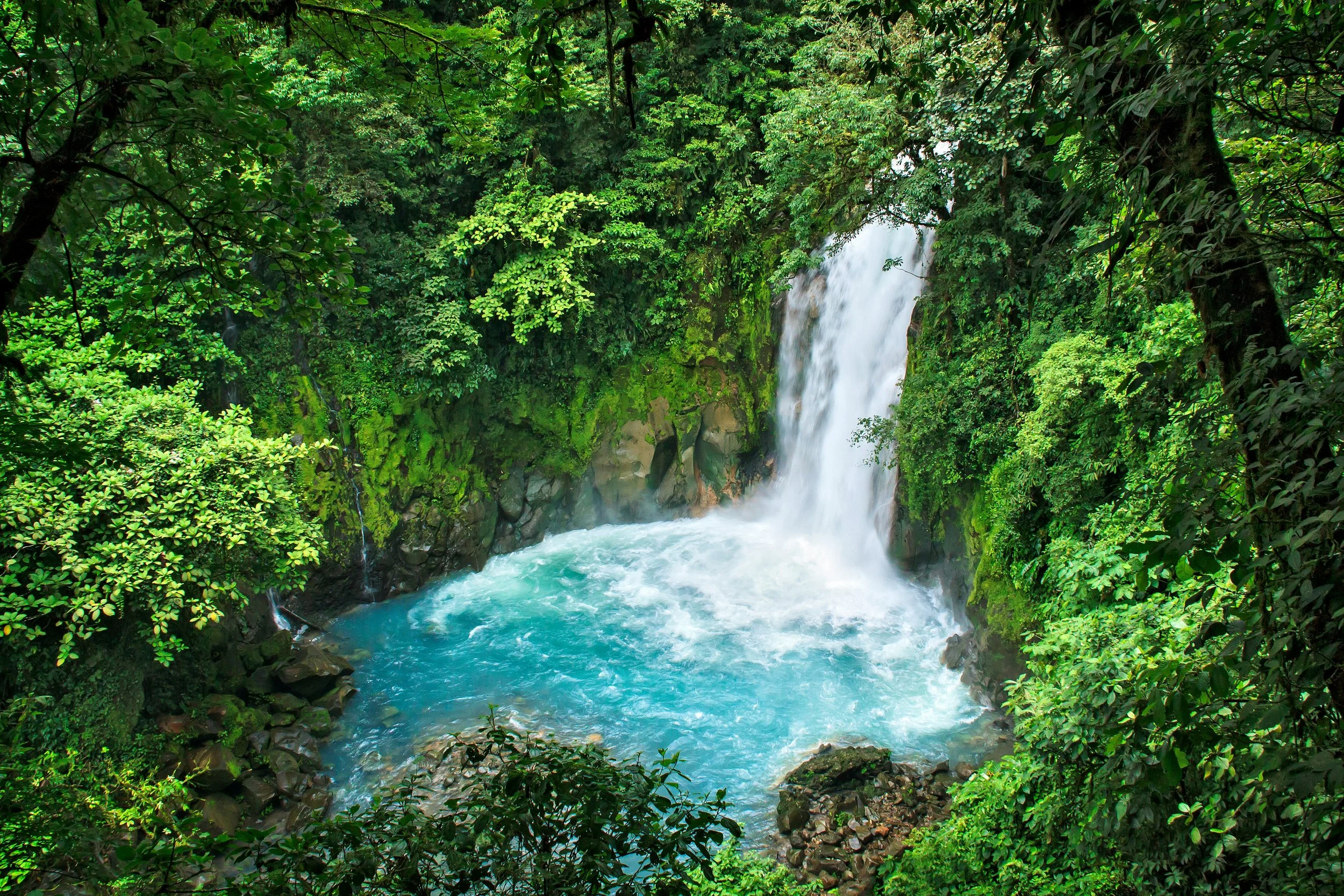
Guanacaste delivers sun-drenched tranquility along Costa Rica’s Pacific coast, where golden beaches stretch wide beneath expansive skies. The region’s dry tropical climate provides consistent warmth and reliable sunshine during the dry season, creating ideal conditions for extended time outdoors. Calm mornings often begin with gentle ocean swims or paddleboarding along serene shorelines before the day gradually unfolds at an intentionally unhurried pace. Wildlife remains present even in restful moments, howler monkeys echo from nearby trees, and scarlet macaws flash overhead in bursts of color. Luxury resorts and eco-conscious lodges emphasize open-air design, encouraging immersion in the surrounding landscape rather than separation from it. Nearby nature reserves offer optional light exploration for those who want balance without intensity. Guanacaste’s rhythm is steady and grounding, making it particularly well-suited for travelers seeking restoration without complete detachment from nature’s vibrancy.
The Maldives
The Maldives redefine seclusion, composed of low-lying coral atolls scattered across impossibly clear turquoise water. Overwater villas provide direct access to lagoons where reef fish glide just beneath the surface, making snorkeling an effortless extension of daily routine. The physical landscape is intentionally minimal white sand, calm sea, open sky creating an atmosphere that quiets mental clutter almost immediately. Days revolve around simple rituals: morning swims, unhurried meals, sunset views uninterrupted by urban noise. Beneath the surface, however, lies extraordinary biodiversity, from manta rays to thriving coral systems, offering immersive marine encounters without sacrificing serenity. The dry season between late fall and early spring typically delivers the calmest seas and clearest visibility. The Maldives are not about activity schedules or sightseeing checklists; they are about slowing to the rhythm of tide and light in one of the most visually tranquil environments on Earth.
The U.S. Virgin Islands
The U.S. Virgin Islands combine Caribbean beauty with logistical ease, particularly for American travelers seeking a seamless escape. St. John stands out for its protected national parkland, where much of the coastline remains undeveloped and hiking trails lead to quiet beaches accessible only by foot or boat. St. Thomas offers livelier harbor views and sailing excursions, while St. Croix blends cultural heritage with laid-back coastal charm. The waters here are famously calm and clear, ideal for snorkeling among coral reefs or spending long afternoons drifting on a sailboat. Winter and spring typically provide the most stable weather, though the islands maintain warmth year-round. Unlike some ultra-remote tropical destinations, the Virgin Islands allow for both simplicity and subtle activity, historic sites, local markets, and waterfront dining add texture without overwhelming the pace. The overall experience feels restorative yet gently engaging, striking a comfortable middle ground between isolation and accessibility.
Porto, Portugal
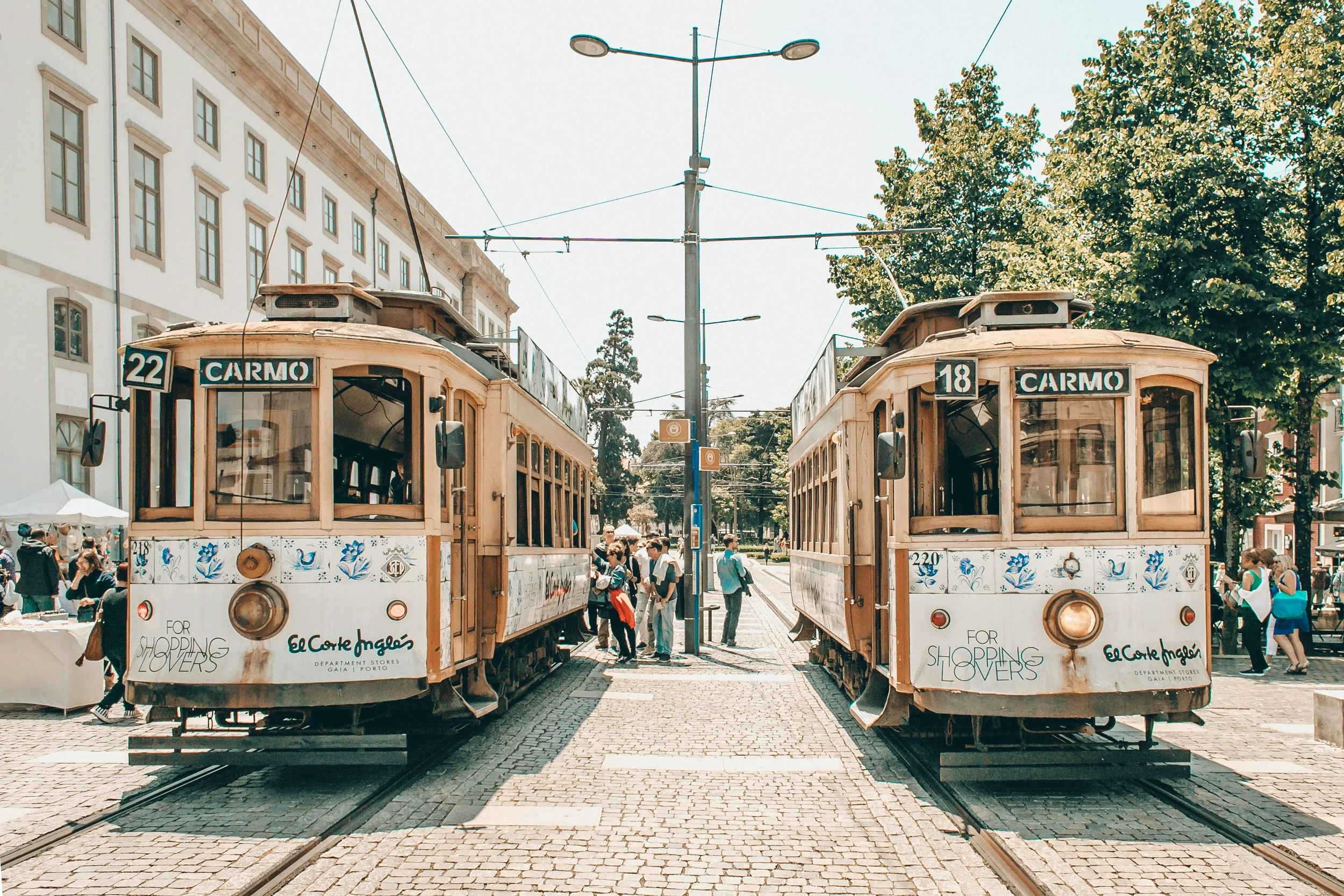
Porto unfolds at a slower cadence, inviting travelers to sink into its riverside atmosphere rather than rush between attractions. The city’s terracotta rooftops cascade toward the Douro River, where boats drift steadily past historic facades painted in sun-faded hues. Wandering through Ribeira’s narrow cobblestone streets reveals hidden courtyards, tiled churches, and quiet viewpoints that reward aimless exploration. River cruises provide a peaceful vantage point of the terraced vineyards that define the broader Douro Valley landscape. Porto’s culinary culture, rooted in fresh seafood and regional wines, encourages lingering meals that stretch into the evening. Shoulder seasons in spring and early fall offer mild weather and manageable visitor numbers, preserving the city’s intimate feel. Porto is less about dramatic spectacle and more about atmospheric immersion, where relaxation emerges naturally through rhythm, setting, and understated beauty.
Best Destinations for Extraordinary Stays
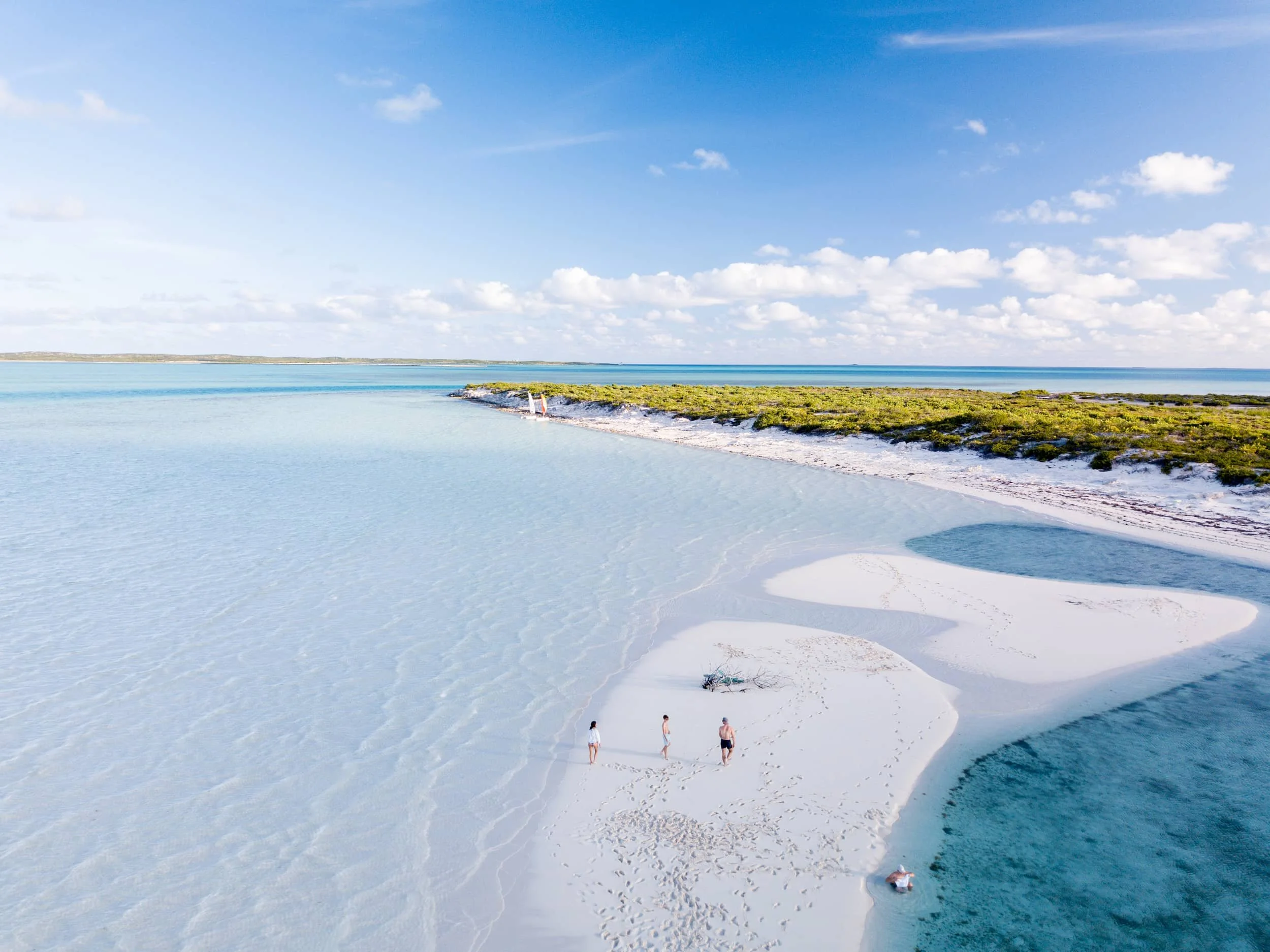
Ambergris Cay, Turks and Caicos
Ambergris Cay offers a level of seclusion that feels increasingly rare in the Caribbean, occupying its own private island within the Turks and Caicos archipelago. With a limited number of villas and suites spread across hundreds of acres, space and privacy define the experience from the moment of arrival. Each residence is positioned to maximize uninterrupted ocean views, often with private pools that blend visually into the turquoise horizon. The surrounding marine environment is exceptionally pristine, with coral reefs just offshore that allow for snorkeling in calm, crystalline water without crowds. Unlike larger resort destinations, the atmosphere here is intentionally understated; luxury exists in silence, space, and personalized attention rather than spectacle. Beaches remain uncrowded even during peak season, creating a sense of ownership over the landscape that is difficult to replicate elsewhere. Ambergris Cay transforms a traditional beach vacation into something far more intimate, where exclusivity and natural beauty operate in quiet harmony.
Arctic Circle, Norway
Staying within the Arctic Circle in Norway is defined by dramatic seasonal contrasts that reshape the entire experience depending on the time of year. In winter, remote lodges and glass-roofed cabins provide front-row access to the Northern Lights, allowing guests to witness auroral displays from the warmth of their accommodations. Snow-covered fjords and frozen landscapes create an otherworldly atmosphere, enhanced by activities such as dog sledding, snowmobiling, and guided Arctic expeditions. During summer months, the Midnight Sun eliminates traditional notions of time, bathing rugged coastlines and mountain ridges in continuous golden light. Boutique properties often emphasize Scandinavian minimalism, blending wood, glass, and clean architectural lines into the surrounding environment rather than competing with it. Culinary experiences frequently spotlight hyper-local ingredients, from Arctic char to foraged herbs, grounding the stay in regional identity. The Arctic Circle is extraordinary not only for its scenery, but for the way its natural phenomena redefine daily rhythm and perception.
Small Ship Cruising in Croatia
Small ship cruising along Croatia’s Dalmatian Coast offers an entirely different scale of maritime travel, prioritizing intimacy over grandeur. Unlike large cruise liners, these vessels navigate narrow channels and anchor in secluded coves inaccessible to bigger ships, creating a more immersive coastal experience. Days unfold at a relaxed pace, often beginning with swims in translucent Adriatic waters before sailing onward to medieval towns like Hvar, Korčula, or Dubrovnik. Evenings are spent docked within historic harbors, allowing travelers to step directly into centuries-old streets without the logistical complexity of long transfers. The ever-changing seascape limestone cliffs, pine-covered islands, and terracotta-roofed villages becomes part of the accommodation itself, visible from deck lounges and private cabins alike. Summer offers the calmest seas and most vibrant coastal atmosphere, though shoulder seasons provide a quieter, more contemplative journey. The extraordinary element lies in the seamless fusion of movement and stillness, where the ship becomes both transport and sanctuary.
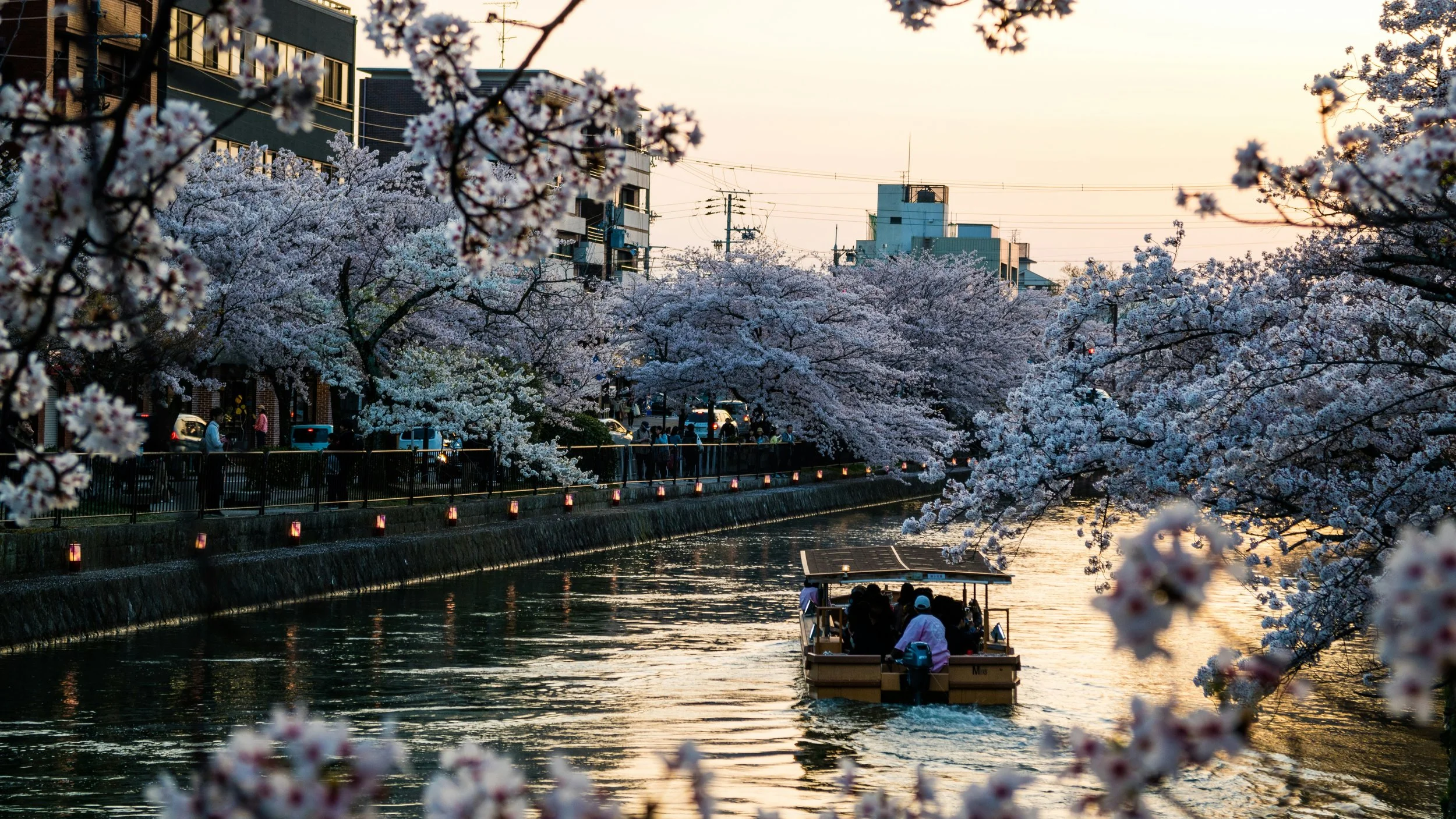
Kyoto, Japan
Kyoto’s extraordinary stays are defined by immersion into centuries-old tradition rather than overt opulence. Ryokan inns offer tatami mat rooms, sliding shoji screens, and meticulously prepared kaiseki meals that elevate hospitality into an art form. Many properties feature private or communal onsen baths, where mineral-rich waters encourage quiet reflection after days spent exploring temples and gardens. The city itself provides an unparalleled backdrop; ancient shrines, bamboo groves in Arashiyama, and meticulously preserved tea houses shape the atmosphere beyond the accommodation walls. Seasonal transitions heighten the experience, whether cherry blossoms drift past temple gates in spring or maple leaves ignite hillsides in autumn. Staying in a restored machiya townhouse further deepens connection to Kyoto’s architectural heritage. In Kyoto, the lodging is not separate from the cultural experience; it is an integral extension of it, offering serenity grounded in ritual and design.
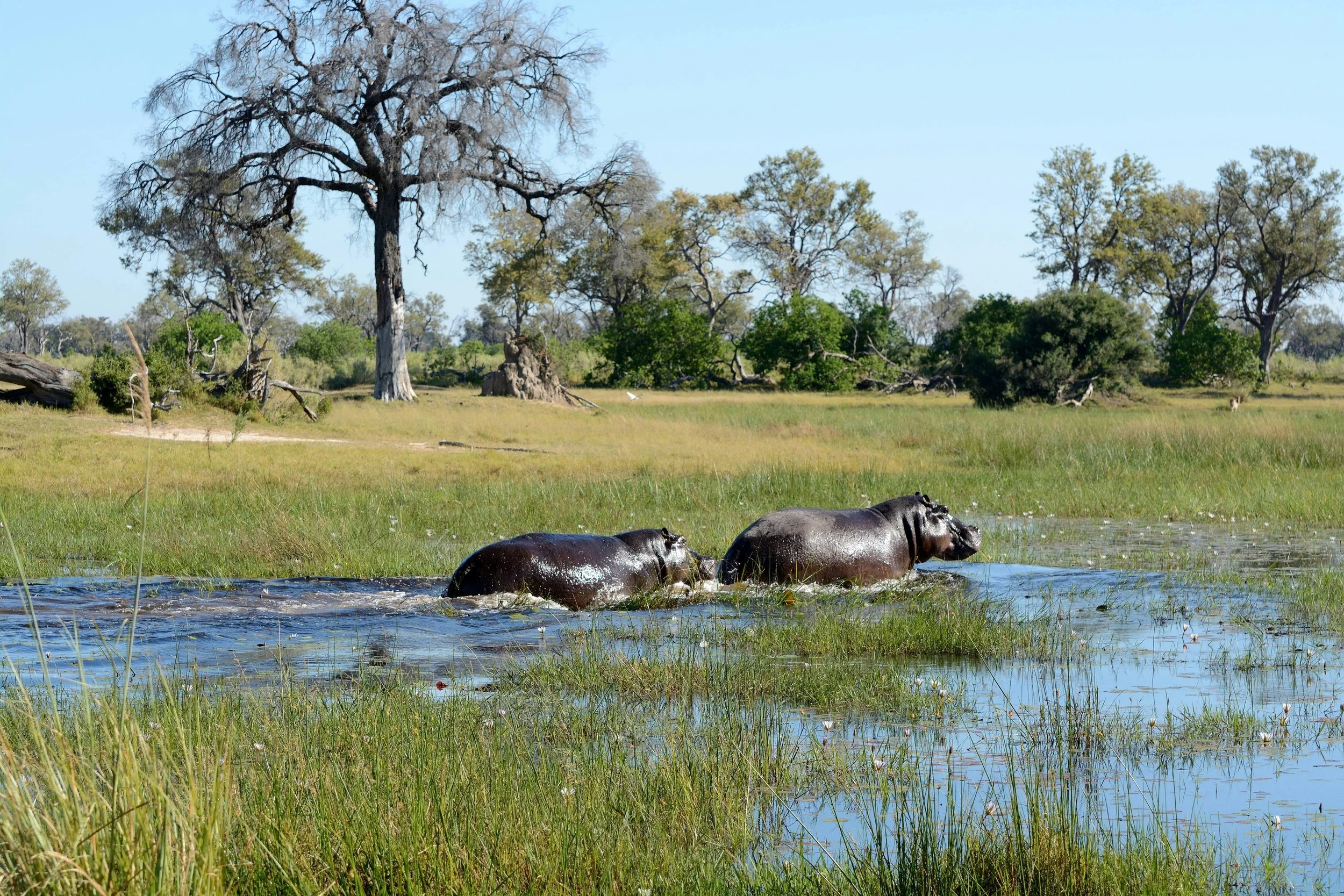
Okavango Delta, Botswana
The Okavango Delta delivers one of Africa’s most exclusive safari environments, defined by its seasonal floodplains that transform desert terrain into a lush inland oasis. Luxury camps are intentionally small and widely spaced, ensuring privacy while preserving the ecosystem’s delicate balance. Accommodations often sit elevated above wetlands, with open-air decks overlooking channels frequented by elephants, hippos, and antelope. Game drives and mokoro canoe excursions depart directly from camp, allowing wildlife encounters to unfold without lengthy transfers. The delta’s unique hydrology supports an extraordinary density and diversity of species, making sightings both frequent and intimate. Dry season typically provides optimal wildlife viewing as animals gather near water sources, though the landscape remains compelling year-round. The Okavango experience is extraordinary not simply because of luxury amenities, but because of its seamless integration into one of the planet’s most remarkable and biodiverse ecosystems.
At the end of the day, the best family vacations are the ones that give everyone a chance to slow down and experience something meaningful together. The right destination often depends on what your family needs most in that season of life, whether that’s adventure, time in nature, cultural discovery, or simply space to relax. I’ve found that when a trip is thoughtfully planned and aligned with those priorities, it naturally becomes something people talk about for years afterward. A great family vacation isn’t just time away from home. It’s time spent reconnecting with each other while experiencing the world in a new way.
If you’re looking for more inspiration, you might also like: “Cape Cod Family Vacation” and “Summer Vacation Spots In The U.S.”