Planning a Trip to Italy
Planning a Trip to Italy
Italy is a country steeped in history, culture, and culinary delights. If you're considering a visit, you're in for a remarkable experience. As a seasoned travel consultant, I specialize in creating custom itineraries that cater to your interests, ensuring every moment of your trip is memorable. Let’s explore how to plan your Italian adventure.
Is Italy Worth Visiting?
Absolutely! Italy offers a unique blend of breathtaking landscapes, rich history, and world-renowned cuisine. With 58 UNESCO World Heritage sites, including the historic centers of Florence and Rome, Italy is a top destination for art and history enthusiasts. From ancient ruins in Pompeii to the masterpieces of the Sistine Chapel, the country provides experiences that linger long after your visit.
Picture yourself strolling through cobblestone streets, enjoying homemade pasta paired with local wine, or admiring Michelangelo’s David. Italy has diverse experiences for every type of traveler that make it a must-visit destination.
How Many Days in Italy Is Enough?
The ideal duration for your trip to Italy can significantly influence your experience. A week provides a snapshot of the country, while two weeks allows for deeper exploration. For the most enriching experience, aim for 10 to 14 days.
With this timeframe, you can visit iconic cities such as Rome, Florence, and Venice while also exploring the scenic beauty of the Amalfi Coast or the rolling hills of Tuscany. Because of the country’s depth, an Italy intinerary of 2 to 3+ weeks may be required to experience a snapshot of all regions without an exhausting pace. If you're short on time, consider a focused trip of 5 to 7 days, concentrating on one or two major cities for a less rushed experience.
When Is the Best Time to Visit Italy?
Italy is a year-round destination, and the best time to visit depends on your preferences. Each season offers unique experiences.
Spring (March to May)
Spring brings mild temperatures and vibrant blooming flowers. This season is less crowded than summer, allowing for a more authentic experience. Easter celebrations, particularly in Rome and Florence, showcase local traditions and festivities. Spring is also ideal for outdoor activities, such as hiking in Tuscany or exploring coastal towns like Cinque Terre.
Summer (June to August)
Summer in Italy means warm, sunny days—perfect for enjoying beaches and coastal towns. However, it is peak tourist season, leading to busy streets and long lines at attractions. Events like the Venice Film Festival and various food fairs fill the summer calendar, providing a taste of local culture. If you enjoy lively atmospheres and outdoor dining, summer is ideal, but prepare for the crowds.
Fall (September to November)
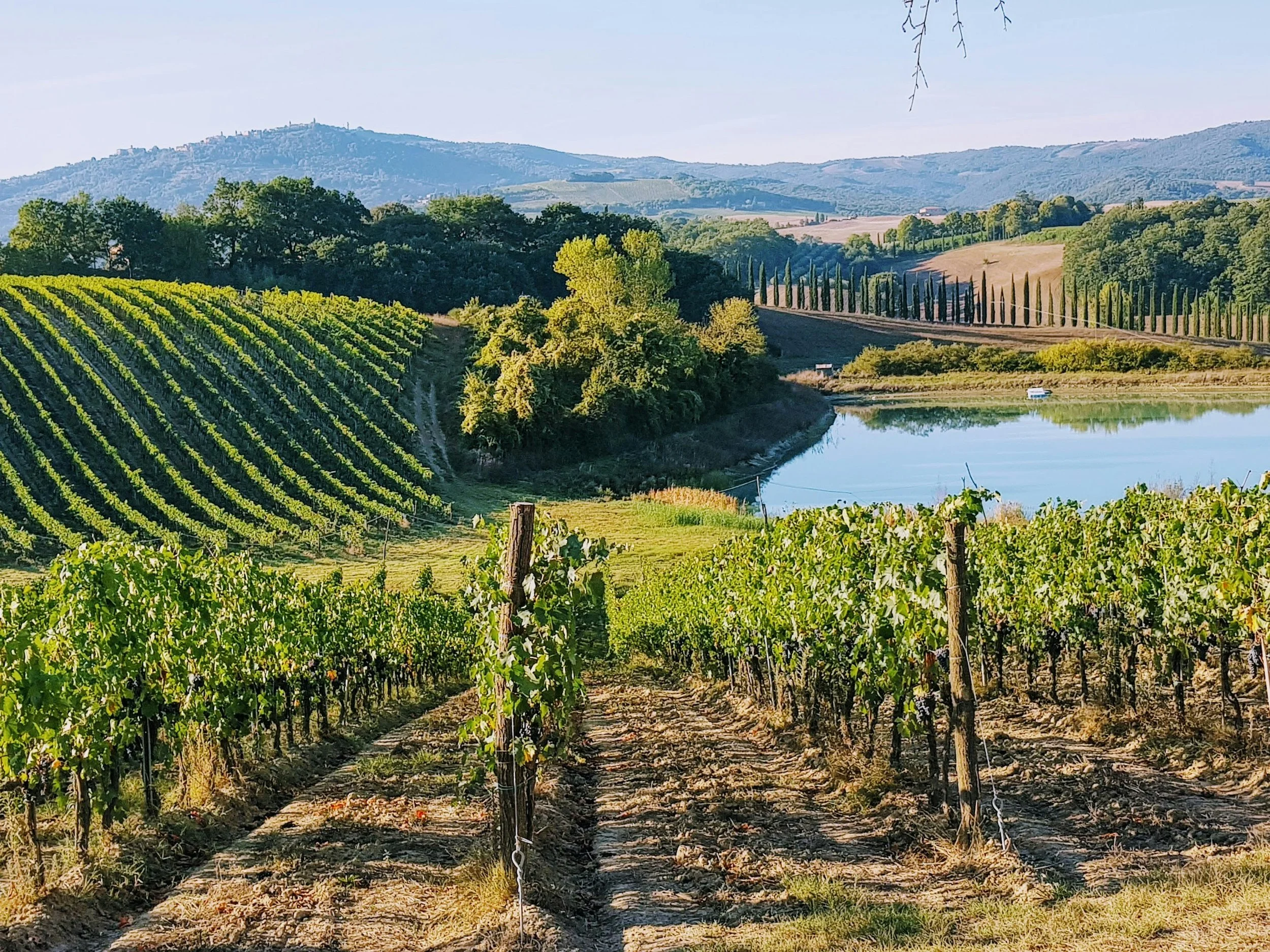
Fall is another excellent time to visit, with pleasant temperatures and decreasing crowds. The landscape transforms into beautiful autumn foliage, especially in Tuscany, where the grape harvest brings numerous wine festivals. This season is also great for food lovers, as seasonal dishes take the spotlight in restaurants.
Winter (December to February)
Winter in Italy can be chilly, especially in the north, but cities like Rome remain enjoyable. The holiday season features festive markets and decorations. While some attractions may have reduced hours, fewer tourists provide a more relaxed experience. If you're interested in skiing, the Dolomites and other mountain regions offer fantastic slopes during winter.
How to Plan a Trip to Italy
Planning a trip can feel overwhelming, but breaking it down into manageable steps makes it easier. Here’s how to plan your Italian adventure, with the help of a travel advisor of course!
1. Make a List of Must-See Destinations
Begin by listing the places you want to visit. Italy is rich in options, from historic cities like Rome, Florence, and Venice to popular coastal towns like Cinque Terre and Sorrento. Each destination offers unique experiences that cater to various interests, whether you’re drawn to art, history, or stunning scenery.
2. Decide on Length of Trip and Budget
Determine how long you plan to stay and how much you’re willing to invest, because traveling is an investment, not an expense. This will guide your itinerary and accommodation choices. Italy is accessible on various budgets, but it is getting more expensive as popularity increases. In general, for 4* to 4.5* accommodations, logistics (transportation), and one activity, we recommend planning for €1,200-1,500 per day, per two people. Factor in daily expenses, such as meals, transportation, and entrance fees to attractions. Planning for special experiences, like cooking classes or guided tours, can enhance your trip.
3. Choose Dates of Travel
Select your travel dates based on the best time to visit and your personal schedule. Flexibility can lead to better deals on flights and accommodations. Research local events and festivals that might coincide with your visit, as these can enrich your experience.
4. Confirm Accommodations THEN Flights
After setting your dates, book your accommodations before securing flights. Confirming your lodging first ensures you have a place to stay. Italy has become one of the most popular travel destinations in the world, meaning booking accommodations early is a must to secure the best pricing and availability possible. Consider location carefully to save time and money on transportation.
5. Reserve Popular Activity Availability
Italy is home to renowned attractions, many of which require advance reservations. Book tickets for sites like the Colosseum and Vatican Museums well in advance to avoid disappointment. Unique experiences, such as cooking classes or wine tours, are also popular and can fill up quickly, especially during peak seasons.
6. Plan and Secure Local Transportation
Navigating Italy is straightforward with the right transportation options. The country has an efficient train system connecting major cities, making it easy to travel. Familiarize yourself with local buses, trams, and metro systems for city travel. Consider purchasing a rail pass if you plan to travel extensively by train, as it can save money and time. Private transportation is always an option throughout the country, and is especially recommended outside of major cities, where road conditions can be “iffy”.
7. Fill in the Details
Once you have the basics, start filling in your itinerary with other activities, dining reservations, and spa treatments, and special experiences you want to enjoy. This will help you maximize your time in Italy. Working with an experienced, professional travel advisor will provide useful here, and can will generally book things like dining reservations 4-6 weeks in advance of your trip.
8. Pack Your Bags!!
Now comes the exciting part—packing! Italy’s diverse climate means checking the forecast is essential. Pack weather-appropriate clothing, comfortable shoes for walking, and travel essentials like your passport and travel insurance. Leave some space in your suitcase for souvenirs and local products.
Where to Go in Italy
Italy is divided into diverse regions, each with its own charm. Here’s a closer look at some must-visit areas:
Historic Cities
Rome
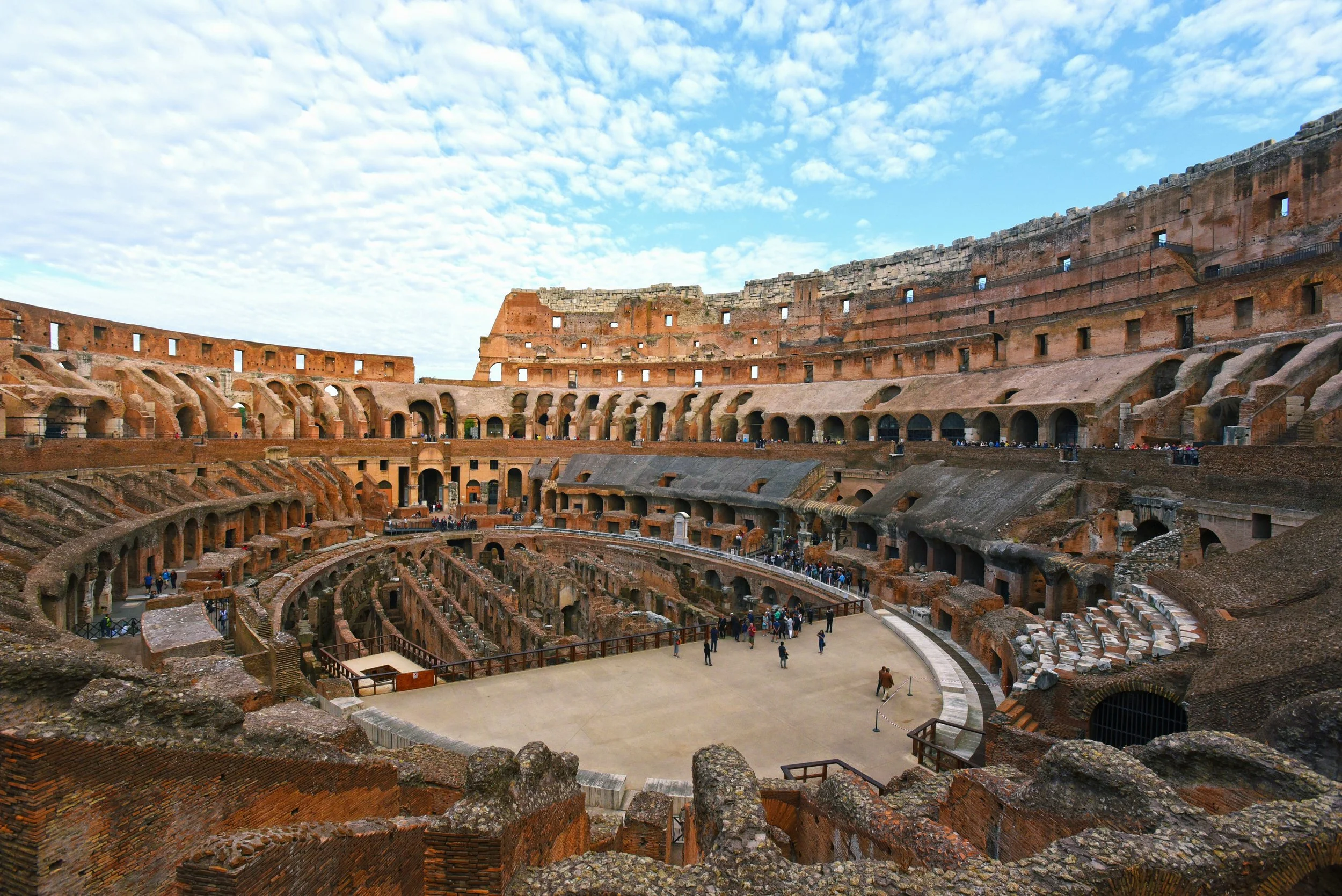
Rome, known as the Eternal City, is a highlight of any Italian itinerary. With rich history, stunning architecture, and vibrant street life, Rome offers countless experiences. Explore landmarks like the Colosseum, where ancient gladiators fought, and Vatican City, home to the breathtaking Sistine Chapel. The city is also a culinary paradise; indulge in traditional dishes like Cacio e Pepe or Roman-style pizza. To enhance your experience, consider getting a Roma Pass, which provides discounts on attractions and public transportation.
Florence
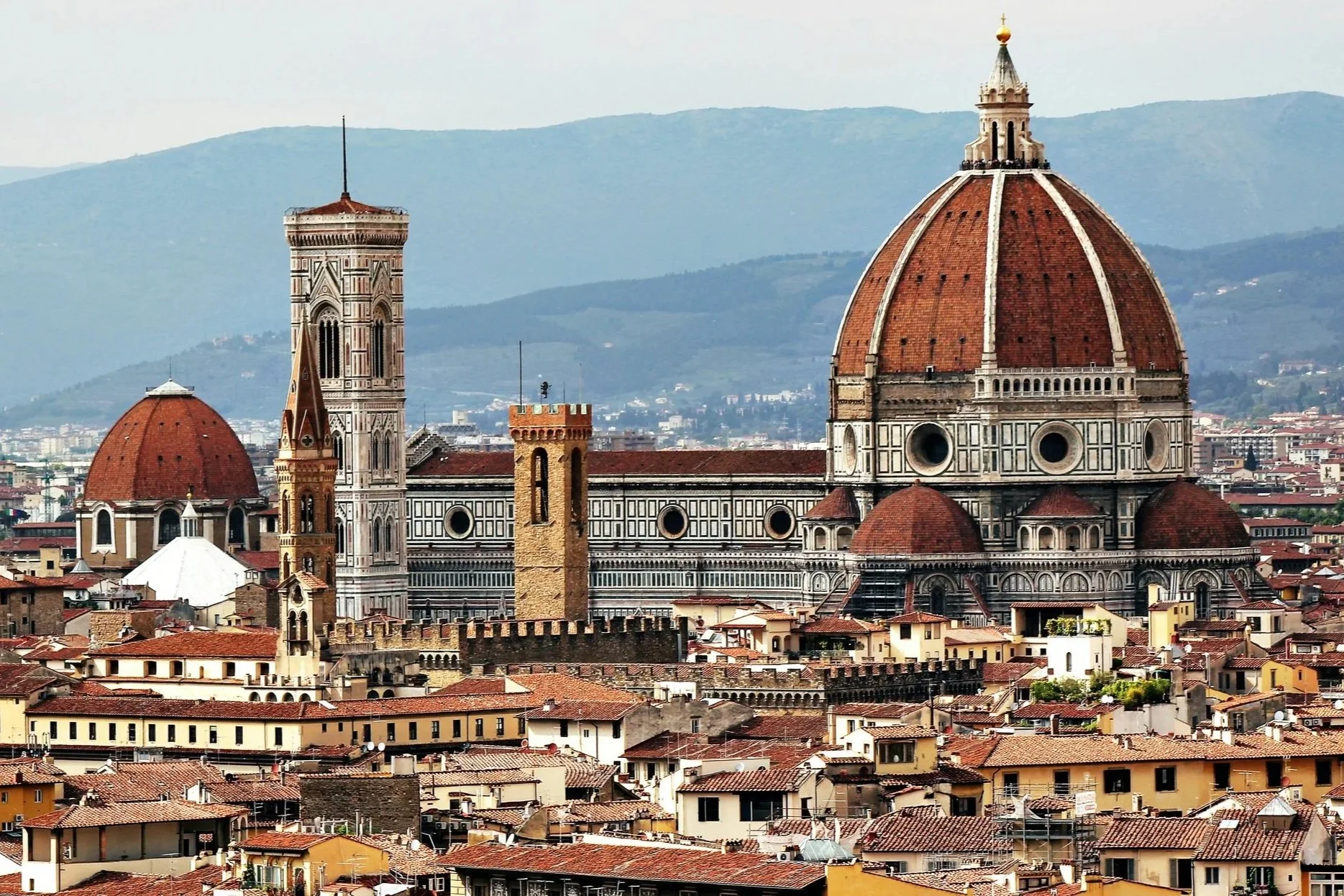
Florence, the birthplace of the Renaissance, is another essential stop. The city is home to an incredible array of art, including Michelangelo’s David and Botticelli’s masterpieces at the Uffizi Gallery. Stroll across the iconic Ponte Vecchio and marvel at the stunning Florence Cathedral. Be sure to try the local cuisine, especially the famous Bistecca alla Fiorentina, a grilled steak that embodies Tuscan flavors. Climbing to the top of the Duomo offers breathtaking views of the city and surrounding hills.
Venice
Venice, with its winding canals and historic architecture, is unlike any other city. A gondola ride through the canals is a classic experience, but don’t miss exploring St. Mark’s Basilica and the Doge’s Palace, both of which showcase the city’s rich history and artistry. Venice is also a culinary delight; enjoy Cicchetti, Venetian tapas, and fresh seafood risotto. To escape the crowds, visit early in the morning or late in the evening when the city takes on a quieter ambiance.
Scenic Coastal Cities/Towns
Cinque Terre
Cinque Terre, a collection of five colorful villages along the Ligurian coast, is a paradise for nature lovers and hikers. Each village has its own charm, with stunning views of the Mediterranean Sea. The hiking trails connecting the villages offer breathtaking scenery and a chance to experience local culture. Be sure to sample the fresh seafood and local wines. A Cinque Terre Card provides access to the hiking trails and unlimited train rides between the villages, making exploration easy.
Sorrento
Sorrento serves as a gateway to the breathtaking Amalfi Coast, known for its stunning views and charming streets. Enjoy delicious limoncello, a local lemon liqueur, while taking in views of the Bay of Naples. Sorrento is also an excellent base for day trips to Capri, where you can explore the famous Blue Grotto or take a chairlift to Mount Solaro for panoramic views. The combination of coastal beauty and vibrant local culture makes Sorrento a must-visit destination (often times without having to fight the crowds as much as other destinations).
Northern Lakes and Mountains
Lake Como
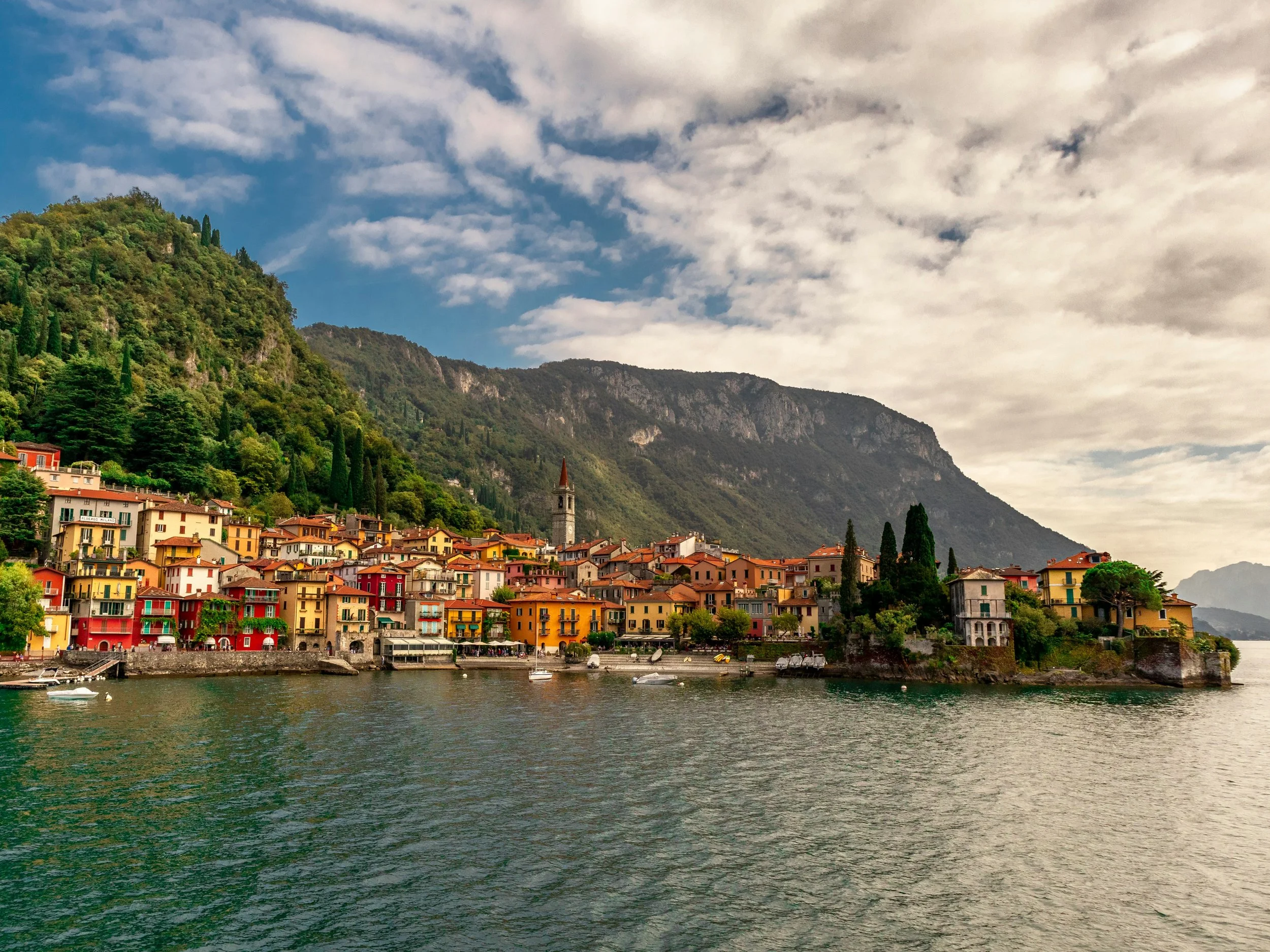
Lake Como is renowned for its stunning scenery, charming lakeside towns, and luxurious villas. Take a boat tour to explore the picturesque towns of Bellagio and Varenna, where you can stroll along the waterfront and admire beautiful gardens. Hiking in the surrounding hills offers breathtaking views of the lake and mountains. Bellagio, known as the "Pearl of Lake Como," is particularly famous for its stunning gardens and elegant villas, making it a perfect spot for a leisurely afternoon.
Lake Garda
Lake Garda, Italy’s largest lake, is a haven for outdoor enthusiasts. The lake is surrounded by charming towns, each offering unique experiences. In Sirmione, you can explore the historic castle and relax in thermal baths. The area is also known for its vineyards, making it a great destination for wine tasting. Whether you enjoy hiking, cycling, or lounging by the water, Lake Garda has something for everyone.
The Dolomites
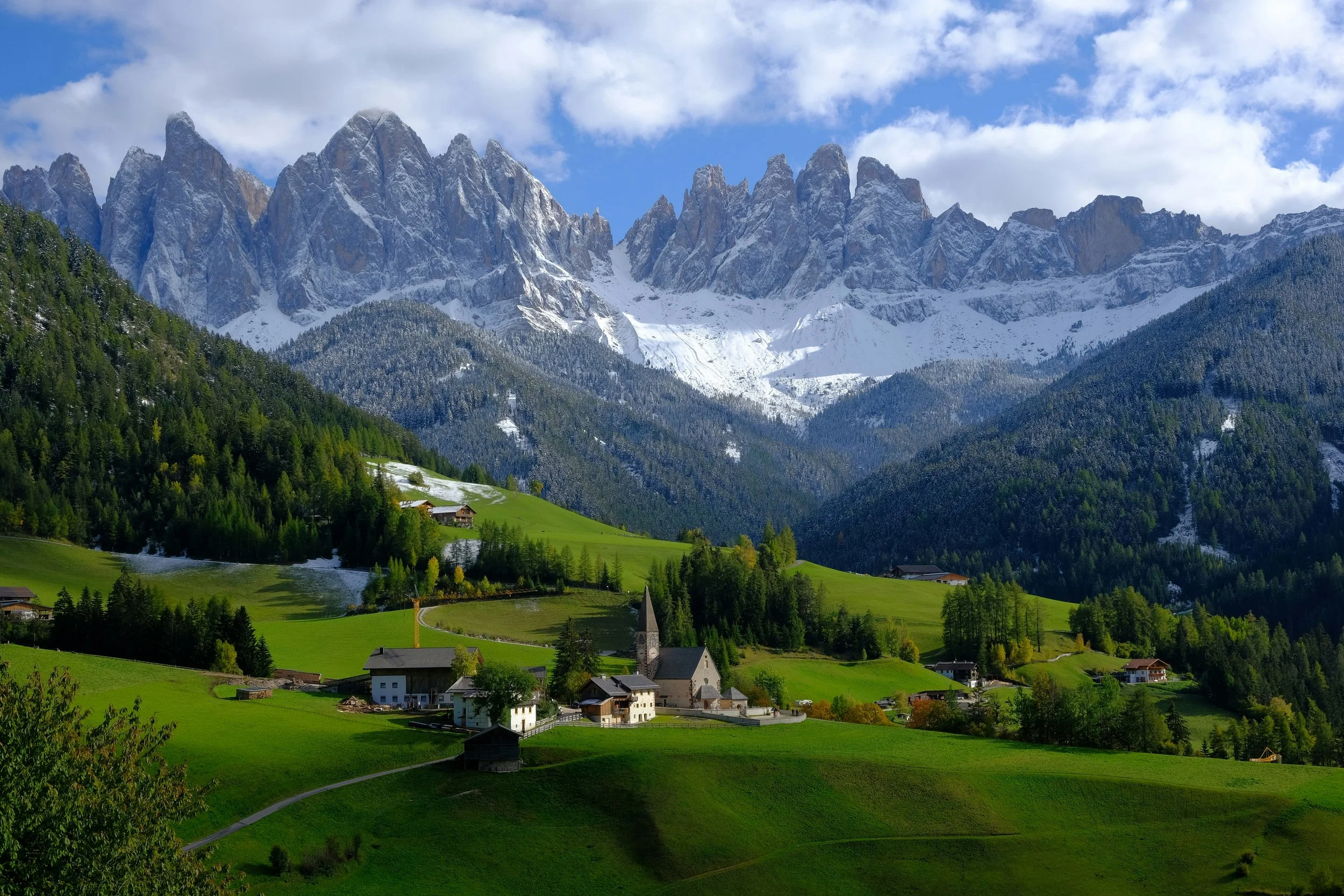
The Dolomites are a UNESCO World Heritage site, famous for their dramatic peaks and breathtaking landscapes. This region is perfect for outdoor enthusiasts, offering year-round activities such as hiking in summer and skiing in winter. The picturesque towns of Cortina d’Ampezzo and Ortisei provide cozy bases for exploring the mountains. Don't miss the chance to hike the famous Alta Via trails, where you can take in some of the most stunning views in Italy.
Southern Charm
Puglia
Puglia, located in the heel of Italy's boot, is known for its unique trulli houses and beautiful coastline. The town of Alberobello is famous for its traditional trulli, whitewashed stone huts with conical roofs. The region is also known for stunning beaches, crystal-clear waters, and delicious cuisine. Be sure to try local specialties like orecchiette pasta and fresh seafood. Puglia is a gem that offers a rich cultural experience away from the tourist crowds, which is why I also include it on my list of underrated European destinations and one the best honeymoons in Italy.
Sicily
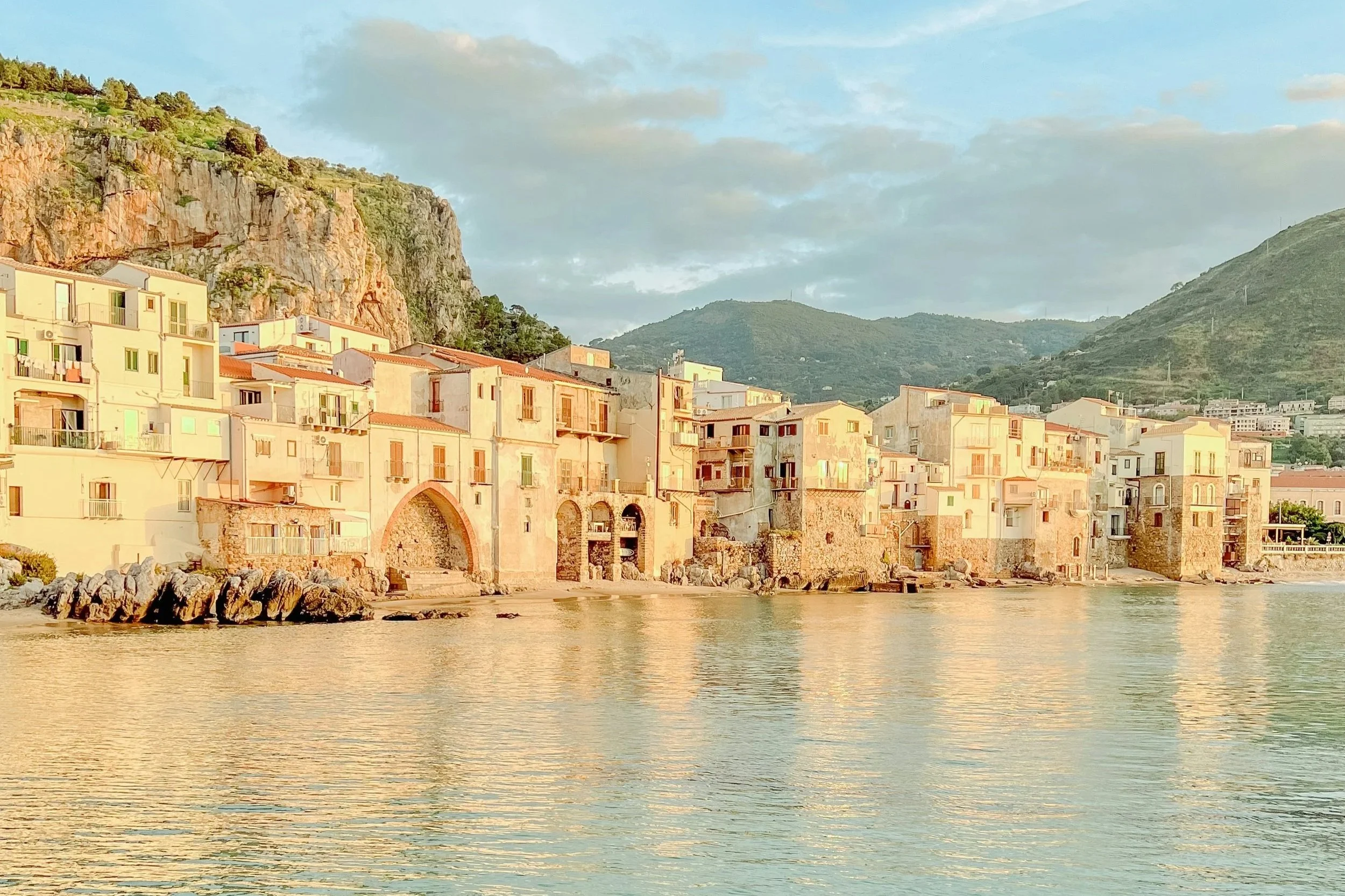
Sicily, the largest island in the Mediterranean, boasts a wealth of history and natural beauty. Explore the ancient ruins of the Valley of the Temples in Agrigento, or hike to the summit of Mount Etna, Europe’s highest active volcano. The island is also known for its culinary delights, including arancini (fried rice balls) and cannoli, making it a food lover’s paradise. With its stunning coastline, rich history, and vibrant culture, Sicily is a destination that warrants attention.
What to Do in Italy
Italy offers numerous activities catering to diverse interests. Here are some must-do experiences:

Visit Ancient Historical Sites
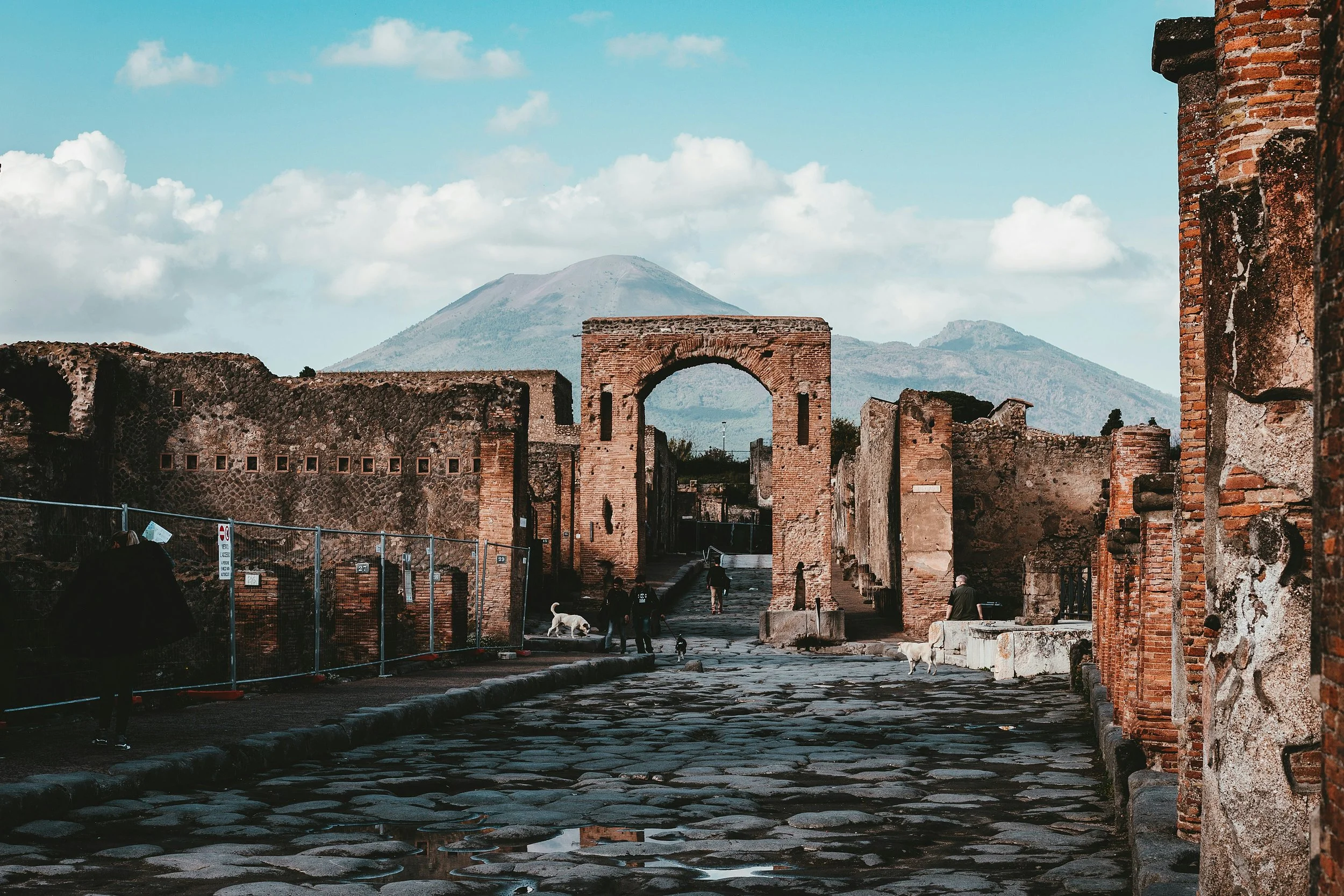
Italy is home to significant historical sites. The Colosseum in Rome allows you to walk through history and imagine the gladiatorial battles that once occurred. Another must-visit is Pompeii, where you can explore the remarkably preserved ruins of a city frozen in time by the eruption of Mount Vesuvius in 79 AD.
Explore Renaissance Art and Literature
Art lovers will find a wealth of masterpieces in cities like Florence, which boasts an incredible array of Renaissance art. The Uffizi Gallery houses works by Michelangelo, Da Vinci, and Botticelli, providing insight into this transformative artistic era. For literature enthusiasts, consider joining a literary tour that explores the lives and works of famous Italian authors, such as Dante and Petrarch, in their historic hometowns.

Partake in Italy’s World Famous Food and Wine Culture
No trip to Italy is complete without indulging in its culinary delights. Join a wine tour in Tuscany to visit vineyards and sample some of the best wines in the world. Participate in a cooking class to learn traditional dishes like pasta or risotto from a local chef. Each meal tells a story, and experiencing the local cuisine will deepen your appreciation of the culture.
Discover Italy’s Diverse Natural Landscape
From the rugged cliffs of the Amalfi Coast to the serene lakes of northern Italy, the landscapes are stunning. Hiking in the Dolomites offers a chance to experience the natural beauty up close, while a leisurely drive along the coast provides panoramic views. Explore the countryside of Tuscany with its rolling hills and picturesque vineyards, or relax on the beautiful beaches of Sardinia. Each region offers unique natural wonders waiting to be explored.
Start Planning Today!
Planning a trip to Italy involves embracing the beauty, culture, and culinary delights the country has to offer. With a well-structured itinerary and a sense of adventure, your journey will be unforgettable.
As an experienced travel consultant, I’m here to assist you at every stage of your planning process. Whether you need help with your itinerary or recommendations for hidden gems, I can provide tailored support. Let’s turn your Italian dream into reality!
Are you ready to start planning your unforgettable journey to Italy? Feel free to reach out for personalized advice and assistance!