Bali Travel Itinerary for 10 Days: The Perfect Route for Temples, Beaches, and Downtime.
Ten days is the sweet spot for Bali. It's long enough to hit the big names without sprinting between them, and short enough that you don't lose track of what day it is. This route gives you temples and culture in Ubud, rice terraces and waterfalls, a day trip to Nusa Penida, a couple of easy beach days on the southern coast, and a last stretch where the only decision is pool or ocean. The best Bali itinerary is the one that fits how you actually like to travel, so treat this as a starting point. I'll flag where to slow things down and where to turn them up.
Bali always hits a home run, from honeymooners to families to friends celebrating big birthdays. The one thing I wish someone had told me before my first trip: Bali maps lie. Two spots that look like a short hop apart can eat an hour and a half of your day in traffic. Almost every choice below, from the order of the stops to how many nights you spend in each place, is built around that.
Want a slower pace? Drop a stop and add a night somewhere. Want more adventure? There's room for a volcano hike or a day of diving. Both versions are covered below.
Bali Travel Itinerary for 10 Days: The Route at a Glance
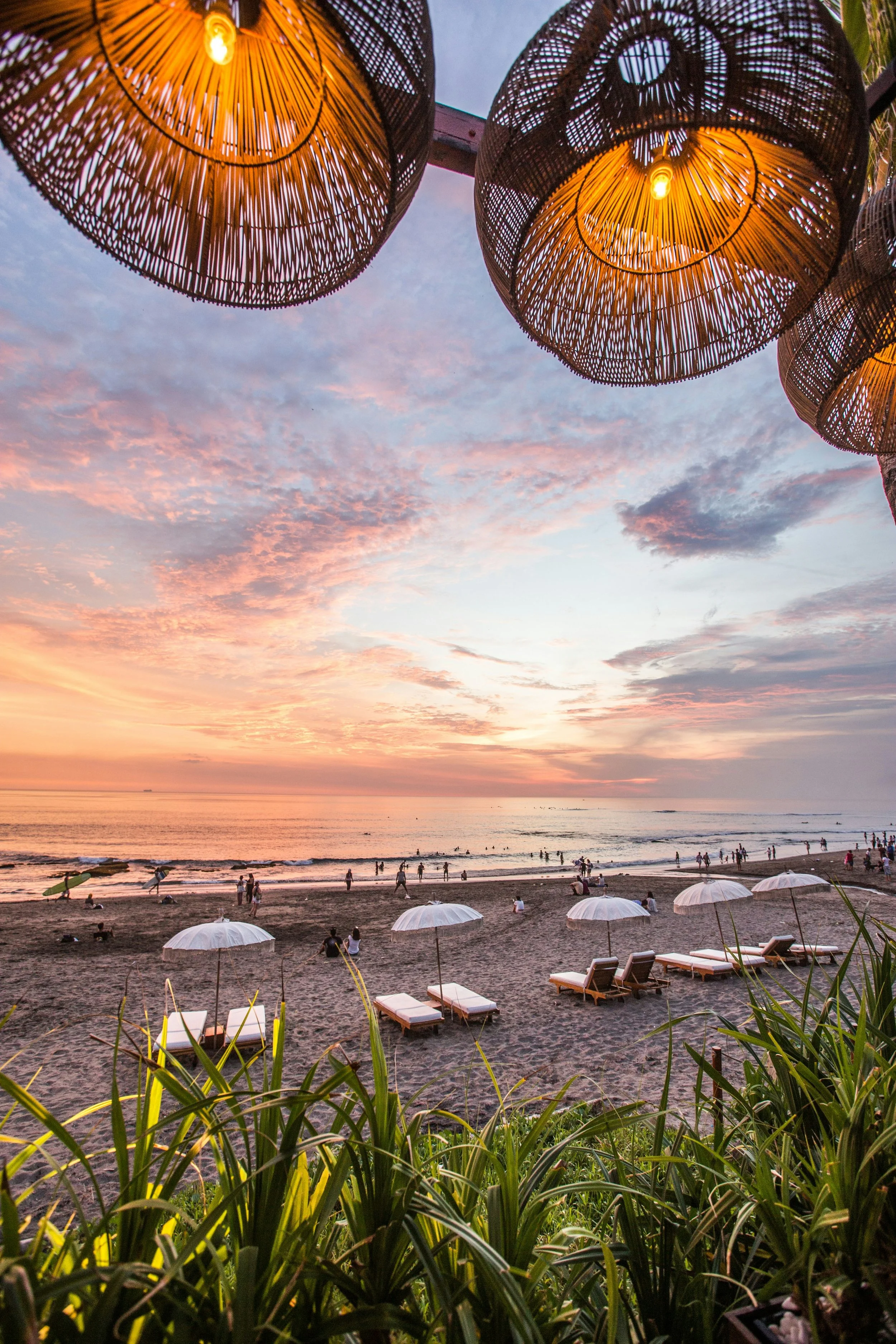
Here's the shape of the trip: three nights in Ubud, two nights on Nusa Penida or Nusa Lembongan, two nights in Uluwatu, and two nights in Seminyak or Canggu. Then you fly home on day ten.
Grouping the trip by area is what keeps it relaxing. You only unpack four times, and the long drives between regions land on days when there's not much else scheduled. Picture it as a loop. You land at Ngurah Rai International Airport, head up into the hills around Ubud, come back down to Sanur for the boat, cross to the islands, return to the Bukit Peninsula, then work your way up the coast to Seminyak or Canggu and leave through the same airport you arrived at. There's very little backtracking, which is rare on this island.
What To Do In Bali For 10 Days
Each day below has one main event and plenty of breathing room. Bali rewards people who don't schedule every hour. Use my timing notes to beat the crowds, and treat everything else as optional.
Day One: Arrive and Head to Ubud
Most flights land in Bali at odd hours, so keep day one simple. Have a private driver waiting at arrivals with your name on a sign. The taxi scrum outside the airport is a rough way to start a vacation. The drive to Ubud takes about an hour and a half on a good day and closer to two when traffic is bad.
Check in, swim, and head into town for dinner. Ubud is the best place on the island for Balinese food done well, so order what you won't find at home. Slow-cooked duck (bebek betutu) is a classic, nasi campur is the everyday plate, and babi guling, the suckling pig, is worth trying if you eat pork. Then go to bed early.
One recommendation: book a hotel in the Sayan or Penestanan areas instead of right in the center of town. You're a short ride from everything, and you wake up to jungle sounds instead of scooters.
Day Two: Ubud Highlights
Start at the Sacred Monkey Forest as soon as it opens. It's a sanctuary of old temples and moss-covered statues, and it's full of long-tailed macaques. Before the tour groups arrive it's calm and genuinely beautiful. Keep sunglasses and water bottles zipped inside a bag (more on that in the tips section).
From there it's a short walk to the Ubud Palace, the former royal residence, where you can wander the courtyards and see the carved gateways and pavilions. The Ubud Art Market is right across the street. Go before the late-morning heat. It's great for sarongs, woven bags, and other small gifts, and bargaining is expected, so smile and start well below the first price. Skip anything sold to you as an antique.
Break for lunch and a long pool session. Around four in the afternoon, head to the Campuhan Ridge Walk. It's roughly two kilometers of paved path along a grassy ridge between two river valleys, with almost no shade, which is why late afternoon is the time to go. Sunrise is lovely too if you're an early riser. Dinner back in town finishes the day.
Day Three: Rice Terraces, Temples, and Waterfalls
This is your big sightseeing day, so leave early. Ask your driver to pick you up around 7:30 and aim to reach the Tegallalang Rice Terraces right when they open. They sit about 20 to 30 minutes north of Ubud, and by mid-morning the tour buses have taken over. Walk the paths along the terraces while the light is soft. The swings and "nests" hanging over the valley are paid photo setups with long lines, so skip them unless that exact photo is on your list. You'll also pass plenty of coffee plantations. Stop for a tasting if you like, but avoid any that keep civets in cages to make luwak coffee.
Next up is Tirta Empul, a water temple in Tampaksiring that's more than a thousand years old. Its pools are fed by a sacred spring, and Balinese Hindus come here for a melukat purification ritual, moving from spout to spout. Visitors can take part with a guide. Bring a change of clothes and a small towel if you plan to, and borrow or rent a sarong at the entrance. Watching from the side is completely fine too.
Finish at a waterfall. Tegenungan is the closest to Ubud and the most dramatic, which also makes it the busiest. Tibumana, near Bangli, is smaller and quieter, with a pretty swimming pool at the base, and I'd pick it if your driver is up for the extra distance. Both involve stairs. After heavy rain, check the water before you swim. If it's brown and fast, stay out. Then head back to your hotel and do absolutely nothing until dinner.
Day Four: Mount Batur Sunrise Hike or Spa Day, Then Transfer to the Islands
You have a choice this morning, and neither one is wrong.
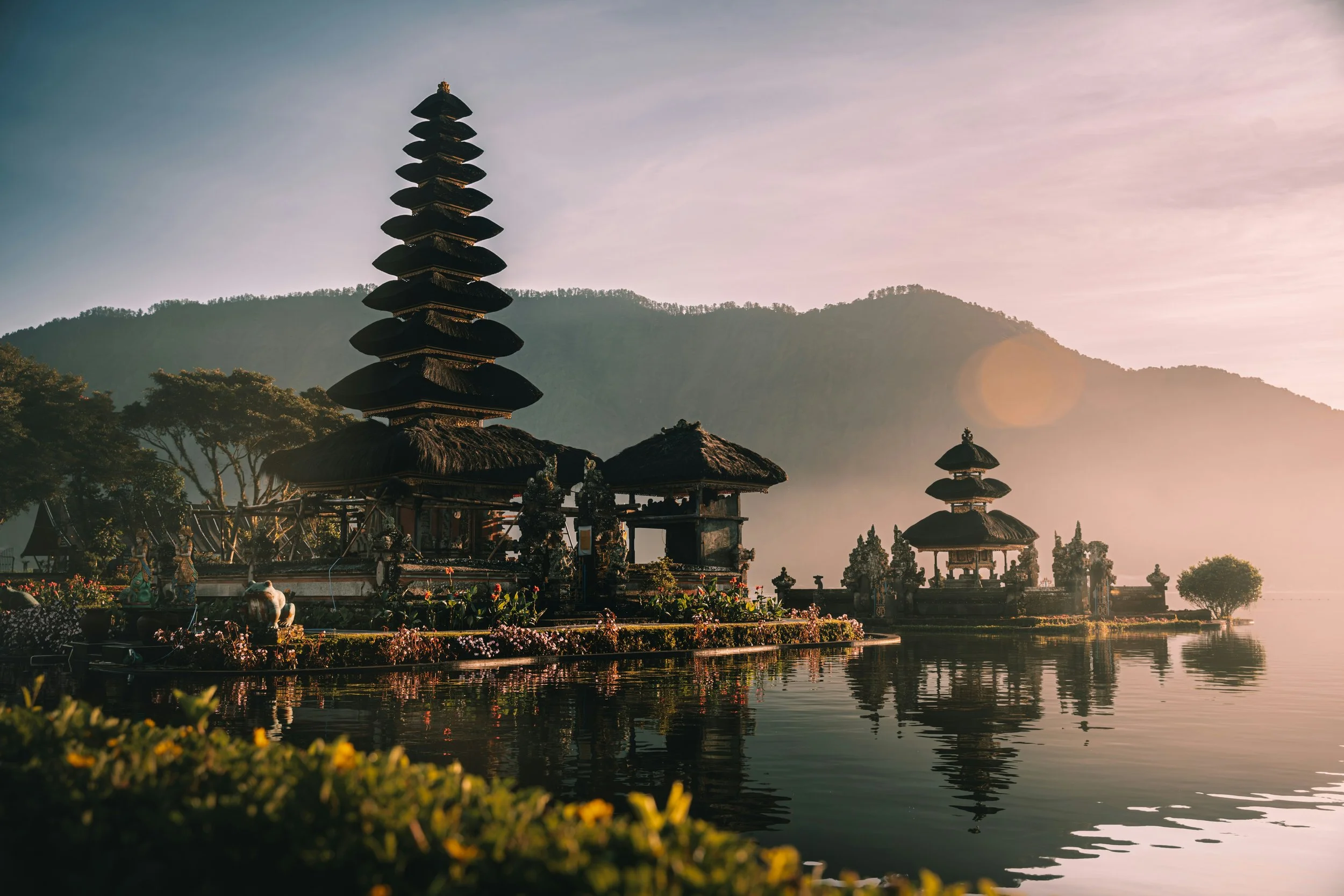
The Mount Batur option. Your driver collects you around 2 or 3 a.m. for the drive to Mount Batur, an active volcano of about 1,700 meters in the Kintamani area. The climb takes roughly two hours on steep, loose volcanic gravel, and local guides are required. Bring a headlamp and real shoes, plus a warm layer for the summit. The payoff is watching the sun come up over Lake Batur, with Mount Agung showing on the horizon on a clear morning. You'll be back in Ubud by late morning, so this day is a long one. I only book it for travelers who really want it, and I always schedule the afternoon boat so nobody is rushing.
The spa option. Sleep in, eat a slow breakfast, and book a long treatment. A traditional Balinese massage with a flower bath afterward is hard to beat, and the spas with river or jungle views are worth seeking out. Then take a late-morning transfer.
Either way, the next step is the drive to Sanur, about 45 minutes to an hour, and then the fast boat. The crossing to Nusa Penida takes roughly 45 minutes, and to Nusa Lembongan it's closer to 30. Which island should you pick as your base? Nusa Penida has the dramatic cliffs and the bigger adventures. Nusa Lembongan is flatter, easier to get around, and has more beach-resort energy, with a wider choice of restaurants. If you're staying on Nusa Lembongan, you simply take a boat across to Nusa Penida for the day trip tomorrow.
Day Five: Nusa Penida Day Trip
Hire a driver with local knowledge for this one. Roads on Nusa Penida are steep, narrow, and rough in places, and a good driver will also know when each viewpoint is quietest. Start early.
Kelingking Beach comes first. It's the cliff that looks like a T-rex head, and it's the photo you've seen all over Instagram. The main viewpoint is an easy walk from the parking area. The trail down to the beach is another story: it's very steep, there's little shade, and the climb back up is exhausting, so most people stop at the viewing platforms. I'd do the same.
Broken Beach and Angel's Billabong are a short drive away. Broken Beach is a collapsed sea arch with turquoise water pouring through it, and Angel's Billabong is a natural tidal pool beside it. Look but don't swim. Waves surge over the rocks without warning, and the water here can be dangerous when the swell is up.
After lunch, finish with the water. Crystal Bay is the easy snorkeling choice, with calm, clear water and a good sunset view. If you'd rather see reef manta rays, book a morning boat trip to Manta Bay in place of Crystal Bay. Sightings are common but never guaranteed, and conditions change by the day. I'd choose one or the other instead of trying to cram both in.
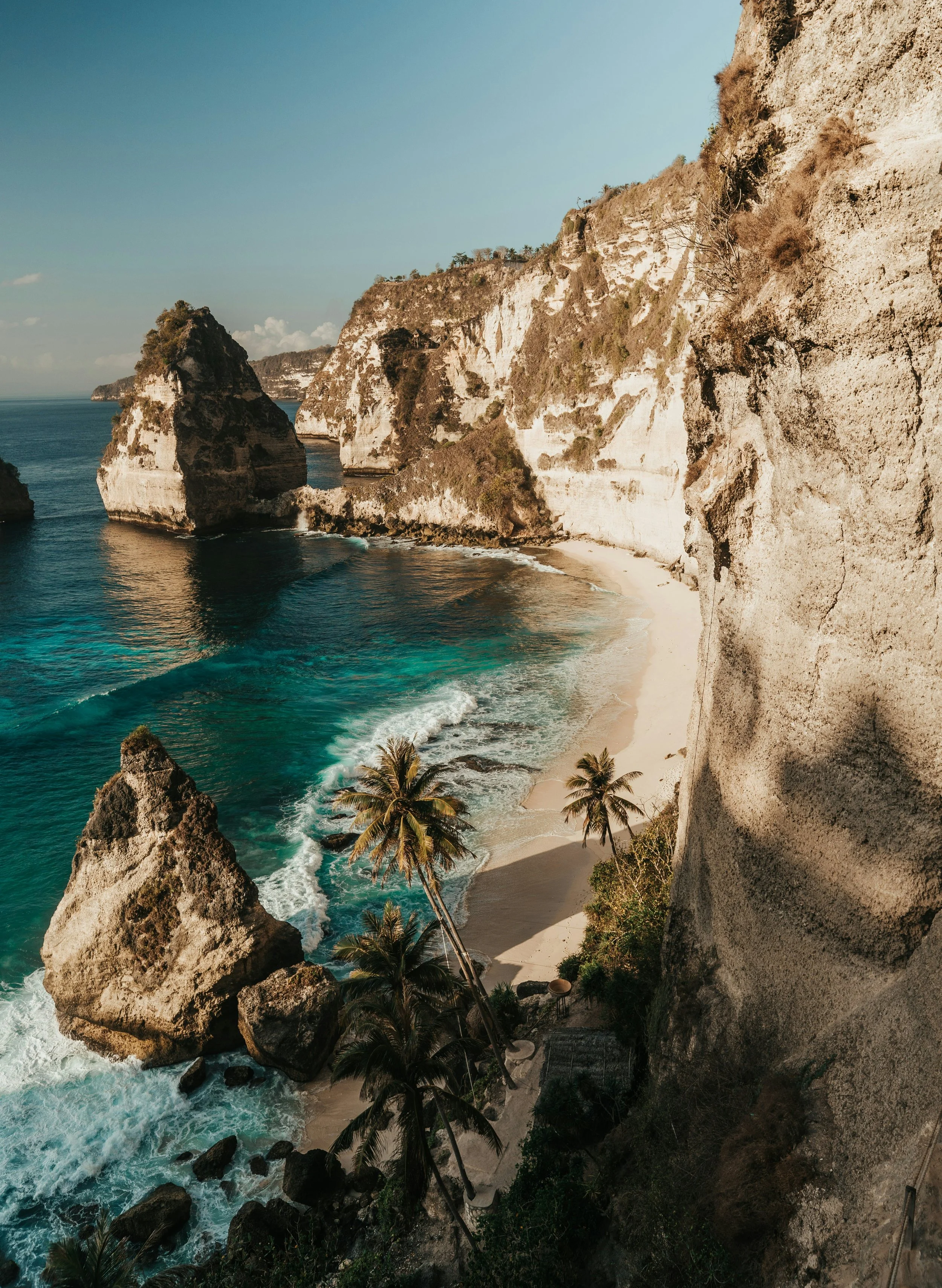
What I'd skip: the far east side of the island, including Diamond Beach and Atuh. It's gorgeous, but it adds hours of driving and a lot of stairs, and you'll want this day to feel like a good one, not a marathon.
Day Six: Transfer to Uluwatu and Relax on the Beach
Take a morning fast boat back to Sanur, where your driver will be waiting for the trip to Uluwatu. Allow an hour and a half to two hours, depending on traffic. Uluwatu sits at the southern tip of the Bukit Peninsula, a limestone plateau where the land drops straight down into the Indian Ocean.
Check in, have lunch, and spend the afternoon at the beach. Padang Padang is small and pretty, reached through a narrow gap in the rock. Bingin sits at the bottom of a long staircase, with cafes perched on the cliff above and a famous surf break out front. Both depend on the tide. They're best at low to mid tide, and Padang Padang nearly disappears when the water is high. Ask your hotel for the tide chart that morning, and pick one beach instead of trying to do both. Then settle in at a clifftop spot for a sunset drink.
Day Seven: Uluwatu Temple and the Kecak Fire Dance at Sunset
Keep the morning open. A surf lesson or a long spa treatment both work, and so does a lazy breakfast by the pool. If you want a different beach, Suluban (sometimes called Blue Point) is reached down a long set of steps and through a rock passage, and it's worth the effort at low tide.
Plan to arrive at Uluwatu Temple around 4:30 or 5 p.m. The temple sits on a cliff roughly 70 meters above the ocean and is one of the island's most important sea temples. Staff hand out sarongs at the entrance. Walk the cliff path first, and hold on to your belongings. The macaques here are bolder than the ones in Ubud and will grab sunglasses, hats, and phones.
The kecak dance takes place in an open-air amphitheater at the temple, usually starting around 6 p.m. as the sun goes down. A large group of men sits in concentric circles, chanting "cak" in rhythm with no instruments at all, while dancers act out a scene from the Ramayana. It runs about an hour and ends with a fire sequence. Seating is first come, first served, so get there early for a good spot, and confirm the start time because schedules can shift. It's crowded, but it's one of those things that earns its reputation.
Day Eight: Head to Seminyak or Canggu
Drive north mid-morning. It's about an hour to an hour and a half, and Canggu traffic can stretch that longer. Seminyak is the polished one, with boutiques and upscale restaurants, plus beach clubs along the sand. Canggu is looser and younger, with surf breaks, cafes, and rice paddies tucked between the shops. If you're not sure which to pick, couples celebrating something usually do better in Seminyak. Travelers who care more about coffee culture and surf lean toward Canggu.
Spend the afternoon on a beach club daybed, then wander. In Seminyak, the shopping streets around Jalan Kayu Aya and Petitenget are the best browsing. In Canggu, walk Batu Bolong and watch the surfers at Echo Beach. Reserve dinner ahead of time. The good tables in both areas go quickly.
Day Nine: Tanah Lot Temple at Sunset and a Final Night Out
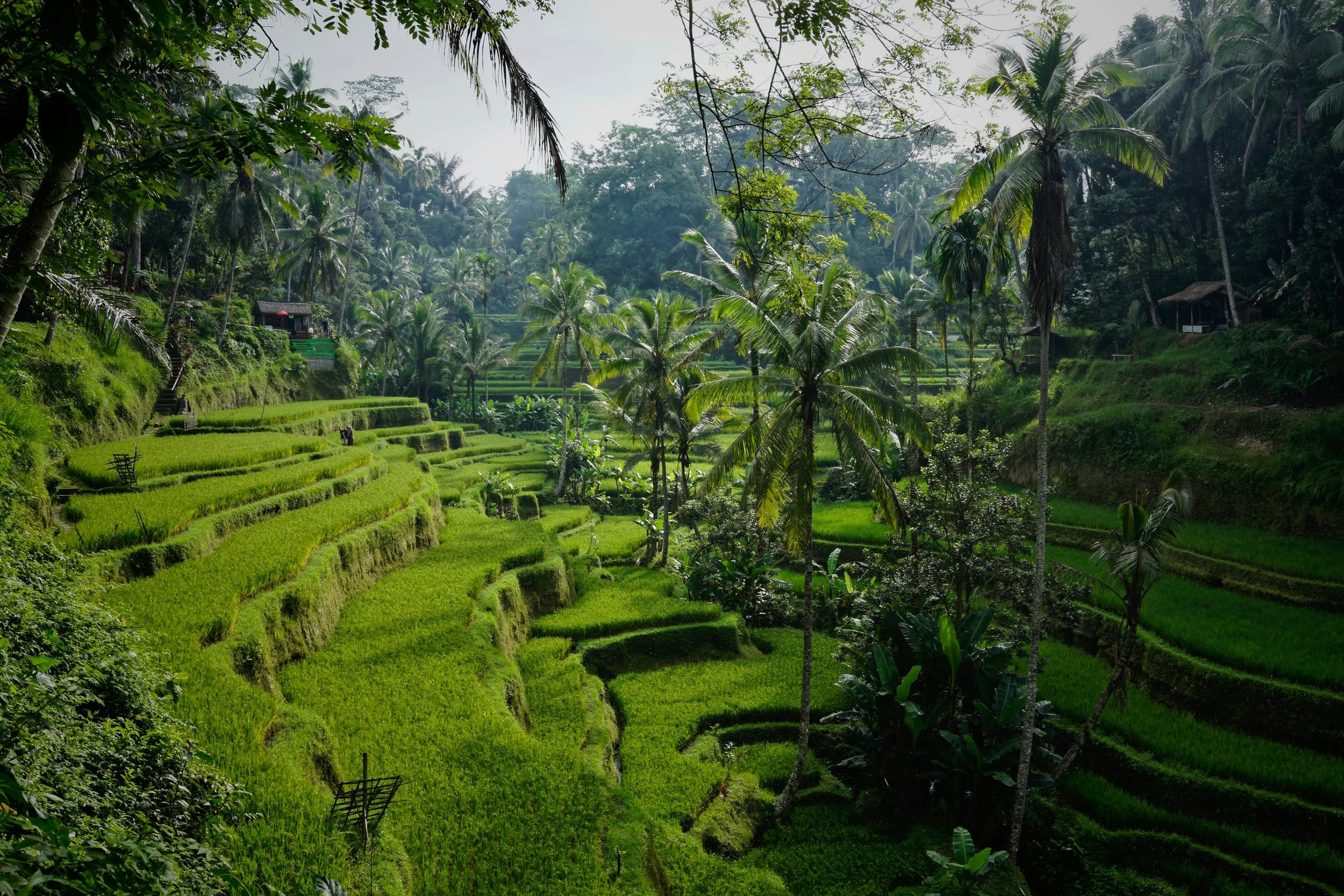
Sleep in, have a long breakfast, and book a massage or a pool day. Have your driver collect you around 3:30 or 4 p.m. for Tanah Lot, which is about 30 to 45 minutes from Seminyak and a bit closer from Canggu. Tanah Lot is a Hindu sea temple built on a rocky outcrop just off the coast, dating back to the 16th century. At low tide you can walk to the base of the rock, but only worshippers can enter the temple itself.
It's the most popular sunset spot on the island, so arrive early and claim a spot on the cliffs before the crowds fill in. Sunset is usually around 6 p.m. year-round, since Bali sits close to the equator. Afterward, either leave right away or wait out the traffic with a drink at one of the clifftop cafes.
Save your best dinner reservation for tonight. After that, head to a beach club or a rooftop bar, or just call it an early night. Tomorrow isn't a big day.
Day Ten: Last Swim or Breakfast and Departure From Ngurah Rai International Airport
Squeeze in a last swim and a long breakfast. Seminyak is about 30 to 45 minutes from Ngurah Rai International Airport, and Canggu is closer to an hour or more depending on traffic. Build in a buffer, and plan to arrive about three hours before an international flight. Many flights out of Bali leave late at night, so ask your hotel about a late checkout, or book a day room so you can shower before the long trip home.
Want to slow it down? Two stops add real depth if you have a few extra days. Sidemen is a quiet valley in east Bali with rice paddies and Mount Agung views, and it replaces a night in Ubud or Seminyak very well. Amed is a string of black-sand fishing villages on the east coast and the best base for snorkeling and diving, including the famous shipwreck at nearby Tulamben. Both are far from the rest of this route, so build in a longer drive, and I'd only add them if you can spare an extra night or two.
If this trip is a honeymoon, you're in good company. Bali is one of the first places that comes up when couples ask me about exotic honeymoon destinations, and this route works well for it. Newlyweds usually ask for romance, a little adventure, and good sunsets, and this loop delivers all of it.
Is 10 Days Enough In Bali?
Yes. Ten days is enough to see Bali's main highlights across three or four areas without rushing. That's the whole reason I use it as a baseline.
The real question is how many bases to use. Fewer is slower and more relaxing. If your priority is rest, cut the route down to Ubud and Uluwatu, spend five nights in each, and keep your days almost empty. You'll see less, but you'll arrive home rested. More stops give you more variety, but every hotel change costs you about half a day in packing, driving, and checking in. For ten days, four bases is my limit. Five starts to feel like a tour.
With ten days in Bali you will have to skip a few things. The far north, including Lovina, Munduk, Sekumpul Waterfall, and the diving at Menjangan Island, is a long drive from everything else. The east coast beyond Sidemen and Amed, including Tirta Gangga and the famous gate at Lempuyang temple, is similarly remote. Lempuyang also has photo lines that can run for hours, which is why I usually steer people away. Other islands like the Gilis, Lombok, and Komodo are worth their own trip.
Where To Stay in Bali for 10 Days
I match properties to the traveler, not the other way around. A first-time couple and a family with teenagers will end up in different places even on the same route. Here's how I think about each area. For specific property recommendations that fit your style, that's something I tailor in a custom plan.
Ubud. Best for culture, couples, and first-timers. Look at the Sayan Ridge and Penestanan areas, where river-valley resorts with private-pool villas overlook jungle. Tegallalang has paddy views but means more driving. A resort with a good spa and a shuttle into town is the sweet spot here.
Nusa Penida. Best for adventurous travelers who like big views and don't mind rough roads. Choose a boutique clifftop property with ocean views and an on-site restaurant, because dining options on the island are limited. Expect a quieter, more remote feel than anywhere else on this route.
Nusa Lembongan. Best for travelers who want a beachy, easy-going base. The island is small and flat, so you can get around by golf cart or with a driver. Look at beachfront resorts near Mushroom Bay for calm water, or Jungut Batu for views of Mount Agung on clear mornings. It's the easier of the two islands, and I send more first-timers here.
Uluwatu. Best for couples, surfers, and sunset chasers. The top choices are clifftop resorts around Pecatu with infinity pools and private villas, or smaller, lower-key boutique stays near Bingin. If you want to be near restaurants and shops, ask me which location suits you. Some of the best clifftop properties are also the most remote.
Seminyak. Best for first-timers who want polish, restaurants, and beach clubs. A beachfront resort or a villa-style resort with a private pool around Petitenget is the classic choice, and it makes for an easy last stop before the airport.
Canggu. Best for travelers who prefer cafes, surf, and a relaxed pace. Berawa and Pererenan are quieter than the core of Canggu and have the better resorts. Traffic here is the worst on the island, so choose your location carefully.
Tips for Planning Your 10-Day Bali Trip
Best time of year: The dry season runs from April through October, with July and August the busiest months. May, June, and September are my favorites because you get dry weather and thinner crowds. The rainy season runs from November through March, with warmer, more humid days and afternoon downpours. It's still a great trip, just pack for rain and expect fewer people. Christmas and New Year are peak periods.
Getting around: Hire a private driver for day trips and transfers. Drivers usually work on a day basis of about ten hours, and having one saves you hours of negotiating and waiting. Ride apps like Grab and Gojek work for short hops in Seminyak and Canggu, but some areas, including parts of Ubud and Canggu, restrict app pickups. I'd skip renting a scooter. The traffic is chaotic and accidents are common.
Getting to Nusa Penida: Take a fast boat from Sanur. The crossing is about 45 minutes to Nusa Penida and roughly 30 to Nusa Lembongan. Book ahead in peak season, since boats fill up. Landings are often wet, so wear sandals, pack an overnight bag instead of a suitcase, and bring motion sickness tablets if you're prone to it. Morning crossings tend to be calmer.
What to wear at temples: A sarong and sash are required at most temples, and your shoulders and knees should be covered. Many temples lend or rent them at the entrance, but bringing your own is faster. Don't step on the small offering baskets (canang sari) left on the ground, and stay out of inner areas during ceremonies.
Sacred Monkey Forest: Zip sunglasses, hats, water bottles, and snacks inside your bag before you enter. Don't feed the monkeys, don't carry food in your hands, and avoid direct eye contact. If one grabs something, stay calm and let the staff handle it. If you do get scratched or bitten, tell staff right away and see a doctor.
Budget and currency: The currency is the Indonesian rupiah. Bali stretches a luxury budget further than most destinations, so spend where it counts: a great private driver, a few special dinners, and a good spa. Use ATMs attached to banks and exchange money only at reputable, authorized booths. Higher-end hotels and restaurants take cards but often add a service charge and tax, and smaller places, markets, and temples are cash-only. Carry small bills for tips and donations.
Entry requirements: Indonesia and Bali have adjusted visa rules, arrival forms, and a separate tourism levy more than once in recent years. Check the current requirements before you book, and make sure your passport has plenty of validity left.
Book the key moments early: Fast boats, the kecak dance, sunset reservations, and your best dinners fill up in high season. Lock them in first and build the rest around them.
This is the kind of trip I build for clients all the time, down to the driver who knows which viewpoint is empty at what hour. Booking through an advisor can also open up perks at many luxury properties. If you'd like a custom route built around your dates and your pace, reach out and we'll start there.