35 Exotic Honeymoon Destinations
There is something undeniably different about honeymoons that push past the ordinary. Some couples opt for the beach resort and ultra relaxation for their honeymoon, and there is nothing wrong with that. But if you and your partner’s bucket list makes you daydream about places that feel genuinely far from the everyday world, places where the landscapes look like nothing you have seen before, where the culture wraps around you, and where the sense of discovery is part of the romance itself, then an exotic honeymoon is probably what you are after.
Choosing the right destination is where it all begins. Get it right and you come home with memories that do not fade, the kind you end up talking about decades later. Get it wrong, and you spend your honeymoon wishing you had gone somewhere else. Exotic destinations tend to offer something that more conventional spots simply cannot: landscapes that stop you in your tracks, cultural experiences that expand how you see the world, levels of privacy and seclusion that feel almost protective of your time together, and adventure baked right into the experience. I have spent years planning these kinds of trips for clients, and what follows is a roundup of the destinations that genuinely deliver on all of those things.
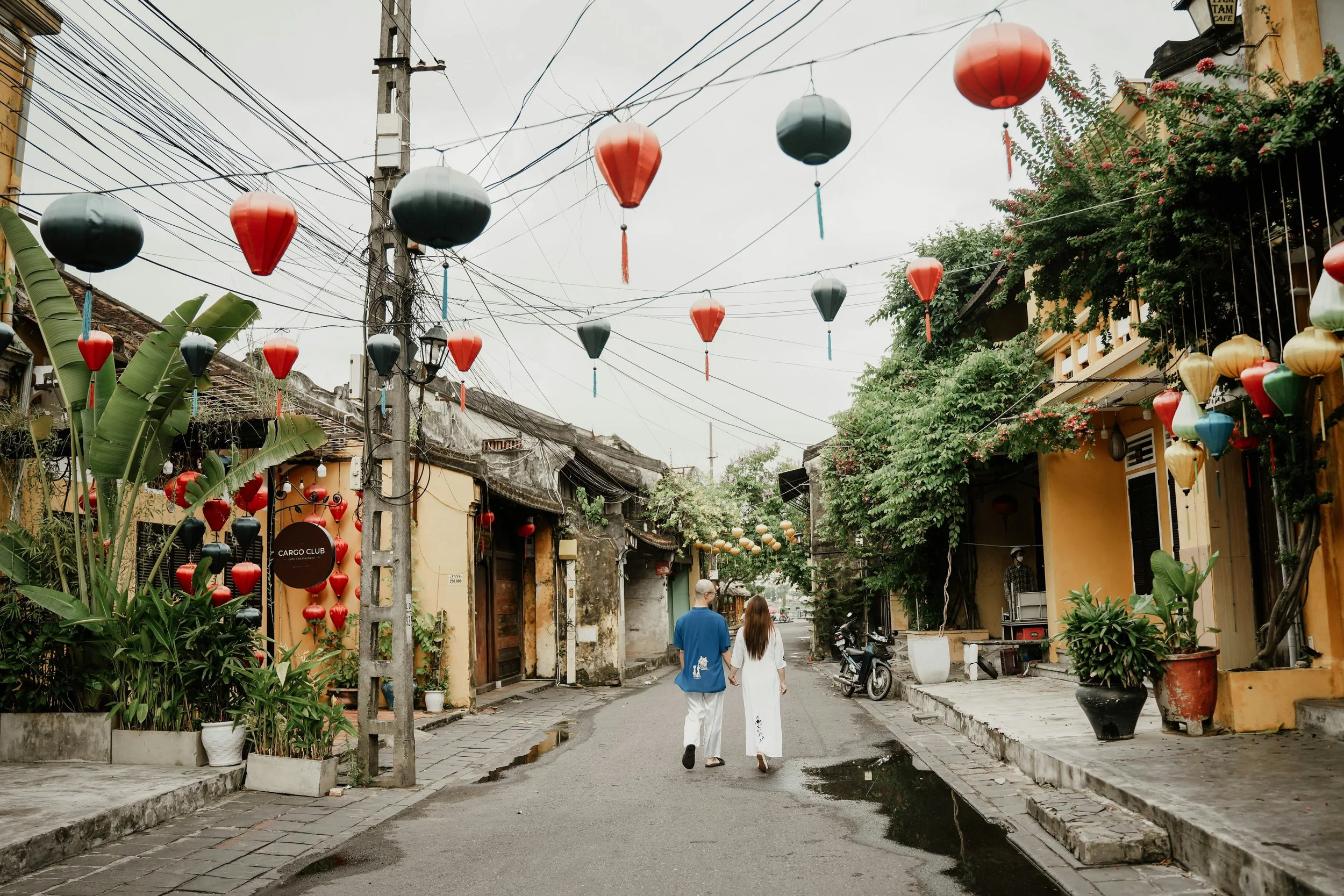
35 Exotic Honeymoon Destinations
An exotic honeymoon is more than just a scenic getaway. When you think about what makes a honeymoon truly memorable, it is rarely the quality of the infinity pool or the thread count on the sheets, though those things matter. It is the moments in between: watching the sun rise over a caldera, getting lost in a spice market together, spotting wildlife you never imagined seeing outside of a documentary. Exotic honeymoons combine adventure, cultural richness, and the kind of shared experiences that become the foundation of your stories as a couple.
What an exotic honeymoon looks like depends entirely on you. For some couples, exotic means remote and wild, somewhere untouched and quiet. For others it means rich history, layered architecture, and food that blows your mind at every meal. Budget shapes things too, as does your comfort level with the unfamiliar. Some of the destinations on this list are genuinely off the beaten path, requiring more planning and flexibility. Others are polished and well-developed for travelers but still feel worlds away from anywhere ordinary. Whatever your combination of interests, experience level, and budget, there is something on this list for you.
What Is an Exotic Honeymoon?
An exotic honeymoon is, at its core, a honeymoon that trades the familiar for the extraordinary. It moves away from the well-worn paths of mainstream destinations and leans into places that feel genuinely unlike anywhere you have been before. Think less "popular Caribbean island resort" and more "remote Indonesian archipelago" or "high-altitude Andean village" or "ancient city in the middle of the Sahara."
Locations that qualify as exotic typically offer something you cannot find just anywhere: natural environments with rare or dramatic features, cultures that operate differently from your own, wildlife or phenomena that exist in very few places on earth, or a combination of all three. Romance is built into the concept because discovering something remarkable together, whether that is a hidden lagoon, a centuries-old temple at dawn, or a starfield so dense it looks painted, creates a kind of closeness that ordinary vacations rarely produce. Privacy is usually part of the equation too, since truly unique honeymoon destinations tend to see far fewer tourists, which means your honeymoon feels like your own rather than a shared experience with a thousand strangers.
What Makes Something Exotic?
Not every destination earns the label exotic just by being far away. Distance alone does not do it. There are specific qualities that genuinely set exotic destinations apart, and understanding what those are helps you make a smarter choice about where to spend your honeymoon.
Unique Landscapes
This is often the first thing that comes to mind, and for good reason. Landscapes that look unlike anything in your everyday experience create an immediate, almost visceral sense of having arrived somewhere different. We are talking about things like the banded limestone cliffs rising out of emerald water in Southeast Asia, the volcanic black sand beaches of Iceland or the Canary Islands, the otherworldly salt flats of Bolivia that turn into a mirror during the wet season, or the fjords of Patagonia where glaciers meet still blue water. These landscapes do more than look stunning in photographs. They change how you feel. There is a kind of awe that settles in when your surroundings are genuinely extraordinary, and that shared sense of wonder is a powerful thing on a honeymoon.
Cultural Immersion
Some of the most memorable honeymoon experiences come from engaging with a culture that operates on entirely different principles from your own. Wandering through markets in Morocco and watching artisans work by hand. Participating in a tea ceremony in Japan. Following the rhythm of daily life in a hill tribe village in northern Laos. These experiences are not just interesting, they are connecting. They give you and your partner something to talk about, think about, and feel together. And because they are happening in a context neither of you has a map for, you end up relying on each other in small ways that quietly build intimacy. The best exotic honeymoon destinations are not just places to observe culture but places where, even as visitors, you can feel it around you.
Rare Experiences
Rarity is a big part of what makes something feel exotic. Witnessing the wildebeest migration in East Africa. Swimming in bioluminescent water in Puerto Rico. Trekking to see mountain gorillas in Rwanda. Diving on untouched reefs accessible only by liveaboard in the Coral Triangle. These are things that most people never do, and many never even consider. On a honeymoon, doing something that feels genuinely rare and exclusive to the two of you adds a layer of meaning that goes beyond the experience itself. It becomes part of your shared identity as a couple: the two people who went to that place and saw that thing together.
Seclusion
There is a reason that villas, private islands, and overwater bungalows have become synonymous with luxury honeymoons. Seclusion amplifies romance because it removes the ambient noise of crowds, itineraries, and social obligation. When your honeymoon destination is genuinely removed from the tourist mainstream, you naturally spend more time in your own world. The Maldives built an entire hospitality industry around this idea, with one luxury resort per island. But seclusion shows up in other forms too: a remote lodge in the Okavango Delta accessible only by small plane, a hillside retreat in the mountains of Sri Lanka where the nearest town is a long drive away, or a sailing charter through the Marquesas Islands where you might go days without seeing another vessel. The further a destination sits from the mainstream, the more that feeling of having the world to yourselves becomes real.
Unusual Wildlife or Phenomena
Encountering wildlife or natural phenomena that exist almost nowhere else on earth is one of those experiences that bypasses the rational mind and goes straight to something more primal. Seeing Komodo dragons on their native island. Watching millions of red crabs migrate across Christmas Island. Observing the northern lights from a glass-roof cabin in Finnish Lapland. Swimming alongside whale sharks off the coast of Western Australia. Or witnessing the surreal sight of hundreds of giant tortoises moving across the Galapagos at their own ancient pace. These moments do not just become memories. They become stories you tell for the rest of your life, which is exactly the kind of material a honeymoon should be made of.
What Are the Most Exotic Places for a Honeymoon?
The destinations below are organized by region and represent the places I recommend most often to clients who are specifically looking for something beyond the ordinary. Some are well known but earn their place on this list for very specific reasons. Others are genuinely underrated. All of them deliver on the qualities that make a honeymoon feel exotic.
European Destinations
Europe tends to get overlooked in the exotic conversation, often dismissed as too familiar or too mainstream. But parts of Europe are genuinely extraordinary, and for couples who want cultural richness alongside dramatic landscapes, a few destinations here deserve serious consideration.
The Azores, Portugal
Sitting roughly in the middle of the Atlantic Ocean, the Azores feel nothing like mainland Portugal and nothing like anywhere else in Europe. This archipelago of nine volcanic islands offers crater lakes that glow an impossible shade of blue-green, geothermal hot springs you can soak in while surrounded by jungle, and whale watching that ranks among the best in the world. There are no massive resort complexes here, which means the experience stays intimate. Couples who come here tend to spend their time hiking along calderas, eating incredibly fresh seafood, and genuinely unplugging. It has a wildness to it that most European destinations completely lack.
Faroe Islands
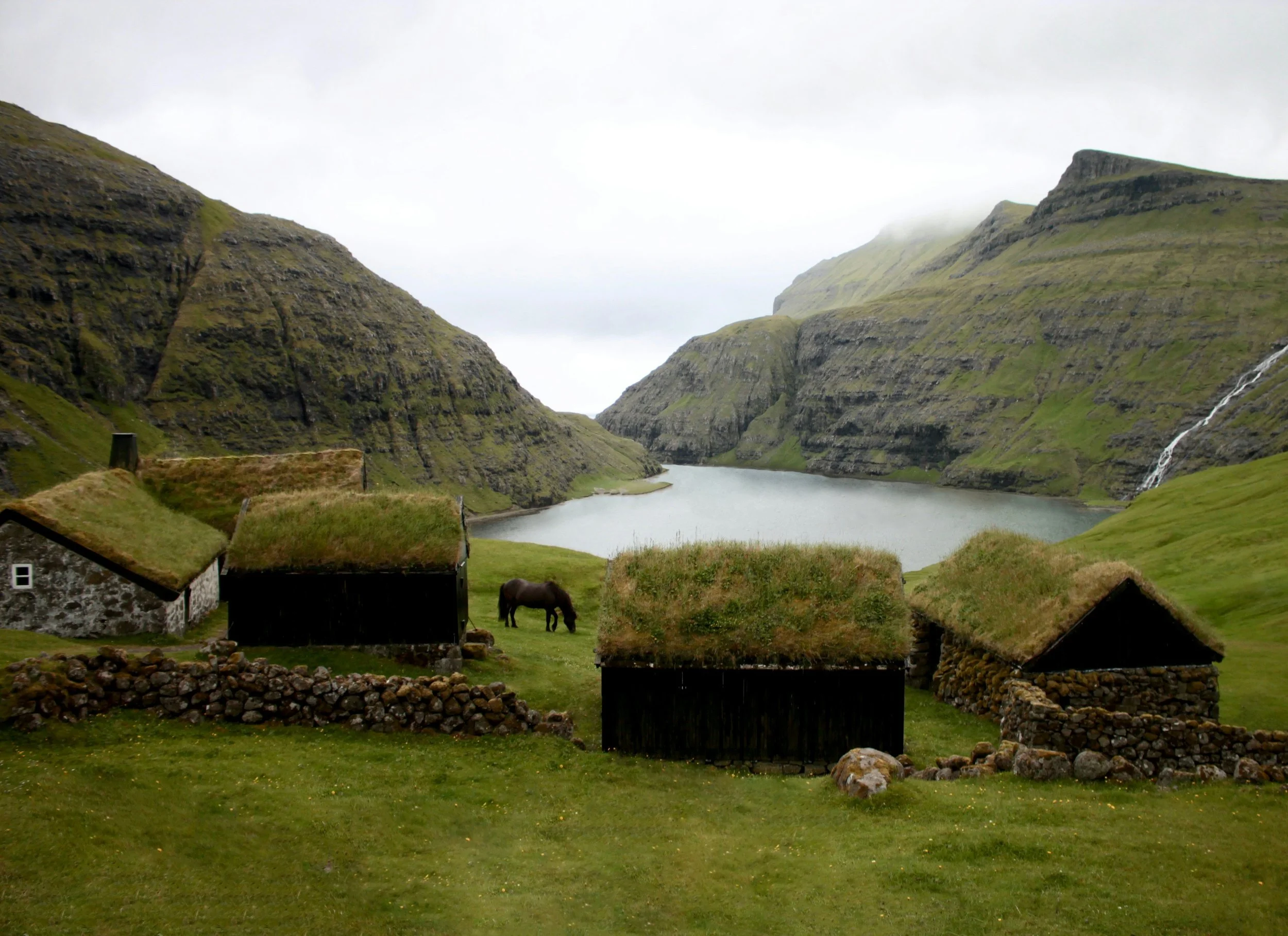
The Faroe Islands sit between Iceland and Norway, and if you have never heard of them, that is part of the point. This remote North Atlantic archipelago is home to some of the most dramatic coastal scenery anywhere on the planet: sheer sea cliffs dropping hundreds of meters into churning Atlantic swells, waterfalls that appear to pour directly into the ocean, and a landscape so green and moody it almost looks fictional. The local culture is deeply rooted, the food scene has earned serious international attention, and because relatively few travelers make the effort to get there, you will rarely feel like you are sharing the experience with a crowd. Logistically it takes some planning, but that is exactly the kind of destination that rewards the effort.
Svalbard, Norway
For couples who want something genuinely wild and boundary-pushing, Svalbard is hard to beat. This Norwegian archipelago sits deep inside the Arctic Circle, roughly halfway between mainland Norway and the North Pole. Polar bears outnumber people here. In summer you get the midnight sun, with 24-hour daylight that creates a surreal, disorienting beauty. In winter, the darkness is total, which means the northern lights are spectacular, and you can experience dog sledding, snowmobile expeditions, and ice cave exploration. It is not for everyone, and is certainly not built for a day trip, but for adventurous couples who want a honeymoon story no one else has, Svalbard delivers completely.
Cappadocia, Turkey
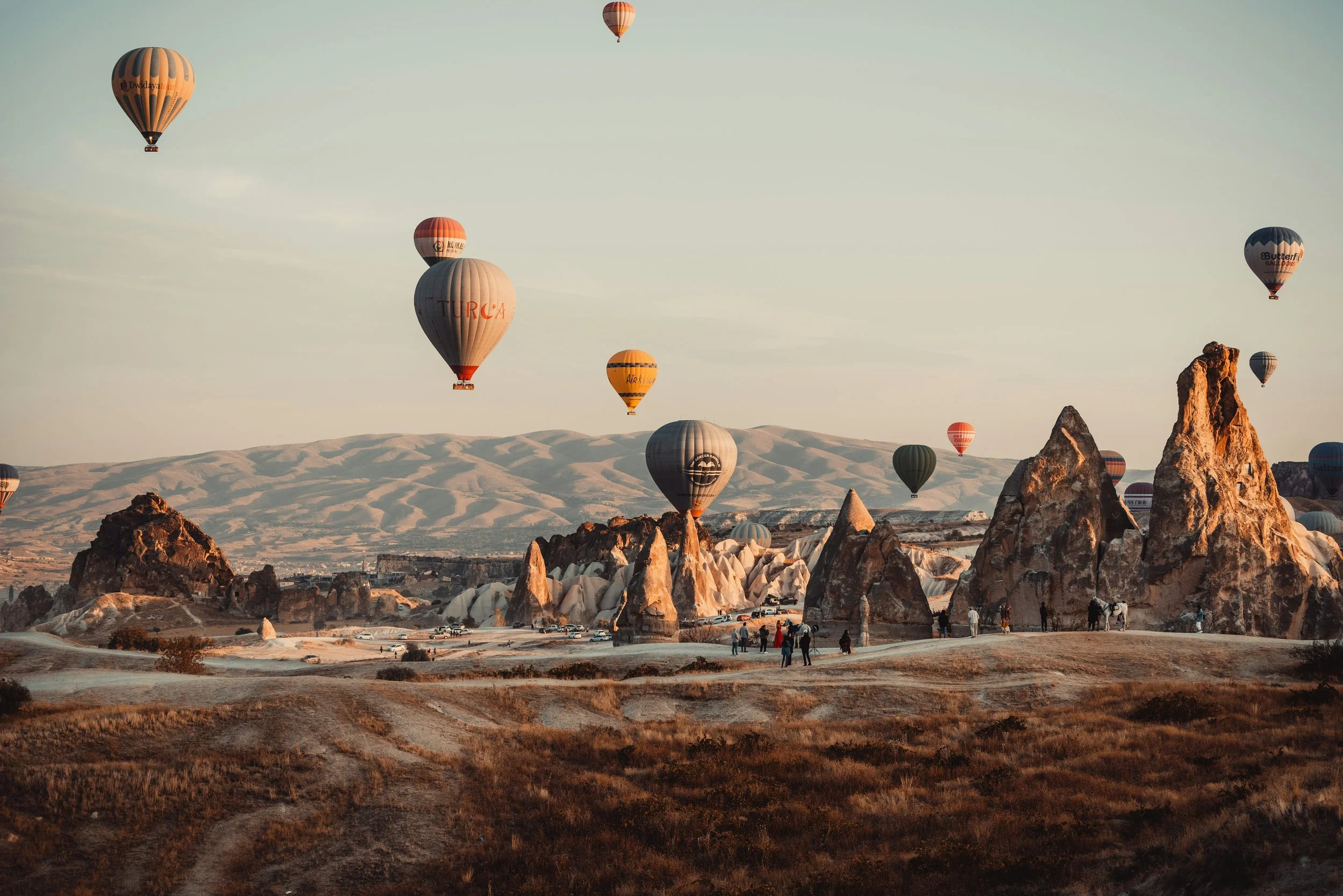
The landscape of Cappadocia is so strange it barely seems real until you are standing in it. Thousands of soft volcanic rock formations called fairy chimneys rise from the plateau, and ancient communities carved homes, churches, and entire underground cities directly into them. Hot air ballooning over this landscape at sunrise is one of those experiences that people consistently describe as life-changing, and I tend to agree. The region also has an exceptional culinary tradition, cave hotels that manage to be genuinely luxurious, and a history that runs extraordinarily deep. Cappadocia works beautifully as a destination in its own right or as part of a broader Turkey itinerary.
Madeira, Portugal
Madeira sits off the northwest coast of Africa but is governed by Portugal, and it has a personality entirely its own. The island is volcanic and dramatically mountainous, with levada walking trails that thread through laurisilva forest so ancient it predates the ice age. The food is exceptional, the wine tasting and culture is unlike anything on the European mainland, and the coastline alternates between rugged black rock and sheltered coves. It has been getting more attention in recent years, but it still operates well below the radar compared to the Algarve or the Canary Islands, and it has a depth to it that rewards staying for a week or more.
Malta
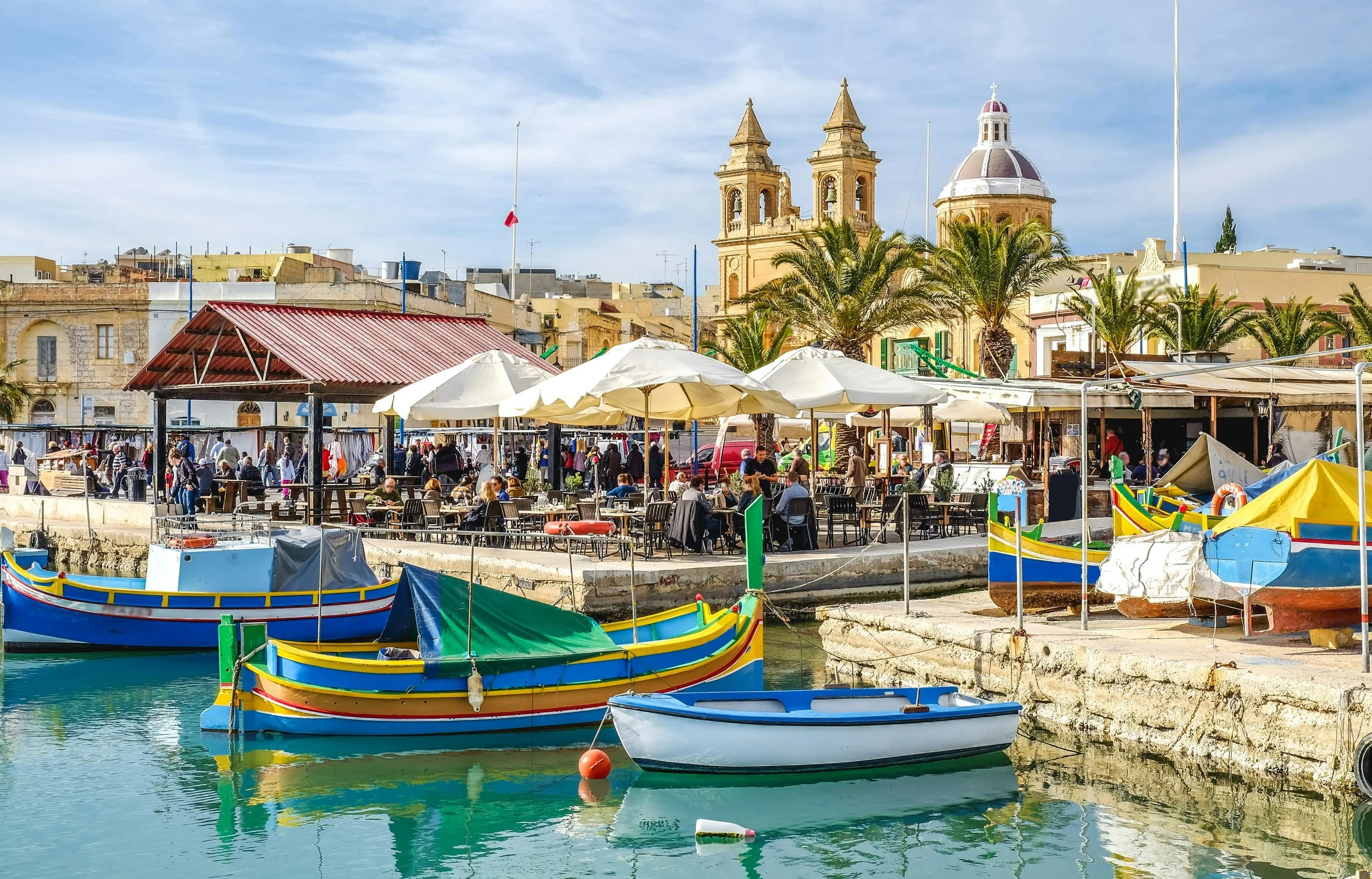
Malta is tiny, but it punches well above its weight in terms of historical density, turquoise water, and cultural character. The walled capital of Valletta is a UNESCO World Heritage site, the ancient temples are older than Stonehenge, and the sea in the Blue Lagoon looks like someone poured dye into it. What makes Malta particularly interesting for a honeymoon is the combination of genuine antiquity and a modern food and hospitality scene that has grown considerably in the last decade. The island of Gozo, just a short ferry ride away, offers even more seclusion and a landscape that feels almost Mediterranean in the original, unspoiled sense of the word.
North American Destinations
North America is enormous and wildly varied, and some of its most exotic corners remain overlooked even by experienced travelers. These destinations offer the logistical ease of staying closer to home (for North American couples especially) without sacrificing any of the sense of discovery.
Baja California Sur, Mexico
People think of Los Cabos, and yes, it is there, but Baja California Sur extends far beyond the resort corridor at the tip of the peninsula. Drive north and you move into a landscape of dramatic desert meeting the Sea of Cortez, which Jacques Cousteau once described as the world's aquarium. Whale sharks, manta rays, sea lions, dolphins, and blue whales all move through these waters. Remote fishing villages dot the coastline. There are stretches of beach accessible only by boat where you can genuinely be alone. For couples who want adventure and natural richness with the accessibility of Mexico, the broader Baja peninsula offers something most visitors never bother to explore.
Haida Gwaii, British Columbia, Canada
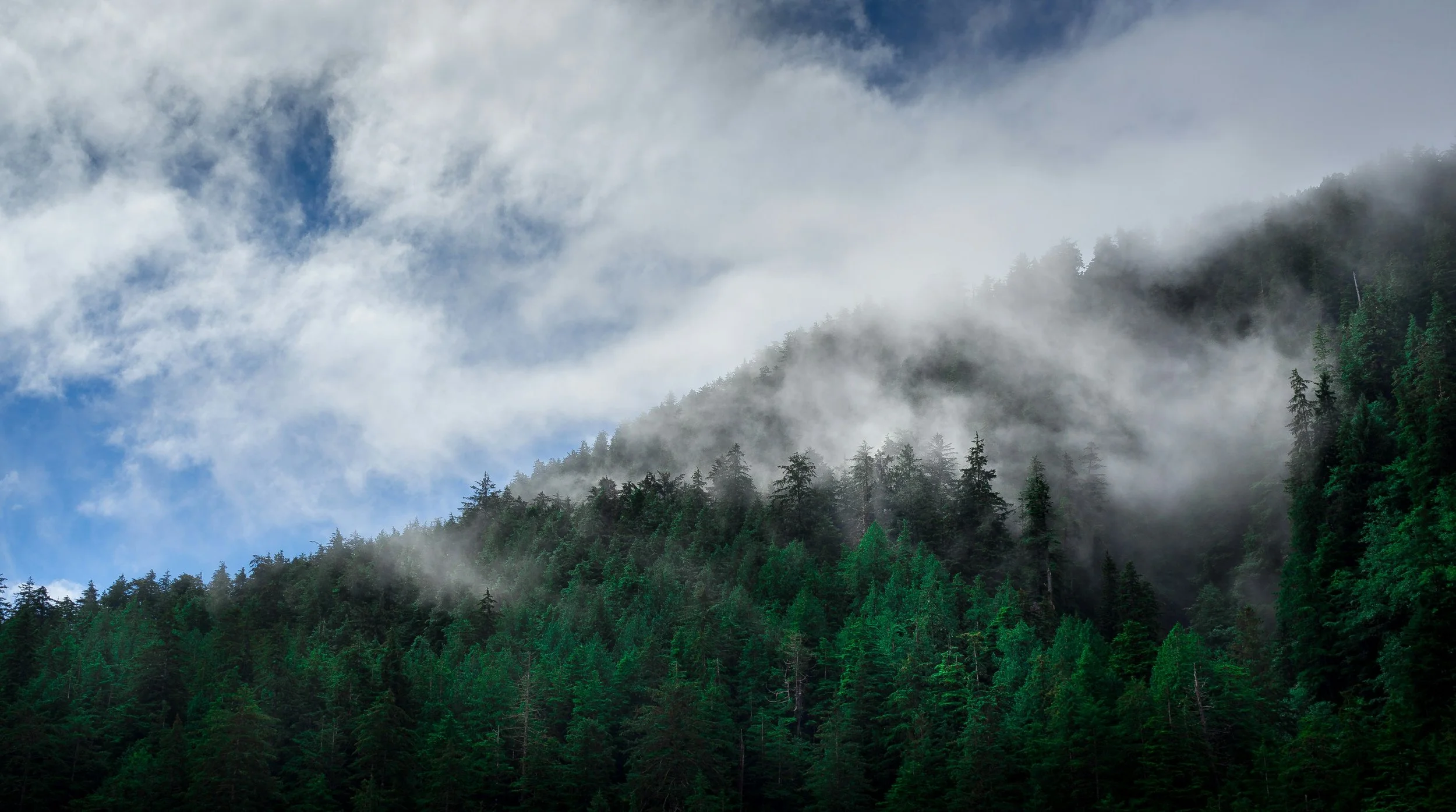
Haida Gwaii sits off the northern coast of British Columbia and has been called the Galapagos of the North, a comparison that is not as exaggerated as it sounds. This archipelago is home to the Haida Nation, one of the most artistically and culturally rich Indigenous communities in North America, and the natural environment is extraordinary: ancient temperate rainforest, abundant wildlife including bears and eagles, and coastline that shifts from sheltered channels to open Pacific swells. It takes intention to get here, but couples who make the effort consistently describe it as transformative. The combination of Indigenous culture, raw nature, and near-complete absence of crowds makes it unlike anything else on the continent.
Hawaii's Big Island, USA
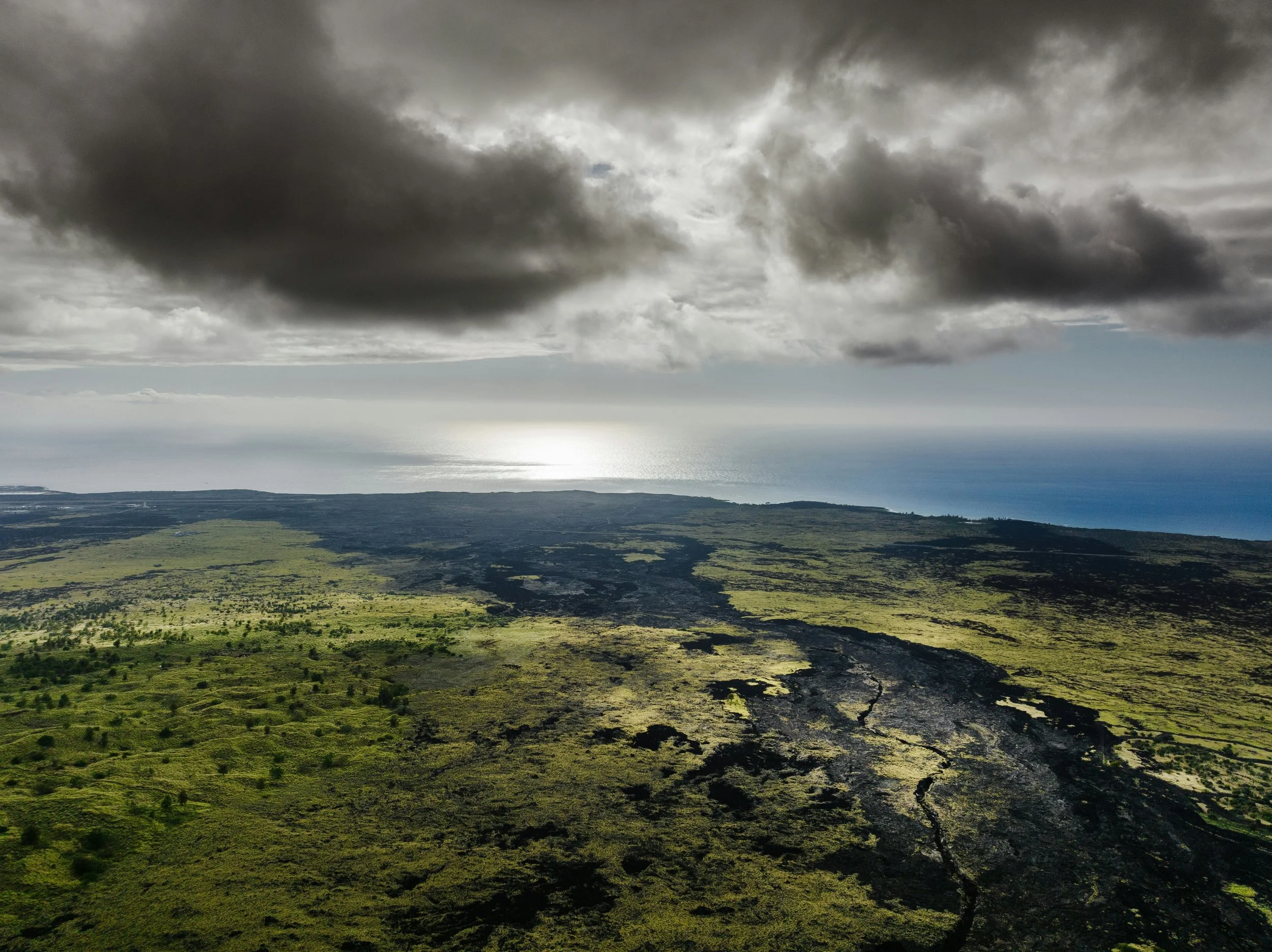
While Oahu draws the crowds and Maui handles the honeymooners who want polished resort experiences, the Big Island offers something different. It is the only place in the United States where you can watch active lava entering the ocean, stargazing from the summit of Mauna Kea rivals anywhere in the world, and the diversity of climate zones on a single island means you can go from snorkeling in a warm bay to hiking through a cloud forest to standing on the edge of a volcanic crater all in the same day. The lodging options range from boutique eco-retreats on the Hamakua Coast to secluded vacation rentals in lava fields, and the North Kohala coast has a quiet beauty that most visitors to Hawaii never discover.
Puerto Rico
Puerto Rico earns its place here because of Vieques. The main island is vibrant and culturally rich, with San Juan's colorful colonial architecture, outstanding food, and music that runs through everything. But Vieques, a smaller island off the eastern coast, is another world entirely. It has some of the most beautiful beaches in the Caribbean, a bioluminescent bay that glows blue-green when you move through it at night, and a pace of life that is genuinely slow and restorative. Add in the Wild Horse sanctuary and the fact that most of the island is preserved as a national wildlife refuge, and you have a destination that operates completely differently from the Caribbean mainstream.
Dominica
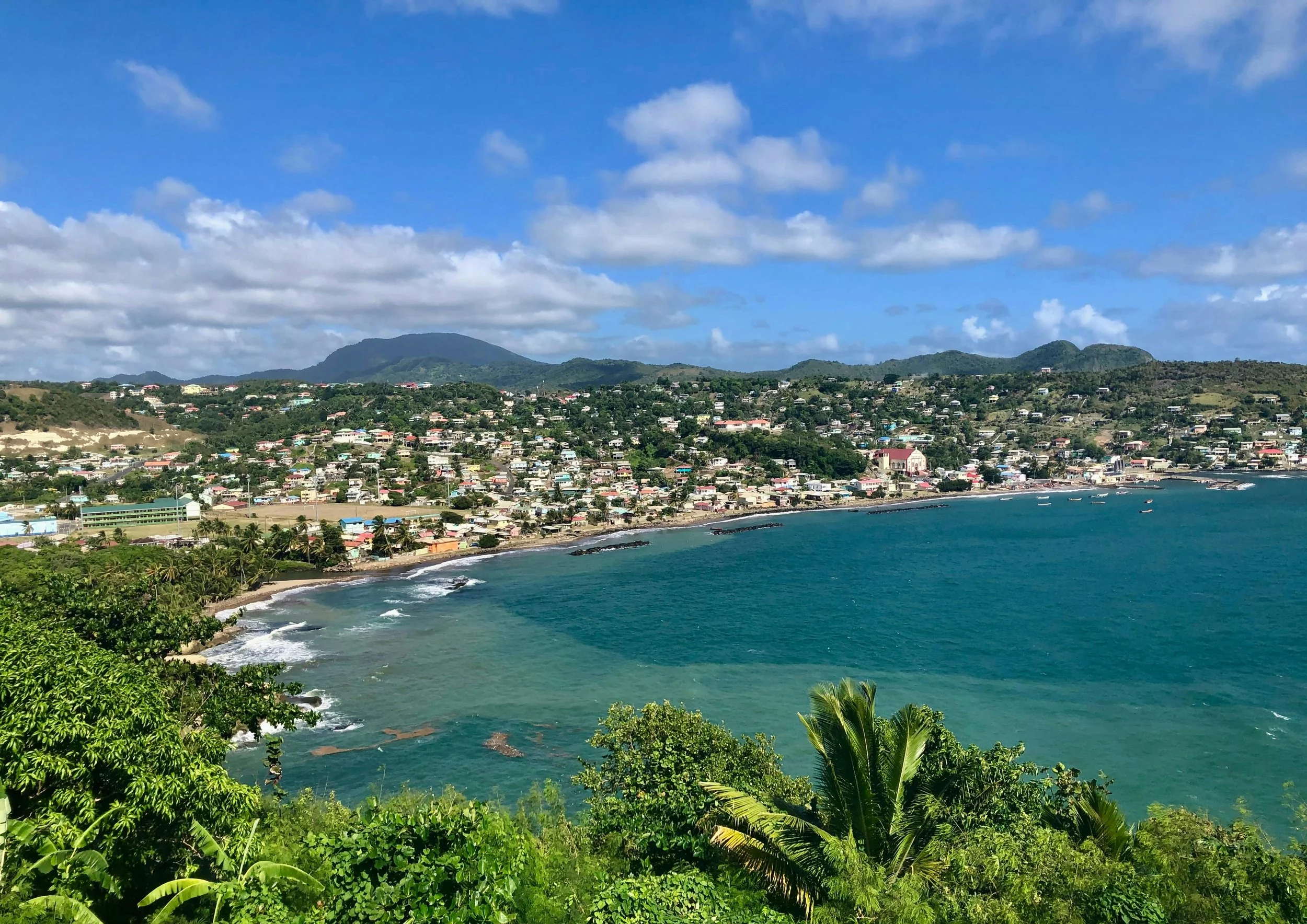
Dominica calls itself the Nature Isle of the Caribbean, and it is not wrong. This is one of the few Caribbean islands where the landscape has not been flattened and developed for mass tourism, which means it still feels authentically wild. The island sits on an active volcanic hotspot, meaning boiling lakes, sulphur springs, and rivers fed by geothermal activity. The diving and snorkeling are exceptional, particularly for seeing sperm whales which are resident in the waters year-round. The resorts here tend to be small and eco-conscious, positioned inside the rainforest or along remote stretches of coast. For couples who find most of the Caribbean too crowded and too commercial, Dominica is the alternative.
South American Destinations
South America has some of the most extraordinary landscapes and ecosystems on earth, and it remains underutilized as a honeymoon continent. These destinations offer the kind of raw, wild beauty that is genuinely difficult to find anywhere else.
Patagonia, Argentina and Chile
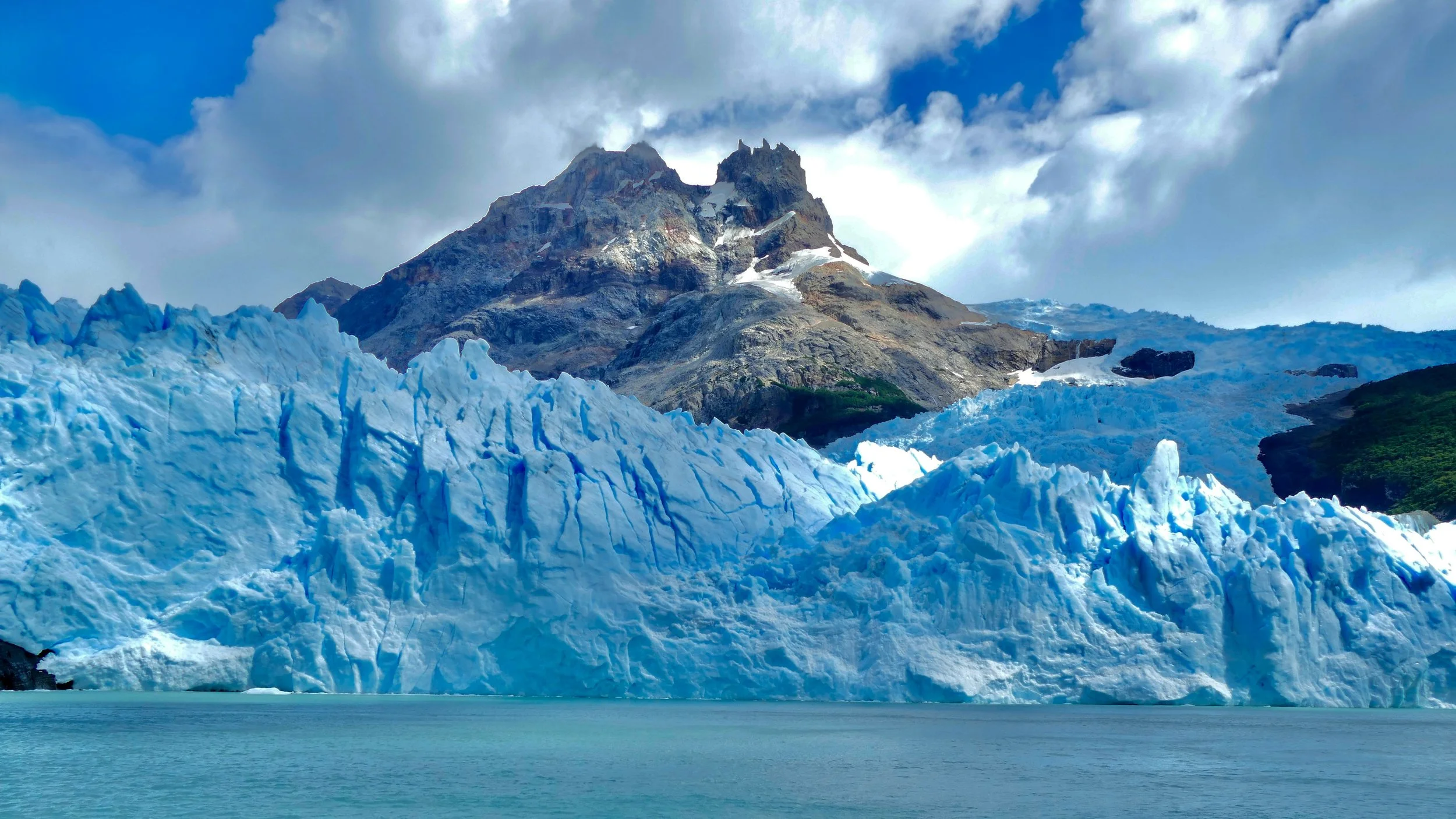
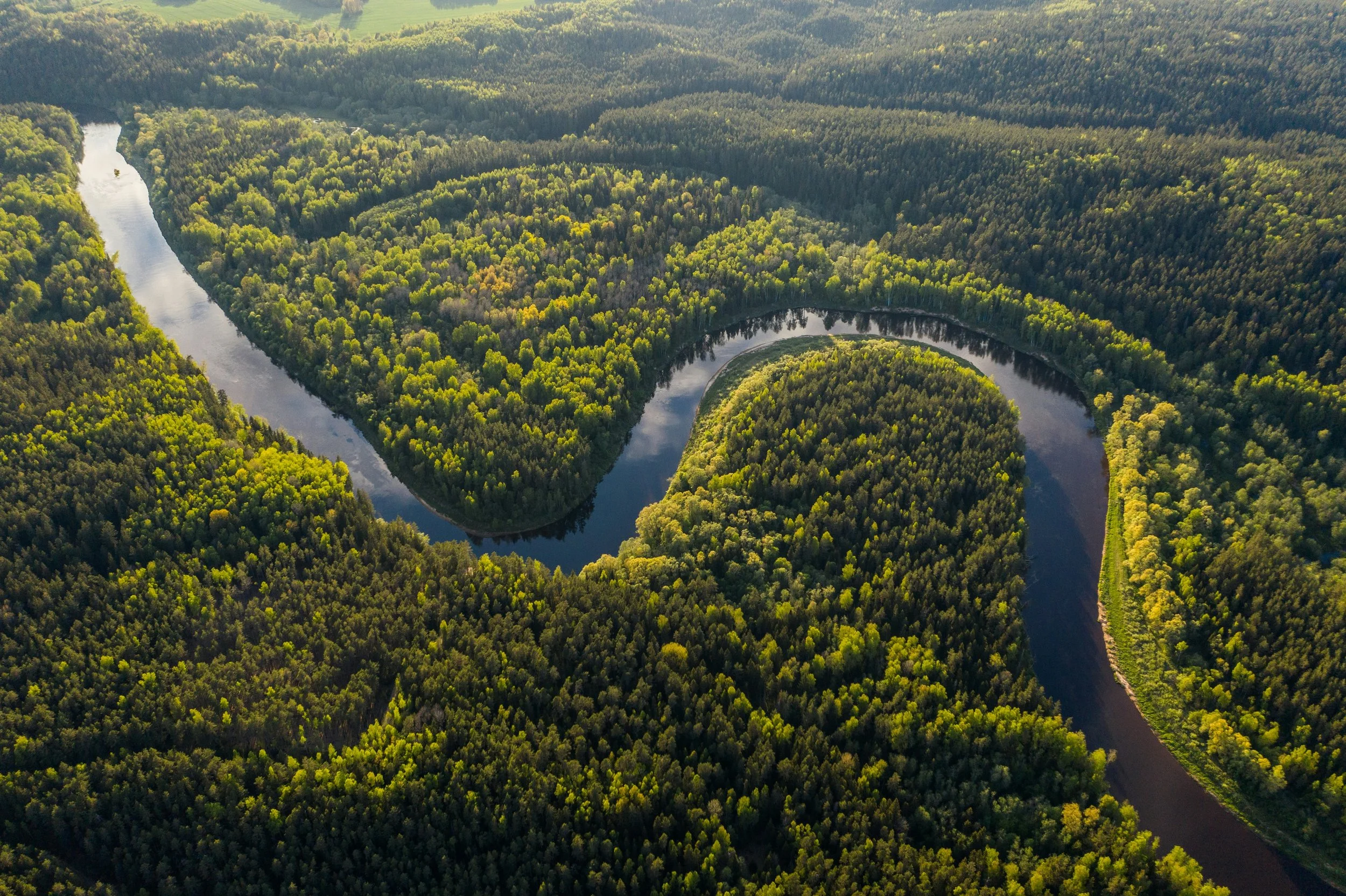
Patagonia is one of those places that people tend to visit once and then spend the rest of their lives trying to describe to people who have not been. The landscape is almost absurdly dramatic: soaring granite towers, turquoise glacial lakes, ancient forests bending in the Patagonian wind, and glaciers that calve directly into fjords. It straddles the border between Argentina and Chile, and both sides have their own distinct character. El Calafate on the Argentine side is the gateway to Perito Moreno Glacier, one of the few glaciers in the world still advancing. Torres del Paine in Chile is a hiking destination of world renown. And the Carretera Austral, the long gravel road threading through Chilean Patagonia, offers some of the most stunning road tripping scenery on the planet. This is a destination for couples who are comfortable with nature as the primary experience.
The Galapagos Islands, Ecuador
The Galapagos sit roughly 900 kilometers off the coast of Ecuador, and nothing about them resembles the rest of the world. The wildlife here evolved in near-complete isolation, which means it has almost no instinctive fear of humans. You can snorkel next to sea lions who want to play, watch blue-footed boobies perform their mating dance a few feet away, and walk among giant tortoises who have been roaming these islands for longer than written history. The landscape is volcanic and eerie, the diving is among the best on earth for large pelagic species, and the experience of being somewhere this scientifically and historically significant while also being genuinely beautiful is rare. Getting there takes effort and some planning, but this is one of the few destinations in the world where the reality consistently exceeds the expectation.
The Amazon, Brazil or Peru
The Amazon is not for everyone on a honeymoon, and that is worth being honest about. It is hot, it is humid, and the wildlife encounters are rarely guaranteed. But for couples who are drawn to the idea of being in the world's largest rainforest, watching pink river dolphins surface near your boat, hearing the jungle come alive at night, and existing in an ecosystem so vast and complex it still holds thousands of undiscovered species, it is incomparable. Peru's Amazon, particularly around Iquitos or the Manu Biosphere Reserve, offers some of the most accessible entry points with excellent lodge options. Brazil's upper Amazon has a rawer quality. Either way, what you get is a complete immersion in the world's most biodiverse environment.
Colombia
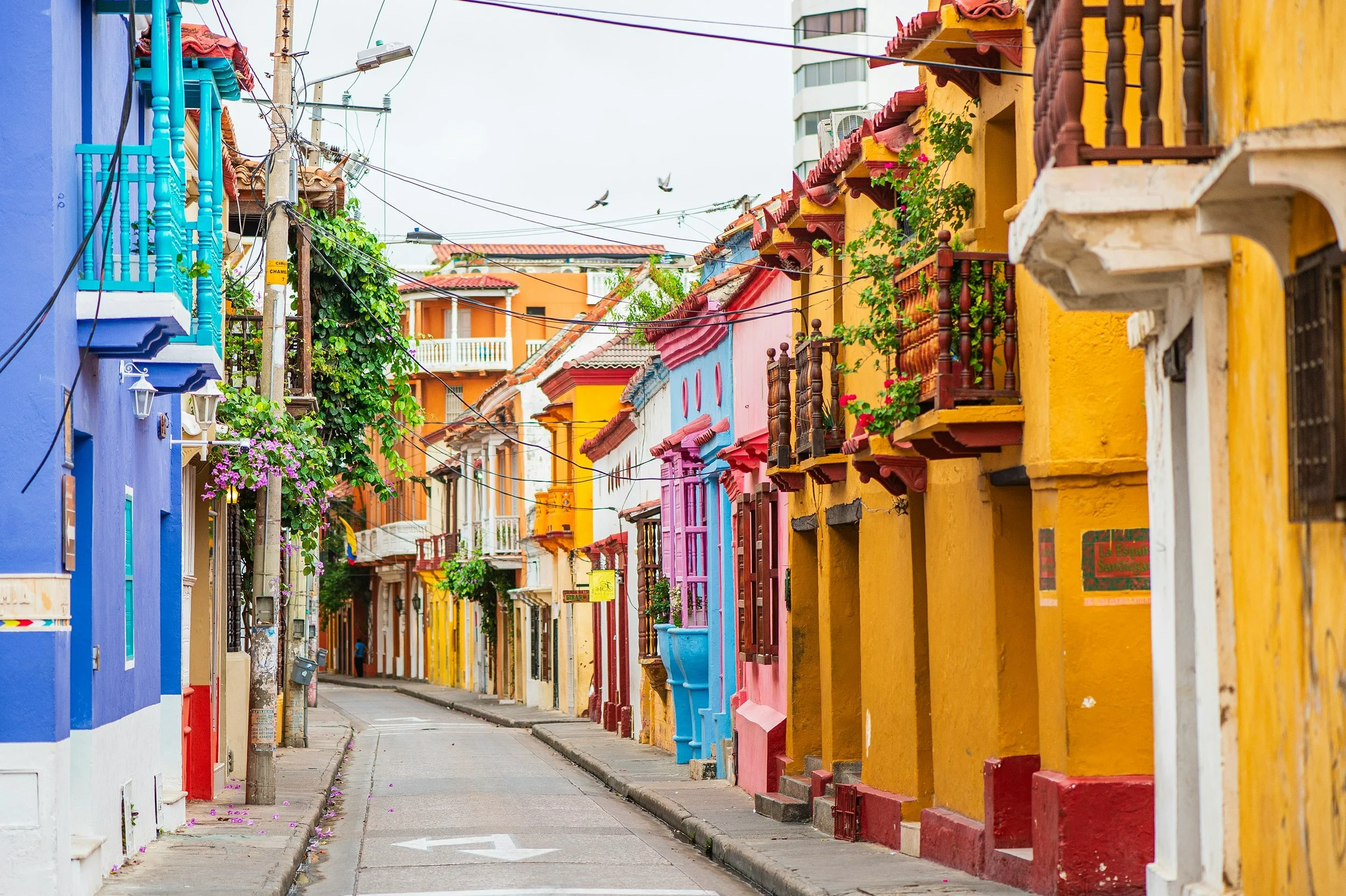
Colombia's transformation as a travel destination over the past fifteen years has been remarkable, and for honeymoon purposes, it now offers something genuinely impressive: a country with extraordinary ecological and cultural diversity, amazing food and coffee culture, and an enthusiasm for welcoming visitors that is hard to beat. Cartagena's walled colonial city is one of the most beautiful urban environments in Latin America. The coffee region around Salento is lush, scenic, and deeply connected to local agricultural traditions. The Pacific coast offers whale watching and near-deserted beaches. And the Amazon, the Andes, and the Caribbean coast all exist within the same country. Colombia is a destination that rewards exploration, and couples who give it enough time rarely run out of things to discover.
Bolivian Salt Flats
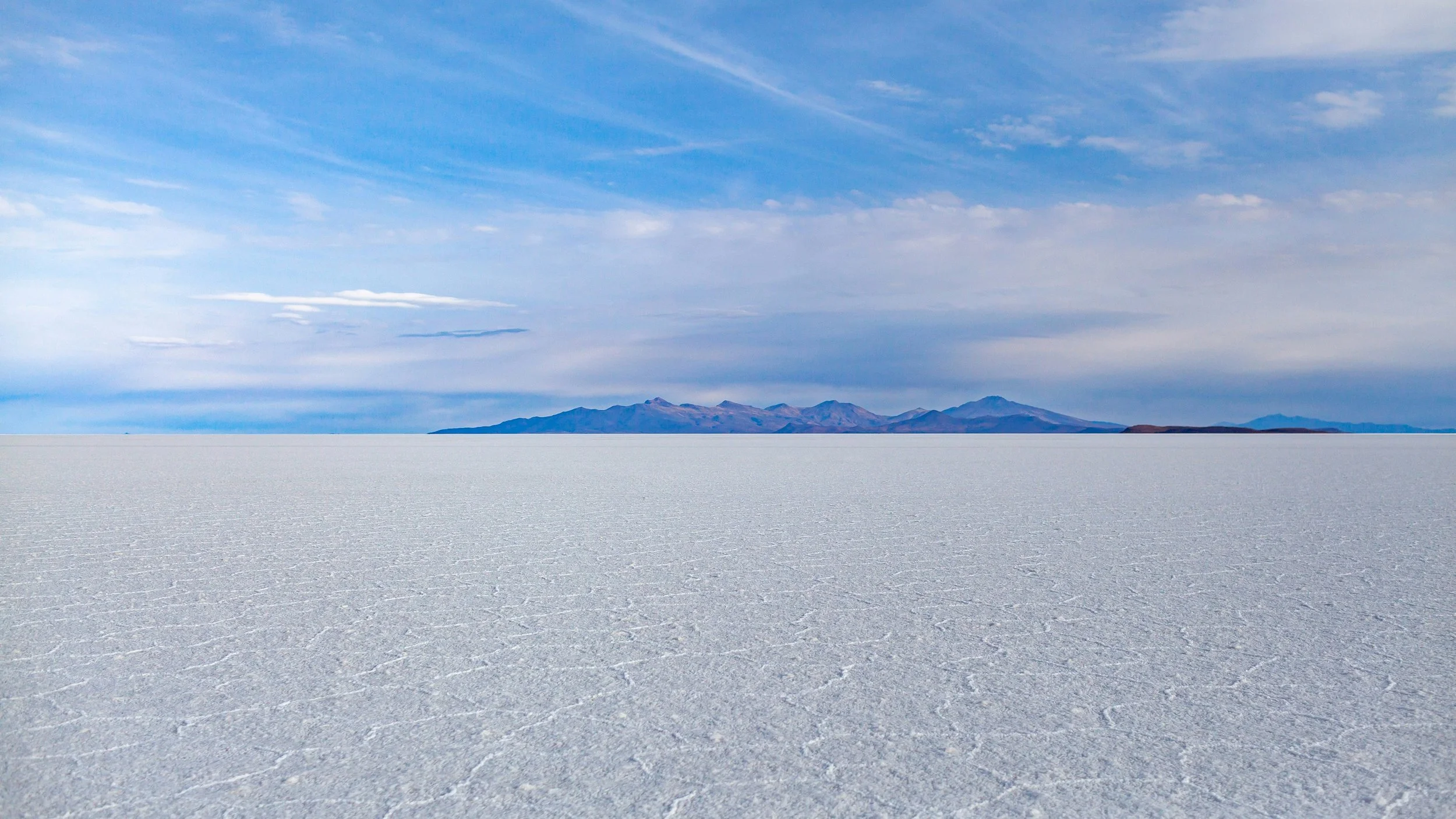
The Salar de Uyuni in Bolivia is one of those places that photographers and dreamers have made famous, but experiencing it in person is something else entirely. During the dry season, the salt flat is a vast, cracked expanse stretching to the horizon in every direction, punctuated by bizarre cactus-covered islands and a sky so clear that the stars at night feel close enough to touch. During the wet season, a thin layer of water transforms it into the world's largest mirror, reflecting the sky with an accuracy that makes it nearly impossible to distinguish earth from heaven. It is one of the most visually surreal environments on earth, and the surrounding altiplano landscape adds geysers, flamingo-dotted lagoons, and volcanic peaks to the scene. Getting there requires acclimatizing to altitude, but the payoff is genuinely extraordinary.
You might also like: Belize Adventure Travel
Asia and the Pacific Destinations
Asia and the Pacific contain some of the most diverse and extraordinary destinations in the world for honeymoons. From ancient kingdoms to remote volcanic islands, this region rewards almost any combination of interests.
Bhutan
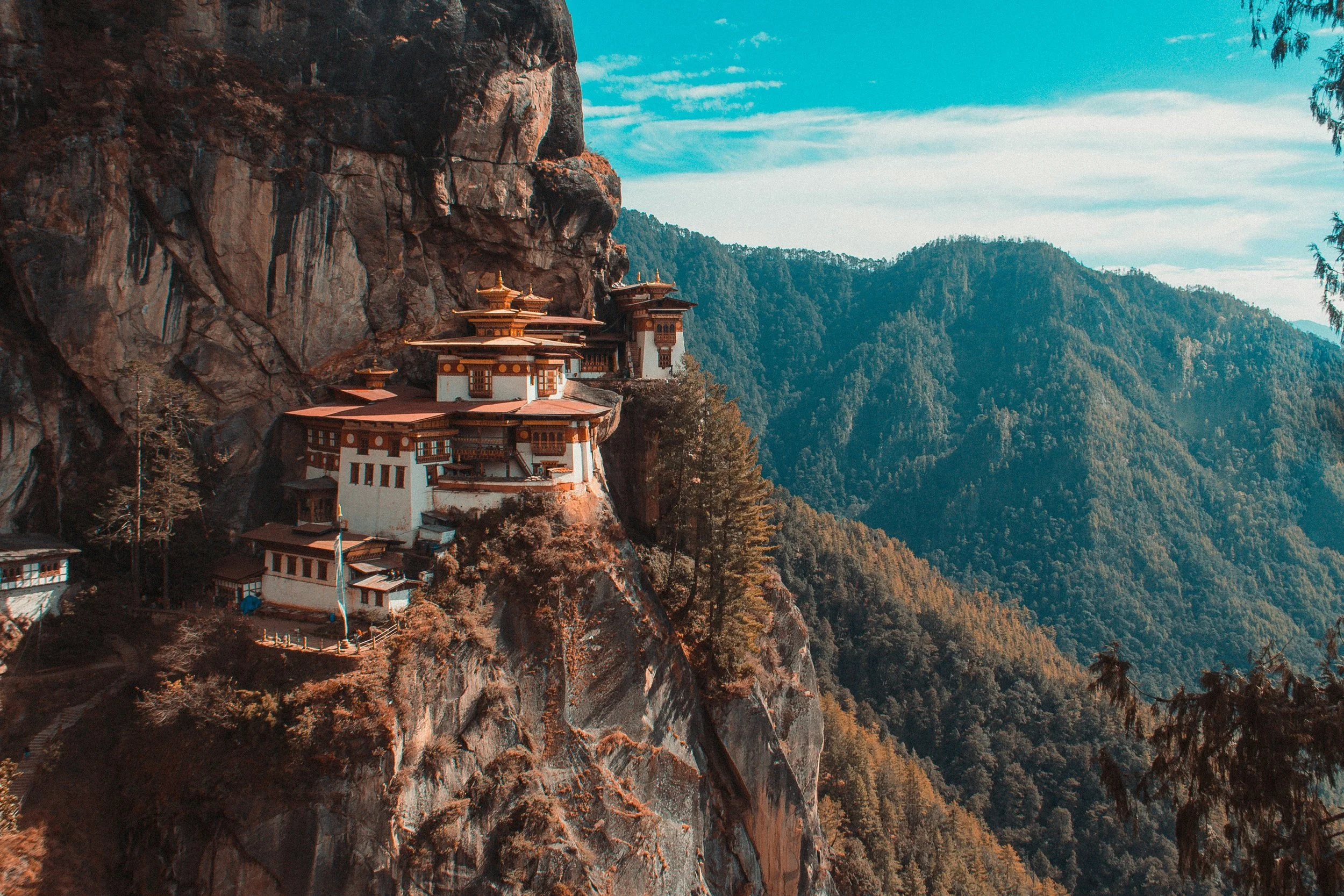
Bhutan is one of the most deliberately preserved countries on earth. The government manages tourism carefully, requiring visitors to pay a daily fee that funds conservation and cultural protection, which means crowds are never a problem and the experience feels genuinely curated. The landscape is Himalayan and spectacular, with fortified monasteries perched on sheer cliffs, alpine valleys dotted with prayer flags, and trekking routes that lead to remote passes at high altitude. The culture is deeply Buddhist and intact in ways that countries with heavier tourism footprints often lose. For couples who want a honeymoon that feels removed from commercialism and steeped in something ancient, Bhutan is almost peerless.
Komodo Island, Indonesia
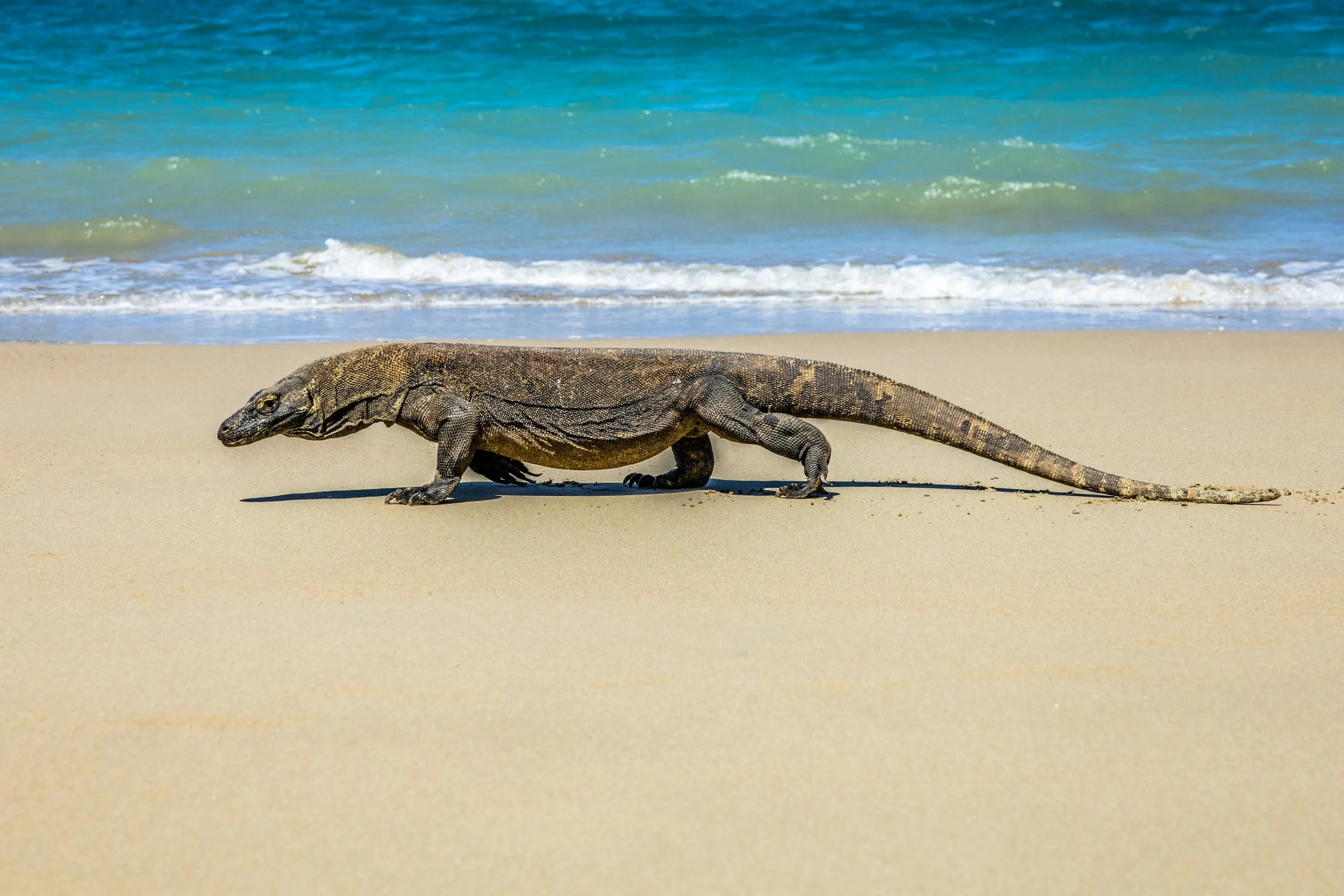
Most people who visit Bali never make it east to the Lesser Sunda Islands, and that is a genuine shame. Komodo National Park sits about a 90-minute flight from Bali, and it offers one of the more unusual wildlife encounters in the world: the Komodo dragon, a monitor lizard that can reach three meters in length and hunt deer and wild boar. But the park is far more than its famous residents. The diving and snorkeling here is extraordinary, with manta rays congregating in cleaning stations, reef systems in exceptional health, and a marine biodiversity that rivals the coral triangle at its best. The pink sand beaches at Padar Island are some of the most striking in Asia, and the whole area has a dramatic, almost otherworldly quality that sets it apart from Indonesia's more visited corners.
The Maldives
Few places have become as synonymous with honeymoon luxury as the Maldives, and the reputation is earned. The country consists of over a thousand coral islands spread across the Indian Ocean, with the resort model built around the idea of one island, one property. This means extraordinary privacy. The water is the particular shade of turquoise that looks almost artificially enhanced, the house reefs contain some of the most accessible snorkeling in the world, and above-water bungalows offer a kind of proximity to the ocean that most accommodations cannot replicate. What often surprises first-time visitors is how physically varied the Maldives can be depending on which atoll you choose, from the established and polished central atolls to the wilder, more remote southern ones that see far fewer guests.
Palau
Palau sits in the western Pacific between the Philippines and Guam, and it has a reputation among divers that is almost mythological. The marine environment here is extraordinary by any measure: Jellyfish Lake, a marine lake full of golden jellyfish that have evolved without stingers, is a snorkeling experience that exists nowhere else on earth. The Blue Corner, a dive site off the southwestern tip of Babeldaob, is consistently ranked among the top dive sites in the world. The Rock Islands, a cluster of mushroom-shaped limestone islands covered in jungle, form one of the most visually striking seascapes in the Pacific. And the reefs overall are in exceptional health, protected by some of the most forward-thinking conservation policies in the world.
Raja Ampat, Indonesia
If you want the most biodiverse marine environment on the planet for a honeymoon backdrop, Raja Ampat is the answer. Located in West Papua, Indonesia, this remote archipelago sits at the heart of the Coral Triangle and contains more species of coral and reef fish than any other place on earth. Getting there is a genuine commitment involving multiple flights and a boat transfer, and most couples who visit do so aboard a liveaboard vessel. But the payoff is a completely off-grid experience in an environment of startling natural beauty: dense jungle meeting emerald sea, hornbills calling across limestone karst formations, and a below-surface world so rich it consistently leaves experienced divers speechless.
New Zealand
New Zealand, located in the South Pacific, covers an extraordinary amount of ground in terms of landscape diversity for a country of its size. The South Island alone contains fjords, glaciers, alpine lakes, ancient beech forests, and dramatic mountain passes. The North Island adds volcanic activity, geothermal hot pools, and Maori cultural experiences with genuine depth and accessibility. For active couples, it is one of the best destinations in the world: kayaking in the Marlborough Sounds, hiking the Milford Track, bungee jumping if that is your thing, or simply driving the road between Queenstown and Wanaka and stopping every few minutes to take in something beautiful. New Zealand also has a food and wine scene that often surprises people, particularly in Marlborough, Central Otago, and Hawke's Bay. Add in Australia and the Great Barrier Reef for some additional adventure.
Sri Lanka
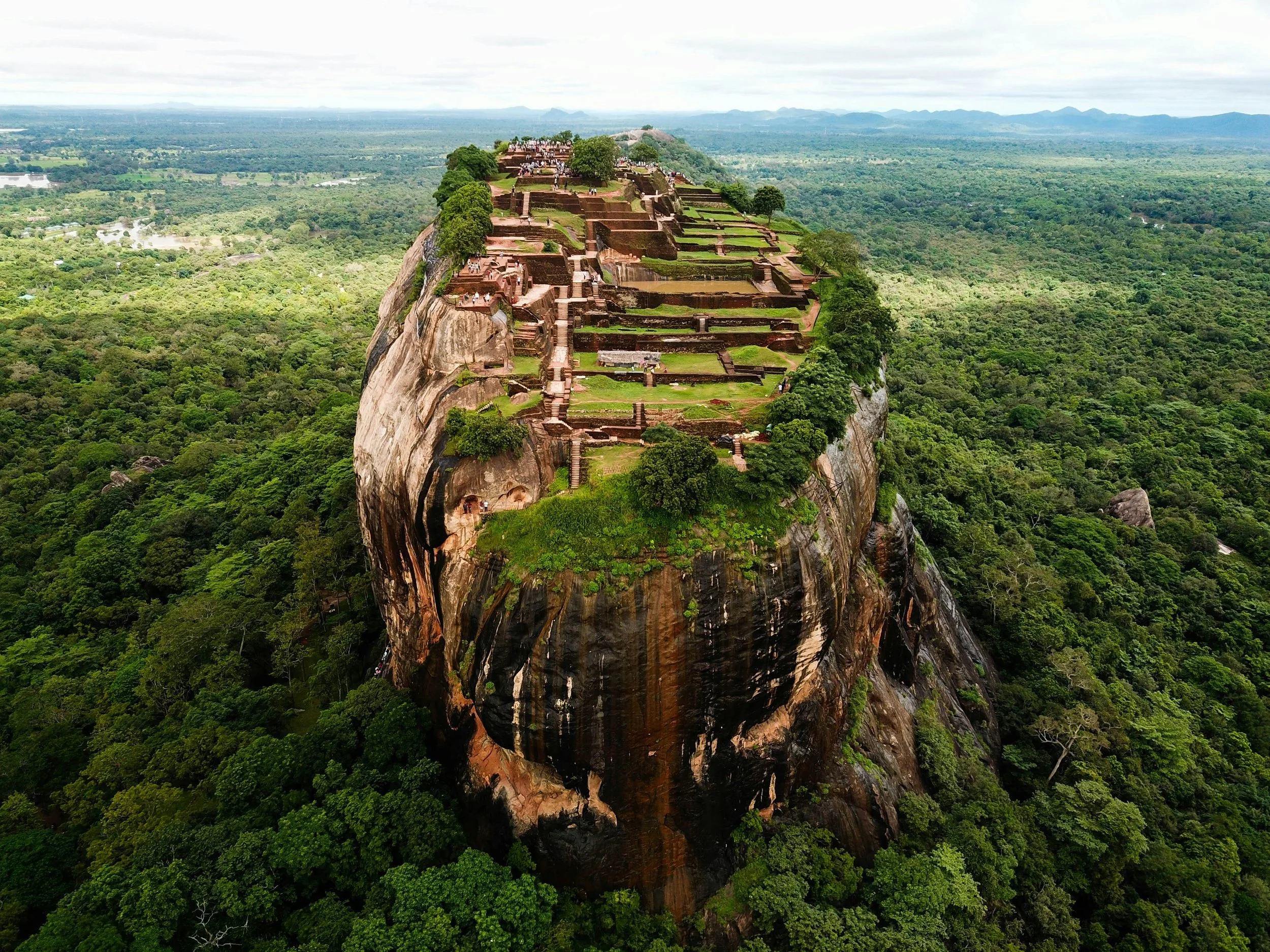
Sri Lanka manages to pack an almost ridiculous amount into a relatively compact island: ancient ruins and rock fortresses, misty tea-covered highlands, spice plantations, coastal wildlife including blue whales and leopards, colonial architecture, and beach stretches that remain genuinely quiet. The culture is layered and richly Buddhist, with temple complexes and processions that are woven into daily life rather than staged for tourism. The food is exceptional and deeply regional, changing character significantly as you move across the island. Train journeys through the hill country rank among some of the most scenic rail routes anywhere. For couples who want a destination that covers a lot of experiential ground, Sri Lanka is hard to beat.
Borneo, Malaysia
Borneo is the third largest island in the world and one of the last places on earth where you can track wild orangutans through ancient rainforest. The Danum Valley and the Kinabatangan River corridor on the Malaysian side offer wildlife encounters that are genuinely rare: pygmy elephants, proboscis monkeys, clouded leopards, sun bears, and hundreds of bird species including hornbills and kingfishers. The diving around the Semporna Archipelago and Sipadan Island is legendary. And the highland interior, particularly around Mount Kinabalu, adds a trekking dimension for couples who want to combine wildlife with physical challenge. Borneo is not a destination that asks anything of you passively. It rewards curiosity and engagement with something truly extraordinary.
Japan
Japan earns its place on this list not because it is undiscovered but because it offers an experience of cultural difference that very few destinations can match. The depth and coherence of Japanese culture, from the rituals of a ryokan stay to the precision of a Kyoto kaiseki dinner to the meditative quiet of a moss garden in the rain, creates a honeymoon atmosphere that is unlike anywhere in the Western world. Tokyo alone could occupy a week. But couples who move beyond the major cities find things that stay with them for years: Yakushima's ancient cedar forest, the Noto Peninsula's rural coastline, the remote ryokans of the Tohoku region, or the subtropical islands of Okinawa. Japan rewards slowing down and paying attention, which is exactly the kind of disposition a honeymoon invites.
French Polynesia
French Polynesia is the benchmark against which a lot of romantic Pacific travel gets measured, and for good reason. The Society Islands, the Tuamotu Atolls, and the Marquesas Islands all offer dramatically different experiences within the same country. Bora Bora's lagoon has been photographed so many times it has almost become a cliche, but standing at the bow of a small boat with that view in front of you, with Mount Otemanu rising above and the water shifting from pale turquoise to deep navy around the coral heads, it stops being a cliche immediately. The Tuamotus offer some of the best dive passes in the world, where you drift through channels between atolls with sharks, rays, and dolphins. The Marquesas are genuinely remote, culturally distinct, and wild in a way that the rest of French Polynesia is not. This is a destination I have planned for many clients, and I have yet to hear a single complaint.
African Destinations
Africa offers some of the most exceptional and genuinely exotic honeymoon experiences in the world, combining wildlife encounters, extraordinary landscapes, and cultural richness that exist nowhere else.
Rwanda and Mountain Gorilla Trekking
Tracking mountain gorillas through the dense vegetation of Volcanoes National Park in Rwanda is one of the most singular wildlife experiences available to travelers. There are roughly a thousand mountain gorillas left in existence, all living in the Virunga massif that straddles Rwanda, Uganda, and the DRC. Getting a permit and making the trek through bamboo forest to spend an hour with a family group in their natural habitat is something that does not translate well into words. The gorillas are habituated to human presence but undeniably wild, and watching a silverback move through the vegetation, or seeing a juvenile play in the undergrowth, is an encounter that tends to reset your sense of what is meaningful. Kigali, Rwanda's capital, is also worth a day or two for its clean, walkable character and deeply moving Genocide Memorial.
Mozambique
Mozambique sits on the east African coast and remains significantly underexplored relative to what it offers. The Bazaruto Archipelago, a protected marine park in the south, has some of the best diving in the Indian Ocean, with dugongs still grazing on the seagrass beds and humpback whales moving through in season. The islands themselves are strikingly beautiful, with high white sand dunes dropping to beaches so wide they seem to swallow the horizon. Accommodation in the archipelago is small-scale and exclusive, meaning the experience is genuinely secluded. Further north, the Quirimbas Archipelago offers more of the same in an even more remote setting, with some properties accessible only by dhow. Mozambique requires some logistical planning but rewards it with a coastal Africa experience that Tanzania and Kenya, for all their merits, simply cannot replicate.
Madagascar
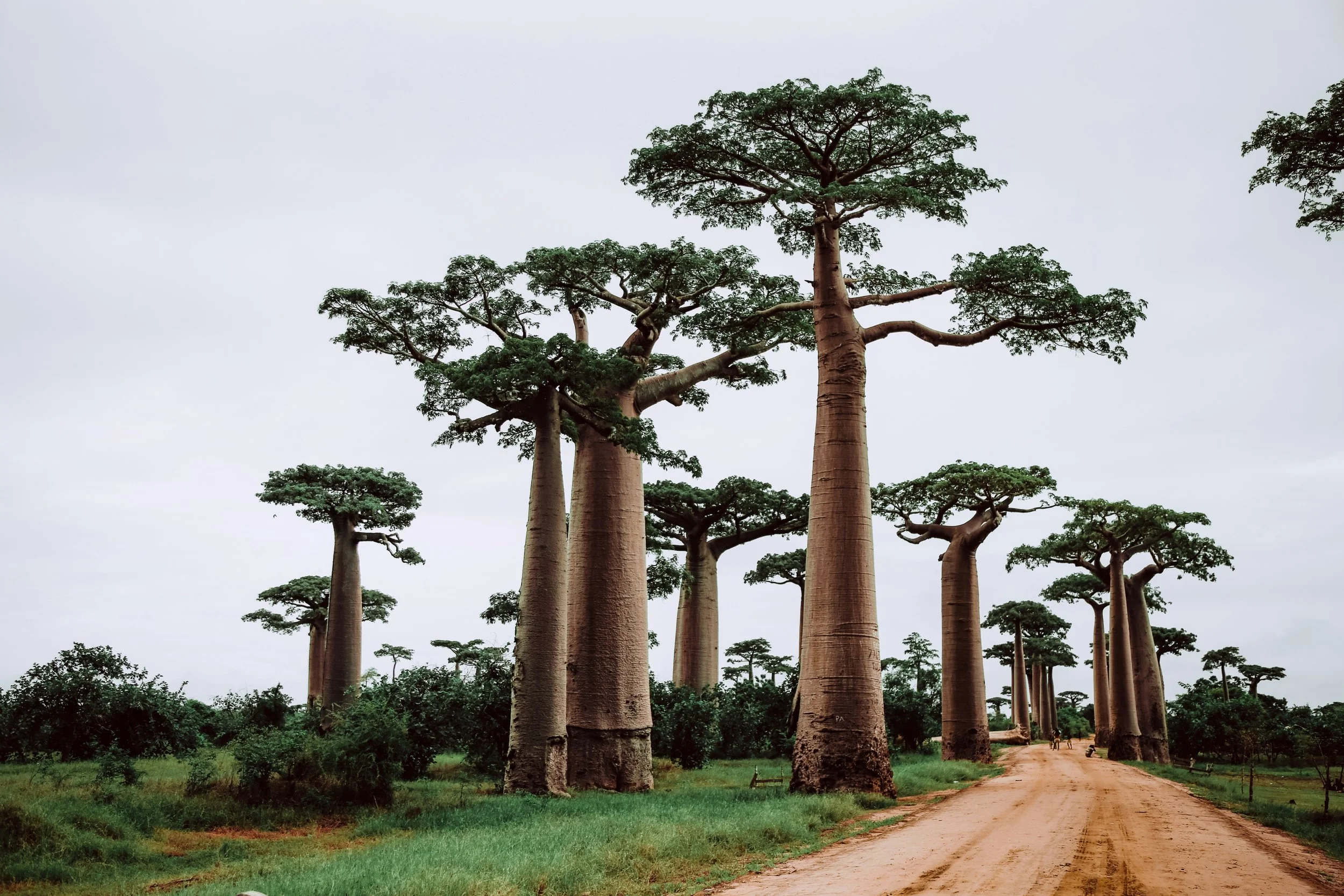
Madagascar is the fourth largest island in the world, and roughly 90 percent of its wildlife exists nowhere else on earth. Lemurs are the obvious headline, and watching ring-tailed lemurs move through spiny forest or seeing an indri call from the canopy at dawn is exactly as remarkable as it sounds. But the ecological diversity goes much further: baobab forests unlike any on the African mainland, coral reefs in excellent condition, highland plateaus dotted with rice paddies and red-laterite roads, and a coastline that shifts from tropical to temperate as you move south. Although a quick flight from South Africa, Madagascar is not always easy to travel in, with infrastructure that can be unpredictable, but the payoff is an encounter with an ecosystem that feels like a separate branch of evolution from the rest of the world.
Tanzania: Zanzibar and the Serengeti
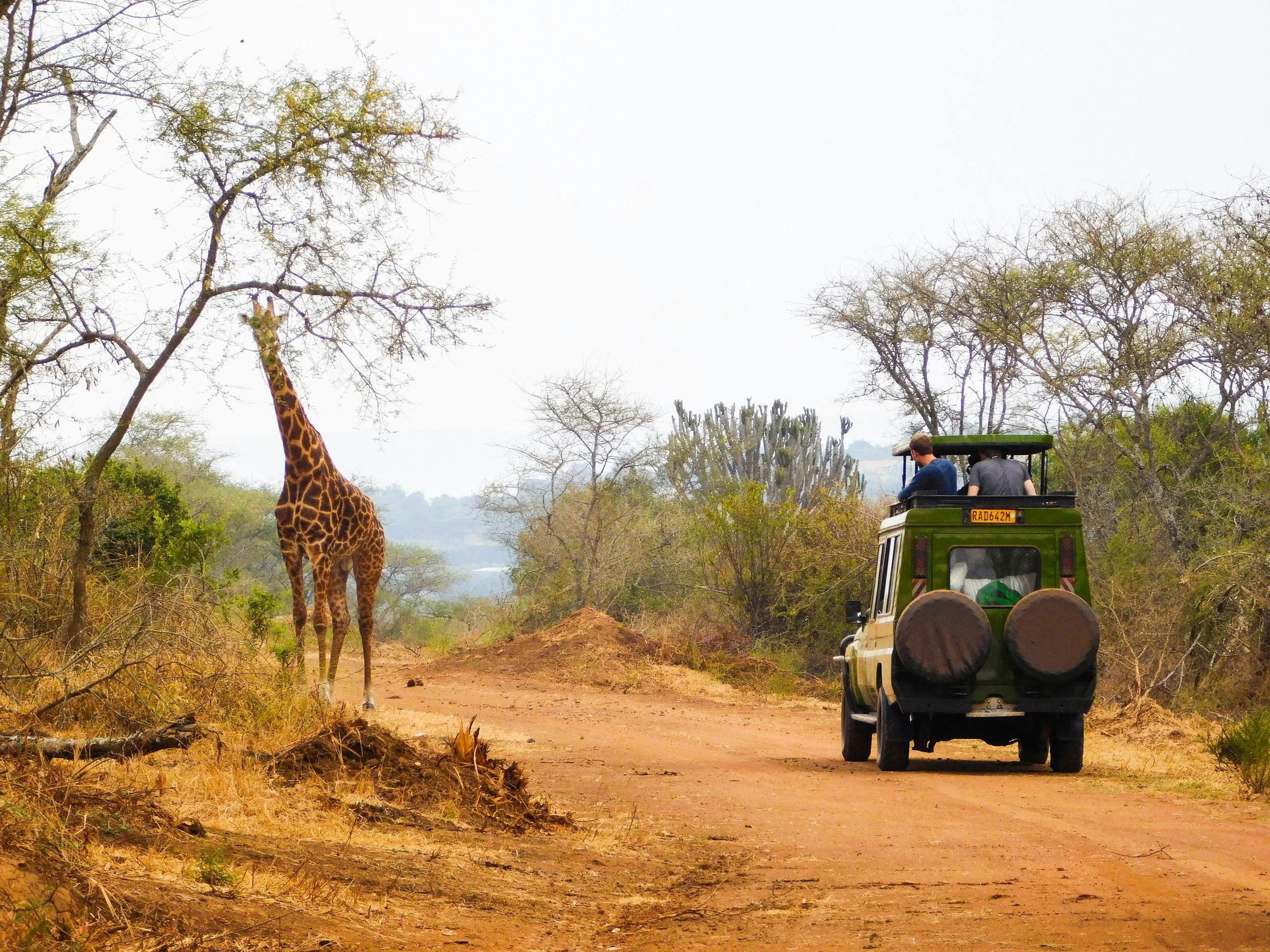
Tanzania offers what is arguably the most complete exotic honeymoon package on the African continent: the Serengeti and the Ngorongoro Crater for wildlife, and Zanzibar for the beach portion of the trip. These two halves of a Tanzania honeymoon operate beautifully in sequence. A few days on a game reserve safari, waking before dawn to watch lions on the hunt or elephants moving silently across the plains at golden hour, followed by a ferry across to Zanzibar and the slow pleasure of Stone Town's labyrinthine streets, its spice markets, and its Indian Ocean beaches. Zanzibar's north and east coasts have stretches of beach and reef that are legitimately beautiful, and the island's history as a Swahili trading hub gives it a cultural texture that most beach destinations completely lack. See this post if you’re considering a safari honeymoon.
Namibia
Namibia is one of the most visually spectacular countries in Africa and one of the least visited relative to its size and quality of experience. The Namib Desert is the oldest desert on earth, and its coastal dune fields, particularly around Sossusvlei where sand dunes rise 300 meters in shades of deep orange and red, produce a landscape that genuinely looks like another planet. The Skeleton Coast is hauntingly beautiful, lined with shipwrecks and fog that rolls in off the cold Atlantic. Etosha National Park offers excellent wildlife viewing around waterholes in a landscape that feels lighter and more open than the dense bush of East Africa. And the whole country has a sparseness and quiet to it that makes it perfect for couples who want space. Namibia has some of the best luxury safari lodge options on the continent, paired with stargazing that ranks among the finest in the world due to its near-total lack of light pollution.
Ethiopia
Ethiopia is not the first African country that comes to mind for a honeymoon, and that is precisely what makes it interesting. This is one of the oldest nations on earth, with a history that stretches back to the origins of humanity itself. The Simien Mountains are a UNESCO World Heritage site with trekking among gelada baboons and the endemic Ethiopian wolf. The rock-hewn churches of Lalibela, carved directly from the stone in the 12th century, are among the most extraordinary architectural achievements in Africa. The Danakil Depression, one of the hottest and lowest places on earth, contains active volcanoes, lava lakes, and alien salt formations that look like they belong on another planet. This is a destination for adventurous couples with intellectual curiosity and a genuine appetite for the unfamiliar.
The Seychelles
The Seychelles sits in the Indian Ocean northeast of Madagascar and offers something that is genuinely difficult to find: granite island formations that create dramatic, sculptural coastlines completely unlike the flat coral atolls of the Maldives or the Tuamotus. Beaches like Anse Source d'Argent on La Digue, with its massive rounded boulders framing an azure lagoon, are among the most photographed in the world, and rightly so. The outer islands of the Seychelles, particularly Aldabra and the remote Alphonse Group, offer even more extraordinary wildlife and diving in near-complete seclusion. Giant Aldabra tortoises roam freely on several of the islands. The marine national parks are in exceptional health. And the overall character of the Seychelles, relaxed, intimate, and genuinely beautiful, makes it one of the best honeymoon destinations in the world regardless of what kind of trip you are planning.
Start Planning Today!
Planning an exotic honeymoon takes more than booking flights and finding a good hotel. The best experiences come from understanding which destination fits your specific combination of interests, comfort level, and expectations. If you are thinking through options and want guidance tailored to your situation, this is exactly the kind of planning I do for clients. Every couple is different, and the right exotic honeymoon is the one that fits you, not just the one that photographs well. Click the link for more information on how to plan a honeymoon!!