Belize Adventure Travel
There are not many places left in the world where you can go cave diving in the morning, hike through a jaguar preserve by afternoon, and end the day watching the sun sink into the Caribbean Sea from a dock off a private island. Belize is one of them. It is one of those rare destinations where reef diving, jungle exploration, and ancient Mayan ruins can all be experienced in a single trip, and that combination is genuinely difficult to find anywhere else in central america.
What makes it even more appealing is the geography. The country is compact enough that you can move from Caribbean islands to rainforest interiors in just a few hours, which is something most travelers do not fully appreciate until they are actually here doing it. One morning you are snorkeling the Belize Barrier Reef, the next you are deep inside a mountain cave system. The transition is seamless, and that is not something you can say about a lot of multi-environment destinations.
That combination of environments creates a travel experience that feels varied and fast-paced without being complicated to plan. You are not juggling multiple countries or complicated logistics. Everything is within reach. And because so much of Belize has been deliberately preserved, the experiences feel raw in the best possible way. This is not a destination built around manufactured attractions. The adventures here are the real thing, and Belize consistently stands out as a destination where water-based and land-based adventures naturally connect in a way that is hard to replicate anywhere else.
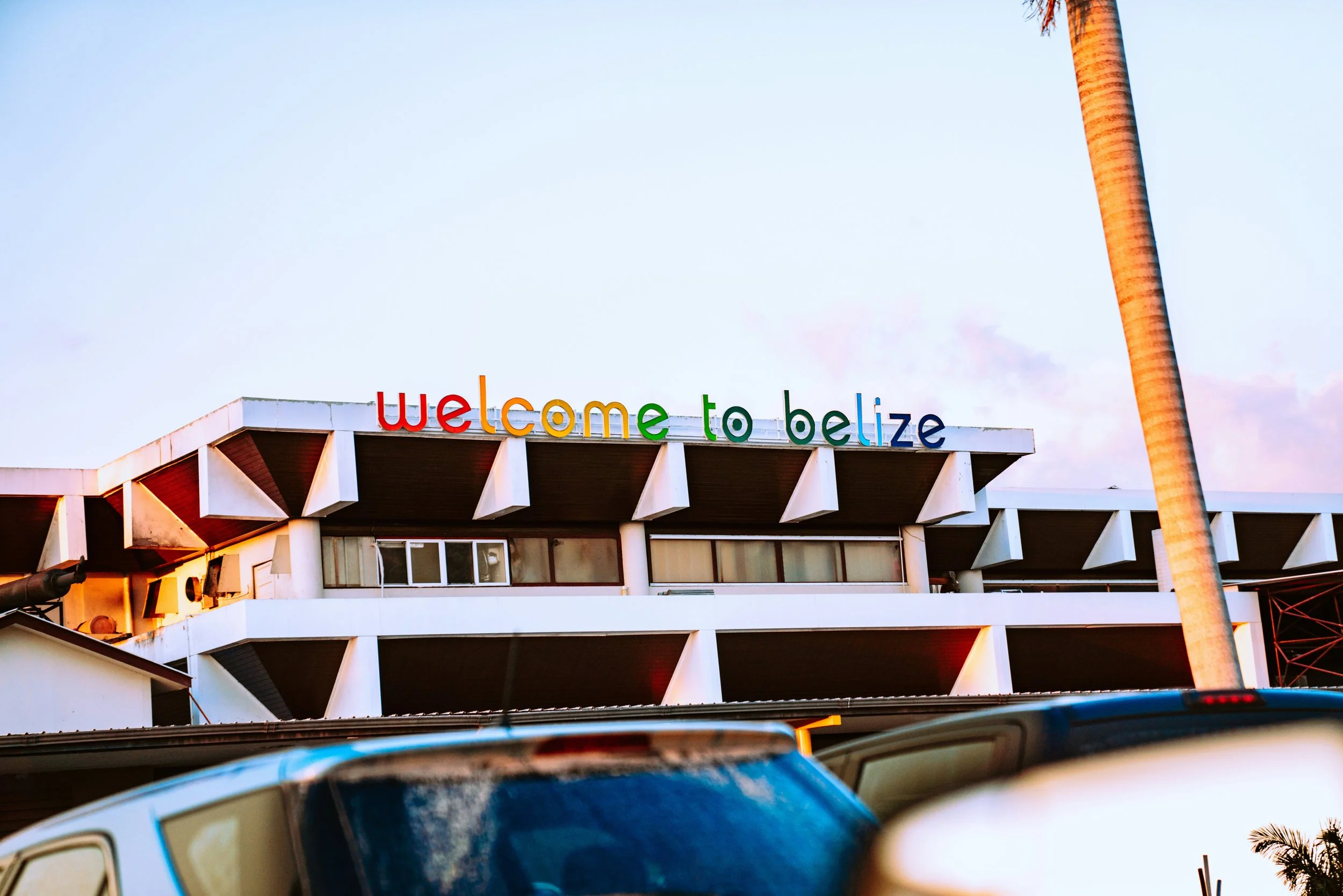
Belize Adventure Travel
Belize adventure travel is defined by its mix of Caribbean coastline, dense rainforest, and preserved Mayan history. That sounds like a tourism brochure, but it is actually just an accurate description of what you are working with here. On the coast and the cayes, you have world-class marine environments with reef systems, open water, and calm lagoons. Head inland and the landscape shifts entirely into thick jungle with rivers, caves, and archaeological sites that have been sitting mostly undisturbed for centuries.
The country's geography makes it possible to combine marine, jungle, and cultural activities without long travel times, which is a meaningful advantage for anyone trying to get the most out of a one- or two-week trip. You are not spending half your vacation on planes or sitting through six-hour transfers. The distances are manageable, the road connections are workable, and small charter flights exist for routes that would otherwise take too long by land.
That said, the most common mistake I see travelers make here is staying in one place for the entire trip. Combining at least two regions rather than staying in one place can make the trip worthwhile and is frankly the only way to get a real sense of what Belize travel is actually about. Spending a week on Ambergris Caye is lovely, but it is an incomplete picture. Pair the coast with time in the Cayo District or Toledo, and you start to understand why people who come here once tend to come back.
Where is Belize?
Belize sits on the northeastern coast of Central America, bordered by Mexico to the north and Guatemala to the west and south, with the Caribbean Sea running the length of its eastern coastline. It is the only country in Central America where English is the official language, which makes it a relatively easy entry point for travelers who are new to the region.
Its geographic placement makes it possible to combine island-based Caribbean activities with inland jungle and archaeological explorations without the kind of logistical complexity you would face in larger countries. The Belize Barrier Reef runs parallel to the coast for nearly the entire length of the country, protecting the coastline and creating ideal conditions for diving and snorkeling. Just a short distance inland, the terrain rises into forested hills and karst limestone topography that is riddled with caves and waterways.
Travelers typically move between coast and inland regions to fully experience the country's geographic variety. The most common pattern is to split time between the northern cayes, particularly Ambergris Caye or Caye Caulker, and the western Cayo District, which puts you close to both cave systems and Mayan ruins. Southern Belize, including the Toledo District and the Placencia Peninsula, is less visited but offers its own distinct mix of rainforest, reef access, and indigenous Garifuna and Maya culture.
Is Belize Safe for Tourists?
This question comes up a lot, and the honest answer is that Belize is generally safe in established tourist areas, especially on the islands and in key adventure hubs. The cayes, the Cayo District, and the main eco-tourism corridors see a high volume of international visitors every year without significant incident. The Belize Tourism Board actively supports the infrastructure around these areas, and most of the adventure operators you will encounter are licensed, experienced, and working within established safety frameworks.
Like anywhere in the world, common sense goes a long way. You may need to stay within recognized tourist zones and use licensed guides, particularly when entering cave systems or doing remote jungle activities. Isolated areas in urban districts, particularly in Belize City after dark, are best avoided. If you are diving or tubing through cave rivers, listen to your guides about water conditions, and be aware that seasonal weather can affect outdoor activities in meaningful ways, particularly during hurricane season from June through November.
But that level of awareness is not unique to Belize. It is the same baseline you apply in any travel destination. Belize is just as safe as other popular adventure travel destinations in Latin America, and the tight-knit nature of the tourism community here actually works in your favor. Local guides, hotel staff, and tour operators talk to each other, and they are genuinely invested in making sure visitors have good experiences. The adventure tourism ecosystem here depends on it.
What Is Belize Known For
Belize has a short but very specific list of things it does better than almost anywhere else on earth. If you are planning a trip, these are the headliners:
Offshore reef systems like the great blue hole and Hol Chan Marine Reserve, part of the UNESCO-listed Belize Barrier Reef that stretches over 190 miles along the coast
Cave networks such as atm cave (Actun Tunichil Muknal) and Barton Creek Cave, offering some of the most otherworldly underground exploration in the Western Hemisphere
Jungle ecosystems supporting zip line adventures, river tubing, and wildlife viewing across multiple protected reserves and national parks
Major Mayan archaeological sites including Xunantunich, Caracol, altun ha, and Lamanai, where you can walk through maya ruins with relatively few other tourists around
Belize Adventures
Here are the adventures that consistently define the best trips to Belize. These are the ones worth planning your itinerary around, and the ones where hiring the right local guides makes the biggest difference.
Diving the Great Blue Hole and the Belize Barrier Reef
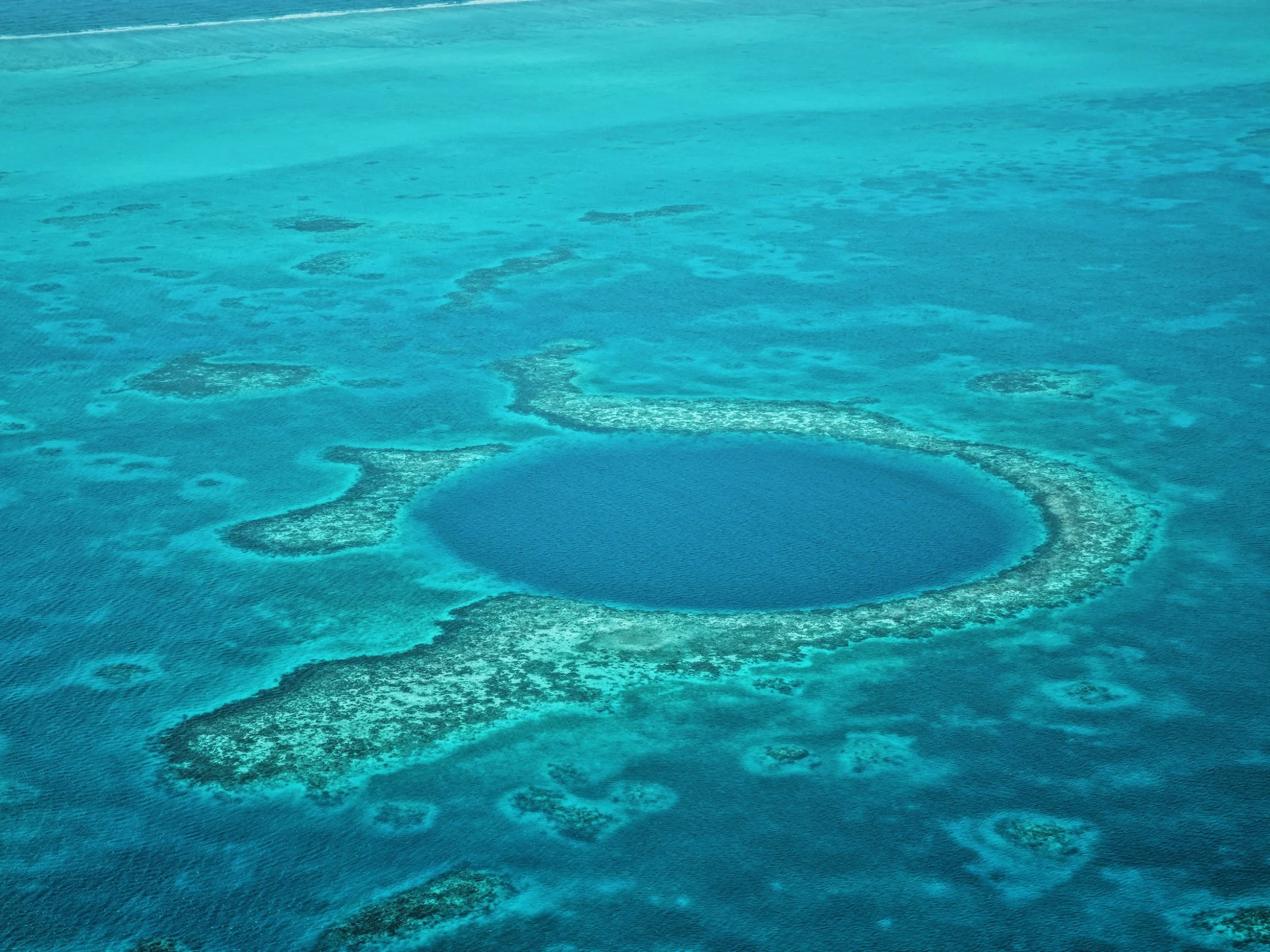
The Great Blue Hole (pictured above) is the image most people associate with Belize, and it earns the reputation. Sitting about 43 miles offshore from Belize City, this nearly perfect circular sinkhole drops to around 400 feet and is lined with stalactites left over from when it was a dry limestone cave thousands of years ago. Jacques Cousteau put it on the map in 1971, and it has been on serious divers' bucket lists ever since. The dive itself is not technically difficult, but it requires open water certification and ideally some comfort with depth, as the most dramatic formations are found between 100 and 130 feet.
What makes the great blue hole even better is what surrounds it. The Belize Barrier Reef is the second largest coral reef system in the world, and the marine diversity here is exceptional. Hol Chan Marine Reserve just off Ambergris Caye is a more accessible option for snorkelers and beginner divers, with shallow channels full of reef fish, nurse sharks, and sea turtles. Shark Ray Alley, technically part of the same marine reserve, delivers exactly what the name suggests and is one of the more reliably thrilling snorkeling experiences I have been on.
Most Belize adventure tours that cover the great blue hole operate as long day trips departing from San Pedro or Caye Caulker, typically including two or three dive sites in the same outing. The Blue Hole itself is usually the first dive of the day when conditions are calmest. A reputable dive operator with certified local guides who know the currents and conditions in this part of the Caribbean sea is non-negotiable. This is not the kind of dive you want to do with a budget operator cutting corners.
Days to plan: If the Great Blue Hole is on your list, one full day is needed for the excursion itself, but I would recommend planning at least three to four days on or near the cayes to work in additional reef dives, snorkeling, and time to decompress between dives. Freediving and night dives are also worth adding if you have the experience for them.
ATM Cave and Belize's Underground World
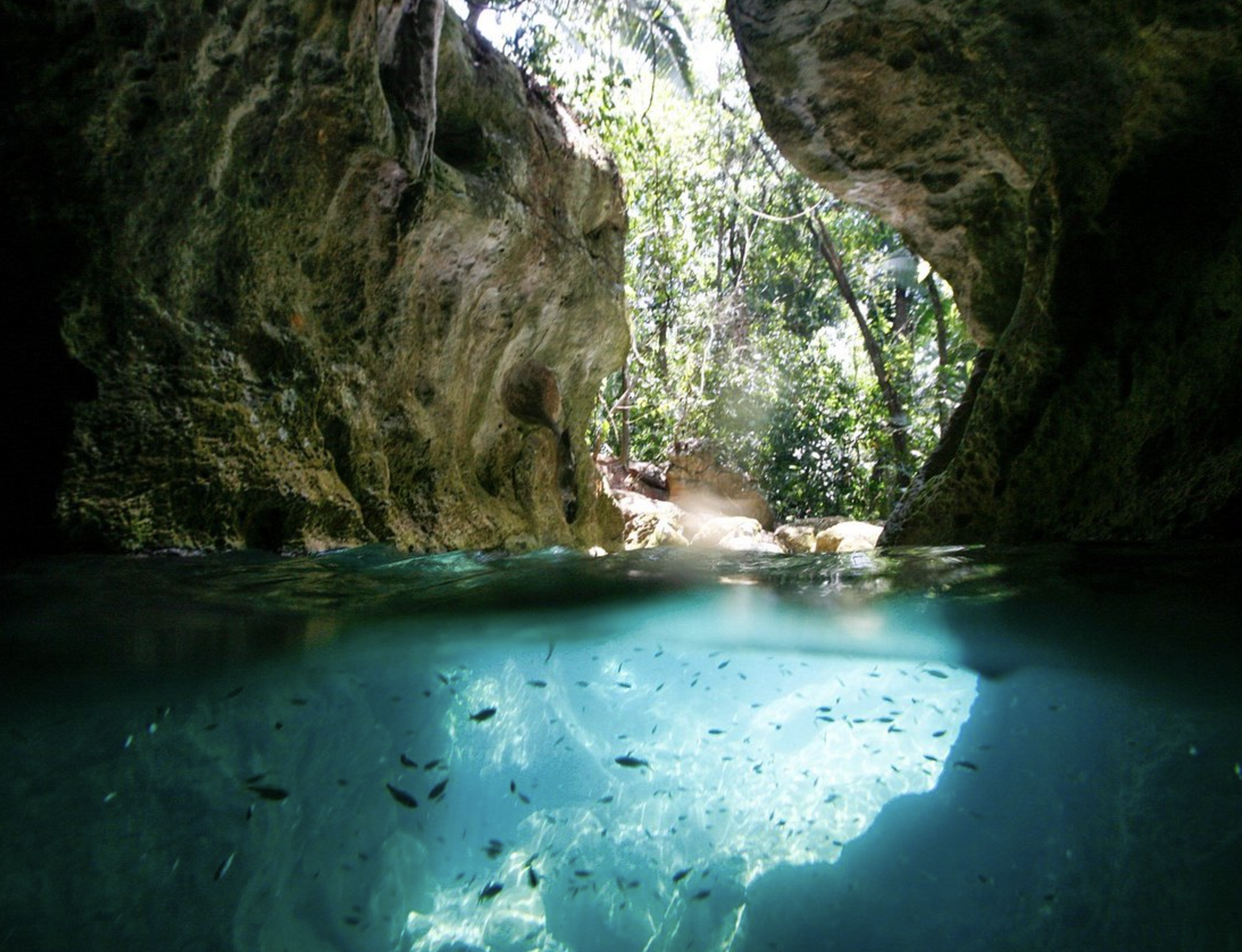
Actun Tunichil Muknal (pictured above), known almost universally as ATM cave, is one of the most extraordinary experiences available anywhere in Belize, and honestly one of the most extraordinary things I have done in Central America full stop. The ATM cave was used by the ancient Maya as a ceremonial site, and the artifacts inside, including pottery, jade fragments, and skeletal remains, have been left almost exactly where they were found. The most famous is the Crystal Maiden, the skeleton of a young woman whose bones have calcified over centuries into a glittering crystalline form. It sounds dramatic because it is.
Getting there requires a short hike through jungle, three river crossings on foot, and then swimming into the cave entrance. Once inside, you are wading, climbing, and squeezing through passages with a headlamp, following your guide through chambers that the Maya considered the literal underworld. The entire experience takes about six hours, and because cameras are no longer permitted inside (a visitor dropped one on a skull a few years back), there is nothing to do but be present for it. That ends up being the right call.
This tour can only be done with licensed local guides, which is a government-mandated rule designed to protect the site. Group sizes are capped, visits are limited per day, and you need a guide who has done it enough times to navigate confidently in the dark. If you are working with a reputable adventure guide or tour operator, they will sort this for you. If you are trying to book it last-minute independently, you may find yourself out of luck in high season.
Barton Creek Cave is a good alternative or complement to ATM, particularly for travelers who want the cave experience without the physical demands. This one is done entirely by canoe, floating through a massive cave system with Mayan artifacts visible along the ledges. Quieter, calmer, and still genuinely impressive.
Days to plan: ATM deserves its own dedicated day with nothing strenuous scheduled afterward. If you want to add Barton Creek or another cave, plan for a second day. Both are accessed from the Cayo District, which should be your base for anything involving caves and maya ruins.
Cave Tubing and Jungle Adventures in the Cayo District
Cave tubing is one of those activities that sounds too simple to be worth the trip and then completely wins you over once you are actually floating through the dark on an inner tube with stalactites hanging overhead. The Nohoch Che'en Caves Branch Archaeological Reserve near Belmopan is the main site for this, and it is a legitimate adventure, not a theme park version of one. You hike in through jungle, strap on a headlamp, and drift through a series of interconnected cave chambers carved out by an underground river. It is eerie and beautiful in equal measure.
The Cayo District more broadly is where most of Belize's land-based adventure is concentrated. This is where you find the zip line operations running through jungle canopy, and if you have not done one in a setting like this before, the scale of it is surprising. These are not short runs over a manicured resort. The canopy here is thick, the platforms are high, and the views between runs show you just how densely forested the interior of this country actually is. Most zip line operators in the area pair the activity with other excursions, often cave tubing or a short hike to a waterfall, making it easy to build a full day out of a single base location.
Horseback riding is another option worth considering, particularly for travelers who want to cover more ground in the jungle without the physical intensity of a longer hike. Several outfitters in the Cayo District run horseback riding tours that pass through farmland, forest, and occasionally to river crossings or archaeological sites. It is a different pace from the high-adrenaline activities but fits naturally into a multi-day itinerary as a transition day option.
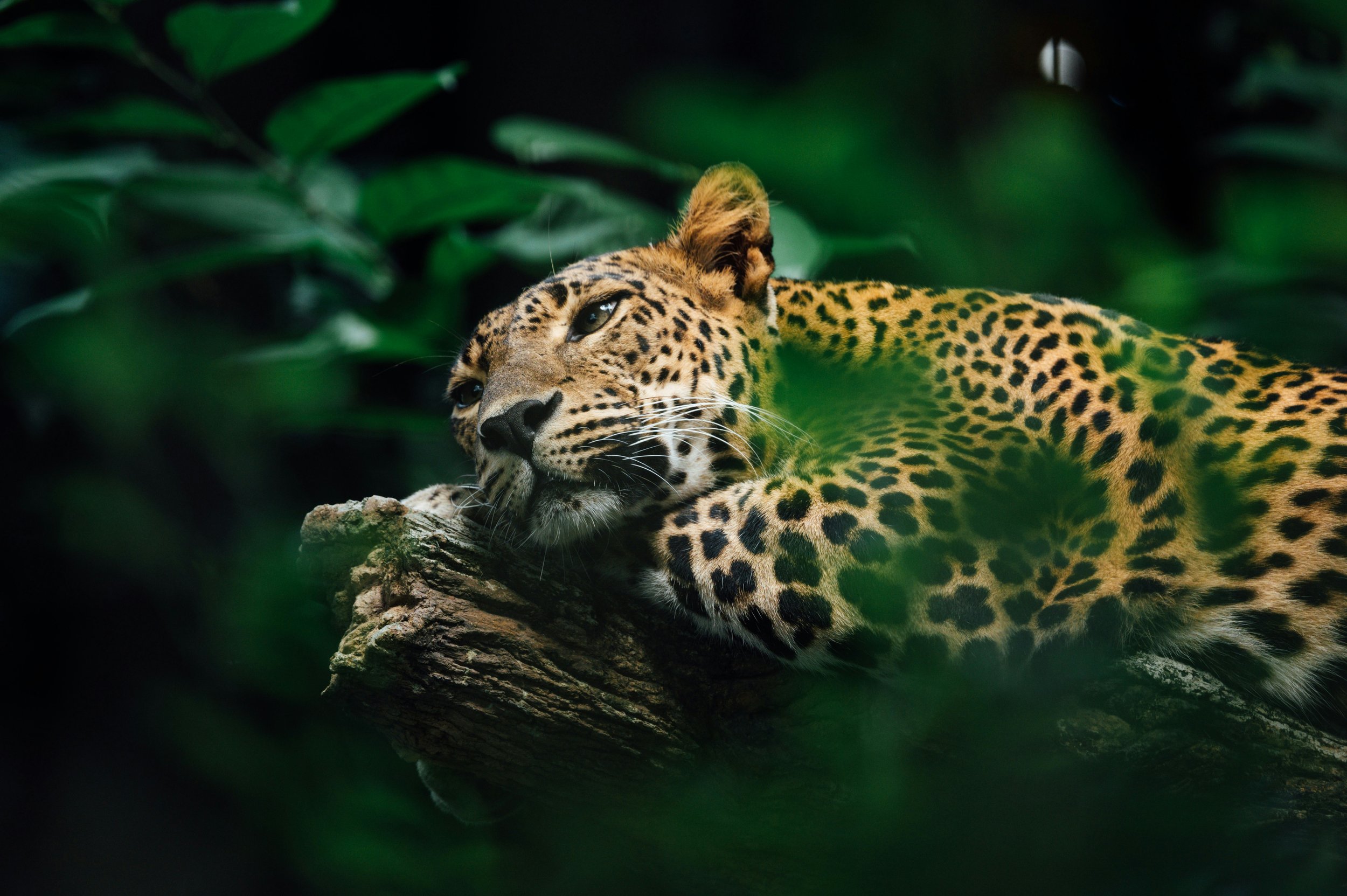
Wildlife watching is built into almost everything you do here. The Cockscomb Basin Wildlife Sanctuary, commonly referred to as the jaguar preserve, is the world's first designated jaguar reserve and covers over 150 square miles of protected rainforest in southern Belize. Seeing a jaguar in the wild requires significant patience and some luck, but the reserve is home to tapirs, pumas, ocelots, and an extraordinary variety of birds that you are almost guaranteed to encounter. Guided hikes through the sanctuary are excellent even without the flagship species.
Days to plan: I would block out a minimum of three days for the Cayo District if you want to fit in cave tubing, a zip line experience, and any combination of horseback riding or wildlife watching. Four days is better if you want to add ATM Cave without rushing.
Exploring Maya Ruins at Xunantunich, Caracol, and Altun Ha
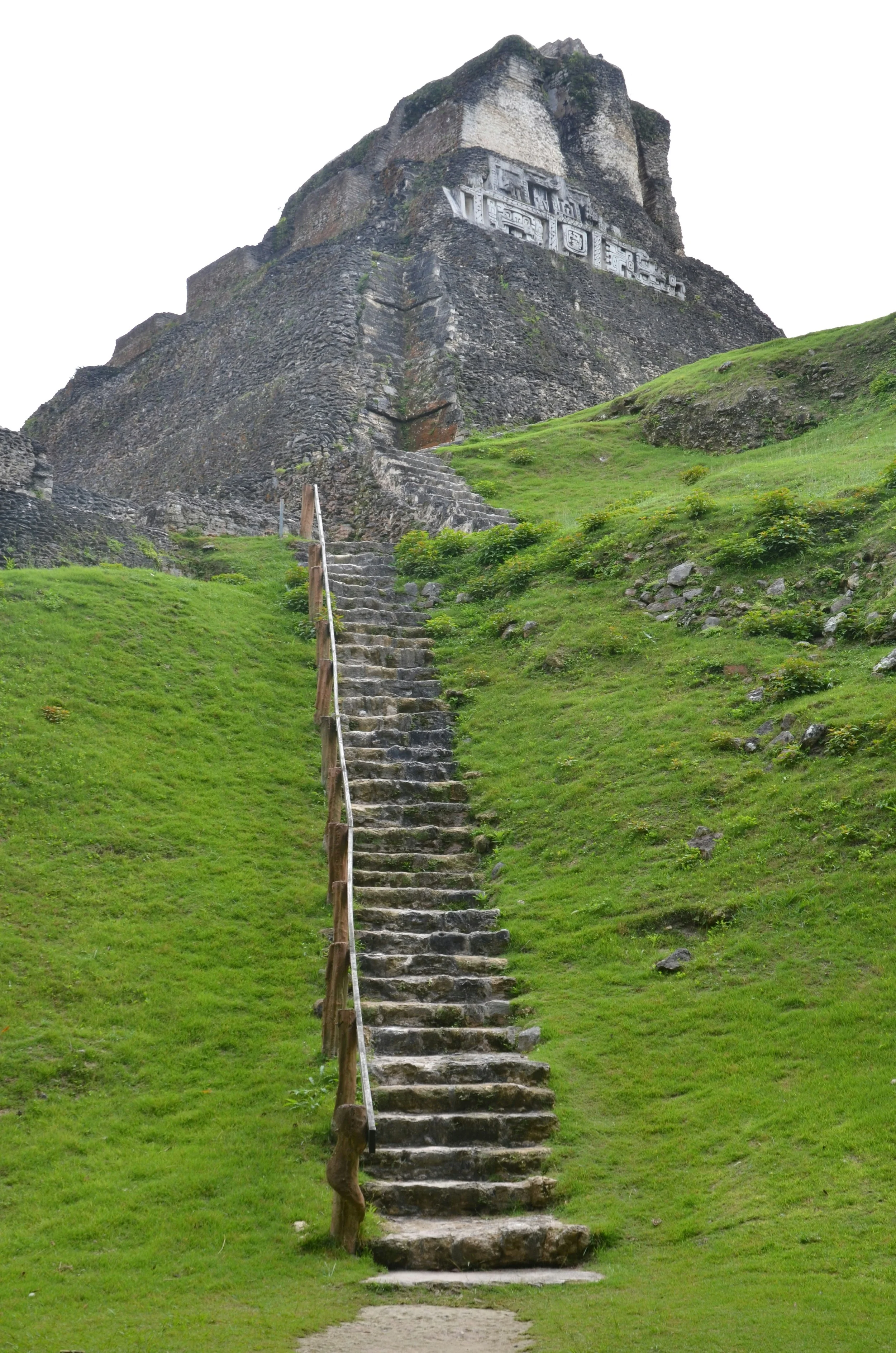
Belize's Mayan ruins do not get the same global attention as Chichen Itza or Tikal, which is honestly part of what makes them worth visiting. You are walking through a Mayan city without shuffling through crowds, and at several sites you can still climb the structures, something that has been banned at many of the more famous sites in Mexico and Guatemala. That access changes the experience considerably.
Xunantunich, perched on a ridge above the Mopan River near the Guatemalan border, is the most visited of Belize's Mayan ruins and a natural fit for anyone staying in the Cayo District. The site is anchored by El Castillo, a 130-foot pyramid with stucco friezes that still show fragments of original decoration. Climbing it gives you views across the jungle into Guatemala, and the scale of the structure, built without metal tools or the wheel, is the kind of thing that stops you mid-sentence.
Caracol is larger and more remote, located deep within the Chiquibul Forest Reserve and requiring a longer drive on unpaved roads that are only reliably passable in dry season. At its peak, Caracol was one of the dominant maya city centers in the region, with a population estimated to have exceeded Belize City's current population by a significant margin. The main pyramid, Caana or Sky Palace, is the tallest man-made structure in Belize. The remoteness of Caracol means fewer visitors and a more immersive experience, but it needs to be planned carefully with local guides who know the road conditions.
Altun Ha sits about 30 miles north of Belize City and is one of the more accessible archaeological sites in the country, making it a solid half-day option for travelers who are passing through the north or arriving through Belize City. It is smaller than Xunantunich or Caracol but historically significant, and it is the site where a large jade head depicting the Sun God Kinich Ahau was found, now the national symbol of Belize and featured on the country's currency.
Lamanai, accessible by boat along the New River Lagoon and surrounded by active jungle, offers one of the more dramatic approaches of any archaeological site I have visited. Howler monkeys and crocodiles are routine sightings on the river trip in, which sets the tone for what follows: a genuine maya ruins experience in a site that has never been fully excavated. The boat journey alone is worth the trip.
Days to plan: Xunantunich works as a half-day excursion from San Ignacio. Caracol needs a full day. Altun Ha and Lamanai are best accessed as day trips from the north or Belize City. If you want to cover multiple sites, plan for two to three dedicated days spread across your itinerary rather than trying to stack them back to back.
Ready to Start Planning Your Honeymoon?
Belize rewards travelers who do a bit of homework upfront. The country is small enough that a well-structured itinerary can feel effortless, but without some planning, it is easy to either stay too long in one place or try to cram too much into too few days. The best trips I have helped plan here tend to follow a simple structure: start on the coast for reef access, move inland for caves and jungle, and close with mayan ruins before heading home. That arc hits all the major environments without doubling back.
The Belize Tourism Board provides a reasonable starting point for understanding what is available and when, but the real expertise lives with the operators and guides on the ground. If you are planning a first trip here, or a more ambitious multi-region itinerary, working with someone with experience and who knows which operators are worth using makes a meaningful difference. There are no shortage of Belize adventure tours on offer, but the quality varies considerably, and that gap matters most when you are standing at the entrance to a cave or offshore in open water.
Belize is also a great option for couples looking for exotic honeymoon destinations!