Washington State has a way of making people rethink what they assumed about the Pacific Northwest. Yes, there's rain. There's also a rugged Pacific coastline with sea stacks and driftwood, temperate rainforests where moss hangs off every branch, snow-capped volcanoes, island archipelagos, and small towns that feel like they've been waiting for you to show up. Cross the Cascades and the whole mood changes again: sunny orchards, deep blue lakes, rolling wheat hills, and wine country that rivals anywhere in the West.
That range is the reason this state works for so many kinds of travelers. You can hike in national parks in the morning and be at a waterfront dinner table by night. You can spend a week on the water, or a week on a ridgeline, or a week working through a tasting list. The tricky part is deciding where to spend your time, because the choices you make early shape the whole trip. Pick the wrong home base and you'll lose half a day to driving. Pick the right one and everything clicks.
I plan a lot of Washington trips, and they come in all shapes. Some are scenic road trips, some are long getaways built around food and wine, and plenty are multigenerational. If you're still sorting out where to go for a family vacation, that post is a good companion read, and many of the places below pair well with kids. What follows is a region-by-region look at the destinations I recommend most, plus the practical stuff that decides when you should actually go.
Best Places To Travel In Washington State: A Regional Guide
This guide covers a wide spread: big-city energy in Seattle, coastal and island communities, mountain retreats, and all three of the state's national parks. I've also included the dry side of the state, which many first-time visitors skip entirely. They shouldn't.
The simplest way to think about Washington is as two different worlds divided by the Cascade Mountains. West of the crest, you get evergreen forest, saltwater, ferries, and mild, damp weather. East of it, the climate turns dry and sunny, the landscape opens up, and the pace slows. Neither side is better. They just suit different people. If you want ocean air, hiking, and a polished city, start in the west. If you want wine, wide skies, and fewer crowds, head east. Most of my clients end up wanting both, and the best itineraries link the two with a scenic mountain pass in between.
As you read, keep three things in mind: how many days you have, how much driving you're willing to do, and whether your ideal day involves a trail or a tasting room. Those answers will narrow things down fast.
What Are The Best Places To Visit In Western Washington
Western Washington is where most trips begin, and for good reason. Puget Sound pulls together waterfront cities, evergreen forests, ferry rides, and island communities within a few hours of each other. It's also where you'll find Mount Rainier and Olympic National Park, two of the state's headline attractions. Here are the destinations I'd put at the top of the list.
Seattle
Seattle is the obvious starting point, and it earns that spot. The city sits between Puget Sound and Lake Washington with mountains on either side, so even a downtown walk comes with a view. Spend time at the waterfront and at Pike Place Market, then head up the Space Needle for a look at the skyline. On a clear day, Mount Rainier shows up looking almost too big to be real.
What makes Seattle useful for trip planning is how much it opens up. The airport is a major hub, ferries leave from the downtown piers, and day trips range from Bainbridge Island to the Cascade foothills. Give it at least two full days. I'd also suggest wandering beyond the tourist core. Ballard has a great food and shopping scene, Capitol Hill is lively after dark, and Discovery Park is a huge green space with beach and bluff trails. Culture fans can take in the glass art gardens at Seattle Center or the music and film museum next door, and anyone who loves aircraft should look at the Museum of Flight south of town.
Olympic National Park
If you only have time for one wilderness destination in the state, Olympic National Park is a strong candidate. It covers nearly a million acres on the Olympic Peninsula and packs in three completely different ecosystems: glacier-capped mountains, a wild Pacific coastline, and some of the most impressive temperate rainforests in the country. Seeing all three in a few days feels almost unfair.
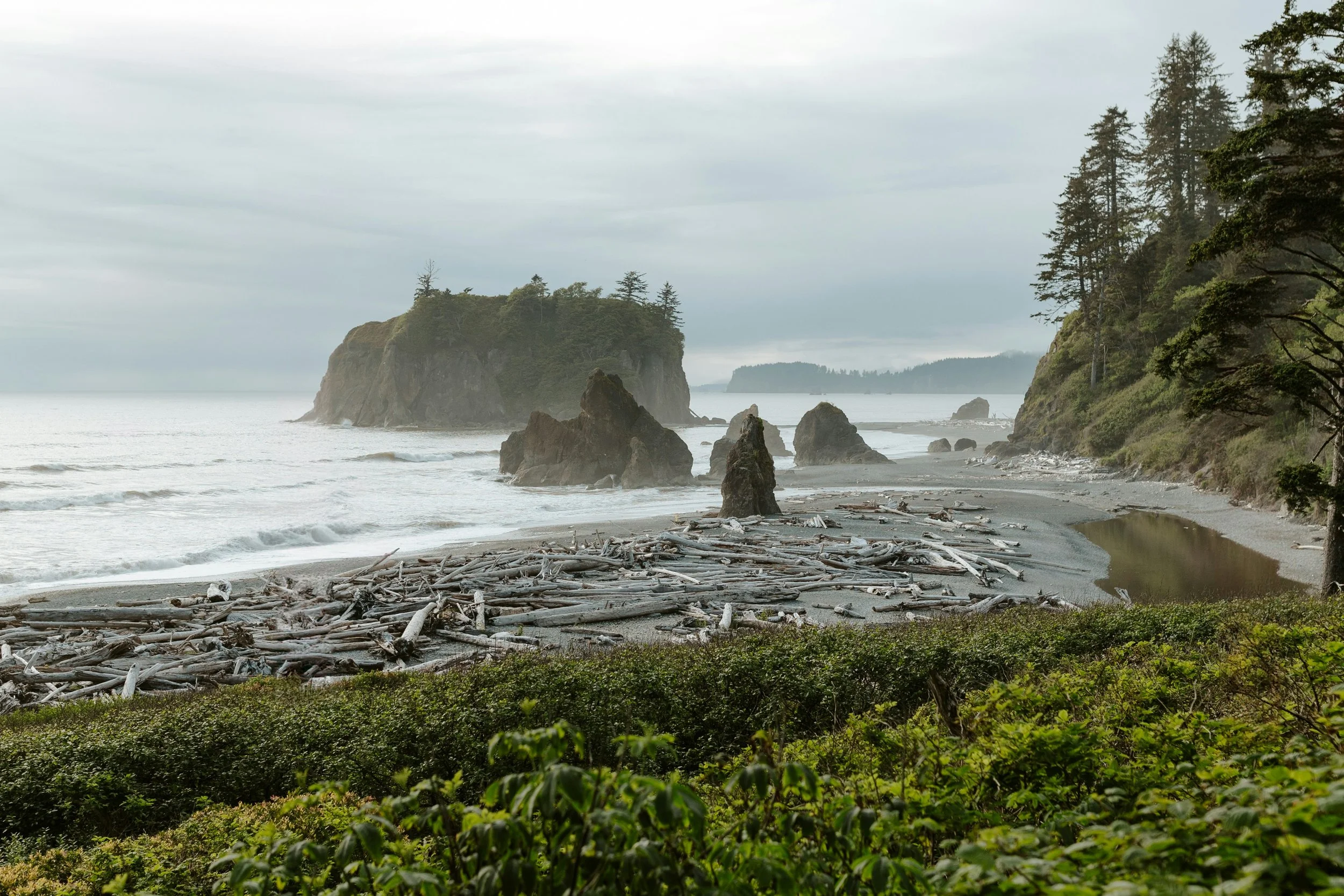
The Hoh Rain Forest is the famous one, with its Hall of Mosses and giant spruce and hemlock. Quinault, on the southwest side, is another rainforest valley that gets fewer visitors. Up north, Lake Crescent is clear and deep, and the short walk to Marymere Falls is easy enough for almost anyone. On the coast, Ruby Beach and Rialto Beach are beautiful for sea stacks and driftwood, and Hurricane Ridge offers mountain views when the road is open. Sol Duc Hot Springs makes a relaxing stop after a day of hiking. Plan on at least three nights here, since the park is big and the drives between sections are long. To get there from Seattle, take a ferry across the Sound or drive around through Olympia.
Port Townsend
Port Townsend sits at the northeastern tip of the Olympic Peninsula and feels like a time capsule in the best way. In the late 1800s, the town expected to become a major port, and its Victorian buildings went up fast. The railroad never arrived as planned, and growth stalled, which is partly why the downtown looks so well preserved today.
It's a good place to slow down. You can browse bookstores and galleries on Water Street, walk the beach at Fort Worden State Park, and eat very well for a town this size. It's also a hub for wooden boats, and the annual wooden boat festival each September draws sailors from all over. Port Townsend makes a useful stopover between Seattle and Olympic National Park. You can also connect through Whidbey Island by ferry from Coupeville, which creates a fun loop.
San Juan Islands
The San Juan Islands are a collection of more than 170 named islands scattered between the mainland and Canada, though only a handful have regular ferry service. San Juan, Orcas, Lopez, and Shaw are the ones most travelers visit. The pace out here is gentle, the scenery is beautiful, and you're often treated to wildlife from the deck of the ferry.
San Juan Island has Friday Harbor, a walkable little town, along with whale-watching tours and Lime Kiln Point State Park, which is known for spotting orcas from shore. Orcas Island is more forested and mountainous. Moran State Park there has a road to the top of Mount Constitution, which gives you panoramic views across the whole archipelago. Lopez is the flat one, great for cycling and quiet days. Stay at least three nights if you can, because the ferry connections eat up time. And reserve your ferry space early in summer, since popular sailings fill up.
Whidbey Island
Whidbey Island is the one people tend to overlook, and I think that's a mistake. It's easy to reach from Seattle by a short ferry ride from Mukilteo to Clinton, or by road from the north across the dramatic Deception Pass bridge. It's long and skinny, with farmland, beaches, bluffs, and small waterfront villages.
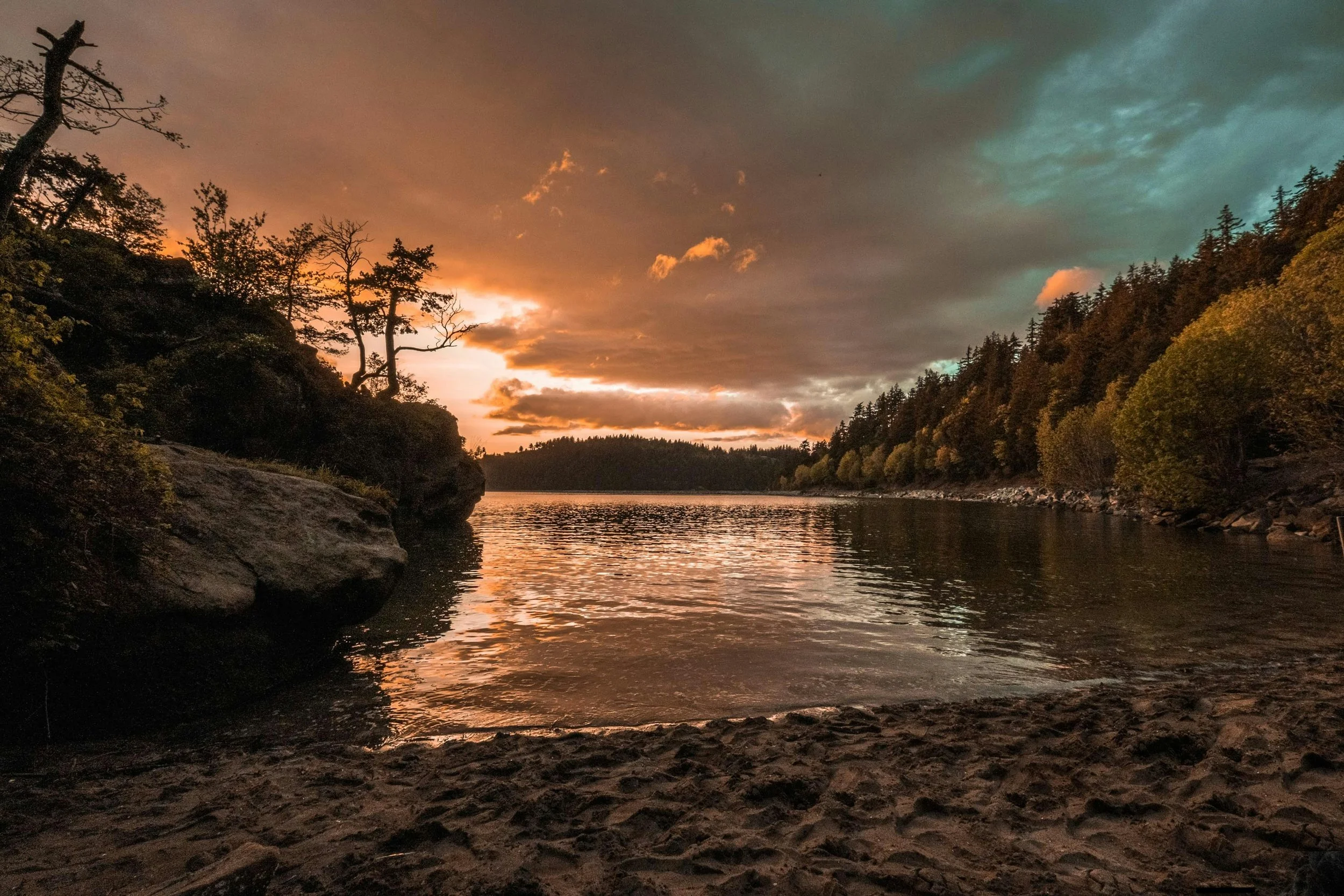
Coupeville is the historic heart of the island and is known for its mussels, which come from the nearby bay. Ebey's Landing, a national historical reserve, has a coastal bluff walk with views toward the Olympic Mountains. Langley, on the south end, is a charming little arts town. Deception Pass State Park is spectacular, and is among the most visited state parks in Washington. It's a perfect weekend destination or a smart addition on the way to the San Juans.
Bellingham
Bellingham is a lively waterfront city near the Canadian border, and it's one of my favorite places to recommend to couples and active travelers. It has a historic district called Fairhaven, a strong craft beer scene, and a laid-back college-town vibe. Lake Whatcom and the surrounding trails give you plenty of room to get outside without leaving town.
The drive in is half the fun. Chuckanut Drive hugs the coast between the Skagit Valley and Bellingham, with water views on one side and forested hills on the other. In winter, Mount Baker draws skiers and snowboarders, and the ski area there set a world record for snowfall in a single season back in 1998 and 1999. In spring, the nearby Skagit Valley fields burst with tulips. Bellingham is also a good jumping-off point for the San Juans, since the ferry terminal in Anacortes is about an hour south.
Mount Rainier National Park
At 14,410 feet, Mount Rainier dominates the skyline across much of western Washington. It's the most heavily glaciated peak in the lower 48, and visiting it up close is one of those travel moments that sticks with you. Paradise, on the south side, is the busiest area, and it's known for wildflower meadows in summer and trails with direct views of the glaciers. Sunrise, on the northeast side, is higher and usually opens later in the season.
You can choose short walks or long hikes. The Skyline Trail at Paradise is a classic loop, while the short stroll to Myrtle Falls is great for families. Serious backpackers can tackle the Wonderland Trail, which circles the mountain over roughly 93 miles. Rainier is easy to reach from Seattle in about two and a half hours, but I'd still recommend staying near the park for at least a night or two. Check the park website before you go, because summer visitation rules, entry reservations, and road openings can change.
North Cascades National Park
North Cascades National Park is the least visited of Washington's three national parks, and that's a big part of its charm. It's a rugged landscape of jagged peaks, deep valleys, and more than 300 glaciers. Highway 20 runs through the park complex, so you can experience a lot of it by car. Diablo Lake is the headliner, with its turquoise water, and there are short walks and scenic overlooks all along the road.
For deeper adventure, the trails are excellent, and the remote community of Stehekin can only be reached by boat, floatplane, or on foot. Keep in mind that Highway 20 closes in winter, usually from late fall into spring, so your timing matters. Pair a visit here with the Methow Valley on the other side of the mountains for an unforgettable loop.
What Are The Best Places To Visit In Eastern Washington
Cross the Cascades and you'll notice the shift almost immediately. The air gets drier, the trees thin out, and the sky seems to widen. Eastern Washington is a landscape of lakes, sagebrush hills, farmland, orchards, and some of the best wine regions in the country. It's a big, open, sunny contrast to the forested and coastal west, and it's where I send clients who want to slow down and eat and drink well.
Leavenworth
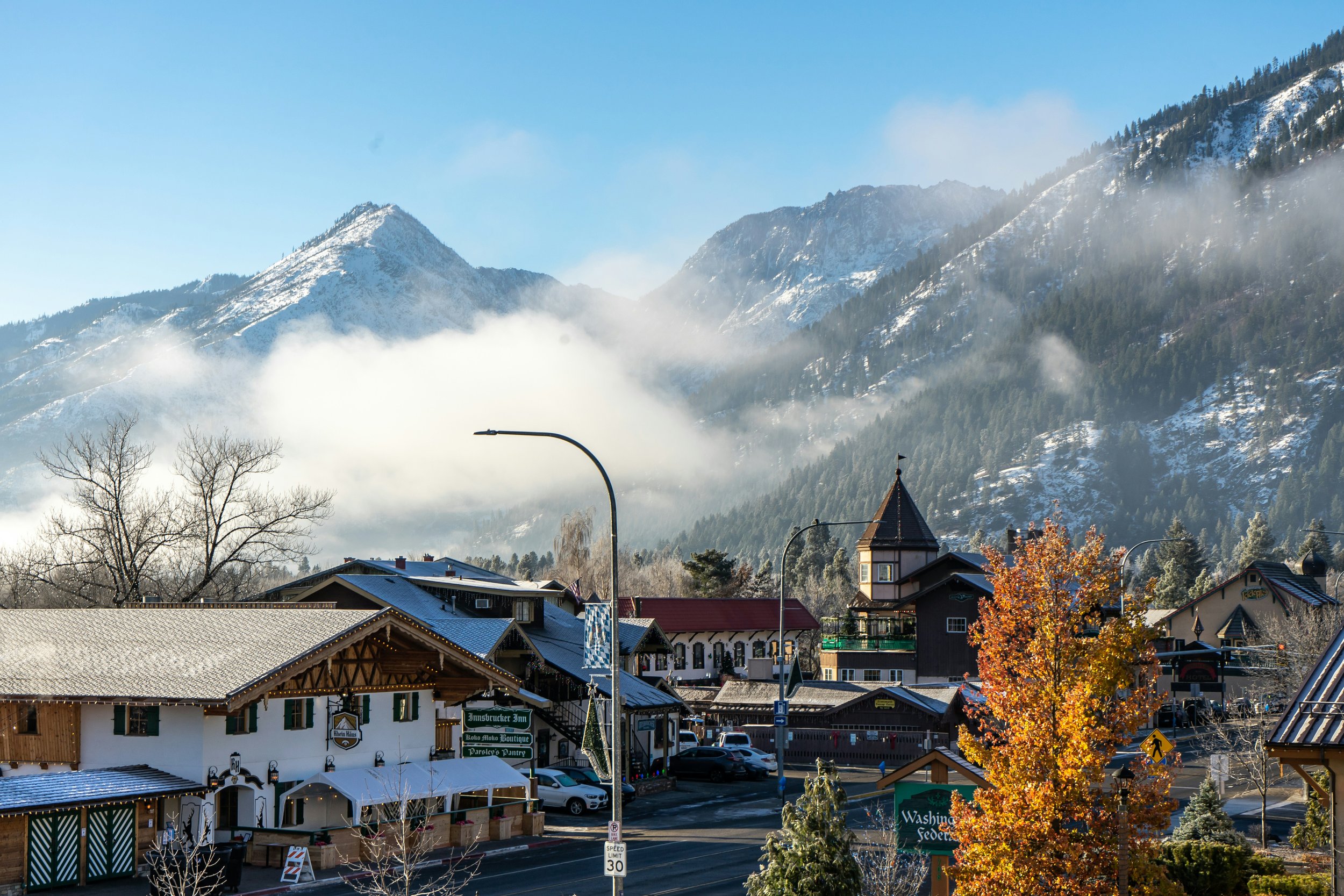
Leavenworth is a Bavarian-style village in the Cascade foothills, about two and a half hours from Seattle by way of Stevens Pass. The theme is a bit over the top, but it works. The town reinvented itself decades ago after the local economy slid, and today it hosts Oktoberfest, a famed holiday lighting event in winter, and plenty of lively restaurants and shops year-round.
The real draw, though, is the setting. Icicle Creek and the Wenatchee River offer rafting and fly fishing, and the surrounding mountains have excellent hiking trails. Fall is gorgeous when the leaves turn. For visitors, it's a great base for a few nights, and it works well for multigenerational groups because there's something for everyone.
Lake Chelan
Lake Chelan is a long, narrow, glacier-carved lake that stretches roughly fifty miles into the mountains. It's one of the deepest lakes in the country, and in summer the weather is warm and dry. The town of Chelan, at the southern end, has beaches, boat rentals, and a growing wine scene, with tasting rooms and vineyards scattered along the shoreline.
Travelers can ride a passenger boat up the lake to Stehekin, a small community at the head of the lake with no road access. It's a lovely way to step away from everything for a day, or a few days. Lake Chelan pairs naturally with Leavenworth and the North Cascades, and it gets busy in July and August, so book early.
Methow Valley
The Methow Valley is tucked on the east side of the North Cascades, and it's one of my favorite places in the state. Winthrop, with its Old West boardwalk look, is the main town, and Mazama is a quieter outpost closer to the mountains. In summer, the valley is made for hiking, mountain biking, and river floating. In early fall, the larch trees turn gold in the high country.
Winter is its own season here. The valley has one of the largest cross-country ski trail networks in the country, and it's a favorite for people who prefer a quiet snowy escape over a busy ski resort. Lodging ranges from ranch-style retreats to cozy cabins and luxury lodges. Remember that Highway 20 may be closed in winter, so the drive may route through Wenatchee or the Okanogan side instead.
Spokane
Spokane is the largest city in eastern Washington, and it's got more going on than most people expect. Spokane Falls roars right through downtown, and Riverfront Park, built for the 1974 World's Fair, is a great place to stroll. The Centennial Trail follows the river for miles, and the Kendall Yards neighborhood has restaurants and views over the gorge.
It's also a handy gateway. Lake Coeur d'Alene in Idaho is about a half hour east, and the rolling wheat hills of the Palouse are a short drive south. Spokane is a good choice for a city break that doesn't feel like Seattle, and it's often more relaxed and easier to navigate. Fly in directly, or make it the eastern end of a cross-state road trip.
Walla Walla
Walla Walla is small but mighty when it comes to wine. The valley has well over a hundred wineries, and many of them are within a short drive of a historic and charming downtown. The reds are the stars, especially Cabernet Sauvignon and Syrah, but the whole scene is welcoming and unpretentious.
Beyond wine, Walla Walla is known for its sweet onions and the Blue Mountains rising in the distance. Whitman Mission National Historic Site, a few miles outside of town, adds a bit of history to the visit. It's a long drive from Seattle, about four and a half hours, so I usually suggest at least two or three nights here. This works especially well as a food and wine escape for couples.
Yakima Valley
Yakima Valley is the heart of Washington's agricultural country, and it's one of the oldest wine regions in the state. Fruit stands along the road sell cherries, peaches, and apples in season, and the valley grows a huge share of the nation's hops. Craft breweries and cider houses mix in with the vineyards.
It's an easy and unfussy destination, about two and a half hours from Seattle via I-90, and it combines well with a drive over the mountains. Red Mountain, near Benton City, is a smaller wine area known for bold reds and gets a lot of attention from wine lovers. Summer and early fall are the best times to go, when the harvest is on and the farms are at their busiest.
When Is The Best Time To Visit Washington State
The honest answer is that it depends on where you're going and what you want to do. Washington has several distinct climates, and each region shines in a different season.
Summer, from July through early September, is the most dependable time for the mountains and islands. Trails at higher elevations are usually clear, the national parks are fully open, ferries run on full schedules, and the San Juan Islands are at their best. It's also the busiest time, so book lodging and ferry space well ahead. Eastern Washington can get hot, with temperatures well into the 90s, which is great for lake days and less so for midday hiking. Late summer can also bring wildfire smoke to parts of the state, so build in some flexibility.
Spring is quieter and often underrated. The tulip fields in the Skagit Valley bloom in April, and wildflowers start popping in the Methow Valley and the drier eastern hills in the spring. Higher trails often still hold snow, though, and some mountain roads and park areas open later. Whale watching also picks up in the warmer months.
Autumn is when I'd send people who like fewer crowds. Early October is peak larch season in the North Cascades and the Methow, and the colors in Leavenworth and the eastern valleys are lovely. Harvest season in wine country, usually September and October, is a great time for a tasting trip. Weather turns less predictable by late fall, and Highway 20 can close early if a storm hits.
Winter has its own appeal. Stevens Pass, Crystal Mountain, and Mount Baker are the big ski areas, and the Methow Valley is a cross-country skiing haven. Seattle and the islands are quiet and moody, and storm watching along the coast can be dramatic. Some of Olympic National Park's high country and Mount Rainier's roads have limited access, so expect closures and changing conditions.
No matter when you go, check the forecast, current road conditions, and park alerts before you finalize anything. Mountain passes can close on short notice, ferries can be delayed by weather, and trail access shifts from year to year. A few minutes of research now can save you a whole day later.
Putting It All Together
Washington State rewards travelers who plan with a little care. A trip that blends Seattle, one of the national parks, and either the islands or wine country covers a ton of ground without feeling frantic. Once you start linking regions, the details multiply: ferry times, mountain pass closures, lodging inside parks, where to sleep after a long drive. Sorting that out is exactly what my team does for clients, and it's usually what turns a good trip into a really smooth one. If you'd like help shaping a route around your dates and travel style, we'd be happy to talk it through. Booking through an advisor can also open doors with the right properties, especially in areas where the best places fill up fast.