Washington State doesn't fit in one neat box, and that's the whole appeal. There's a big, creative city on Puget Sound. There's a volcano wrapped in glaciers, a rainforest so wet the trees wear moss like sweaters, and a Pacific coastline littered with sea stacks and driftwood. Then the North Cascades show up looking like someone dropped the Alps in the Pacific Northwest, and out in the Salish Sea a scatter of islands slows everything down.
The catch is distance. This state is bigger than most people expect, and the best parts aren't clustered together. Getting from the coast to the mountains means ferries, winding two-lane roads, and at least one highway that's shut for a good chunk of the year. A strong road trip itinerary here is mostly about sequencing. Get the order wrong and you'll spend your vacation staring at a windshield.
The route below links Seattle, the Olympic Peninsula, Mount Rainier, the North Cascades, and the San Juan Islands over thirteen days. Each day has realistic drive times and a suggestion for where to sleep. Further down, I'll show you how to trim it to a long weekend or a week, and how to plan around the stuff that trips people up: ferry reservations, snow on trails well into July, and wildfire smoke in late summer. Take what works and cut the rest. Plenty of my clients do exactly that.
Washington State Itinerary: Day by Day
Drive times are approximate and assume decent traffic, which around Seattle is never a given. I've also built in at least one easy stretch every few days, because this route has some long driving days and nobody wants to feel rushed at a waterfall.
Seattle
Day 1: Arrive in Seattle and Start at Pike Place Market
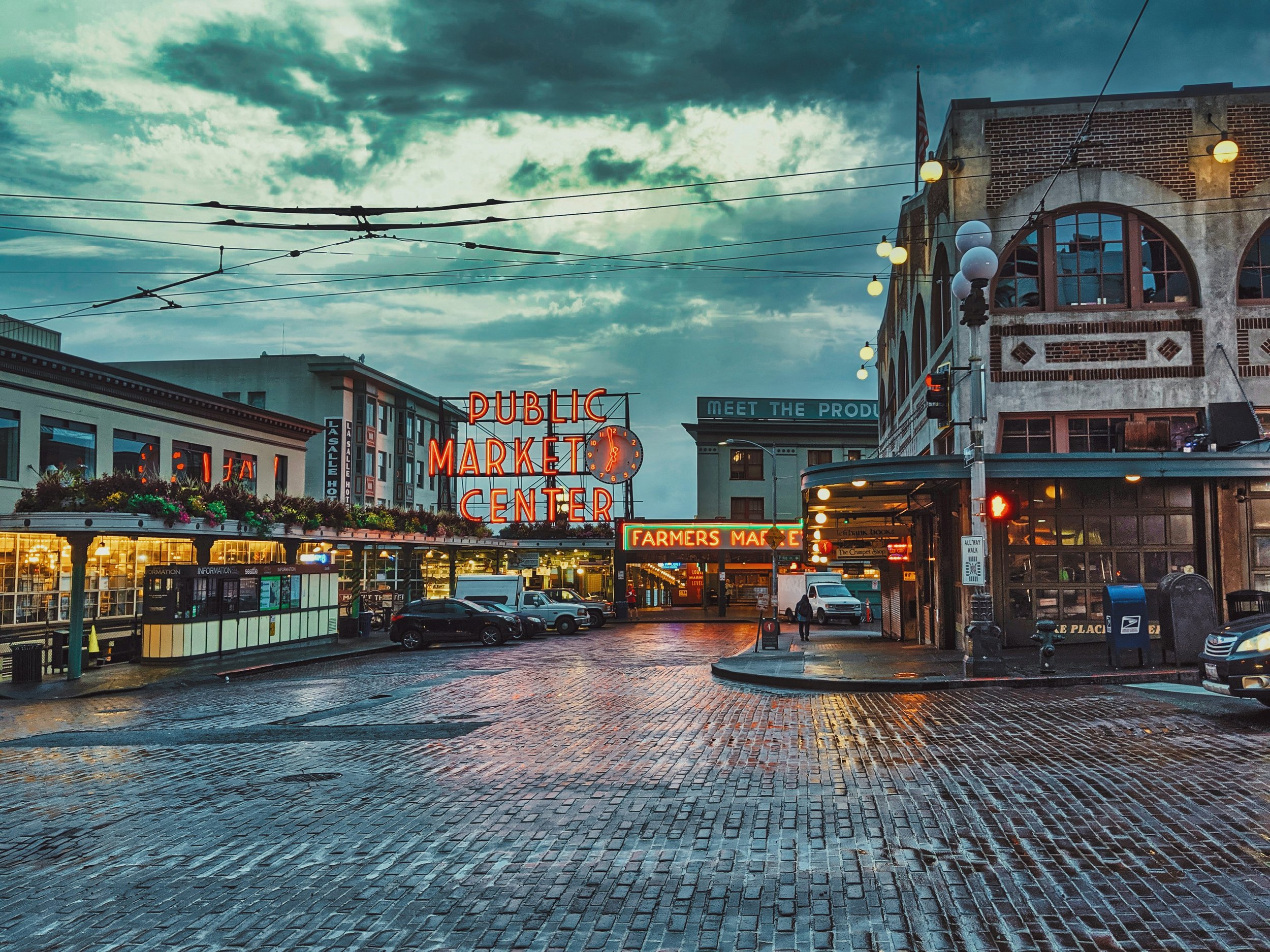
Leave the rental car at the hotel for now. Downtown Seattle is walkable, parking is a headache, and the light rail from the airport gets you into the city in well under an hour. Drop your bags and head straight to Pike Place Market, which opened in 1907 and is one of the oldest continuously operating public markets in the country.
Go early, before the tour groups pile in. You'll find fishmongers tossing salmon, flower vendors with absurdly good bouquets, tiny counters selling chowder and piroshky, and buskers working the sidewalks. Wander the lower levels too, since most people never make it past the first floor. After that, walk down the stairs to the waterfront for a look at Elliott Bay and the big Ferris wheel on the pier.
For dinner, I like sending clients up to Belltown or over to Capitol Hill, where the restaurant scene is strong enough that a reservation really matters. Stay at a downtown luxury hotel within a short walk of the market. You want to be able to leave the car behind and just stroll.
Day 2: Space Needle, Seattle Center, and the Neighborhoods
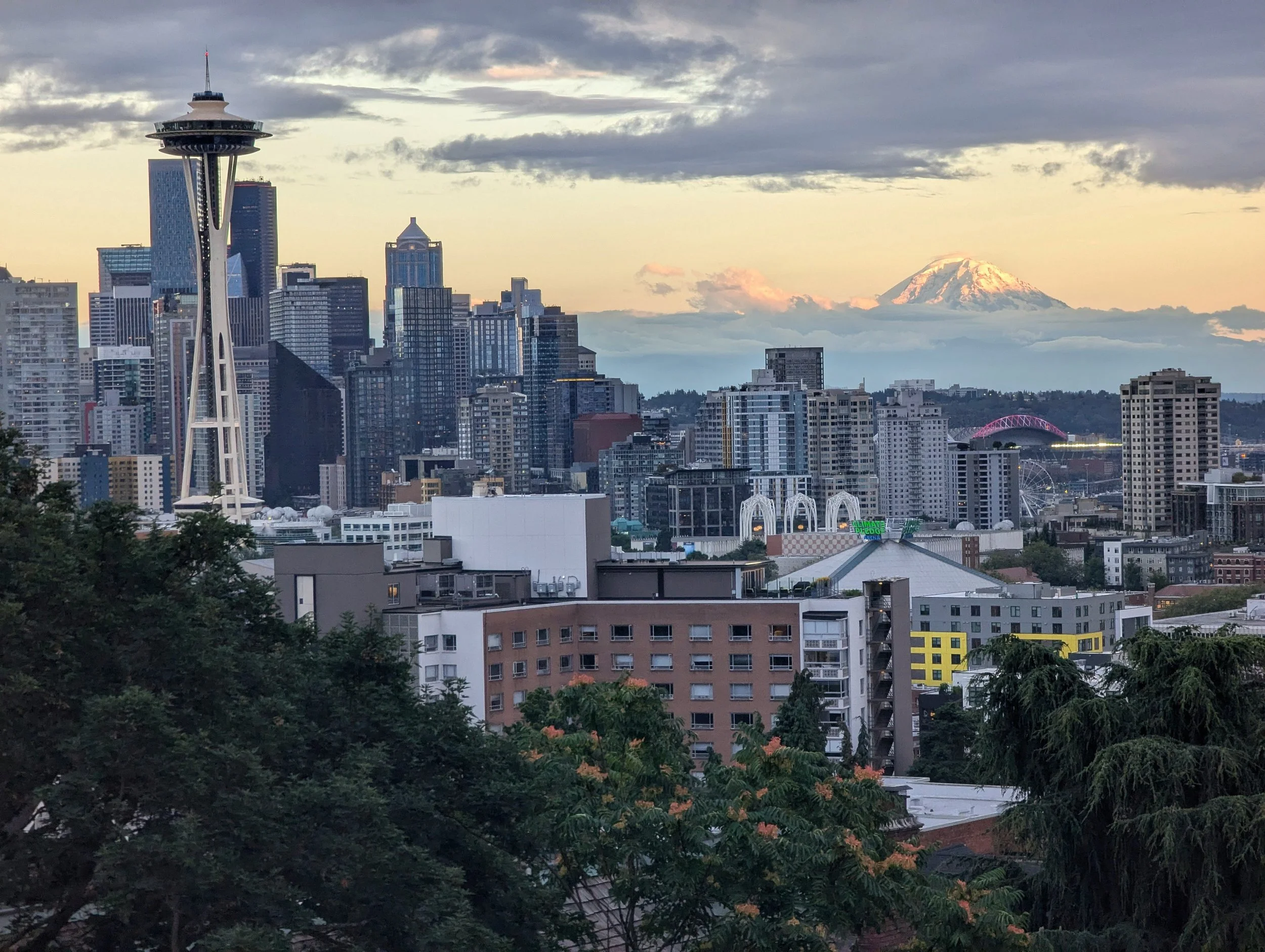
Book timed tickets for the Space Needle and go in the morning, when the air is usually clearest. On a good day you'll see Mount Rainier floating way off to the south, and the Olympic Mountains across the water to the west. The Needle was built for the 1962 World's Fair, and the rotating glass floor on the observation level is worth the ride on its own.
The rest of Seattle Center is right there. The glass sculpture garden next door is a must for anyone who appreciates color, and the Museum of Pop Culture is a fun detour if you've got a music or film nerd in the group. Then head up to Kerry Park on Queen Anne Hill for the classic skyline shot. If you've got energy left, the Ballard Locks are a nice late-afternoon stop, especially in summer and early fall when salmon use the fish ladder.
Spend a second night in Seattle. You'll need to be rested for the next stretch.
Olympic Peninsula and Olympic National Park
Day 3: Seattle to Port Angeles by Ferry
After breakfast, drive onto the Seattle to Bainbridge Island ferry. The crossing takes about 35 minutes and it's honestly one of the best-value views in the Northwest. This route doesn't take vehicle reservations, so get to the terminal early on summer weekends. From Bainbridge, the drive to Port Angeles runs roughly an hour and a half, across the Hood Canal Bridge and along the north edge of the Olympic Peninsula.
Your first stop in Port Angeles should be the Olympic National Park Visitor Center. Rangers can tell you what's open, which roads have closures, and whether a trail you've got your eye on is buried in snow. That kind of up-to-the-minute information matters here more than almost anywhere else in the state. If the weather cooperates, drive the winding road up to Hurricane Ridge for a late-day look at the jagged peaks. Road access up there depends on weather and season, so check before you commit.
Tonight, stay at a lodge on or near Lake Crescent if you can get a room. It puts you minutes from tomorrow's first hike and saves a long morning drive.
Day 4: Lake Crescent, Marymere Falls, and the Hoh Rain Forest
Start with Marymere Falls. It's a short hike of about 1.8 miles round trip, mostly flat, winding through old-growth forest to a 90-foot waterfall. Go early and you'll often have it nearly to yourself. Lake Crescent itself is glacially carved and absurdly clear, so if you've got time, a kayak paddle on the glassy morning water is worth the detour.
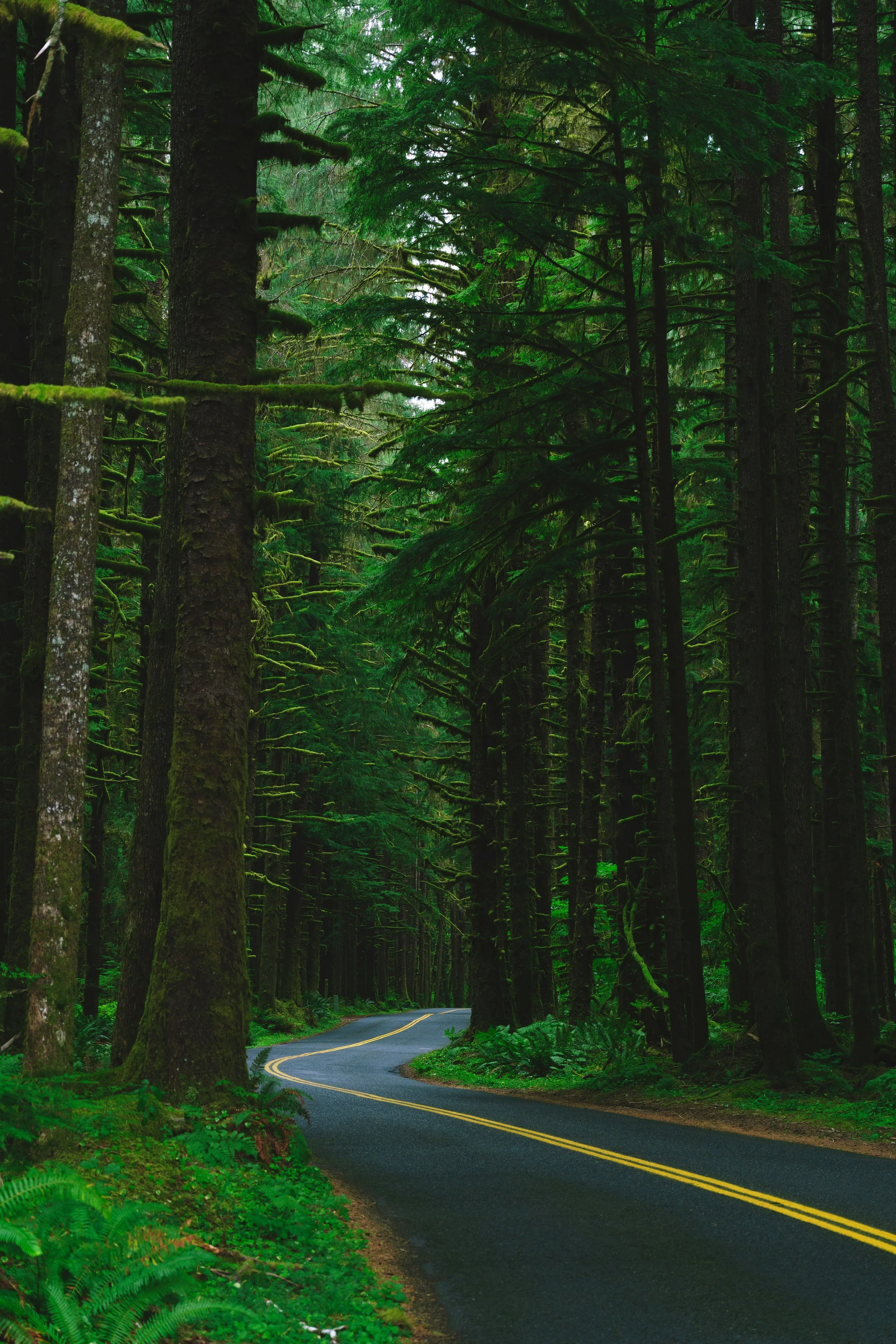
From there it's roughly two hours to the Hoh Rain Forest, driving through Forks and then up the long Upper Hoh Road. This is a true temperate rainforest, one of the largest in the country, and it can see more than twelve feet of rain in a year. I like spending the afternoon here, because the light filtering through the moss-draped maples feels different as the day wears on. Stop at the Hoh visitor center, then walk the Hall of Mosses (under a mile) and the Spruce Nature Trail (a bit over a mile). Both are easy. Pack a rain layer even in July.
Overnight at a lodge near the coast, either around Forks or down toward Kalaloch. Options out here are limited and book up early, so this is one to lock in well ahead of time.
Day 5: Ruby Beach and the Drive to Mount Rainier
Spend the morning at Ruby Beach, where sea stacks rise out of the surf and giant driftwood logs are piled along the sand. Check the tide table before you go. Low tide opens up the tide pools and makes for much better walking. Olympic National Park protects around seventy miles of wild coastline, and this is the easiest stretch to reach.
Leave by late morning, because you're in for a long one. The drive from the coast to Ashford, just outside the Mount Rainier gates, runs about four and a half hours, mostly via Olympia. Break it up with lunch in the state capital. It's the least glamorous day of the route, I'll admit, but it gets you from the Pacific to the Cascades without doubling back through Seattle. Stay at a lodge in Ashford or inside the park itself.
Mount Rainier National Park
Day 6: Paradise, Skyline Trail, and Myrtle Falls
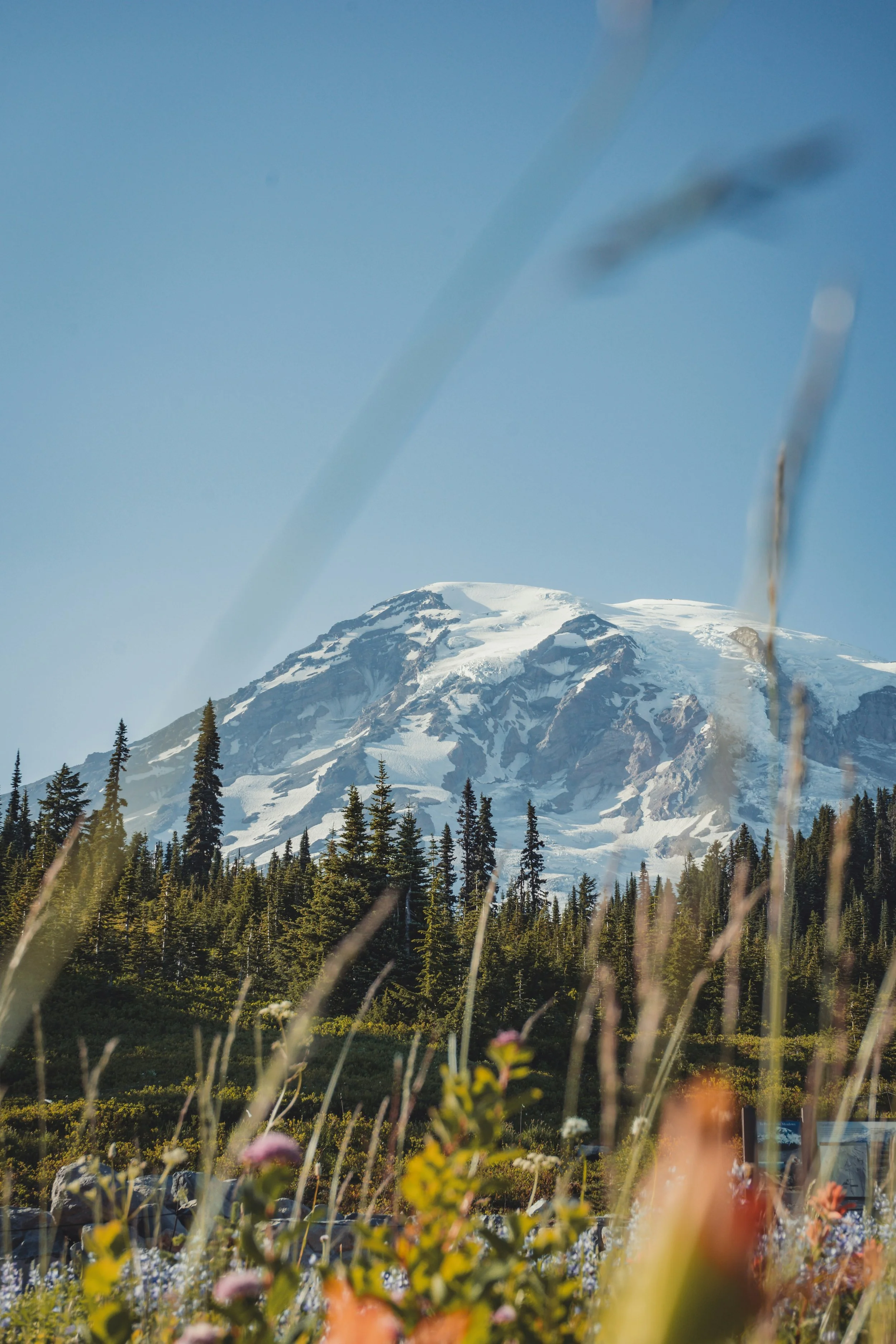
Rainier tops out at 14,410 feet and is the most heavily glaciated peak in the lower 48. Paradise, on the south slope, is where most visitors head, and for good reason. Get there early. Parking fills by mid-morning in summer, and the park has tested timed-entry reservations in recent summers, so check the National Park Service website for current rules before you go. The Henry M. Jackson Memorial Visitor Center at Paradise has exhibits, a cafe, and rangers who can read you the trail conditions.
Start with Myrtle Falls. It's a short hike, under a mile round trip, to a small waterfall with Rainier looming right behind it. That's the photo you've seen on every postcard. If you want a bigger day, the Skyline Trail is the one to take. It's a loop of about 5.5 miles with roughly 1,700 feet of climbing, and it passes Panorama Point with views over the glaciers. Snow can linger on the upper sections into July, so don't assume the whole thing is clear. Wildflower season usually peaks from late July through August, when the meadows turn into a wall of color.
Not up for a big hike? Spend the afternoon driving up to Reflection Lakes and strolling a few of the shorter hiking trails near Paradise instead. You'll still get the views. Stay near Ashford again tonight.
Day 7: Waterfalls on the Way Out and a Reset in Seattle
Take your time this morning. Stop at the roadside waterfalls on the way down from Paradise, including Narada Falls and Christine Falls, both of which need only a few minutes on foot. Neither is a hike, just good stretch-your-legs stops with big payoffs.
From there it's about two and a half hours back into Seattle. I like building in this reset night. You can do laundry, grab a really good dinner, and sleep in a real bed before the next push. Stay at a different Seattle hotel if you want to see another neighborhood.
North Cascades National Park and the Methow Valley
Day 8: Seattle to Newhalem, Diablo Lake, and the Methow Valley
Fair warning, this is a big driving day, but it's a spectacular one. Head north on I-5 and then east on Highway 20, following the Skagit River up into the mountains. It's roughly two and three-quarter hours from Seattle to Newhalem. Here's the thing to know about North Cascades National Park: the highway doesn't enter the park itself. It runs through Ross Lake National Recreation Area, which sits between the park's north and south units, and both are part of the North Cascades National Park Service Complex. So you get the scenery without a gate and without a big crowd.
Stop at the North Cascades Visitor Center in Newhalem. It's open seasonally, usually late spring through early fall, and the staff will point you toward the best short hike for your energy level. Ladder Creek Falls and the Trail of the Cedars are both easy walks right nearby. Further east, the Diablo Lake Overlook is the showstopper. The lake glows a surreal turquoise because of fine rock flour from the glaciers, and the color changes with the light.
Keep climbing over Rainy Pass and Washington Pass, stopping at the Washington Pass Overlook for a quick walk to a viewpoint over the jagged peaks. Then descend to the Methow Valley, where you'll stay in Mazama or Winthrop. Look for a ranch-style luxury lodge with a good restaurant. After a day like this, you'll want one.
One big note on timing: Highway 20 closes for the winter, usually from late fall until spring, and the reopening date shifts from year to year. Check the state transportation department before you lock in dates.
Day 9: Maple Pass and the Drive to Anacortes
Maple Pass is the best day hike in this part of the state. It's a loop of about 7.2 miles with roughly 2,000 feet of elevation gain, passing a glacial lake and then a ridgeline with views in every direction. As a pass trail it's about as rewarding as they come, and the trailhead sits at Rainy Pass, about 25 minutes from Mazama. Technically, it's in the surrounding national forest rather than the national park, but it's part of the same highway corridor and the same landscape. Plan on four to five hours with photo stops. In early October, the larch trees in this area turn gold, which is a whole separate reason to visit.
If a big loop isn't your speed, Rainy Lake is a paved, easy walk of under two miles round trip, and it still gets you a mountain lake and a waterfall view.
Afterward, drive west to the Skagit Valley, about three hours from the trailhead. Overnight in La Conner or Anacortes so you're set for the morning ferry. La Conner is a charming little waterfront town with good dining, and it's about a 25 minute drive from the ferry terminal.
San Juan Islands
Day 10: Ferry to Friday Harbor
Catch a morning Washington State Ferries sailing from Anacortes to Friday Harbor, on San Juan Island. The crossing takes about an hour and a half, depending on how many islands the boat stops at along the way. Reserve vehicle space as early as you can. In summer, this route sells out, and showing up without a reservation can mean a very long wait.
Once you're in Friday Harbor, the pace changes. It's a compact little harbor town with galleries, seafood spots, and The Whale Museum, which is a good primer before you head out on the water tomorrow. Spend a relaxed afternoon strolling the waterfront and grab dinner somewhere with a view of the marina. Stay in town, or at one of the island's waterfront resorts if you'd like a quieter setting.
Day 11: Whale Watching and San Juan Island's West Side
Book a morning whale-watching cruise out of Friday Harbor. Sightings of orcas, minke whales, porpoises, and bald eagles are common, though wildlife is wildlife and nothing is guaranteed. Transient orcas are often spotted here in summer, and a good naturalist on board makes a huge difference.
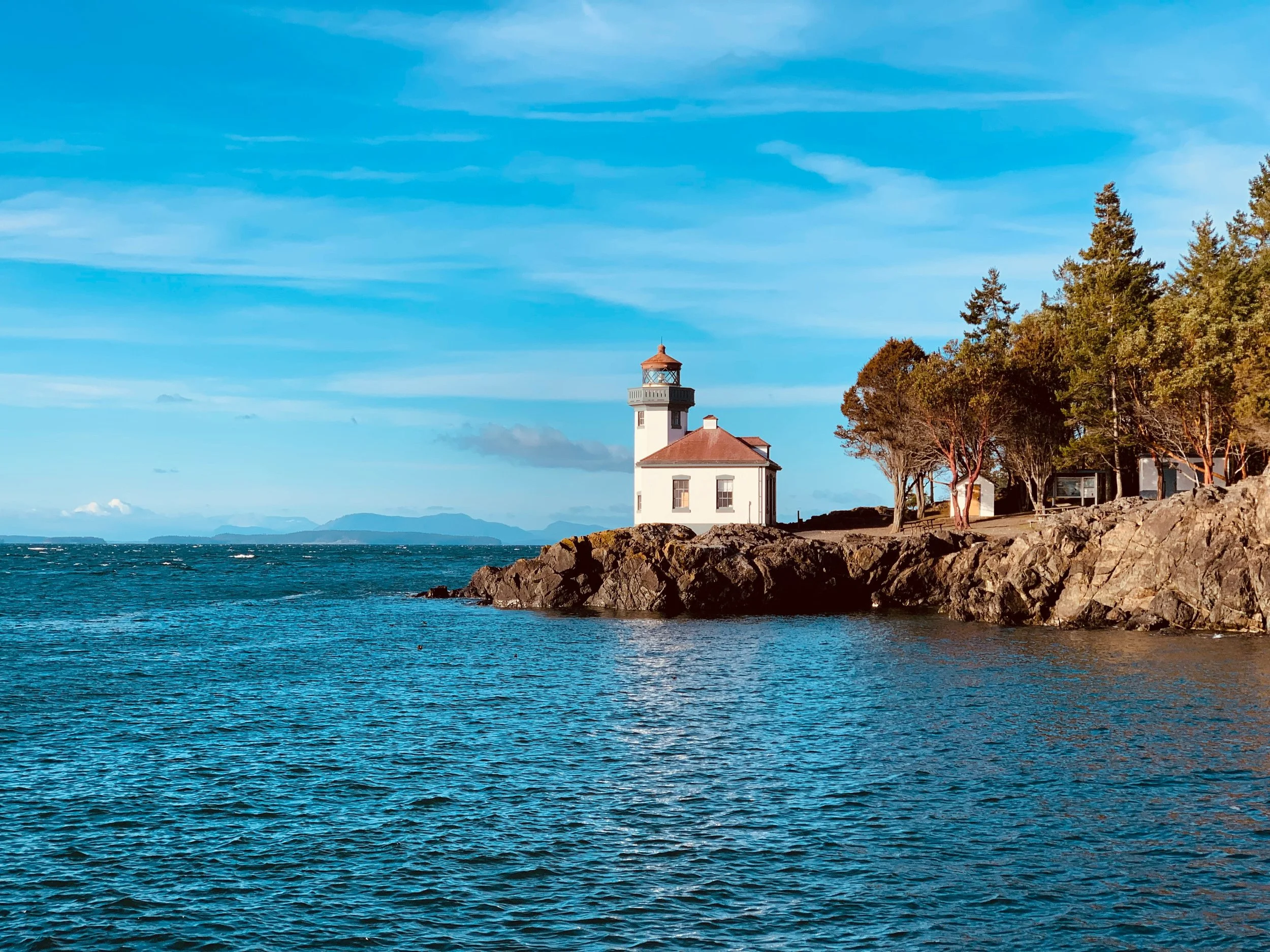
In the afternoon, drive out to Lime Kiln Point State Park, a lighthouse on the island's west side that's one of the best land-based whale-watching spots anywhere. Bring a picnic and settle in. If you're a history person, the English Camp and American Camp units of San Juan Island National Historical Park tell the story of the Pig War, a bizarre 1859 standoff between the US and Britain that started with a dead pig. It's one of the more unusual national parks in the country, and it rarely gets the attention it deserves. Finish at Roche Harbor, on the island's northwest side, for dinner by the water.
Day 12: Orcas Island and Moran State Park
Hop the inter-island ferry from Friday Harbor to Orcas Island, a ride of about 45 minutes. Orcas is the largest of the San Juan Islands and has a very different feel, more forested and more rugged. Head straight to Moran State Park and drive up Mount Constitution, which at 2,409 feet is the highest point in the islands. The stone observation tower at the summit, built in the 1930s, gives you a panorama that stretches to the Cascades and, on a clear day, all the way to Mount Rainier.
Back down the mountain, Cascade Lake and Cascade Falls make a nice short hike if you want to stretch your legs. Then roll into Eastsound for dinner. It's a small village with farm-driven restaurants and a lot of local character. Stay overnight on the island, ideally at a luxury resort or a boutique inn with a water view.
Day 13: Back to the Mainland and Home
Take a morning ferry from Orcas to Anacortes, which runs about an hour. From there, Sea-Tac is roughly an hour and 45 minutes to two hours south, longer if I-5 is behaving badly, and it often is. Book an afternoon or evening flight if you can. Cutting it close on the last day of a thirteen-day trip is a bad way to end it.
Planning Your Washington State Road Trip
How Many Days Do You Need for a Washington State Road Trip
It depends entirely on how many regions you want to see, because the driving between them is what eats your time. Here's how it breaks down.
With three or four days, stick to the city. Spend two full days in Seattle, covering Pike Place Market, the Space Needle, the waterfront, and a few neighborhoods. Then add one day trip, either the ferry to Bainbridge Island for an easy wander or a long day out to Mount Rainier. You won't see the whole state, but you'll get a satisfying taste of it, and you won't spend the trip in the car.
With a week, you can build a national parks trip. Spend one night in Seattle, two on the Olympic Peninsula, two near Mount Rainier, and finish with a night or two in the North Cascades. It works, but you'll be driving three to four hours on several days. If that sounds like a lot, drop the North Cascades and give Olympic and Rainier more breathing room. Seven days is plenty if you cut one park.
With ten to fourteen days, you can add the San Juan Islands, and that's where the trip really opens up. The islands deserve at least three nights. You need a day to get there and settle in, a day for whale watching, and a day to explore a second island. Squeeze them into one night and you'll have spent a whole day just on ferries. The thirteen-day route above is what I'd call the sweet spot for first-time visitors who want it all.
How To Plan A Trip To Washington State
Pick Your Season First
Everything else follows from the calendar. July through September is the best window for the high country, with trails mostly clear and roads open. June and September can be lovely and quieter, though early June trails may still hold snow. October trades crowds for fall color, especially the larches near Washington Pass, but Highway 20 can close early if a storm arrives. Winter works for a Seattle-and-islands trip, but the mountain highways and parts of the parks close or get limited. One more thing worth knowing: wildfire smoke can settle over parts of the state in August and September, so stay flexible about which regions you hit first.
Reserve Ferries Before You Finalize Anything Else
The Anacortes to San Juan Islands route is where reservations matter most, and summer sailings fill quickly. Once your dates are set, lock in a vehicle spot. Other routes, including Seattle to Bainbridge Island, don't take reservations, so there you just need to arrive early. Ferry timing can also dictate where you stay the night before, which is why I build the lodging and ferry schedule together instead of one after the other.
Plan Around Drive Times, Not Mileage
A hundred miles in Washington State doesn't mean what it means on a flat interstate. Two-lane mountain roads, ferry waits, and summer traffic around Seattle can double what the map suggests. Look at actual drive times, add a buffer, and don't schedule a big hike after a four-hour drive unless you enjoy being tired.
Check Park Access and Entry Rules
Each national park has its own quirks. Mount Rainier has used timed-entry systems for some areas in summer. Hurricane Ridge access in Olympic depends on weather and the season. Certain roads and visitor facilities operate on seasonal schedules, and construction can shift things from year to year. Check each park's official page a few weeks before you go and again a few days out. An annual national parks pass is worth considering if you're visiting more than one.
Choose the Right Base for Each Region
Where you sleep changes how your days play out. In Seattle, stay close to the market and waterfront. On the Olympic Peninsula, Lake Crescent and the coast beat Port Angeles for convenience to the best trails. Near Rainier, Ashford puts you at the gate. In the Methow Valley, Mazama is closer to the mountain scenery than Winthrop. In the San Juans, Friday Harbor is the easiest base, while Orcas offers a quieter feel. Lodging inside parks and on the islands books up many months ahead, sometimes close to a year in peak summer.
Pack for Four Different Climates
You can go from damp coastal rainforest to alpine wind to warm, dry high desert in a single trip. Bring a real rain shell, layers you can add and shed, and sturdy shoes for wet or snowy trails. Sunscreen matters more than people think at Paradise and Washington Pass, where altitude amplifies the sun.
Match the Hiking Trails to Your Group
The state has hiking trails for every ability level, so be honest about yours. Marymere Falls, the Hall of Mosses, and Myrtle Falls are easy wins for almost anyone, including kids and grandparents. Skyline Trail and Maple Pass are full-day efforts that need decent fitness and good weather. If you're traveling with children and still sorting out where to go for a family vacation, this route can be adapted nicely: keep the short walks, swap the big loops for Rainy Lake and the paved paths at Paradise, and build in extra time on the islands.
Before You Go
This is the kind of trip where the small details decide whether it feels smooth or stressful. Which ferry you catch, where you sleep before a big hiking day, whether a highway has reopened, how early you get to a parking lot. None of it is hard once you know about it, but it adds up fast when you're working it out alone. That's the part my team handles for clients every week. If you'd like help turning this route into a trip that fits your dates, your pace, and your idea of a great hotel, we'd love to help. Booking through an advisor also tends to open doors with the right properties, which is a nice bonus on a state where the best places fill up early.