Picture the moment the clouds pull apart and a stone citadel appears on a ridge high above a river gorge. Or the first time you stand at the rim of a canyon so deep your brain refuses to believe it. Turquoise waters in a color no filter can fake. A glacier cracking somewhere out of sight. Sunset turning limestone cliffs the color of honey. That's the kind of scenery I'm talking about, the kind that stays with you long after the suitcases are unpacked.
I plan trips for a living, and the question I hear more than any other is some version of "where should we go that will actually blow us away?" The answer depends on who's asking, but a handful of places come up again and again, because they deliver. This list covers the most breathtaking places in the world across a real mix of types: natural wonders, iconic landmarks, tropical escapes, mountain destinations, and a few culturally significant places that hold their own against any landscape. Some are on every bucket list you've ever seen. A couple are less obvious. All of them offer breathtaking views that justify the flight.
Along the way I'll cover what makes each place special, what to expect when you get there, when to go for the most breathtaking version of it, and a few tips I'd pass along to a client. That timing piece matters more than most people realize. The same lake can look like a postcard in June and a gray puddle in November, so when you go is half the job of finding the most beautiful places in the world.
You'll notice the Taj Mahal isn't on here. It's one of the great wonders of the world and absolutely deserves a trip of its own, but it's a different kind of travel than the landscapes below. Machu Picchu is the one ancient wonder that made the cut, and honestly the mountains around it are half the story.
18 Most Breathtaking Places In The World
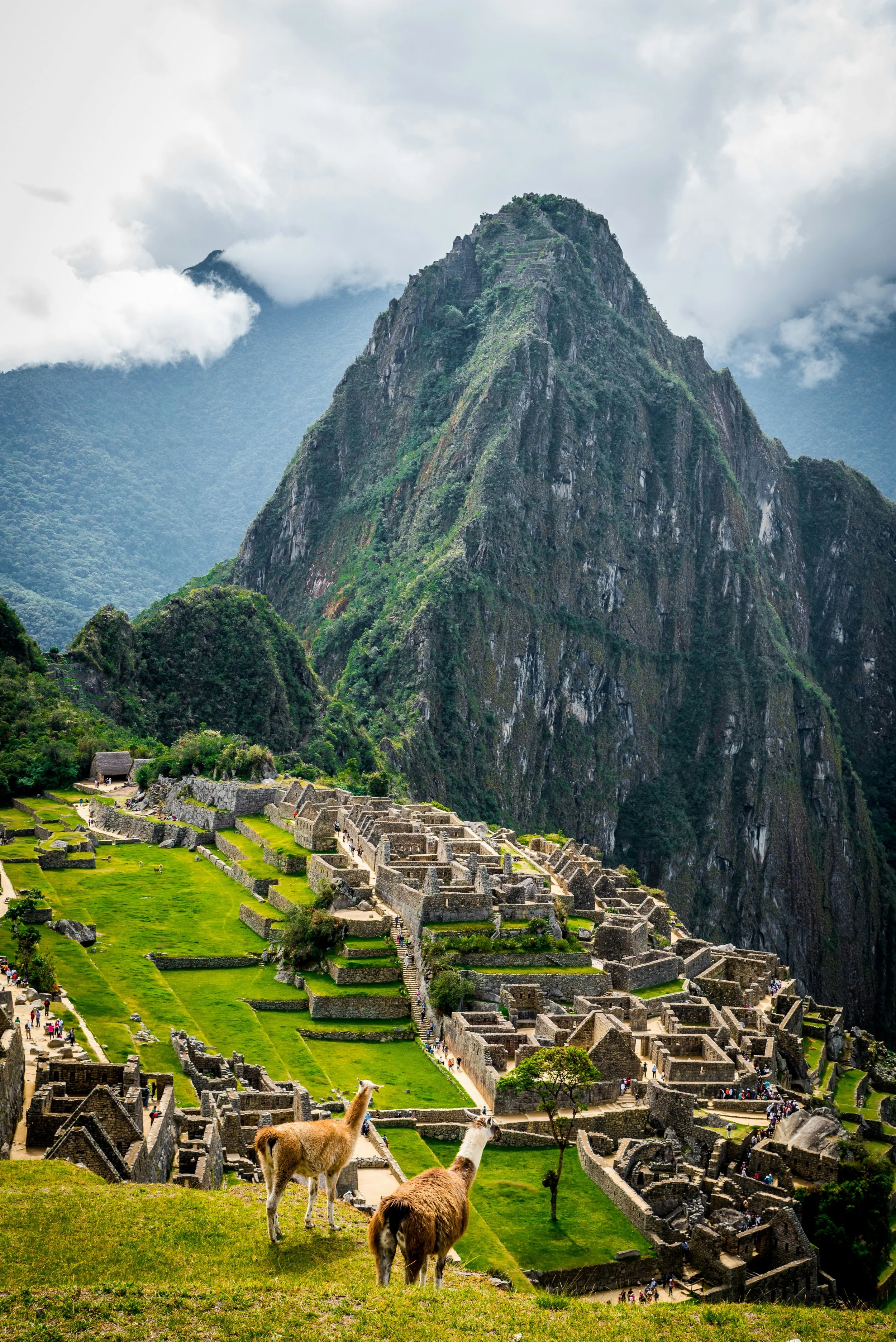
Machu Picchu, Peru
Perched on a ridge about 8,000 feet above sea level, with green mountain peaks dropping away on every side, Machu Picchu is one of those rare icons that looks even better in person. The Inca built it in the 1400s, and the stonework is precise enough that much of it has survived centuries of earthquakes. Clouds drift right through the ruins, terraces step down toward the Urubamba River, and the whole place feels like it's floating. It's a UNESCO World Heritage Site and one of the new wonders of the world, and it earns both titles.
Timing makes or breaks this one. The dry season, May through September, gives you the clearest views, while April and October sit in a nice middle ground with thinner crowds and decent odds of sun. The rainy months, roughly November through March, can wrap the site in cloud for days, and the classic Inca Trail closes every February for maintenance. That said, a misty morning with ruins appearing and disappearing is its own kind of magic, so don't write off the shoulder season.
Most people arrive by train from the Sacred Valley or Cusco, then take a short bus up from the town of Aguas Calientes. Entry is by timed ticket on set circuits, so you can't just wander in whenever you feel like it. Plan on two to three hours inside, longer if you add the climb up Huayna Picchu or Machu Picchu Mountain, which need their own tickets. You'll share the site with plenty of other people, which is exactly why I build the day around the earliest entry slots.
My best advice is to sleep in the Sacred Valley the night before, not in Cusco. It sits well below Cusco in elevation, so you acclimate more comfortably, and the train from there is one of the great scenic rail rides. Then book tickets and any trek permits the minute they open. Inca Trail permits are capped at 500 a day, guides and porters included, and they disappear months ahead.
Grand Canyon, Arizona
The Grand Canyon is 277 miles long, up to 18 miles wide, and more than a mile deep, and none of those numbers prepare you for the first look. You walk up to the rim and the ground just ends. Layer after layer of red, orange and cream rock drops toward the Colorado River, shifting color as the light moves. It's a UNESCO World Heritage Site, a national park, and easily one of the most beautiful places in the United States.
The South Rim is where most visitors go, with the easiest access, the most viewpoints, and services open year-round. The North Rim is higher, quieter and wilder, and its services run only from roughly mid-May to mid-October. Give the canyon at least two nights. You can see the main overlooks on foot and by shuttle along the Rim Trail, add a helicopter flight over the gorge, or raft a stretch of the Colorado for a view from the bottom looking up.
Spring and fall are when I like to send people, either April and May or September and October, when temperatures are comfortable and the air is clear. Summer is a different story. The crowds are thick and the inner canyon gets dangerously hot, so if July is your only window, stick to the rim and plan around early mornings. Winter dusts the rim in snow and thins the crowds to almost nothing, though some roads and trails close. Whatever the season, skip the sunset scrum at the busiest overlooks. Hopi Point is popular for a reason, but Desert View at the east end of the South Rim often gives you the same color with more elbow room. And if you have a few extra days, add a couple of nights in Sedona, where a hot air balloon at sunrise over the red rocks makes a great second act.
Santorini, Greece
Santorini is what's left of a volcano that blew itself apart roughly 3,600 years ago, leaving a flooded caldera ringed by tall cliffs. Whitewashed villages cling to the rim hundreds of feet above the water, blue-domed churches catch the light, and the Aegean spreads out in deep navy below. It's dramatic in a way few islands manage, and the sunset over the caldera has launched more than a few proposals. If you're comparing it to the most romantic places in the world, it sits near the top of my list.
Expect narrow stone lanes, cliffside terraces, and black and red volcanic beaches instead of white sand. The wines grown in the island's volcanic soil are better than most people expect. The island is small enough that you can cover Fira, Imerovigli and Oia in a day or two, and a boat day on the caldera, with a stop at the hot springs near the volcanic islet, is worth doing at least once.
Santorini punishes bad timing more than most places. July and August are hot and shoulder-to-shoulder, and a lot of hotels and restaurants shut down from roughly November through March. The window I trust runs from late April into early June, then again in September and October, when the sea is swimmable and the island can breathe. Wherever you land on the calendar, don't fight the crowds in Oia at sunset. Imerovigli has the same caldera views with a fraction of the people, and the cliff-top hike from Fira to Oia, about six miles, is best done early before the heat sets in.
Patagonia, Argentina and Chile
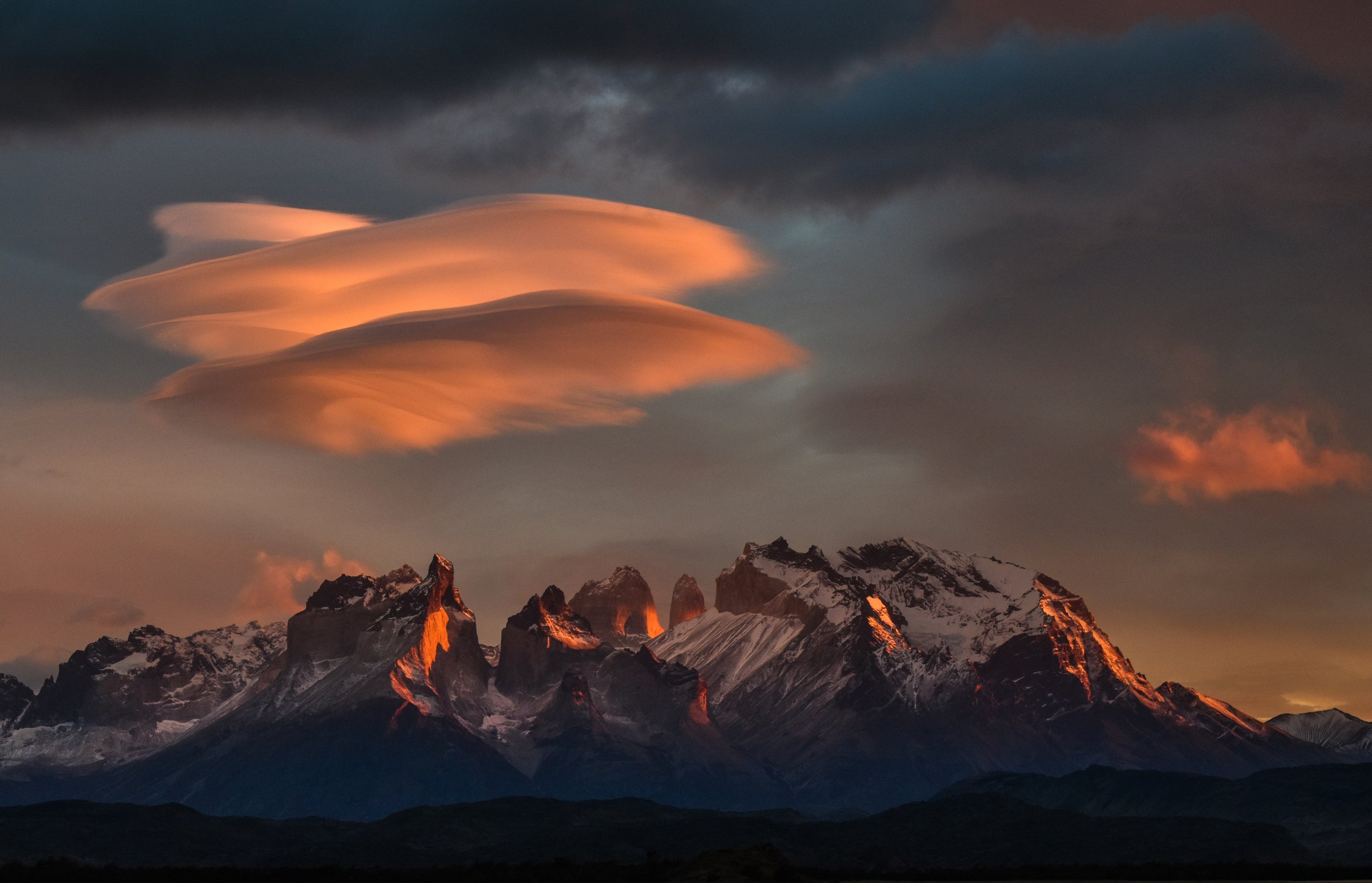
Patagonia rearranges your sense of scale. Granite spires jut thousands of feet above turquoise lakes, glaciers calve into icy water, and the wind hums across steppe that seems to run for days. On the Chilean side, Torres del Paine National Park has the famous granite towers. On the Argentine side, Los Glaciares National Park delivers the Perito Moreno Glacier and the jagged Fitz Roy massif near El Chaltén, both within easy reach of a good lodge.
You don't need to be a hardcore hiker, though it helps to like being outside. Luxury lodges in the region handle guided day hikes, horseback rides, boat trips to glacier faces, and long fireside dinners afterward. Distances are huge and the weather changes by the hour, so expect to dress for four seasons in a single afternoon. Crossing between Argentina and Chile adds border time, so I usually build the trip around one side or the other. If Argentina is on your radar, our 10-day Argentina itinerary is a good starting point for pairing it with other parts of the country.
The seasons run opposite to ours, so November through March is the austral summer, with the longest days and the easiest hiking. It's also when the wind is at its strongest and the trails at their busiest, especially December through February. I tend to steer clients toward the edges of the season, either late October and November as the landscape wakes up, or March and April, when the lenga forests turn gold and red.
Whenever you go, do Perito Moreno early. The walkways face the ice wall straight on, and mornings bring softer light and fewer tour buses. If you can swing it, add a boat ride so you see the glacier from water level, where the wall towers over you and chunks of ice crack off with a sound like thunder.
Iguazú Falls, Argentina and Brazil
Iguazú is roughly 275 individual waterfalls strung along nearly two miles of cliff edge, wrapped in subtropical rainforest on the border of Argentina and Brazil. It's a UNESCO World Heritage Site and a national park on both sides. The showstopper is the Devil's Throat, a U-shaped gorge where the river plunges around 270 feet into a cloud of mist. You feel it in your chest before you see it.
The Argentine side has a network of walkways that put you right on top of and below the waterfalls. The Brazilian side is where you go for the sweeping, panoramic views of the whole system. Wildlife is part of the show too, from coatis wandering the paths to toucans overhead and the occasional caiman in the river. Do both sides, ideally on separate days, and take the boat ride into the spray. You will get soaked and you will love it.
Water volume is the thing to watch here. The falls run strong from March through May and again from August through November, with more comfortable weather, while December through February is steamy but still impressive. Heavy rain can flood the walkways, so leave a spare day in the schedule. Once you're there, hit the Devil's Throat walkway the moment the Argentine park opens, before the tour groups arrive, and ask whether the full moon walks are running during your dates. Seeing the falls under moonlight is something most visitors never get to do.
Plitvice Lakes National Park, Croatia
Sixteen terraced lakes linked by dozens of waterfalls, with water that shifts between emerald, turquoise and deep blue depending on the minerals and the light. Plitvice is Croatia's oldest national park and a UNESCO World Heritage Site, and the crystal clear water is so still in places you can watch fish hover over the travertine below. Limestone cliffs rise around the upper lakes with beech and fir forest on top.
Wooden boardwalks wind over and between the lakes. You can hit the highlights in half a day, but a full day is better. An electric boat crosses the largest lake and a park shuttle helps with tired legs, so it's doable even if you aren't a big walker. Swimming isn't allowed, and the park limits entry in high season, so book tickets ahead. A good place to start sorting out the rest of the route is our Croatia honeymoon itinerary.
Spring and fall suit Plitvice best. April and May bring full waterfalls and fresh green, and late September into October adds fall color and quieter paths. July and August are hot and packed, and in winter the falls partly freeze, which is lovely, though some boardwalk sections may close. In any month, arrive right at opening or come in the late afternoon, once the day-trippers from Zagreb and the coast have cleared out. The light is softer then, too.
Lake Bled, Slovenia
A glacial lake the color of sea glass, a tiny island with a church and a bell you can ring for luck, a medieval castle perched on a cliff, and the Julian Alps standing behind all of it. Lake Bled looks like an illustration from a storybook, except it's real, and it's even better on a still morning when the mountain peaks reflect in the water.
I'm partial to September at Bled, when the water is still warm, the crowds have thinned, and the mornings are calm. Late May and June are nearly as good, with long days and green hillsides, and October adds fall color and drifting mist that photographers love. Summer is great for swimming but busy, and winter can be cold and foggy. For the postcard view, hike up to Mala Osojnica or Ojstrica, each roughly 20 to 30 minutes uphill. Go at sunrise and you'll often have it to yourself, with mist lifting off the lake.
Back down at the shore, the classic move is a ride on a pletna, a traditional wooden boat rowed by a boatman standing at the stern, out to the island. You can also walk the roughly four-mile loop around the water in a couple of hours, and you should try the local cream cake while you're there. Bled is small, so it works best as a two-night stop with Lake Bohinj and Vintgar Gorge close by. If you like places that fly under the radar, check out our list of underrated European destinations.
Amalfi Coast, Italy
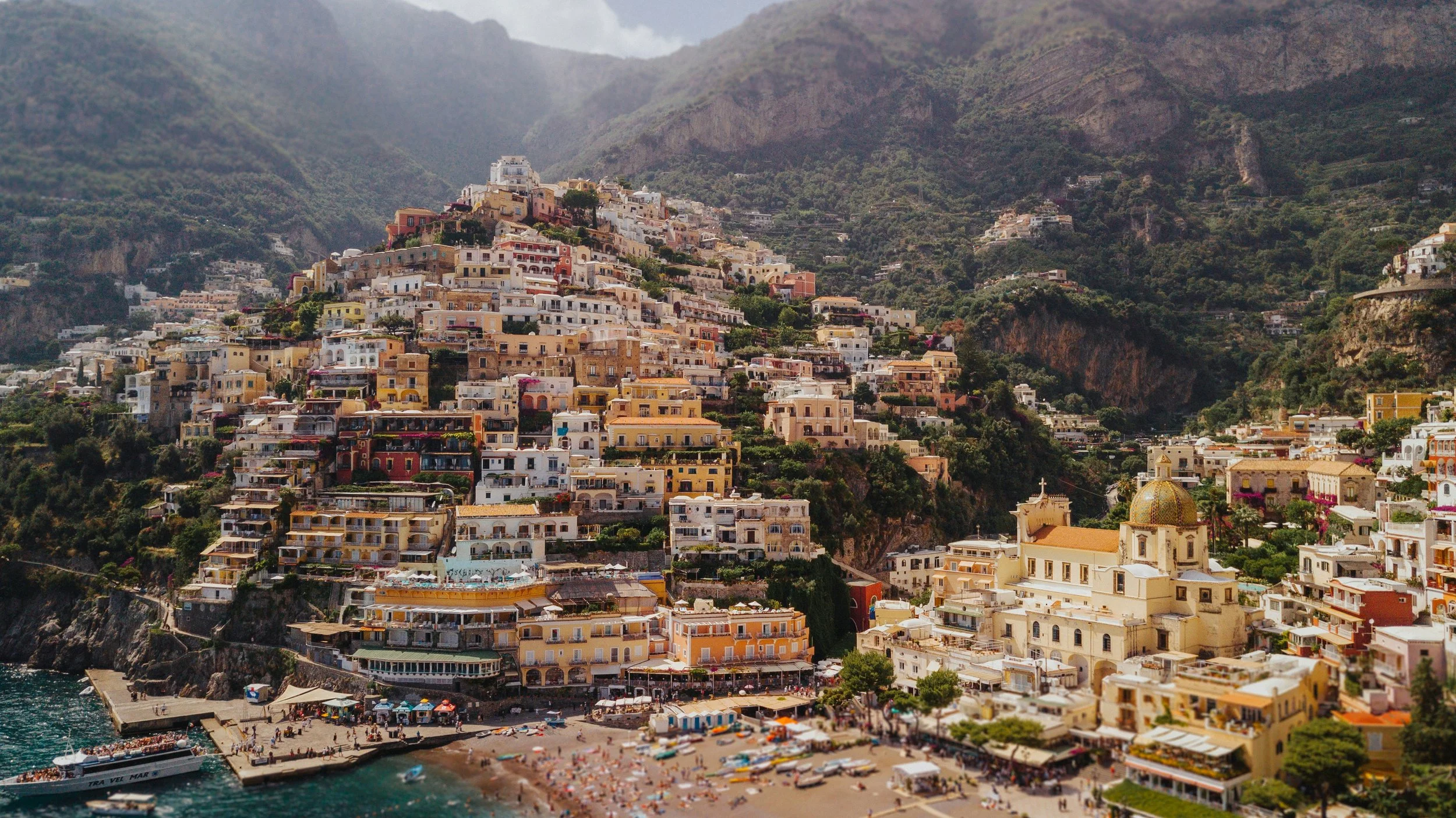
Pastel villages stacked up steep limestone cliffs, lemon terraces, and the Tyrrhenian Sea in about six shades of blue. The Amalfi Coast is a UNESCO World Heritage Site, and it manages to be both wildly dramatic and elegant at the same time. The road hairpins along the cliffs high above the water, and every turn opens onto another jaw dropping view.
Pick your month carefully. May, June, September and early October strike the balance of warm sea, running ferries and manageable crowds. Boat services run roughly April through October, and July and August are hot and jammed. Many hotels and restaurants close from about November through March, so a winter visit means a very quiet coast.
Positano is the postcard town, Amalfi has the cathedral and the history, and Ravello sits high above the sea with garden terraces and a slower pace. The coast road is narrow and slow, so I almost never put clients behind the wheel. A private driver or a boat is far more relaxing. Add a day on Capri, or walk the Path of the Gods, a high trail with panoramic views over the water. If you're still sorting out the bigger picture, our guide to planning a trip to Italy covers how to build the route.
If you do only one thing, spend a day on a boat. The villages look completely different from the water, and you can reach little coves and swimming spots that cars can't. Go in the morning, when the sea is calm and the day-trippers haven't arrived yet.
Banff and Lake Louise, Canada
Banff was Canada's first national park, and it's part of the Canadian Rockies UNESCO World Heritage Site. The setting is snow-capped mountain peaks, glaciers, and lakes in a shade of turquoise that looks edited. That color comes from fine rock flour ground up by the glaciers, which scatters blue-green light. Lake Louise is the star, with the Victoria Glacier at the far end, and nearby Moraine Lake might be even more dramatic.
Expect hiking, canoeing, gondola rides, hot springs, and the Icefields Parkway, one of the great scenic drives anywhere, running north toward Jasper past waterfalls, glaciers and wide valleys. Access to Moraine Lake is managed through shuttles and tours rather than private cars, so check current rules and book transport ahead. Banff town sits around 4,500 feet above sea level and Lake Louise is higher, so mornings are crisp even in summer.
If I could choose one week to be here, it would be the last one of September, when the larch trees turn gold for a short stretch and the summer crowds have thinned. The lakes themselves are brightest in July and August as glacier melt peaks, though that's also when the parking lots fill by early morning. Skiers and frozen-lake fans should aim for December through March. Whenever you visit, stay near Lake Louise for at least one night so you can be on the shore at sunrise, before the day-trippers arrive from Banff and Calgary. The lake looks like a different place at 6 a.m. than it does at 10.
The Maldives
The Maldives is a chain of about 1,200 coral islands spread across 26 atolls in the Indian Ocean, and it's the lowest-lying country on earth, averaging only around five feet above sea level. From a seaplane window the atolls look like jade rings dropped into the ocean. Up close, the turquoise waters and crystal clear water over white sand are every bit as good as the photos, and the coral reef lies right off the beach.
Most travelers stay at a private island resort, many with overwater villas, and arrive by seaplane or speedboat. House reef snorkeling is the main event, with reef sharks, rays, colorful fish and plenty of sea turtle sightings. Days are slow. Paddleboards, dolphin cruises, sandbank picnics, and sunset on the deck are about as strenuous as it gets.
The calendar here comes down to a simple tradeoff. December through April is the dry season, with sunny skies and calm seas. May through November brings the southwest monsoon, with more rain and wind, but also quieter resorts and better odds of seeing manta rays feed, especially in Baa Atoll. The thing that trips people up is transfers, which vary a lot by atoll. Seaplanes only fly in daylight, so a late arrival can mean a night in Malé before you reach your resort. I always check flight times and transfer type before booking anything, so there are no surprises.
Great Barrier Reef, Australia
The Great Barrier Reef is the largest coral reef system on earth, a UNESCO World Heritage Site stretching about 1,400 miles along the Queensland coast. It's made up of roughly 2,900 individual reefs and 900 islands, and it ranks among the great natural wonders of the world. Underwater it's packed with life: hundreds of coral types, more than 1,500 species of fish, giant clams, and sea turtle after sea turtle gliding past.
June through October is the dry season, with calmer, clearer water and comfortable temperatures, plus dwarf minke whales passing through in June and July. The warmer, humid months from November through May bring cyclone risk and stinger season, so you'll wear a protective suit in the water. The trade-off is turtle nesting and hatching, which runs roughly November through March.
Most visits start in Cairns or Port Douglas, with boat trips out to the reef for snorkeling or diving, or in the Whitsundays, where sailing and island stays are the draw. Reef days mean an early start and a full day on the water. A helicopter or seaplane flight shows off the swirling blues and the heart-shaped formations from above, which is one of my favorite parts of any Queensland trip.
Head to the outer reef rather than the inner reefs, where the coral and visibility are usually better. Choose an operator with strong environmental credentials too, since the reef has been through several bleaching events and the better companies actively support reef protection.
Milford Sound, New Zealand
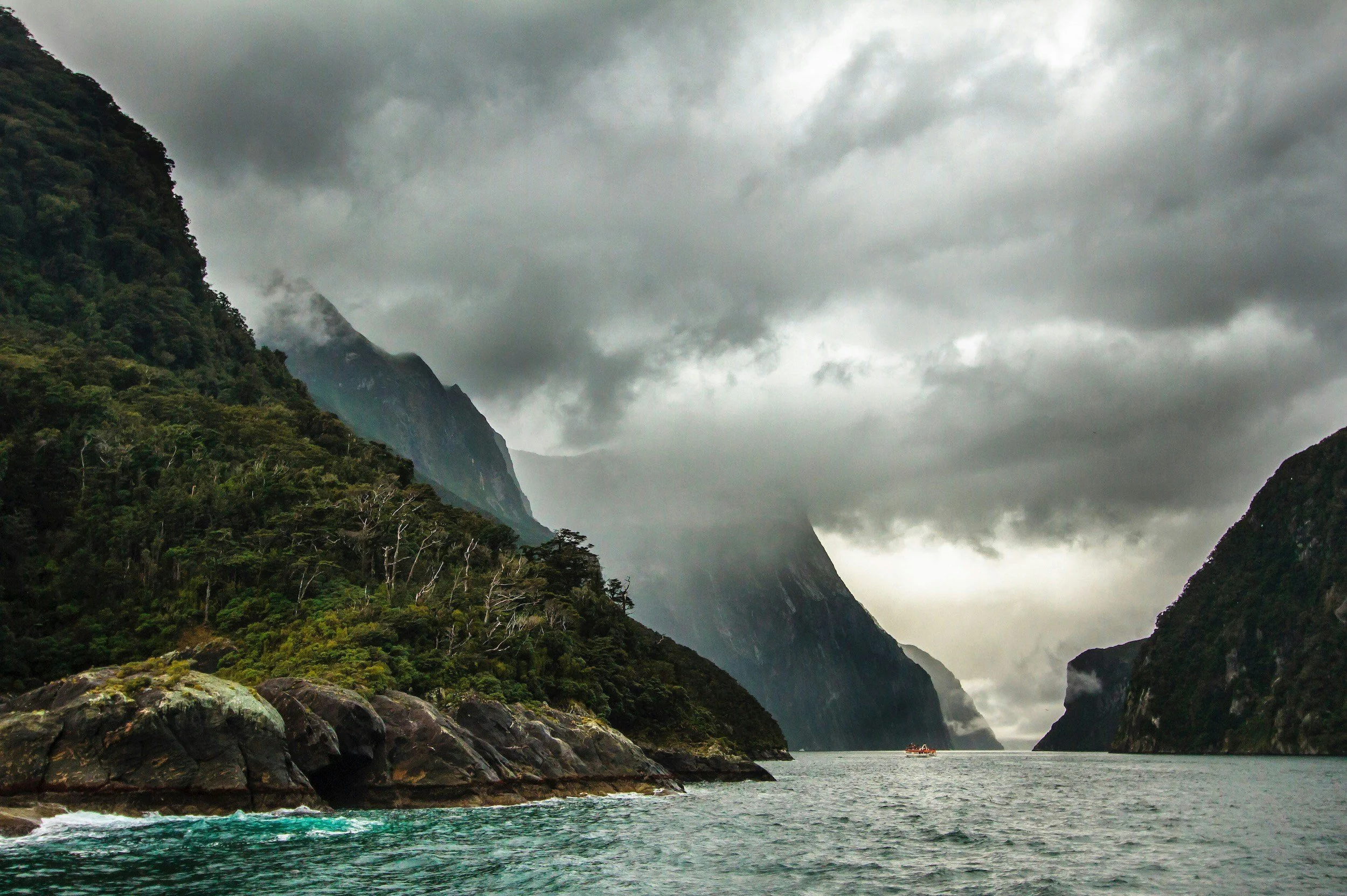
Milford Sound, known as Piopiotahi in Māori, is technically a fjord, carved by glaciers into Fiordland National Park. Mitre Peak climbs roughly 5,500 feet straight out of the water, waterfalls spill down sheer cliffs, and fur seals lounge on the rocks. The area is part of the Te Wāhipounamu UNESCO World Heritage Area, and the scale of it is hard to take in until you're floating at the bottom of it.
Most visitors take a cruise lasting about two hours, passing waterfalls, seals, and sometimes dolphins. Kayaking and overnight cruises are also options. The road in from Queenstown is a highlight on its own, with the Mirror Lakes, alpine valleys and a long tunnel. A scenic flight is a great alternative, and one of my favorite setups is flying one way and driving the other.
Rain is part of the deal here. Milford is one of the wettest places on earth, and a heavy downpour sends hundreds of temporary waterfalls streaming down the cliffs, so a rainy day is not a bad day. Summer, roughly December through February, is warmest, and the shoulder months of October, November, March and April are quieter. Winter brings snow on the peaks and crisp air, but avalanche risk can close the road. To dodge the midday tour-bus wave, book the earliest or latest cruise of the day. And if you want similar scenery with far fewer people, look at Doubtful Sound, also in Fiordland. It takes more effort to reach, which is exactly why it stays quiet.
Iceland's Glaciers and Northern Lights
Iceland packs a lot into an island roughly the size of Kentucky: glaciers covering about a tenth of the country, black sand beaches, steaming geothermal fields, and waterfalls like Skógafoss and Seljalandsfoss. The ice is the real showstopper. Vatnajökull is the largest ice cap in Europe by volume, and Jökulsárlón, its glacier lagoon, is full of floating blue icebergs that wash up on the black sand of Diamond Beach. And then there are the northern lights, rippling green across the sky.
Most trips follow the South Coast between Reykjavik and the glacier lagoon. Expect glacier hikes with crampons, super jeep or snowmobile outings, natural ice cave visits in winter, and soaking in geothermal pools. The Westfjords and East Fjords are wilder and quieter if you have extra time.
The aurora has a season, and it runs roughly late August through mid-April, with the best odds from September through March. Winter is also when the natural ice caves open, usually November through March. Summer brings the midnight sun, easier driving and the best hiking, but no aurora at all.
Don't count on a single night for the lights. You need dark, clear skies and a bit of luck, and luck needs time, so I recommend at least four to five nights, ideally at a remote lodge outside the city where light pollution isn't an issue. Check the aurora and cloud cover forecasts from the Icelandic Met Office each evening, and stay flexible enough to drive toward a clear sky.
Serengeti National Park, Tanzania
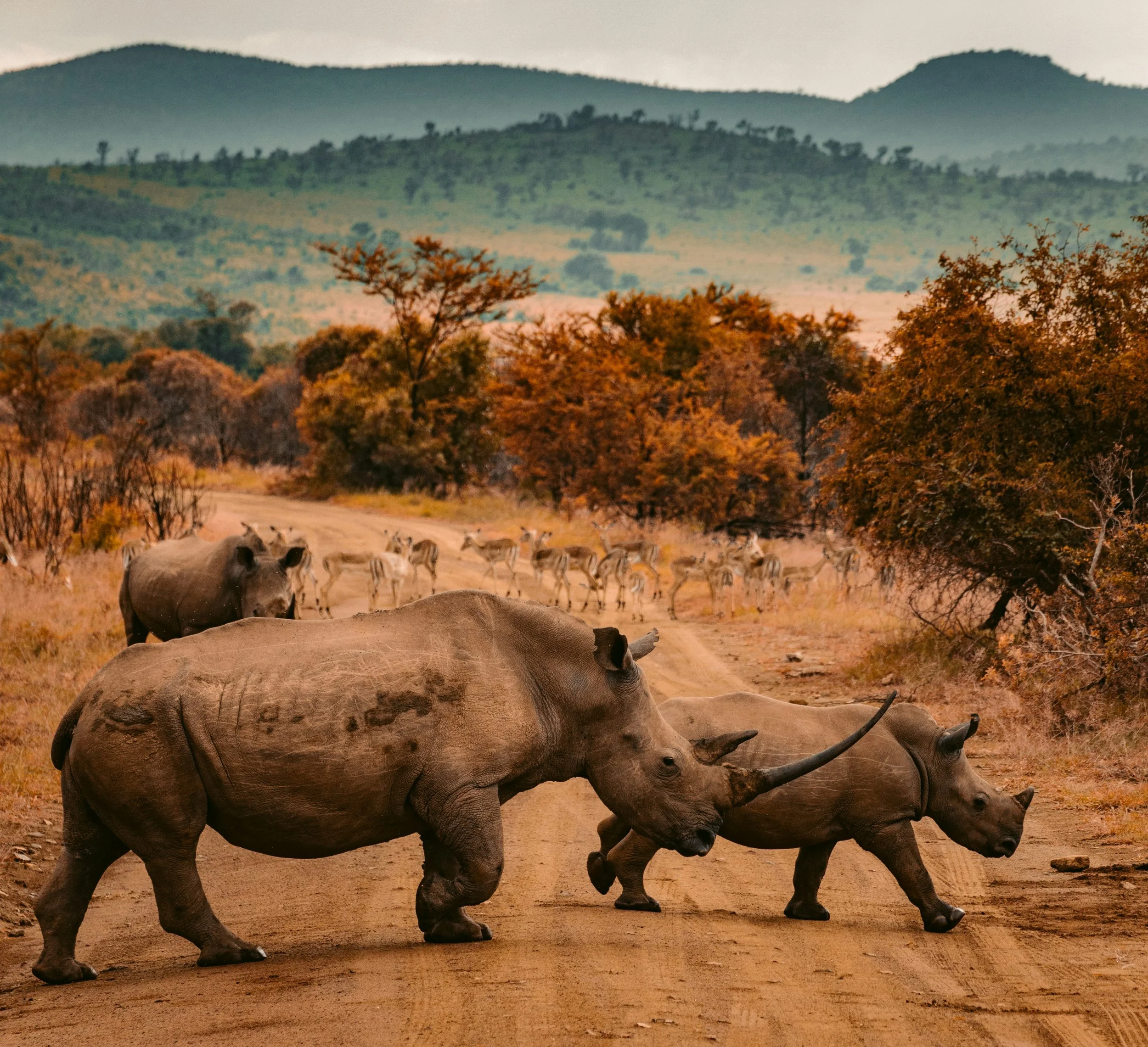
The Serengeti is a UNESCO World Heritage Site covering roughly 5,700 square miles of grassland and acacia savanna. It's home to the Great Migration, when around 1.5 million wildebeest, plus hundreds of thousands of zebras and gazelles, move in a huge loop following the rains. Add lions, leopards, elephants, cheetahs and giraffes, and it's one of the most jaw dropping wildlife spectacles on the planet.
A typical stay is three to five nights at a luxury tented camp or lodge, with game drives at sunrise and again in the late afternoon. A hot air balloon ride at dawn, drifting over the plains and ending with a champagne breakfast in the bush, is a once in a lifetime kind of morning. Many clients pair the Serengeti with the Ngorongoro Crater and finish with a few days on the beaches of Zanzibar.
The herds decide your itinerary, so choose your camp by season, not by the photos. June through October is the dry season and the strongest for general wildlife viewing, and the Mara River crossings in the northern Serengeti usually fall between July and October, though nobody can promise them. January through March is calving season in the southern plains, when predators are everywhere. April and May are wet, green and quiet. A camp in the wrong region at the wrong time can mean missing the main event, which is why I like mobile camps that relocate with the migration, plus short flights between camps to save hours of bumpy driving.
Victoria Falls, Zambia and Zimbabwe
Locals call it Mosi-oa-Tunya, "the smoke that thunders," and you can see the spray from miles away. At Victoria Falls, the Zambezi River drops roughly 350 feet into a narrow gorge across a front about a mile wide, making it the largest sheet of falling water on earth. It's a UNESCO World Heritage Site and one of the great natural wonders of the world.
The Zimbabwe side offers the best panoramic views, with trails running right across from the falls. The Zambia side gets you closer to the edge, with the Knife-Edge Bridge and Devil's Pool. Beyond the falls, there's a sunset cruise on the Zambezi, helicopter flights, white-water rafting below the gorge, and easy day trips into Chobe National Park in Botswana to see elephants by the hundreds.
What you see depends entirely on the water. Flow peaks around February through May, when the spray can be so thick you barely see the falls, though it's a thrill. June through August is the sweet spot for views and comfortable weather. When the river drops, roughly September through December, Devil's Pool opens and you can swim right at the edge of the drop. If that's on your list, reserve well ahead, because spots are limited and conditions dictate whether it's open at all. And whatever the month, give the falls two nights and book a helicopter flight. Fifteen minutes in the air shows you the scale in a way no walkway can.
The Matterhorn, Switzerland
At 14,692 feet, the Matterhorn is a near-perfect pyramid of rock, and few mountain peaks are as instantly recognizable. Zermatt, the car-free village at its base, sits about 5,250 feet above sea level, and the peak glows pink and gold at sunrise. You don't have to climb it to get a spectacular view. The Gornergrat cog railway carries you past 10,000 feet for panoramic views of the Matterhorn and a ring of glaciers and peaks, and the Matterhorn Glacier Paradise cable car goes higher still, to about 12,700 feet. Hiking trails, mountain huts serving lunch, and some of the best skiing in the Alps fill the rest of your days.
September is my favorite month here, with stable weather, thinner crowds and crisp morning air. Hiking season generally runs July through September, and the ski season stretches from roughly December through April. The famous reflection shot happens at Stellisee, or Riffelsee, on a calm morning, so ride up early before the wind picks up and ripples the water. If you want to build a bigger trip around Zermatt, the Glacier Express train from here to St. Moritz is a slow, scenic way to see more of the Alps.
Denali National Park, Alaska
Denali rises 20,310 feet, making it the tallest peak in North America, surrounded by about six million acres of tundra, forest and glaciers. Denali National Park is wild in a way very few places in the United States are. There's just one park road, and past a certain point private cars aren't allowed. Grizzlies, caribou, moose, Dall sheep and wolves roam open tundra in plain view.
Park buses run along the 92-mile road, and you can hop off and hike nearly anywhere. Clouds usually hide the mountain, and roughly one in three visitors gets a clear look, so treat it as a bonus. A flightseeing trip from Talkeetna can land you on a glacier at the foot of the mountain, and a handful of remote lodges deep inside the park put you in the middle of it. The Alaska Railroad's glass-domed cars from Anchorage make the journey itself a highlight.
The visitor season is short, running from late May to mid-September. June and July give you nearly endless daylight, along with mosquitoes. By late August and early September the tundra turns red and gold, the bugs fade, and the nights get dark enough for a first shot at northern lights. Book the park bus early and pick one of the earliest departures, since wildlife is usually more active in the morning. Then add a day or two in Kenai Fjords National Park near Seward, where glaciers calve into fjords and humpback whales are regular visitors.
Ring of Kerry, Ireland
A roughly 110-mile loop around the Iveragh Peninsula in County Kerry, where mountains tumble into the Atlantic, lakes are ringed with heather, and stone ringforts sit in fields full of sheep. The Ring of Kerry is part of the Wild Atlantic Way, with dramatic cliffs, sandy coves and villages with brightly painted pubs. Offshore, Skellig Michael, a UNESCO World Heritage Site with a ruined monastery on a rocky island about seven miles out, rises like something from a fantasy novel.
Start in Killarney, home to Killarney National Park, and loop through Kenmare, Sneem, Waterville and Portmagee. Plan stops at Ladies View, Torc Waterfall, the Gap of Dunloe and Valentia Island. You can drive it in a day, but I'd spread it over two or three nights at a country house hotel or castle stay, so you aren't racing from one viewpoint to the next.
May and June are the sweet spot, with long daylight and wildflowers, and September is calmer with fewer people. July and August fill the narrow roads with tour buses, so start early or head out after mid-afternoon, and consider hiring a driver-guide who knows the schedule. If Skellig Michael is on your wish list, landings run roughly mid-May through September, weather permitting, and spots are limited, so book early. For sunset, Coomakista Pass has views out toward the Skellig Islands and the open Atlantic, and if you have time, the Dingle Peninsula makes a quieter second loop.
How To Plan a Trip to the World's Most Breathtaking Places
Here's what I actually tell clients when we start mapping out a trip like this.
Timing: Most people fall in love with a place from photos taken during one specific month. Plitvice in October looks nothing like Plitvice in August. Patagonia in March is a different animal than Patagonia in January. Check the weather patterns, crowd levels and daylight hours first, then pick your dates. I also plan the day around light. The best moments at almost every place on this list happen at sunrise or sunset, so I schedule mornings and evenings for the view and leave the middle of the day for rest, a long lunch, or a pool.
Permits and tickets: Some of these places cap the number of visitors, and the good slots go early. Machu Picchu has timed tickets, and the Inca Trail permits can sell out months ahead. Skellig Michael landings, Denali park buses, shuttles to Moraine Lake, and the best Serengeti camps in migration season all fill well in advance. If a place on your list has any kind of limit, book it before you book anything else, then build the rest of the trip around it.
Combining destinations: A lot of these pair beautifully. Plitvice and Lake Bled sit in neighboring countries and fit one road trip. Iguazú Falls works with Buenos Aires or Rio. Victoria Falls plus Chobe gives you waterfalls and wildlife in one go. The Grand Canyon goes with Sedona and Page. The Serengeti ends well on Zanzibar. Banff connects to Jasper along the Icefields Parkway. The trick is distance. I look at transfer times honestly, because a bucket list trip that's half spent in airports isn't much fun.
Where to stay: The view from your room matters more at some places than others. In Santorini, being on the caldera side makes a big difference, and the same is true for lodges in Patagonia, Banff and the Serengeti. These are the rooms that go first, so the earlier you book, the better your options. In remote areas, the lodge is often part of the experience, with guides, meals and excursions built in.
Build in buffer: Weather rules a lot of these destinations. Flights into Milford Sound, boat landings on Skellig Michael, roads in Iceland, and wind in Patagonia can all change plans. I leave a spare day in the itinerary for anything weather-dependent, and I factor in altitude at places like Machu Picchu, Banff and Zermatt, so the first day isn't a headache.
Know where to splurge: Some of these places cost a lot because they're remote, like the Maldives, Patagonia and a Serengeti safari. Others, like Lake Bled, Plitvice and the Ring of Kerry, can be done at a gentler price point. I tell clients up front where the money has the biggest payoff, so they spend it on the experiences that matter most to them.
If you'd like help turning this list into a trip that works, we'd love to work with you. Head to our Inquire page and tell us where you're dreaming of going.
FAQ’s About The Most Breathtaking Places In The World
OK, So What Is the Most Breathtaking Place in the World?!
There's no single winner, because it depends on what moves you. The places clients talk about most when they get home are Patagonia for sheer scale, Machu Picchu for the mix of mountains and history, and the Serengeti for wildlife. If I had to pick one with the broadest appeal, I'd say Patagonia, since it delivers glaciers, mountain peaks and turquoise waters all in one trip.
What Is the Most Beautiful Place in the United States
The Grand Canyon is hard to beat for pure drama, and it's the one I'd send a first-timer to. If you want wilderness, Denali is the answer. Other standouts include Yosemite Valley, Glacier National Park in Montana, and the Nā Pali Coast in Kauai.
What Are the Most Breathtaking Natural Wonders
The Grand Canyon, Iguazú Falls, Victoria Falls, the Great Barrier Reef, and the northern lights over Iceland sit at the top of most lists. Milford Sound and the Patagonian glaciers aren't far behind. Each of them is the kind of place that changes how big the world feels.
When Is the Best Time To Visit the World's Most Beautiful Places
It varies, but a few rules hold up. Spring and fall are usually the best time to visit Europe and North America, with better weather and thinner crowds than summer. Tropical and safari destinations are best in the dry season. Remember that the Southern Hemisphere flips the calendar, so Patagonia and New Zealand peak in our winter months. Check each destination's timing above and book accordingly.