There’s a reason this island shows up on so many East Coast bucket lists. The ferry horn sounds, the boat swings around West Chop, and Vineyard Haven slides into view: white steeples, sailboats on their moorings, a line of passengers drifting toward the rail with their phones out. Or you're coming into Oak Bluffs, where the harbor opens onto a lively waterfront and the gingerbread cottages sit a few minutes' walk inland, painted in colors that look slightly fake until you're standing in front of them. That first view is hard to capture with words.
Here's the catch. The Vineyard is easy to love and surprisingly easy to plan badly. Ferries sell out. Car reservations disappear months ahead. The good rooms in July and August are usually gone before most people have picked a week. Show up on a summer Friday with nothing booked and you'll spend more of your trip in lines than on sand.
Planning complex trips for clients is what I do, so this guide leans into the logistics most posts skip: which ferry to book, which town fits which traveler, and how far ahead to lock things in. We'll cover where the island is, how to get there and get around, the six towns, the best time to visit, where to stay, what to do, the beaches, a day trip from Boston, how the Vineyard stacks up against Nantucket, and why it makes such a good honeymoon…phew…out of breath.
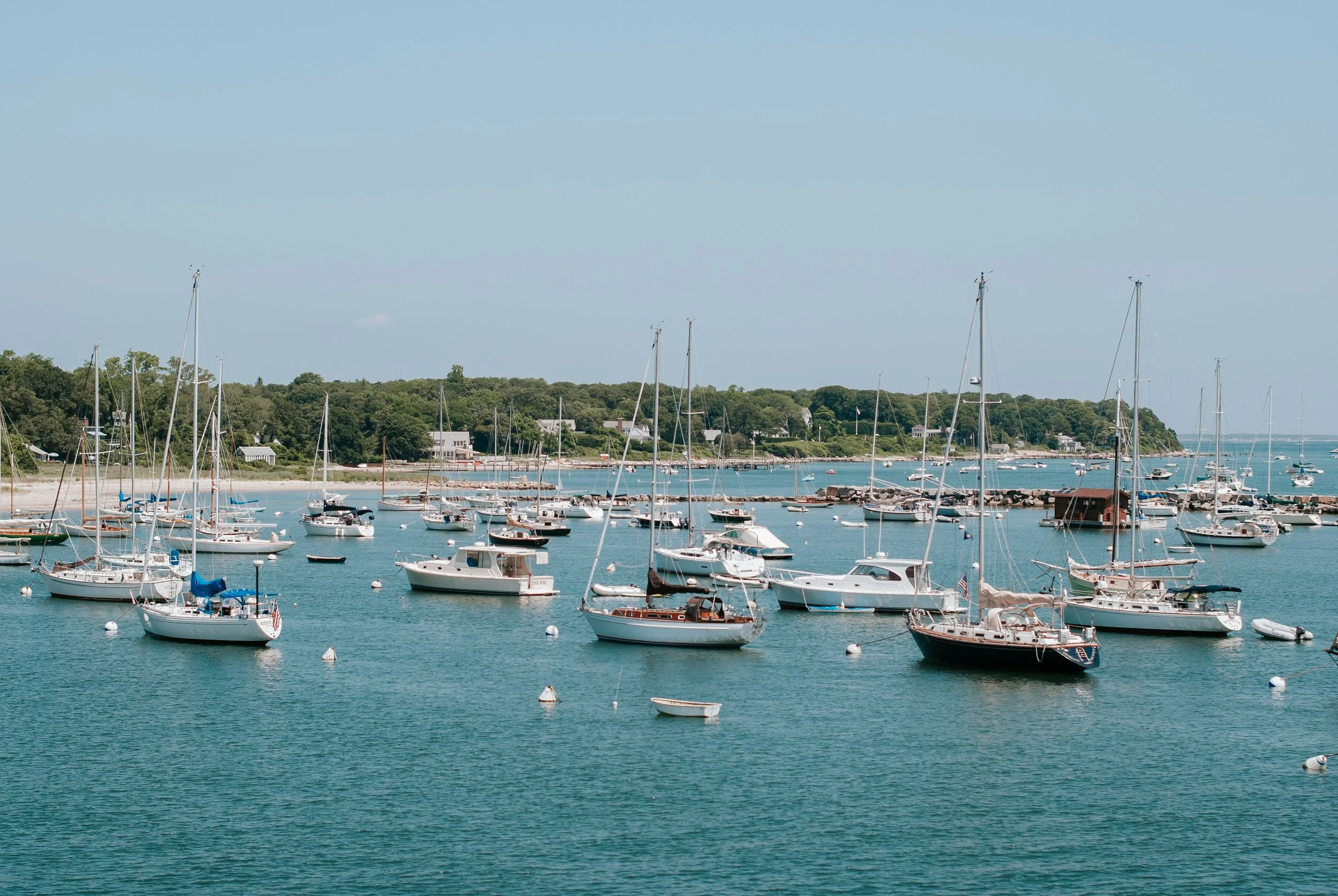
Martha's Vineyard Travel Guide: A Quick Look
Martha's Vineyard is an island just south of Cape Cod in Massachusetts. You reach it by ferry or by plane, and there's no third option. It has six towns with very different personalities, from lively harbor towns to farmland and fishing docks. Summer is peak season, which means ferries and lodging need to be booked early, sometimes many months early.
As for who it suits, I’d argue it’s for couples and honeymooners, friend groups, families who want easy beach days and beach people who like a little polish with their sand. Food lovers do well too, especially anyone who thinks the best dinner is seafood eaten on a dock. For a first visit, I recommend three to five nights. Anything shorter and a big slice of the trip goes to boats.
Where Is Martha's Vineyard?
Martha's Vineyard sits just south of Cape Cod, and it's one of the larger islands on the East Coast. It covers about 96 square miles and stretches roughly 20 miles from end to end. The Woods Hole ferry crosses the water between the Cape and the island in about 45 minutes, which is short enough to feel like a hop and long enough that you really do feel like you've left something behind.
The year-round population is around 20,000. In summer it swells past 200,000. That swing explains almost everything about the season: why restaurants fill up early, why parking turns into a sport, and why the island feels like a completely different place in October.
Why is it called Martha's Vineyard? Nobody has the full story nailed down, and historians still argue over the details. The version you'll hear most often credits the English explorer Bartholomew Gosnold, who came through in 1602 and named a small nearby island after his daughter Martha, plus the wild grapes growing there. The name later drifted over to the bigger island next door. Some accounts say the earliest form was Martin's Vineyard, possibly after someone in Gosnold's crew. The Wampanoag, who have lived here for thousands of years, call the island Noepe, usually translated as "land amid the streams."
How To Get To Martha's Vineyard
There's no bridge. Every visitor arrives by ferry or by plane, and only one ferry line carries cars. That single fact shapes the rest of the trip, so settle it early. Here are the options, starting with the one most people use.
The Steamship Authority Ferry From Woods Hole
The Steamship Authority is the workhorse. It runs year-round from Woods Hole on Cape Cod to Vineyard Haven, with seasonal service to Oak Bluffs, and the crossing takes about 45 minutes. It's the only ferry that takes vehicles, and in peak season those spaces have to be reserved well ahead. Vehicle reservations open in stages months before summer, with an early window in January, so if you're bringing a car for July or August, don't wait. Foot passengers can usually just show up, though summer weekend boats fill up and it's smart to check space on the day.
Two practical notes. There's no long-term parking at the island terminals, and the Woods Hole lots can fill on busy days, so check current parking status before you drive down. Also, match your arrival port to your lodging, since the Vineyard Haven and Oak Bluffs terminals are about three miles apart. The Woods Hole ferry works best for anyone bringing a car and for anyone who wants the most departure times to choose from.
The Island Queen Ferry From Falmouth
Seasonal and passengers only. The Island Queen runs from Falmouth Harbor to Oak Bluffs, roughly May through mid-October, and the ride is short, about 35 minutes. It's a good fit if you're staying in Falmouth or driving down from Boston and would rather park on the Cape and walk on. Bikes are welcome for an extra fee. Cars aren't. The operator has its own lots on the Falmouth side, so check the day's parking details when you book. This one suits day-trippers and couples who want a quick, easy crossing with no vehicle to worry about.
The Hy-Line Ferry From Hyannis
If you're based on the Cape, especially around Hyannis, this is the one to know. Hy-Line runs fast catamarans from Hyannis to Oak Bluffs, about an hour each way, seasonally from spring into fall. It's passengers only, reservations are smart in summer, and bikes and pets are allowed. Hy-Line also runs an inter-island boat between Oak Bluffs and Nantucket, which matters if you're thinking of seeing both. It works best for travelers already sleeping in the Hyannis or mid-Cape area who don't want to drive to Woods Hole.
The Ferry From New Bedford
This is the one people forget, and it's a favorite of mine for Boston-area travelers. SeaStreak runs a fast ferry from New Bedford that takes about an hour, and unlike most of the passenger boats it runs year-round. In the warm months it lands in Oak Bluffs, and in winter it shifts to Vineyard Haven. It's passengers only, with bikes and pets allowed. The big advantage is skipping Cape Cod traffic entirely. In season, a motor coach from Boston's South Station connects to the New Bedford terminal, which makes this a strong pick for anyone leaving Boston without a car.
The Vineyard Fast Ferry From Quonset Point, Rhode Island
Seasonal, passengers only, and aimed at a different crowd: travelers coming from Providence, Connecticut, or farther south. The catamaran leaves from Quonset Point in North Kingstown and lands in Oak Bluffs. Published crossing times run from about an hour and a quarter to an hour and a half depending on the sailing, so confirm with the operator, and service typically runs from around Memorial Day into mid-October. Shuttles connect to the Providence airport and the Kingston Amtrak station. If Rhode Island is your starting point, this saves you the whole drive up and over the Cape.
Flying Into Martha's Vineyard Airport
The airport sits in the middle of the island, roughly 15 to 20 minutes from Edgartown. Cape Air flies year-round from Boston and adds seasonal service from New Bedford, Hyannis, Nantucket, and Westchester County, New York. JetBlue, Delta, and American add seasonal flights from Boston, New York, and Washington, D.C., generally running late spring through early fall. Charter flights come in all year. Flying costs more than the ferry, and the small planes have luggage limits, but it turns a morning of logistics into a short hop. It suits couples on a tight schedule and anyone who'd rather skip the ferry dance altogether.
How To Get to Martha's Vineyard From Boston
This is the question I hear most, so here's how I walk clients through it. How to get to Martha's Vineyard from Boston comes down to three realistic routes.
Route one: the Woods Hole ferry. Drive or take a bus from Boston to the Cape. It's roughly an hour and a half without traffic, which on a summer Friday is a fantasy. Buses run from Boston toward Falmouth and Woods Hole, so check the ferry operator's site for the right connection. If you drive, park in one of the Woods Hole lots, ride the shuttle bus to the terminal, and board the Steamship Authority boat to Vineyard Haven or Oak Bluffs. Treat it as a half-day of travel, more in peak summer.
Route two: the New Bedford fast ferry. Take the seasonal coach from South Station, or drive about an hour, to the New Bedford terminal, then ride the ferry across in about an hour. No Cape bridges, no Cape traffic. This is where I point most car-free travelers leaving Boston.
Route three: fly. Cape Air runs year-round from Boston's Logan Airport, and JetBlue adds nonstop service in season. It's a short flight, and you land mid-island with no ferry terminal at all.
If you're landing at Logan first and heading for a boat, you have good options. The Silver Line connects the airport to South Station for the New Bedford coach. Plymouth and Brockton buses run from Logan to Hyannis, where it's a short ride to the Hy-Line dock. And if you'd rather keep it simple, connect straight to a Cape Air flight from the same airport.
How To Get to Martha's Vineyard From New York City
Four ways, and I'd rank them by how much you value your time. Flying is fastest, with JetBlue and Delta in season and Cape Air from Westchester County. SeaStreak also runs a seasonal fast ferry from the New York and New Jersey area, which is scenic and drops you right on the island, though it makes for a long day on the water, so confirm the schedule before you commit. Driving to Woods Hole takes about four to five hours depending on traffic, and you can reserve a car space on the Steamship Authority if you want wheels on the island. Or take the train to Providence or Kingston and shuttle to the Quonset ferry in season. Whichever you pick, build in a buffer for traffic, and don't book the last boat of the day.
Pairing the Island With a Few Days on the Cape
Plenty of clients combine the two. Start on the Cape, take the Hy-Line or the Woods Hole ferry over, and finish on the island. It breaks up the logistics and gives you a beach town before the bigger island. For ideas on the Cape side, take a look at our guide to planning a Cape Cod family vacation, then slide the Vineyard on at the end.
How To Get Around on Martha's Vineyard
Do you need a car? Usually not, but it’s not a detail to automatically skip. Bringing a vehicle means a Steamship Authority reservation that sells out in peak season, a fare that's meaningfully higher than a foot passenger's, and traffic and parking that can feel punishing in July and August. If you're staying in Edgartown, Oak Bluffs, or Vineyard Haven, you can handle most of the trip with buses, bikes, and your own two feet. Up-island, where the towns are spread out and the roads get narrower, wheels help more. Here's how each option works.
The VTA Island Bus
The Vineyard Transit Authority runs the Martha's Vineyard bus system year-round, with the fullest schedule from spring into early October. Routes connect Vineyard Haven, Oak Bluffs, and Edgartown, reach the airport, and run up-island to the other towns, including Aquinnah. There's even a seasonal sunset bus out to Menemsha. Recently the buses have been fare-free thanks to a state grant, and that's been extended, but check the current status for your dates, since passes and fares return if the funding doesn't. It suits couples and families who don't mind planning around a schedule, and it's one of the easiest ways to reach the Aquinnah Cliffs without a car.
Bikes and the Island Bike Paths
The Martha's Vineyard bike trails are easy to love, especially down-island. Paved paths link Vineyard Haven, Oak Bluffs, and Edgartown, run alongside Beach Road past the state beach, and reach out toward Katama. Bike shops cluster near the ferry docks, and several ferries let you bring your own bike for a fee. Rentals cost far less than a car. Up-island has hills and faster traffic, so be honest about your comfort level. This option suits active couples, families with older kids, and anyone staying in the busier east side of the island.
Rental Cars and Bringing Your Own Car
Rental cars exist, but the fleet is limited and summer inventory goes early, so book ahead if you want one. I usually suggest renting only for the days you're heading up-island. Bringing your own car means a Steamship Authority reservation, ideally made as soon as the window opens, and a plan for the other end, since the island terminals have no long-term parking. This suits travelers with lots of luggage, families with small kids and gear, and anyone staying up-island. For most other visitors, I'd skip it.
Taxis and Rideshares
Local taxi companies operate across the island, and Uber and Lyft run year-round. In summer demand spikes and wait times swing, and late rides home after dinner in Edgartown can take some patience. Fares add up fast on up-island trips, so I treat taxis as a supplement and not a plan. They work well for airport transfers, dinners, and the evening you don't feel like biking back after a long beach day. For up-island days, a pre-arranged driver is worth considering, and that's something an advisor can set up for you.
The On Time Ferry to Chappaquiddick
Chappaquiddick, or Chappy to everyone who knows it, sits just off Edgartown. The only ways across are the On Time ferry, a crossing of about three minutes that runs year-round, or a permitted four-wheel-drive vehicle over the sand. The boat holds only a handful of vehicles, so on busy days you'll wait. Pedestrians and bikes board easily. It suits bikers, hikers, and anyone who wants wide-open beaches and wildlife refuges in place of Main Street.
Here's how I advise clients: base the plan on the town. Staying in Edgartown, Oak Bluffs, or Vineyard Haven? Skip the car, lean on the bus and bikes, and add a driver or a one-day rental for the up-island run. Staying in Chilmark or West Tisbury? A car, or a driver for the whole stay, earns its keep.
Martha's Vineyard Towns
The island has six towns, and they split roughly in two. The down-island towns in the east, Edgartown, Oak Bluffs, and Vineyard Haven, are the busier ones, with the ferries, shops, and most of the restaurants. Up-island, in the west, you'll find West Tisbury, Chilmark, and Aquinnah: quieter, rural, and spread out. Picking the right town is probably the most important decision of the whole trip.
Edgartown
Polished and picture-perfect, with white-trimmed captains' houses, brick sidewalks, and window boxes somebody clearly takes seriously. It's the county seat, and the town also includes Chappaquiddick and the Katama area, home to South Beach. It suits couples, anniversary trips, and anyone who wants to walk to dinner. The one thing not to miss is a slow loop down Main Street and along the harbor to the Edgartown Lighthouse, ideally before the day-trippers arrive.
Oak Bluffs
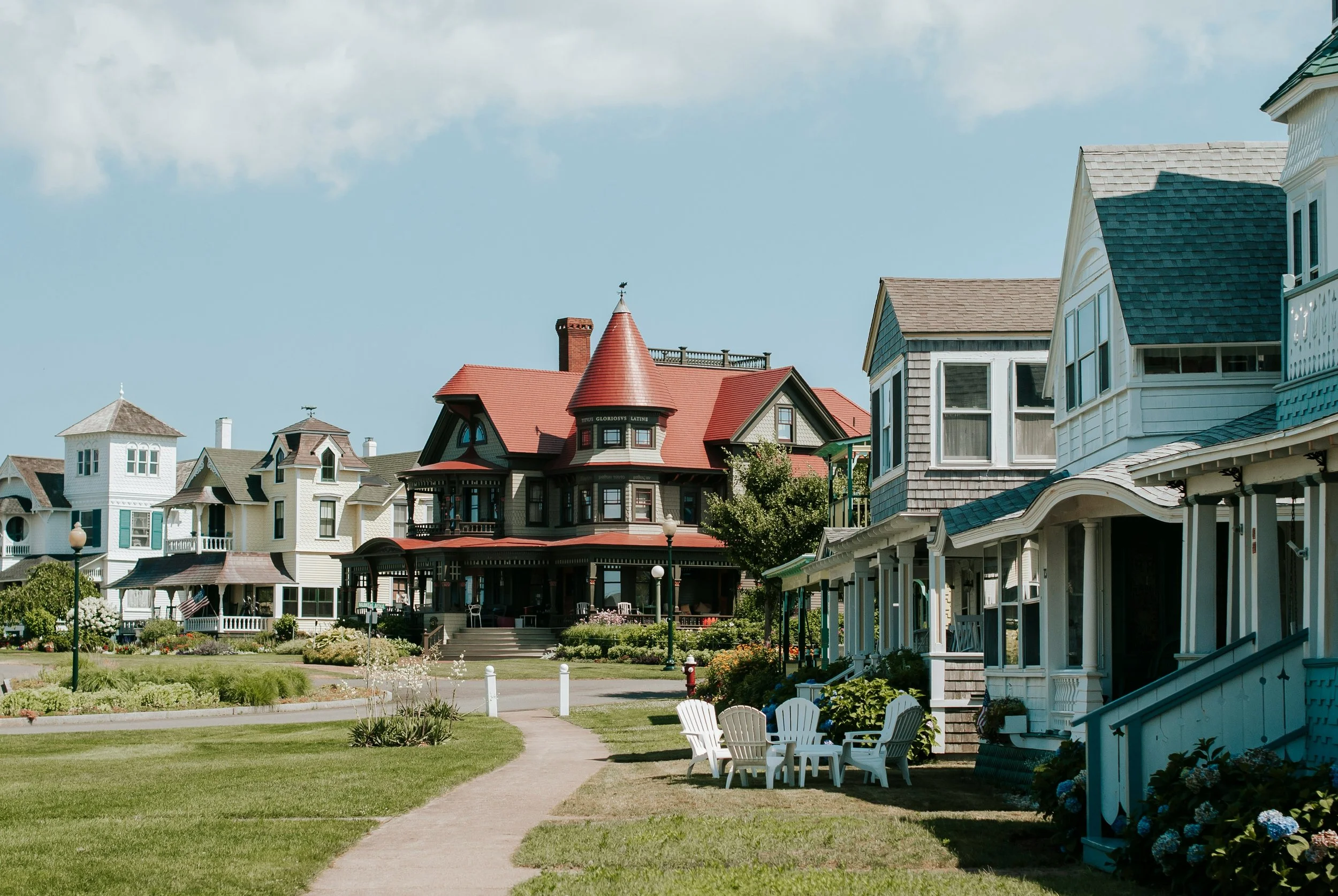
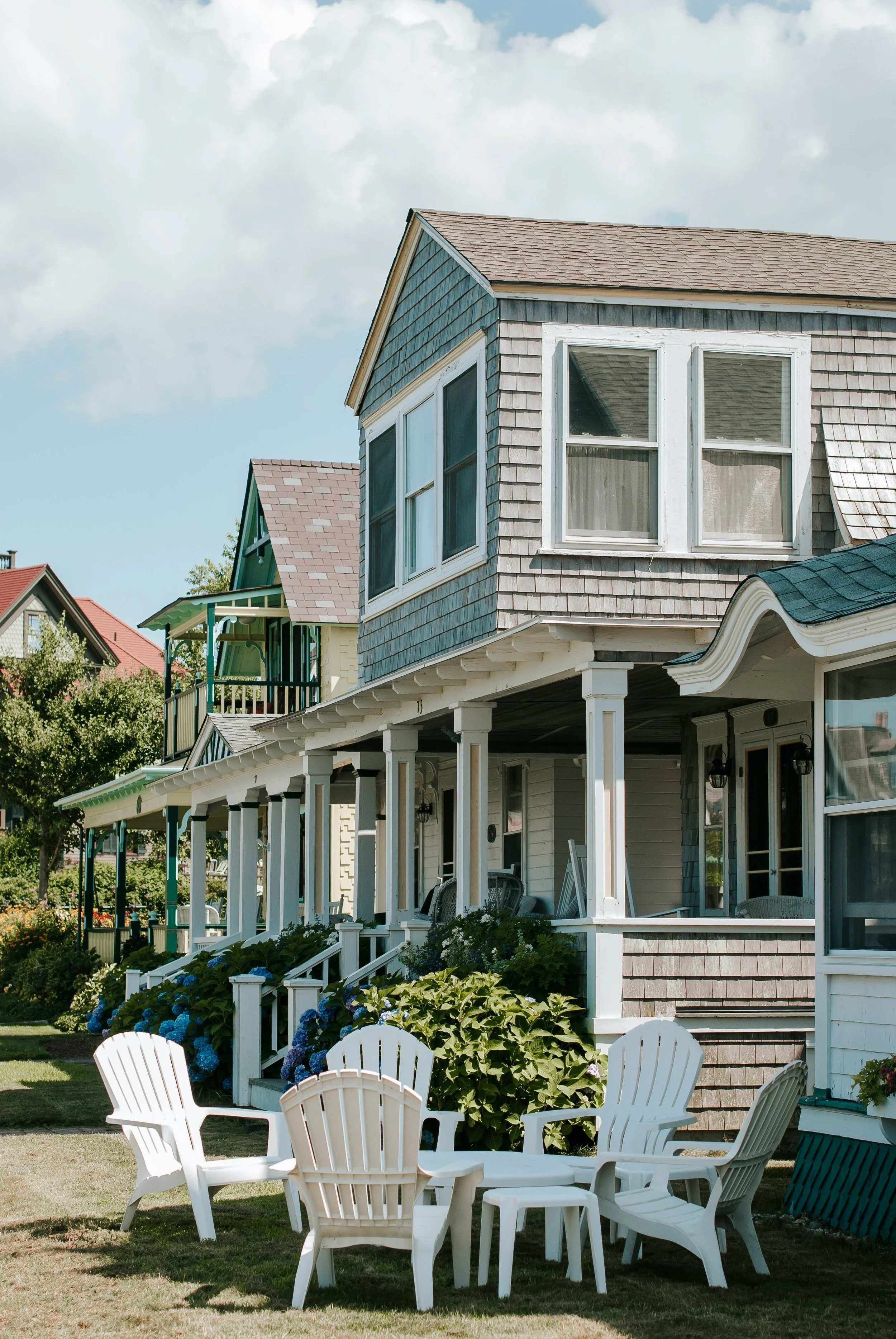
Colorful, a little loud in the best way, and the liveliest town on the island. This is where you'll find the gingerbread cottages, the shops and ice cream along Circuit Avenue, and the Flying Horses Carousel. The town also has a long history as a summer gathering place for Black families, which is a big part of its identity. It suits families, groups of friends, and first-timers who want energy. The one thing not to miss is the Campground, where the cottages sit tight together around Trinity Park.
Vineyard Haven
Part of the town of Tisbury and the island's main ferry port. It's a working harbor town with a Main Street full of shops and a year-round feel the other towns can't quite match, because people actually live and do errands here. It suits travelers who want a base that feels lived-in, and it's a natural fit if you're arriving on the car ferry. The one thing not to miss is the Martha's Vineyard Museum, set in a restored 1895 Marine Hospital above the harbor.
West Tisbury
Farmland, stone walls, and open fields. It's the rural heart of the island and home to the Martha's Vineyard Agricultural Fair every August. It suits slow travelers, art lovers, and anyone who likes eating from farm stands and summer markets. The one thing not to miss is the fair itself if your dates line up. If they don't, the summer farmers' market is the next best way to see how the island actually eats.
Chilmark
Rolling hills, stone-wall fields, and water views, with a low-key, quietly wealthy feel. The town includes the fishing village of Menemsha, which is the main reason most visitors come up this way. It suits couples who want privacy and fewer crowds more than a lively scene. The one thing not to miss is Menemsha at sunset, with a paper tray of seafood and a spot on the beach.
Aquinnah
The smallest and most remote of the six towns, with only a few hundred year-round residents, and the center of the Wampanoag Tribe of Gay Head (Aquinnah). The town took back its Wampanoag name in the late 1990s. It suits travelers who care more about scenery and history than nightlife. The one thing not to miss is the Aquinnah Cliffs, a wall of colored clay at the island's western tip.
Which towns do I recommend most? For couples, I lean toward Edgartown, because it's walkable and romantic and has a deep bench of inns and restaurants. Couples who'd trade polish for quiet should look hard at Chilmark. For families, I usually say Oak Bluffs. Kids can walk to the carousel and ice cream, the water at Inkwell Beach is calm, and the ferry and bus connections are simple.
Best Time To Visit Martha's Vineyard
Each season on the island feels like a different trip. Here's what to expect from each.
Summer, the Peak Season
Late June through Labor Day is the main event. Highs sit in the upper 70s and low 80s, the ocean gets comfortable for swimming by July, and everything is open: restaurants, shops, every ferry, every bus route. The trade-off is crowds, traffic, and the highest prices of the year. It's best for families with school-age kids, beach people, and first-timers who want the full social scene.
Summer is also event season. The Martha's Vineyard Agricultural Fair takes over West Tisbury for four days in mid-August, and Illumination Night lights up the Oak Bluffs Campground with paper lanterns on a Wednesday around the same time. Dates shift, and one published calendar lists the 2027 fair for mid-August, so check 2027 dates before you build the trip around either. If you're working through a warm-weather wish list as a couple, a Vineyard summer ticks off a lot at once, and our summer bucket list for couples has more ideas to pair with it.
Late Spring
May through mid-June is quiet and cool. Mornings can be chilly, the ocean is still cold, and gardens are filling in. Many restaurants and shops reopen around Memorial Day, and seasonal ferries like the Island Queen start running in May, but some places keep shorter hours until summer proper arrives. Crowds are light and rates are softer. It's best for couples, honeymooners, and anyone who'd rather have an empty lighthouse than a warm swim. For a lot of places, May is the beginning of peak season. But on Martha’s Vineyard, May is still early for peak, and many shops, restaurants, and activity operates may still be closed for the season.
September and Early Fall
The ocean holds on to summer's warmth, the crowds thin out after Labor Day, and the light turns golden. Most things stay open through Columbus Day, and several seasonal ferries run into mid-October. Rates ease off too. It's best for couples, honeymooners, and travelers who want summer without the scrum.
If a client asks me to pick one month for a first visit, I say September, ideally the stretch right after Labor Day. The water is still warm, the island exhales, and nearly everything you came for is open.
Winter
Think of this one as the appendix. The Woods Hole ferry, the bus, and flights all keep running, but many restaurants, shops, and seasonal ferries close or cut back, so check hours before you go. It's best for long walks, quiet inns, and travelers who want the island to themselves.
Where To Stay on Martha's Vineyard
Your main choices are historic inns, boutique hotels, and resort-style properties with suite accommodations. Historic inns, often converted captains' houses, cluster in Edgartown and Vineyard Haven and suit couples who want character, a good breakfast, and a walkable address. Boutique hotels around Oak Bluffs and Edgartown feel more modern and often come with harbor views. Resort-style properties, particularly near Katama and up-island, bring grounds, pools, and extra space for families. Match the property to the town: Edgartown for romance and walkability, Oak Bluffs for energy and families, Chilmark and West Tisbury for seclusion.
Is Martha's Vineyard expensive? Yes, and it's better to be upfront about that. Luxury 4 and 5-star properties in peak summer typically climb well into four figures a night at the top end, and even mid-tier inns jump sharply in July and August. In shoulder months like late spring and September, the same rooms often come in at roughly a third to half less, and off-season rates drop further, when properties stay open at all. Dining, ferries, and getting around all add to the total, so budget the island as a whole and not only the room.
How far ahead should you book? For July and August, start six to twelve months out, and go earlier for specific weeks like the Fourth of July or mid-August. If you're bringing a car, add the Steamship Authority reservation, since those windows open on set dates and you'll want your boat to line up with check-in. This is where an advisor earns the fee: holding peak-summer availability, timing the ferry around your arrival, and making sure a late boat doesn't mean a missed dinner reservation and a locked front desk.
Here's what I recommend to clients. For couples, a small historic inn in Edgartown with a walkable address. For families, a larger resort-style property with suites and outdoor space near a calm beach. For honeymooners who want privacy, a boutique inn up-island near Menemsha, where evenings are quiet. I'm not naming specific properties here because the right one depends on your dates and your group, and that's a conversation worth having.
Things To Do in Martha's Vineyard
The best Martha's Vineyard attractions range from landmarks with real history to simple pleasures like eating on a dock at sunset. These are the ones I'd put on any first-timer's list.
The Aquinnah Cliffs and Gay Head Lighthouse
Layers of red, ochre, and white clay rise well over 100 feet above the water at the island's western tip, and the Gay Head Lighthouse sits on top. The cliffs are in Aquinnah, at the far end of the island, and they're owned by the Wampanoag Tribe. Visitors are asked to look and not climb or take clay. The brick tower dates to the 1850s and was rolled back 129 feet from the eroding edge in 2015. The best time to go is late afternoon into sunset, when the clay glows. A short walk from the lot brings you to the overlook, with food and shops close by.
The Oak Bluffs Campground Gingerbread Cottages
The gingerbread cottages are tiny Victorian houses in candy colors, trimmed in carved woodwork. The neighborhood began as a Methodist camp meeting in the 1830s, when worshippers pitched tents, and the tents gradually turned into cottages. It's now a National Historic Landmark district. You'll find it inland from Oak Bluffs harbor, in the Camp Meeting Association grounds around Trinity Park. Go in the morning when it's quiet and the light is soft, or on Illumination Night in August, when paper lanterns hang from the porches. These are private homes, so stay on the paths.
The Flying Horses Carousel in Oak Bluffs
The Flying Horses Carousel is the oldest operating platform carousel in the United States. It was built in 1876 for Coney Island, came to Oak Bluffs in 1884, and holds twenty hand-carved horses and four chariots. One honest footnote: it shares the title with a carousel of the same era in Watch Hill, Rhode Island, whose horses hang from chains, while these are fixed to the platform. You'll find it in the middle of town, close to Circuit Avenue. Late morning tends to mean shorter lines, and early evening has its own charm. It runs seasonally, so check the dates if you're traveling outside summer.
Edgartown Lighthouse and Main Street
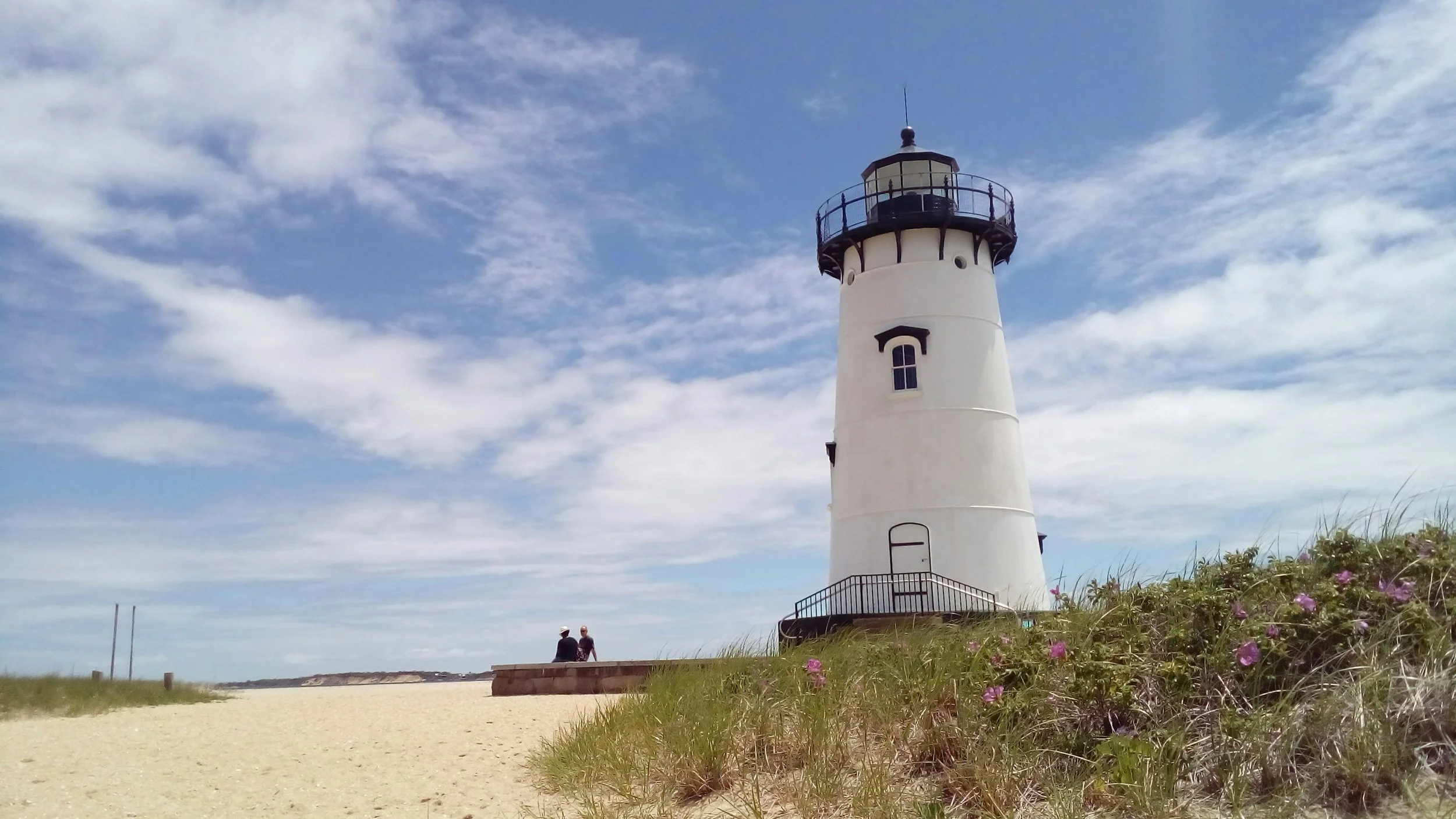
The Edgartown Lighthouse is a small white tower at the end of a sandy spit at the mouth of Edgartown Harbor, and the original dates to 1828. Behind it, brick sidewalks and captains' houses line Main Street and North Water Street. It's an easy walk from the center of town along the water. Go early in the morning for quiet, or in the evening for warm light. Midday on Main Street gets busy, so save that stretch for shade and lunch.
Sunset and Fresh Seafood in Menemsha
Menemsha is a working fishing village in Chilmark where boats unload at the docks and takeout counters sell lobster and fried clams you eat on the beach or the jetty. Menemsha Beach is public, with free municipal parking and no permit, and it faces the water for sunset. Arrive well before the light goes, an hour or more in summer, because parking is tight and the dock fills up. The seasonal VTA sunset bus is another way in. Bring a blanket and something warm for the walk back.
A Day on Chappaquiddick
Chappaquiddick is the quiet, wild side of the island, with wildlife refuges, a Japanese-style garden, and long empty beaches. Take the On Time ferry across from Edgartown, the quick crossing that runs year-round. The beaches and refuges here are managed by the Trustees, who require a parking pass for members and non-members alike, so plan for that. Go on a morning boat with a bike. The ferry line builds on summer weekends, and the refuges are far nicer before the afternoon crowds.
Biking the Island Bike Paths
The paths between Oak Bluffs and Edgartown run beside the water for stretches, and a ride along Beach Road past the state beach is a manageable few miles each way with sea views most of the time. The paths are paved and mostly flat, so they suit nearly any fitness level. Start from Oak Bluffs or Edgartown, rent a bike near the docks, and pack a swim stop. Go in the morning, before the heat and the traffic pick up. The getting-around section above covers rentals and how the ferries handle bikes.
The Martha's Vineyard Museum in Vineyard Haven
The island's history museum was founded in 1922 and moved in 2019 into a restored 1895 Marine Hospital overlooking Vineyard Haven harbor. Inside, you'll find a large Fresnel lighthouse lens along with whaling and Wampanoag history. It's on Lagoon Pond Road in Vineyard Haven. This is my rainy-day pick, and it works well on a gray afternoon when the beaches are off the table. Mornings are calmer if the day is clear and you want to be outside by afternoon.
Martha's Vineyard Beaches
Beach access here is a little more complicated than on most coastal trips. Many beaches are public, but some are limited to town residents and their guests in summer, and the rules and parking details change. Check access before you load the car. Most down-island beaches are open to everyone, and the restricted ones tend to be up-island.
South Beach (Katama)
A long, wide barrier beach on the Atlantic side of Edgartown, with real surf, dunes behind it, and room to spread out. It suits strong swimmers, bodyboarders, and anyone who prefers waves to flat water. It's free and public, and lifeguards are on duty in season. Parking fills early on summer days, so arrive in the morning or come by bike or on the seasonal bus.
Joseph Sylvia State Beach
A two-mile barrier beach along Beach Road between Oak Bluffs and Edgartown, with shallow, gentle water on the Nantucket Sound side. It's the beach I recommend for young kids and anyone who wants an easy, mellow swim. It's open to all. Parking is roadside along Beach Road and fills quickly in summer, but the bike path runs right alongside, which makes it a good ride-in beach.
Inkwell Beach in Oak Bluffs
A small, calm town beach steps from the ferry and the center of Oak Bluffs, with a good view east over the water. It has a long history as a gathering place for Black families, and it's also home to the early-morning Polar Bears swim group. It suits families and car-free travelers, since you can walk from the ferry or your hotel. Parking along the seawall is tight in summer, so walking is easier.
Lucy Vincent Beach in Chilmark
A stunning south-shore beach backed by clay bluffs, with big Atlantic surf. In summer, access is limited to Chilmark homeowners, their guests, and tenants with town stickers, from June 1 through September 15. Outside those dates it's open to everyone. There are no lifeguards, and the rules and hours can change, so confirm with the town before you go. If your lodging isn't in Chilmark, don't build a beach day around it. Plan on Menemsha or the public beaches instead.
Menemsha Beach
A small beach beside the Menemsha fishing docks, looking out over Vineyard Sound. It's a sunset beach more than a swim-all-day beach, and it suits couples and anyone pairing a beach stop with dinner. It's public, with free municipal parking and no permit, and lifeguards are on duty in season. Parking is limited at peak times, so arrive early or take the seasonal sunset bus. Dogs aren't allowed.
Aquinnah Beach
Also called Moshup Beach, this public beach sits below the cliffs along Moshup Trail, and the walk down the path is part of the experience. The water faces the Atlantic, with real surf and a wild, open feel. It suits travelers pairing the cliffs with a beach stop. There's a parking fee in season, the lot is small and fills early, and restrooms are at the top near the lot. Arrive in the morning and plan to carry your gear down.
Martha's Vineyard Day Trip
Is a day trip worth it? It can be, as long as you go in with open eyes. You'll spend several hours moving across water and between bus stops, so it works best for travelers already based on Cape Cod or in Boston who want a taste of the island, couples on a short trip, and anyone who'd rather see one town and a couple of landmarks than settle in. If you're coming from much farther away, stay a night. Here's the day I'd build from Boston without a car.
Step One: Take an early ferry. Head out of Boston early enough to catch one of the first boats. Car-free, that usually means the coach from South Station to New Bedford and the fast ferry to Oak Bluffs. If you're driving, aim for an early Woods Hole boat. Confirm departure times with the operator, since they shift by season, and aim to be on the island by mid-morning.
Step Two: Explore one down-island town on foot or by bus. If you land in Oak Bluffs, walk up to the gingerbread cottages, ride the Flying Horses Carousel, and wander Circuit Avenue. If you land in Vineyard Haven, stroll Main Street and visit the museum. Don't rush it. One town done well beats three done badly.
Step Three: Add a second stop. The VTA bus runs to Edgartown for the lighthouse and a long lunch. If you want the Aquinnah Cliffs, it's a long ride up-island by bus, so only add it if you're committed, and don't try for both without a driver.
Step Four: Leave time for dinner before the last ferry back. Eat in Edgartown or Oak Bluffs and be at the terminal well before the final boat. I tell clients to treat the last ferry as a hard stop. Weather and crowds don't care about a dinner reservation.
If a day feels rushed after reading that, you're right. Stretching it into a long weekend changes the whole trip, because you get a sunset, a slow morning, and a second town without watching the clock. Our weekend vacation ideas for couples can help you build out the rest.
Nantucket vs Martha's Vineyard
People ask me which island to pick all the time, and the honest answer is that both are lovely and they feel different. Here's how they compare.
Size. Martha's Vineyard covers about 96 square miles. Nantucket is smaller, with roughly 48 square miles of land, and about 15 miles long. The Vineyard has more room to roam, and that's part of why it supports so many different kinds of trips.
Getting there. The Vineyard is closer, with a 45-minute ferry from Woods Hole and multiple ports on the mainland side. Nantucket sits about 30 miles south of Cape Cod, with fast ferries from Hyannis taking about an hour and slower boats taking longer. Both have airports. Hy-Line connects the two islands if you want to see both.
Towns and beaches. The Vineyard has six towns, each with its own personality, and a mix of public and restricted beaches. Nantucket is a single town, built around one small, walkable center, and its beaches are generally open to the public.
Vibe. The Vineyard feels varied: lively Oak Bluffs, polished Edgartown, and rural up-island towns that feel miles from the ferry. Nantucket feels more uniform and more tightly kept, with cobblestones, cedar shingles, and an upscale hush. Year-round population tells part of the story too, at around 20,000 on the Vineyard and about 14,000 on Nantucket.
Cost. Both are expensive, and I'd be misleading you if I said otherwise. Nantucket often runs higher, particularly for dining and lodging in town, while the Vineyard offers a wider spread, with more options at different levels.
Who each suits. The Vineyard works best for travelers who want variety, space, bikes, and a mix of lively and quiet. Nantucket suits travelers who want one polished, compact town and a more contained feel. Neither wins outright. If you're comparing coastal destinations more broadly, our guide to summer vacation spots in the U.S. is a good place to start.
When clients are stuck between the two, I start with how they want the days to feel. Do they want to wander, bike, and change scenery, or settle into one walkable town? That usually answers it, and if it doesn't, a short conversation about dates and ferry logistics tends to settle the rest.
Martha's Vineyard Honeymoon
The island works beautifully for a honeymoon or an anniversary trip. It's close enough that you're not burning a day getting there, private enough that you can find real quiet, and varied enough that a week never feels repetitive. The shoulder months make it even better. Late spring and September mean calmer beaches, softer rates, and easier restaurant reservations. And the up-island towns, especially Chilmark and Aquinnah, give you space and privacy that the busier harbor towns can't.
Here are the romantic ideas I come back to most. Sunset in Menemsha, with takeout seafood and a blanket on the beach. A morning bike ride along the coast between Oak Bluffs and Edgartown, stopping for a swim. Golden hour at the Aquinnah Cliffs. A private sunset sail out of Edgartown harbor, arranged in advance. And a stay at a quiet inn where breakfast is on the porch and nobody's in a hurry. For more ideas, our roundup of private romantic getaways puts the island alongside other quiet escapes. If you're planning an anniversary instead, our list of anniversary ideas for couples has plenty more to borrow from.
With a honeymoon, the details matter more than usual: which ferry gets you there with time to spare, which night is for Menemsha, which room has the porch. That kind of sequencing is what I spend my days on, and it's the part most couples would rather hand off. Summer 2027 is right around the corner so inquire to start planning now!